TL;DR
A MedPage Today neurology roundup published October 6, 2026, summarized reports on a teenager who developed brain damage after surgery for a broken arm, a study linking obesity at dementia diagnosis with longer survival, and Alan Alda’s comments about living with Parkinson’s disease. The brief summary does not provide case details, study figures or enough information to establish causes or explain the findings fully.
MedPage Today published a neurology roundup on October 6, 2026, covering three stories involving brain health: a teenager who reportedly emerged from surgery for a broken arm with brain damage, a population study associating obesity at dementia diagnosis with longer survival, and Alan Alda’s comments about living with Parkinson’s disease. The roundup summarizes those developments but does not establish why the teenager was injured or show that obesity itself caused longer survival.

Turn quiet afternoons into listening time
- Thousands of audiobooks, podcasts and originals
- Listen on your phone, tablet or Echo — also offline
- Cancel anytime
The roundup, written by MedPage Today deputy managing editor Judy George, cites an Atlantic profile of a teenage boy who went into surgery for a broken arm and came out with brain damage. The brief does not identify the cause, describe the boy’s medical condition before surgery, or provide details about the anesthesia or the care he received. It therefore does not establish that anesthesia caused the injury.
A separate report summarized findings from a large U.S. population-based study published in the Journal of Alzheimer’s Disease. People who had obesity when diagnosed with dementia lived longer than people with normal weight, according to the roundup. It provides no survival estimates, participant characteristics, or analysis of possible explanations, so the finding should be understood as an association rather than evidence that obesity improves survival.
The roundup also notes that Alda discussed how he copes with Parkinson’s disease through humor and connection with other people in an interview with CBS News. Other items included a randomized trial on earlier disclosure of Alzheimer’s biomarkers and clinical management, and an Alzheimer’s Association initiative focused on brain health and quality of dementia care. The supplied summary does not provide the trial’s numerical results or details of the initiative’s implementation.
What These Reports Mean for Patients
Together, the items touch on decisions and experiences that matter to patients and families: understanding an unexpected injury after surgery, interpreting dementia research, and finding ways to live with a chronic neurological condition. But the short summaries do not provide enough evidence to resolve the questions raised by the stories. In particular, a case profile cannot by itself show how often a similar injury occurs or what caused it, while a survival association cannot establish that a particular body weight changes an individual’s prognosis.
The distinction matters because readers may otherwise mistake a reported sequence of events for a demonstrated medical cause, or a group-level finding for advice about an individual’s health. Alda’s remarks offer a personal account of coping, not a clinical treatment recommendation. The roundup is a guide to several developments, rather than a detailed evaluation of the underlying reporting and research.
Products Worth Considering

Withings BPM Connect Wi-Fi and Bluetooth Blood Pressure Monitor

BowFlex Results Series SelectTech Adjustable Dumbbells, Pair
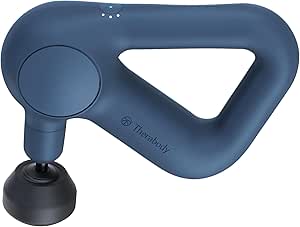
Therabody Theragun Relief Massage Gun, 3-Speed, Navy
As an affiliate, we earn on qualifying purchases.
The Studies Behind the Brief
The October 6 roundup spans research, clinical practice and personal reporting. Its cited research includes a randomized trial in JAMA Neurology that found earlier disclosure of Alzheimer’s disease biomarkers improved diagnostic certainty and clinical management among patients evaluated for cognitive symptoms. The summary does not state how large the improvement was or describe the trial’s methods, limiting what can be concluded from the brief alone.
Other items covered language patterns associated with cognitive impairment in digital voice recordings, ultrasound-assisted lumbar punctures in neurology practice, and longer-term treatment outcomes in relapsing multiple sclerosis. These stories show the range of the roundup, but they do not supply additional evidence about the teenager’s injury or explain the dementia-survival association. The report also links Alda’s discussion to a CBS News interview; it gives no further details about his health or treatment.
“He discussed how he fights Parkinson’s disease by laughing and connecting with other people.”
— Alan Alda, as summarized in a CBS News interview
Questions the Brief Leaves Open
The cause of the teenager’s brain damage is not established in the supplied summary. It gives no clinical timeline, medical records, expert findings or account of whether anesthesia, the surgery, an underlying condition or another event was involved. The headline-style wording should not be read as proof that anesthesia caused the injury.
The obesity finding also lacks key details: the size and makeup of the study population, how long participants were followed, the survival difference, and whether researchers accounted for other health and social factors. The roundup does not explain why the association appeared. It also does not provide Alda’s full remarks, so his comments cannot be treated as a complete account of his care or experience. These gaps leave the full implications of all three stories uncertain.
Full Reports and Further Evidence
Readers seeking more detail would need to consult the Atlantic profile, the full Journal of Alzheimer’s Disease study and the CBS News interview cited by the roundup. The research reports would provide methods and results needed to judge the dementia finding, while the profile may offer more information about the teenager’s case. The supplied material does not announce a new investigation, follow-up study or next publication date, so further developments cannot be confirmed from this report.
For now, the confirmed development is the publication of a roundup drawing attention to these stories. Any conclusions about anesthesia-related risk, the meaning of weight in dementia prognosis, or Parkinson’s care require evidence beyond the short summaries provided.
Key Questions
Did anesthesia cause the teenager’s brain damage?
The supplied report does not establish that. It says the teenager had brain damage after surgery for a broken arm but gives no evidence identifying the cause.
What did the dementia study report about obesity?
The roundup says people who had obesity at the time of dementia diagnosis lived longer than those with normal weight in a large U.S. population-based study. That reported association does not show that obesity caused longer survival.
What did Alan Alda say about Parkinson’s disease?
According to the roundup’s account of his CBS News interview, Alda spoke about coping through laughter and connection with other people. The summary does not give further details of his treatment or health.
When was the roundup published?
MedPage Today published the neurology roundup on October 6, 2026.
Source: rss