

TL;DR

Turn quiet afternoons into listening time
- Thousands of audiobooks, podcasts and originals
- Listen on your phone, tablet or Echo — also offline
- Cancel anytime
Online interest in the link between alcohol consumption and dementia risk is spiking, though no single new study or announcement has been confirmed as the trigger. Long-established research links heavy drinking to higher dementia risk, while the effects of light or moderate drinking remain debated.
Interest in the relationship between alcohol and dementia risk is spiking across search queries and wellness coverage, according to trend data from the wellness category. No single new study, health authority announcement, or public statement has been confirmed as the cause of the surge. What is well established, according to long-running research previously published by organizations such as the World Health Organization and national health agencies, is that heavy and long-term alcohol use is associated with higher dementia risk, while the effects of light or moderate drinking remain disputed among researchers.
The renewed attention comes as dementia affects tens of millions of people worldwide, with the World Health Organization listing it as a leading cause of disability and dependency among older adults. Because there is currently no cure for most forms of dementia, including Alzheimer’s disease, public interest has increasingly focused on modifiable risk factors — behaviors and conditions that individuals can change. Alcohol consumption is consistently included among the lifestyle factors researchers examine in this area.
According to long-established findings in the scientific literature, the clearest link is between heavy alcohol use and dementia. Chronic heavy drinking is associated with alcohol-related brain damage, including conditions such as alcohol-related dementia and Wernicke-Korsakoff syndrome, and it contributes to thiamine deficiency, liver damage, and other health problems that can impair cognition. Heavy drinking is also linked to other known dementia risk factors, including high blood pressure, stroke, and head injury.
The picture for light and moderate drinking is considerably less settled. Some older studies suggested that small amounts of alcohol might be associated with lower dementia risk compared with abstaining, but more recent research has questioned those findings, noting possible flaws such as the inclusion of former drinkers who quit for health reasons in the “non-drinking” comparison groups. Many researchers now take the position that no level of drinking can be recommended for brain health, a stance echoed by the WHO, which has stated that no safe level of alcohol consumption exists for health overall.
Why Readers Are Searching Now
For readers, the practical stakes are straightforward. Dementia risk is shaped partly by factors people can influence, and drinking habits are among the most commonly discussed. The current wave of interest suggests many people are actively trying to work out whether their own drinking — whether it’s daily wine, occasional binge drinking, or near-total abstinence — changes their long-term outlook for brain health.
The topic also sits at the center of a broader cultural shift in how alcohol is discussed. In recent years, public health messaging in several countries has moved away from the idea that moderate drinking is protective, and toward guidance that less is better. US dietary guidance, UK health guidelines, and WHO statements have all tightened or clarified their language on alcohol over the past decade, and each revision tends to generate renewed public attention to questions like this one.
Anyone concerned about cognitive decline or personal alcohol use should speak with a qualified medical professional, as individual health circumstances vary and this article does not constitute medical advice.
Products Worth Considering

Levoit Vital 100S-P Air Purifier with Washable Pre-Filter

BowFlex Results Series SelectTech Dumbbells
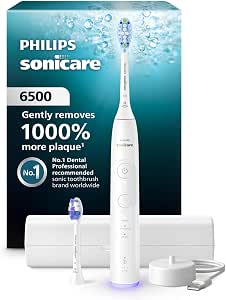
Philips Sonicare 6500 Series Rechargeable Electric Toothbrush with 2 Brush Heads, White
As an affiliate, we earn on qualifying purchases.
What Research Has Long Shown
: “The scientific study of alcohol and dementia spans several decades. Large observational studies — including cohort research published in journals such as The Lancet Public Health — have repeatedly found that alcohol use disorders and heavy drinking are associated with elevated dementia risk, with some studies identifying alcohol misuse as one of the strongest modifiable risk factors for early-onset dementia. The Lancet Commission on dementia prevention has included excessive alcohol use among its list of modifiable risk factors in successive reports.
At the same time, researchers have long cautioned that observational studies show association, not proof of causation. People who drink moderately may differ from heavy drinkers and abstainers in many other ways — diet, exercise, income, and social factors — making it difficult to isolate alcohol’s effect. This methodological debate has kept the moderate-drinking question open even as the heavy-drinking link has remained consistent.
What the Spike Doesn’t Tell Us
The trigger for the current surge in interest is unconfirmed. It is unclear whether it stems from a newly published study, a celebrity disclosure, revised health guidance, or simply algorithmic and seasonal patterns in search behavior. No specific announcement or publication has been verified in connection with this trend.
Scientifically, the effect of light-to-moderate drinking on dementia risk also remains genuinely unresolved. Claims that small amounts of alcohol protect the brain are not established fact, and claims that any amount is definitively harmful to cognition are also not fully proven. Readers should treat confident claims in either direction, particularly on social media, with caution.
Research and Guidance to Watch
Expect continued research activity in this area, including larger studies using genetic methods and biomarkers to try to separate alcohol’s effects from other lifestyle factors. Periodic updates to national alcohol guidelines — such as revisions to dietary guidance in the United States — are likely to keep the topic in public view. Readers looking for authoritative information can consult their national health agency’s alcohol guidance, the World Health Organization, or the Lancet Commission’s periodic dementia prevention reports. Anyone with specific health concerns should consult a qualified clinician.
Key Questions
Does drinking alcohol cause dementia?
Heavy, long-term alcohol use is strongly associated with dementia, including specific alcohol-related brain conditions, according to decades of research. For light or moderate drinking, the evidence is mixed and a causal link has not been established.
Is moderate drinking good for the brain?
Some older studies suggested a protective effect, but newer research has challenged those findings, citing methodological flaws. Many health bodies now avoid recommending any amount of alcohol for health benefits.
Why is interest in this topic spiking right now?
Search and coverage interest is elevated, but the specific trigger is unconfirmed. It may relate to new research, health guidance updates, or general media cycles; no verified announcement has been identified.
Can cutting back on alcohol reduce dementia risk?
Reducing heavy drinking is widely advised by health authorities as part of broader efforts to lower dementia risk, alongside managing blood pressure, not smoking, staying physically active, and treating hearing loss. Individual advice should come from a clinician.
Is there a safe amount of alcohol to drink?
The WHO has stated that no level of alcohol consumption is safe for health. National guidelines vary, but most recommend limiting intake, and many advise that less is better.
Source: rss