TL;DR

Turn quiet afternoons into listening time
- Thousands of audiobooks, podcasts and originals
- Listen on your phone, tablet or Echo — also offline
- Cancel anytime
Automatic pill dispensers organize and remind seniors to take their medicines on time, reducing missed doses. While helpful, they are supports, not substitutes for supervision. Choosing the right device involves matching features to individual needs and routines.
Imagine a device that turns taking multiple medications into a simple, stress-free routine for seniors. Automatic pill dispensers are changing the game, helping older adults stay on top of their medicines without constant supervision. They’re not perfect, but they can be a lifeline for family members and caregivers worried about missed doses or accidental overdoses.
In this article, you’ll learn what features matter most, how to pick the right model, and what practical steps to take to make medication management smoother. If you’ve ever felt overwhelmed by pills and schedules, this guide aims to give you clarity and confidence.
Choose a dispenser with timed compartments and clear alerts to match the user’s abilities and routine.
Test devices thoroughly before relying on them daily, and keep a backup plan for missed doses or device failures.
Regular maintenance, such as refilling and cleaning, ensures the device stays reliable over time.
Connected models offer remote monitoring, but remember they don’t confirm medication ingestion—use them as part of a broader support system.
Automatic dispensers support independence but do not replace medical advice or personal supervision.
What Do Automatic Pill Dispensers Actually Do? Here’s the Real Deal
Automatic pill dispensers are devices that store medications and release them at scheduled times. They act like a helpful assistant, alerting the user with sounds, lights, or spoken prompts when it’s time to take a pill. Think of them as a digital nurse that keeps medications organized and on time.
For example, a senior with multiple prescriptions might struggle to remember which pills to take and when. An automatic dispenser can hold all those pills in separate compartments, opening only when it’s the right moment. Some models even send notifications to caregivers if a dose is missed, adding an extra layer of support.
But, it’s important to remember—they don’t guarantee the medication is swallowed or that the person responds to the reminder. They simply make adherence easier and more structured. According to studies, they can reduce missed doses by about 15-25%, especially when combined with caregiver support [2].
Products Worth Considering

OMRON Complete 2-in-1 Upper Arm Blood Pressure Monitor with EKG

Hyperice Hypervolt Go 3 Percussion Massage Gun with Carry Case

Garmin Venu 4 GPS Smartwatch, 45 mm AMOLED, Slate/Black
As an affiliate, we earn on qualifying purchases.
Key Features That Make or Break a Good Dispenser
Picking the right dispenser hinges on understanding what features really matter. Here’s what to look for:
- Timed access: The device opens a compartment only at scheduled times, which is crucial for preventing accidental double-dosing or early access that can lead to overdose or missed doses later. This feature ensures strict adherence, but it also requires accurate scheduling—if the timing isn’t precise, medication can be missed or taken incorrectly.
- Alerts: Beeping, voice prompts, or flashing lights draw attention when it’s time for a dose. For users with hearing impairments, visual cues like flashing lights are essential, but they might be less effective for those with visual impairments or cognitive challenges. The effectiveness of alerts depends on the user’s sensory abilities and consistency in responding to them.
- Remote caregiver notifications: Some models send alerts if a dose is missed, which can be invaluable for family members or caregivers to intervene promptly. However, this depends on reliable connectivity and the caregiver’s ability to monitor these alerts regularly. It’s a tradeoff between added support and potential over-reliance on technology, which might reduce personal oversight.
- Locking lids: These prevent access to future doses until the scheduled time, adding safety especially for individuals prone to accidental overdose or those with cognitive impairments. But, if not designed well, they can also cause frustration or confusion, so ease of unlocking and user-friendliness are important considerations.
- Large controls and displays: Easy-to-press buttons and clear screens are vital for those with limited vision or dexterity. The usability of these controls directly impacts whether the device will be effective or become a source of frustration, potentially leading to non-use or incorrect operation.
- Battery backup: Keeps reminders active during power outages, avoiding missed doses during blackouts. This feature is critical in areas with unreliable electricity, but it also requires regular battery replacement or recharging, which must be incorporated into maintenance routines.
Price and ongoing costs vary. Some units require professional filling, which adds to the expense and complexity, while others let family members load prescriptions easily. Always check if the dispenser can handle your specific medications, especially if they come in different forms or sizes, as incompatibility can compromise medication safety and effectiveness.
How to Pick the Perfect Dispenser for Your Senior
Choosing the right device isn’t just about bells and whistles. It begins with understanding the user’s routine, abilities, and environment. Here’s a step-by-step process with deeper insight into why each step matters:
- Review medications and schedule: Confirm which medicines go where, including any special storage needs or doses taken with food. This step is essential because mismatched devices can lead to missed doses or medication spoilage. For example, some medications require refrigeration or protection from light, which not all dispensers provide. Overlooking these details can compromise medication efficacy.
- Assess the user’s abilities: Can they see and hear alerts? Can they open compartments easily? Are they cognitively able to respond to reminders? Understanding these capabilities ensures the device will be effective rather than frustrating or confusing the user. For instance, a person with arthritis may need larger, easier-to-press buttons and a simple interface, while someone with mild memory issues might benefit from visual cues and remote monitoring.
- Decide on features: Do they need remote monitoring? A locking system? Large buttons? Prioritizing features based on abilities helps tailor the device, making adherence more likely. For example, remote alerts are valuable if the user is forgetful but may be unnecessary if the individual is highly independent and reliable.
- Plan for power and connectivity: Will they have internet or cellular coverage at home? Is a battery backup enough? These considerations affect reliability—knowing the environment helps prevent interruptions in medication routines. For example, rural areas with poor internet might require devices with offline capabilities.
- Test with the user: Try out a model with the person involved. Observe if they respond well to the alerts and controls. This trial can reveal unforeseen issues, such as confusing interface or inadequate alert volume, allowing adjustments before full deployment.
- Review costs and support options: Consider setup, ongoing refills, and whether professional assistance is needed for filling or troubleshooting. Balancing budget with features is crucial. Sometimes spending more upfront on a user-friendly device reduces long-term frustration and errors.
For example, a caregiver might choose a model that sends alerts to their phone, but only if the senior is comfortable with smartphone notifications. Trial and adjustment are key to finding the right fit, ensuring the device complements the user’s abilities and routines rather than complicates them.
What Can Go Wrong? Common Pitfalls and How to Avoid Them
Automatic pill dispensers are helpful, but they’re not foolproof. Relying solely on the device without considering the person’s response can lead to serious safety issues. For instance, a senior might hear the alarm but forget to take the pill, or they might ignore the alert altogether due to cognitive decline or sensory impairments. This highlights the importance of understanding that technology enhances, but does not replace, human oversight.
Another common mistake is selecting a device that doesn’t align with the user’s medication schedule or abilities. A complicated interface or a poorly fitting locking mechanism can cause frustration, leading to non-use or accidental dose errors. For example, a device that’s difficult to open or has confusing instructions may discourage consistent use, defeating its purpose.
To mitigate these risks:
- Match the device’s features to the user’s abilities and routines—overly complex devices can hinder adherence rather than improve it.
- Have a backup plan, such as a medication reminder call, a caregiver check-in, or a manual pill organizer, especially during device malfunctions or power outages.
- Regularly review medication routines and device performance to catch issues early. This proactive approach prevents missed doses and ensures the device remains appropriate as needs evolve.
- Educate the user and caregiver on proper use and troubleshooting, fostering confidence and independence.
- Test the device thoroughly before relying on it daily, ensuring it functions as intended and the user responds correctly to alerts. This step is crucial to identify potential issues before they compromise safety.
Remember, no device is infallible. The goal is to create a layered safety net—combining technology, human oversight, and routine checks—to maximize medication adherence and safety.
Smart Trends and New Features to Watch For
Automatic pill dispensers are getting smarter every year, integrating advanced technology that can significantly improve medication management. Recent trends include smartphone connectivity, which allows remote monitoring and alerts; voice-activated prompts that enable hands-free operation; and integrated pharmacy services that automate refills and medication synchronization. These innovations aim to streamline adherence and provide real-time updates, easing the burden on both seniors and caregivers.
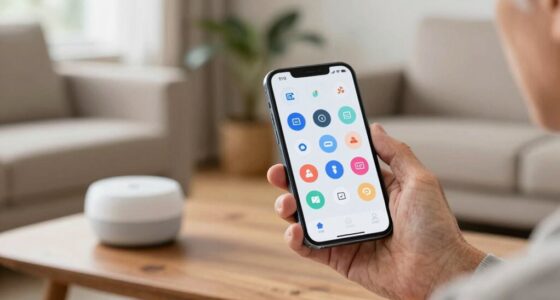
For example, some models now sync with apps that generate adherence reports, giving healthcare providers detailed insights into medication routines. Others incorporate voice assistants—like Alexa or Google Home—that respond to simple commands such as, ‘Remind me to take my pills,’ making the process more accessible for users with limited dexterity or vision.
However, these features come with considerations: reliance on internet connectivity, potential subscription fees, and data privacy concerns. Not every senior needs or wants the latest tech, and sometimes simplicity is more effective. Understanding these trends helps you decide whether investing in high-tech features aligns with the user’s comfort level and needs, ensuring the device remains useful as technology evolves.
What’s the Right Way to Use and Maintain Your Dispenser?
Once you’ve selected the ideal device, maintaining it properly is key to ensuring consistent performance. Follow the manufacturer’s instructions for setup and loading medications. Regular refilling—usually weekly—keeps the device ready and prevents accidental omissions. Keeping the device clean by wiping it with a soft cloth prevents dust or sticky residue from interfering with its mechanisms, which is vital for longevity and reliability.
Testing alerts periodically is essential. Confirm that alarms are loud enough and that displays are clear and functioning. If the device has a battery backup, replace batteries as recommended—typically every 6-12 months—to avoid unexpected failures. Staying updated on software or firmware updates, especially for connected models, is also crucial as these often include security patches or performance improvements.
Developing a routine, such as a weekly check to refill and test the device, helps catch issues early and ensures continuous operation. Keep a backup plan—like a manual pill organizer or a caregiver check-in—to address potential device failures or power outages. This layered approach guarantees that medication routines remain uninterrupted, even if technical issues arise.
For example, setting a recurring weekly reminder to verify the device’s status and refill medications can prevent surprises. Routine maintenance not only prolongs the device’s lifespan but also reinforces safe medication practices, reducing the risk of missed or incorrect doses.
Will a Dispenser Replace a Caregiver or Doctor’s Advice?
Automatic pill dispensers are valuable tools that support medication routines, but they are not substitutes for professional medical advice or personal supervision. They can serve as reminders or organizational aids, but they lack the ability to evaluate a person’s overall health, monitor side effects, or adjust medication dosages. For instance, a device might remind a senior to take a pill, but it cannot detect if the medication is causing adverse reactions or if a dose needs to be changed based on health changes.
Relying solely on dispensers without regular check-ins can be risky, especially for individuals with complex medication regimens, cognitive impairments, or health conditions requiring close monitoring. Human oversight remains essential to interpret health signals, manage side effects, and ensure proper medication use.
Integrating technology into a broader care plan—one that includes regular healthcare provider visits, caregiver involvement, and ongoing communication—is the most effective approach. Devices should be viewed as supportive aids within this safety net, not as standalone solutions. Combining human judgment with technological assistance maximizes safety, adherence, and health outcomes.
Frequently Asked Questions
Can an automatic pill dispenser prevent all missed doses?
While they make it easier to follow schedules and send reminders, they can’t guarantee the person notices or responds to alerts. Human oversight is still important for complete safety.Are these devices suitable for someone with dementia?
It depends on the individual’s abilities. Features like locking lids and caregiver monitoring can help, but many with advanced dementia may still need direct supervision.What happens if the power or internet goes out?
Check if the device has a battery backup or offline alert system. Many models can still remind users with alarms, but planning for outages ensures continuous medication adherence.Can I use any medication in these dispensers?
No. Always ask a pharmacist if your medication’s form, size, or storage requirements are compatible with the device. Some medicines need special handling or aren’t suitable for pre-loading.Do insurance plans or Medicare cover automatic pill dispensers?
Coverage varies widely. Some devices may be reimbursable if prescribed by a healthcare provider, but verify with your insurer or Medicare to understand your options.Conclusion
Automatic pill dispensers can be a game-changer for managing medications, especially for seniors living alone or with limited support. They add a layer of safety and consistency, helping avoid missed or double doses. But remember — they’re tools, not magic.
Pick one that fits your or your loved one’s routine, test it thoroughly, and keep human oversight in place. With the right approach, these devices can help turn a daily chore into a simple, stress-free part of life.