
TL;DR
Thirty-two areas across Malaysia have recorded unhealthy air quality levels, according to recent reports. The development raises public health concerns and highlights ongoing pollution issues nationwide. For more information on air quality concerns, see Air Quality In Eastern, Western And Central Singapore In Unhealthy Range – CNA.
Unhealthy air quality levels have been recorded in 32 areas across Malaysia, according to recent reports from environmental monitoring agencies. Air Quality In Eastern, Western And Central Singapore In Unhealthy Range – CNA The development has prompted health advisories and increased public concern about pollution and air safety in the country.

Turn quiet afternoons into listening time
- Thousands of audiobooks, podcasts and originals
- Listen on your phone, tablet or Echo — also offline
- Cancel anytime
Recent air quality measurements indicate that 32 locations nationwide are experiencing unhealthy pollution levels, with some areas recording PM2.5 concentrations exceeding the safety thresholds set by health authorities. Monitoring air quality is crucial for public health, especially in regions affected by haze and pollution. The data, released by environmental agencies, reflects a concerning trend in air pollution that has persisted over recent weeks.
Officials from the Department of Environment (DOE) confirmed that the measurements were taken during routine monitoring and that the affected areas include urban centers, industrial zones, and regions prone to haze. The exact locations and severity vary, but the overall pattern suggests a widespread issue impacting public health and daily life.
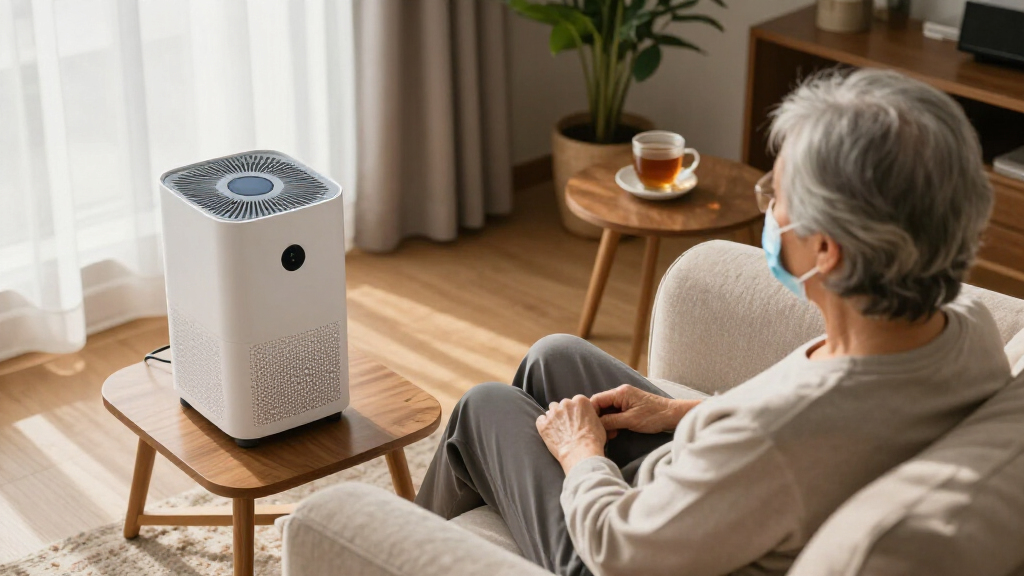
Health authorities have issued advisories urging vulnerable groups—such as children, the elderly, and those with respiratory conditions—to limit outdoor activities and wear protective masks when necessary. The government is also monitoring air quality continuously and has pledged to investigate the sources contributing to the elevated pollution levels.
Health Risks and Public Safety Concerns from Poor Air Quality
The recording of unhealthy air quality in 32 areas underscores ongoing environmental and public health challenges in Malaysia. Prolonged exposure to elevated PM2.5 levels can cause respiratory and cardiovascular issues, especially among vulnerable populations. This situation highlights the importance of effective pollution control measures and emergency response planning to protect public health and prevent long-term health consequences.
Products Worth Considering

Levoit Eleva 300X Air Purifier with Sealed HEPA Filtration

Blueair Signature SP1i Smart Air Purifier

LEVOIT Vital 200S-P Smart Air Purifier for Large Rooms, White
As an affiliate, we earn on qualifying purchases.
Recent Trends in Malaysian Air Pollution and Monitoring Efforts
Malaysia has faced recurrent air quality issues, often linked to haze from regional forest fires, industrial emissions, and urban pollution. Over the past year, monitoring agencies have reported fluctuating air quality levels, with spikes during certain seasons or weather conditions. The recent increase in areas with unhealthy levels aligns with historical patterns but also raises concerns about the effectiveness of current pollution mitigation strategies.
Environmental agencies regularly publish air quality index (AQI) reports, which serve as a basis for public advisories and policy responses. The recent data indicating 32 affected areas is among the higher counts in recent months, signaling a need for intensified efforts to address pollution sources.
Experts have pointed out that climate factors such as low wind speeds and dry conditions can exacerbate pollution levels, making air quality management more challenging during certain periods.
Sources and Causes of the Elevated Pollution Levels
It is not yet clear what specific sources are primarily responsible for the recent spike in air pollution across these 32 areas. While regional haze and industrial emissions are suspected contributors, detailed investigations are ongoing, and definitive causes have not been publicly confirmed.
Next Steps for Monitoring and Pollution Control Measures
Authorities plan to continue intensive air quality monitoring and conduct investigations into pollution sources. They may implement targeted measures such as restricting industrial activities or issuing further health advisories. Public health agencies will also likely increase awareness campaigns and prepare for potential future pollution episodes.
Key Questions
Which areas are most affected by the unhealthy air quality?
The specific locations have not been publicly detailed, but reports indicate that urban centers and industrial zones are among those experiencing the highest pollution levels.
What health risks are associated with prolonged exposure to poor air quality?
Prolonged exposure to high levels of PM2.5 can cause respiratory issues, cardiovascular problems, and aggravate existing health conditions. Vulnerable groups are at higher risk of adverse effects.
Are there any immediate measures residents should take?
Residents are advised to stay indoors when air quality is unhealthy, wear masks if outdoor activities are necessary, and follow health advisories issued by authorities.
Will the government implement new policies to reduce pollution?
While specific policy actions are not yet announced, authorities have indicated ongoing investigations and monitoring, which could lead to stricter emission controls or other measures.
When will the air quality improve?
The timeline for improvement depends on various factors, including weather conditions and pollution source control efforts. Continuous monitoring will provide updates on progress.
Source: local