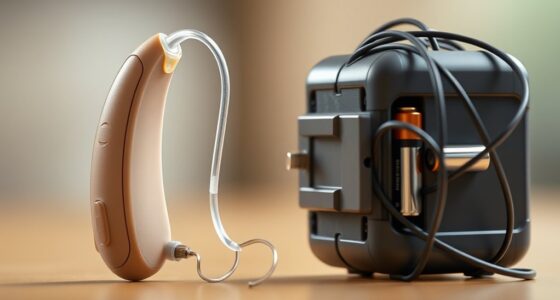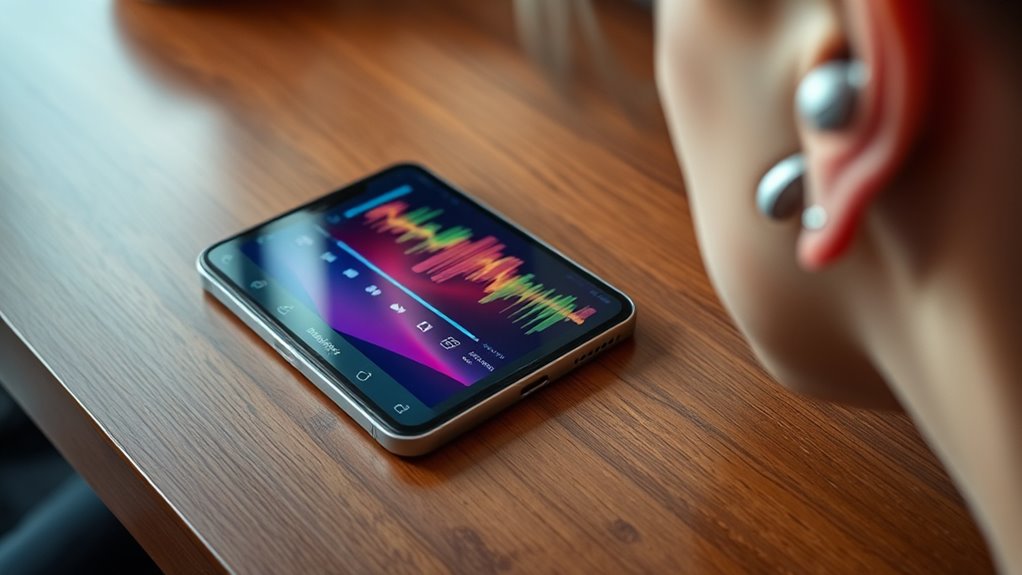

Smartphone apps can help manage mild to moderate hearing issues and act as temporary or situational solutions when traditional hearing aids aren’t practical. They offer convenience and affordability but aren’t a complete replacement, especially for severe hearing loss. Privacy concerns and compatibility problems may limit their effectiveness. If you want to understand when these apps work best and how to choose the right one, keep exploring the options available to you.
Key Takeaways
- Smartphone apps can assist with mild to moderate hearing issues but are generally not complete replacements for traditional hearing aids.
- These apps offer convenience and affordability but may face technical, connectivity, and privacy limitations.
- Effectiveness varies based on individual hearing loss severity and app features; professional care remains essential for severe cases.
- Accessibility challenges, especially for older adults or less tech-savvy users, can hinder app usability and effectiveness.
- Apps should complement, not replace, professional hearing assessments and treatment, considering privacy and personal needs.
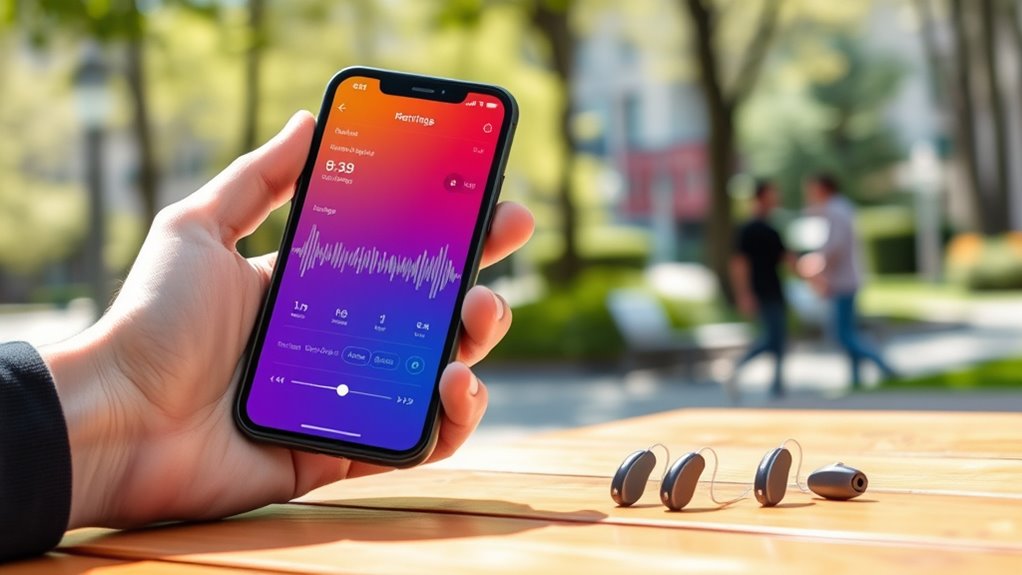
In today’s digital age, high-tech hearing apps are transforming the way people manage and improve their hearing health. These apps promise convenience, affordability, and accessibility, but they also come with important considerations. As you explore whether these smartphone solutions can replace traditional hearing aids, it’s essential to understand the potential challenges they pose, especially around privacy concerns and accessibility issues.
Privacy is a major concern when it comes to high-tech hearing apps. Many of these apps collect sensitive data, including your hearing patterns, environmental sounds, and personal information. This data often gets stored on servers or shared with third-party companies for analysis or marketing purposes. If you’re not careful, your private information could be exposed or misused, which might lead to privacy breaches or identity theft. It’s crucial to review the app’s privacy policies and ensure they prioritize data security before you start using them. Look for apps that use strong encryption and transparent data handling practices.
High-tech hearing apps collect sensitive data; review privacy policies and choose secure, transparent options to protect your information.
Accessibility issues are another hurdle. While these apps aim to make hearing assistance more widely available, they can sometimes fall short for certain users. For example, individuals with limited smartphone experience or older adults unfamiliar with app technology might find it challenging to navigate complex interfaces. Additionally, not all apps are compatible with every device or operating system, which can limit access for some users. If you have a hearing impairment that requires specialized features, you might find that some apps lack the necessary customization options or sound processing capabilities that traditional hearing aids provide. These limitations can hinder the app’s effectiveness and discourage continued use.
Moreover, high-tech hearing apps often rely heavily on your internet connection. Poor connectivity can lead to lag or audio quality issues, reducing the overall benefit. You might also encounter issues with background noise, which can interfere with the app’s ability to filter sounds accurately. For people living in rural or underserved areas, these connectivity and technical constraints can greatly restrict the app’s practicality. Additionally, some apps may not be compliant with regulations that safeguard user privacy and data security, which is an important factor to consider.
Despite these challenges, high-tech hearing apps are improving rapidly, and some are quite effective for mild to moderate hearing issues. They’re especially useful as temporary solutions or for situations where traditional hearing aids aren’t practical or affordable. However, they shouldn’t be seen as a complete replacement for professional hearing care. If you’re considering switching to an app-based solution, weigh the benefits against potential privacy risks and accessibility hurdles. Ultimately, you want a solution that’s both effective and aligned with your comfort level and privacy expectations.
Frequently Asked Questions
Are Hearing Apps Suitable for Severe Hearing Loss?
Hearing apps are generally not suitable for severe hearing loss, as their effectiveness is limited compared to traditional hearing aids. If you have severe hearing loss, you might find that apps don’t provide the clarity or amplification you need. You should consult an audiologist for personalized advice, since professional hearing aids are designed to address severe loss more effectively, ensuring you get the best possible sound quality and support.
How Do Hearing Apps Compare to Traditional Hearing Aids?
You might think hearing apps are just fun gadgets, but they actually compare surprisingly well to traditional hearing aids. They offer real-time language translation and customizable sound profiles, making listening more tailored to your needs. However, don’t forget that traditional aids often provide better amplification and durability. Apps are convenient and affordable, but for severe hearing loss, you may still need the specialized support that only classic hearing aids can offer.
Can Hearing Apps Be Used for Tinnitus Management?
Yes, hearing apps can help manage tinnitus through sound therapy and user customization. You can tailor the soundscapes to your specific needs, which may ease your tinnitus symptoms. While these apps may not replace professional treatment entirely, they offer a convenient, accessible way to incorporate sound therapy into your daily routine. Just remember, consulting an audiologist can guarantee you’re using the most effective approach for your tinnitus.
What Are the Privacy Concerns With Hearing Apps?
You should be aware that hearing apps raise privacy concerns related to data security and user privacy. When you use these apps, your personal hearing data and preferences might be collected, stored, or shared with third parties without clear consent. Always review the app’s privacy policy, verify it uses secure data encryption, and choose reputable developers to protect your sensitive information from potential breaches or misuse.
Are Hearing Apps Covered by Insurance or Healthcare Plans?
Most insurance coverage and healthcare plans don’t typically include hearing apps, as they’re often considered wellness tools rather than medical devices. You might find some exceptions if your plan covers hearing aids or related treatments, but generally, you’ll need to pay out-of-pocket. It’s a good idea to check with your provider directly to understand your coverage options and whether any specific apps are eligible for reimbursement.
Conclusion
While high-tech hearing apps are advancing rapidly, they can’t fully replace traditional hearing aids yet. These apps can enhance your hearing in certain situations, but they lack the specialized amplifiers and customization that professional devices offer. Research shows that although technology is improving, many users still prefer the reliability and effectiveness of hearing aids. So, while apps are a helpful supplement, don’t assume they’re a complete substitute for professional hearing solutions.