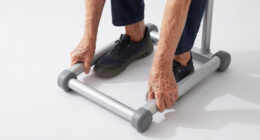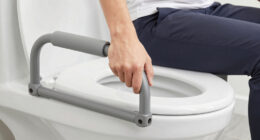
When supporting someone with sit-to-stand at home, make certain the environment is safe and free of obstacles. Use a firm but gentle grip, keep their back straight, and encourage them to push through their feet using leg muscles instead of their back. Communicate clearly, paying attention to any signs of discomfort or imbalance. Safety aids like grab bars or gait belts can help. If you keep these tips in mind, you’ll be better prepared to assist safely and confidently.
Key Takeaways
- Ensure a stable, obstacle-free environment and proper positioning for safe sit-to-stand transfers.
- Use appropriate body mechanics and assistive devices to support strength and safety.
- Communicate clearly and observe cues to adjust support and prevent falls.
- Employ safety measures like gait belts and grab bars, avoiding rushing during transfers.
- Tailor techniques to individual needs to promote independence and minimize injury risk.

Caregivers play a vital role in helping individuals regain independence through sit-to-stand support, which is essential for maintaining mobility and confidence. When assisting someone with this movement, your primary focus should be on providing effective mobility assistance while ensuring safety at every step. Understanding proper techniques and safety precautions can prevent falls and injuries, making the process smoother for both of you.
Start by positioning yourself correctly. Stand close to the person, with your feet shoulder-width apart to maintain balance. Encourage them to sit on the edge of the chair or bed, with their feet flat on the ground, and their knees bent at a 90-degree angle. Before initiating the movement, make sure the environment is clear of obstacles, and the surface they’re sitting on is stable. Clear pathways and remove tripping hazards to reduce the risk of accidents.
When helping with the sit-to-stand *shift*, use a firm but gentle grip—either under their arms or around their hips—depending on their mobility level. Keep your back straight and use your leg muscles, not your back, to lift. This technique not only protects your own body but also provides better support for the individual. Encourage them to lean forward slightly and push through their feet as they rise, which helps engage their leg muscles and makes the transfer more controlled. Incorporating proper body mechanics can enhance safety and efficiency during transfers. Additionally, understanding safe transfer techniques can help prevent unnecessary strain or injury. Employing assistive devices when necessary can further enhance safety and independence during transfers.
Throughout the process, communicate clearly and softly. Let them know what you’re about to do and ask for their cooperation. This not only builds trust but also helps them prepare mentally for the movement. Pay close attention to their cues—if they seem uncomfortable or unsteady, pause and reassess your technique. *Stability* is key; if they feel unbalanced, consider additional safety measures like using a gait belt or assistive devices such as a walker or grab bars. Being aware of individual needs can further tailor the support to ensure safety and comfort.
Safety precautions extend beyond the actual *shift*. Always check that the supporting surfaces are secure, and avoid rushing the process. If they’re weak or recovering from an injury, consider using transfer aids or seeking guidance from a healthcare professional. Proper techniques can significantly reduce the risk of injury during transfers. Your goal is to facilitate a smooth, controlled movement that promotes confidence and independence while minimizing risks. By mastering proper mobility assistance techniques and prioritizing safety precautions, you help your loved one regain their strength and independence safely and effectively.
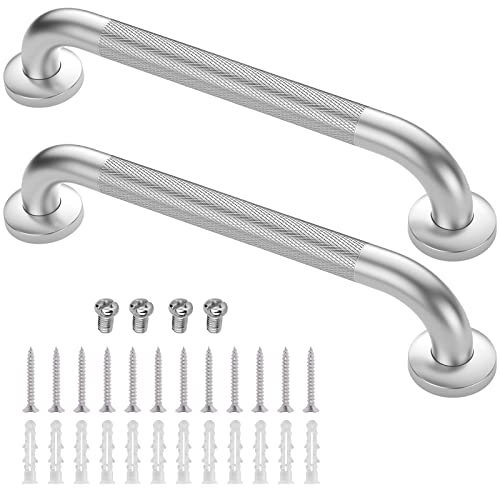
Grab Bars for Shower, 2 Pack 16 Inch Anti-Slip Safety Shower Handle for Senior, Stainless Steel Shower Grab Bars, Handicap Elderly Bathtub and Toilet Bathroom Assist
SUPERB MATERIAL: The shower grab bars for seniors is made of stainless steel which is waterproof, rustproof and…
As an affiliate, we earn on qualifying purchases.
As an affiliate, we earn on qualifying purchases.
Frequently Asked Questions
How Do I Determine if Sit-To-Stand Support Is Suitable for My Loved One?
To determine if sit-to-stand support is suitable, assess your loved one’s mobility and balance. Consult with a healthcare professional for personalized advice. When choosing equipment, prioritize stability, height adjustability, and ease of use. Always follow safety precautions, like ensuring the support is secure and on a non-slip surface. If your loved one can perform most tasks safely with assistance, sit-to-stand support could greatly improve their independence and safety at home.
What Are Common Signs That Sit-To-Stand Devices Are Not Working Properly?
You might notice the sit-to-stand device isn’t working properly if your loved one feels discomfort or if the device seems incompatible with their needs. Signs include instability, difficulty adjusting, or increased effort during transfers. Keep an eye on device compatibility and user comfort—if they’re compromised, it’s time to check for issues or seek professional advice to guarantee safe, effective support at home.
How Can I Train Family Members to Assist With Sit-To-Stand Transfers Safely?
You can train family members by demonstrating proper techniques training for sit-to-stand transfers and emphasizing safety protocols. Show them how to position themselves, support the person’s weight correctly, and communicate clearly throughout the process. Practice these techniques regularly, provide feedback, and guarantee they understand how to prevent falls or injuries. Reinforce safety protocols like using proper body mechanics and staying alert, creating a safe environment for everyone involved.
Are There Specific Brands or Models of Sit-To-Stand Support Recommended?
Choosing a sit-to-stand support is like finding a trusted friend—you want reliable, easy-to-use options. Brands like Stander and Vive often come up in comparisons, and reading user reviews helps you see real experiences. Look for sturdy construction, adjustable height, and weight capacity. Ultimately, select a model that fits your loved one’s needs and your budget, ensuring safe, confident transfers every time.
What Maintenance Is Required to Ensure the Device Functions Correctly Over Time?
To keep the sit-to-stand device working well, you should regularly clean it with a damp cloth to prevent dirt buildup and check for loose parts. Don’t forget to perform battery maintenance by charging it as recommended and replacing batteries when they no longer hold a charge. Regular inspections and proper cleaning help guarantee the device functions safely and reliably, giving you peace of mind when supporting your loved one.

Vive Gait Belt (300lbs) Transfer Belt with Handles – Medical Nursing Safety Patient Assist – Bariatric, Elderly, Handicap, Physical Therapy – PT Gate Strap Quick Release Metal Buckle, Grabbing Teeth
EASY MOVEMENT & TRANSFERS FROM A TRUSTED BRAND: Safely assist patients or loved ones with ease using our…
As an affiliate, we earn on qualifying purchases.
As an affiliate, we earn on qualifying purchases.
Conclusion
As you assist with sit-to-stand support, remember you’re not just helping with movement; you’re fostering independence and confidence. Imagine the difference between a hesitant, unsure person and one who rises with strength and dignity—your support makes that possible. By being patient and attentive, you create a safe space where mobility improves and spirits lift. In this quiet act of care, you’re empowering someone to face each day with renewed hope and resilience.

Vive Mobility Sit to Stand Patient Lift for Handicapped – Stand Assist Lift Aid for Home Care Use – Elderly Lift Assist Transfer Device – Transport Chair Stand Assist for Seniors, Adults & Disabled
EASILY TRANSFER & LIFT PATIENTS: Designed to help transfer patients who can stand enough to support 60-70% of…
As an affiliate, we earn on qualifying purchases.
As an affiliate, we earn on qualifying purchases.

Vive Car Handle Assist for Elderly – Scratch Proof Latch – Auto Grab Bar Cane Support Aid – Standing Mobility Safety Tip to Help Get Out – Portable Assistive Device for Seniors, Handicapped
EASILY EXIT VEHICLE: Providing stabilizing assistance, the Vive Car Assist Handle allows you to exit your car, truck…
As an affiliate, we earn on qualifying purchases.
As an affiliate, we earn on qualifying purchases.