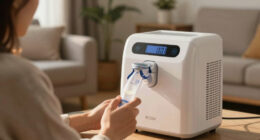

To keep your parents safe at home from afar, set up reliable technology like remote sensors, wearable alerts, and smart home devices for easy monitoring. Maintain open communication by scheduling regular calls and video chats, and encourage honest conversations. Arrange local support through community resources, visiting professionals, or trusted neighbors. Make safety modifications around the house, watch for early signs of health issues, and build a strong support network. Exploring these strategies further can help you provide confident, ongoing care.
Key Takeaways
- Establish regular communication through calls, video chats, and smart devices to monitor well-being and maintain trust.
- Install remote sensors, wearable alerts, and smart home systems to detect falls, movement, and safety hazards promptly.
- Build a support network with community resources, neighbors, and family members for consistent assistance and oversight.
- Regularly review health, medication management, and home safety modifications to prevent accidents and address concerns early.
- Foster open, honest conversations and a trusting environment to encourage Mom and Dad to share safety or health issues freely.
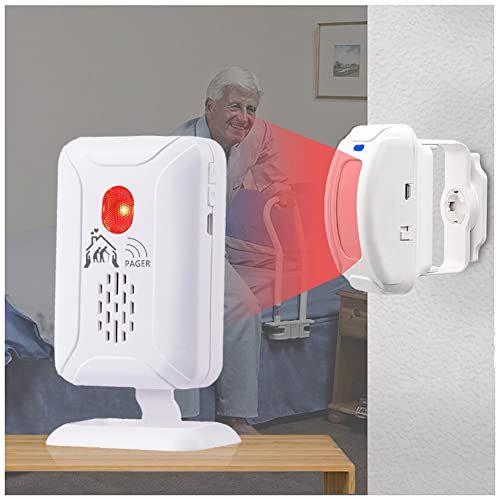
Upgraded Version Bed Sensor Alarm and Fall Prevention for Elderly/Dementia and More,Caregiver Pager Motion Sensor Alert with 5 Volume Level,Bed Alarm for Elderly Adults Wireless
Easy to monitor loved ones getting out of bed or leaving the room,Wireless motion sensors can be placed…
As an affiliate, we earn on qualifying purchases.
As an affiliate, we earn on qualifying purchases.
Utilizing Technology for Remote Monitoring

Technology has made it easier than ever to keep an eye on loved ones from afar. Wearable alerts are a great way to monitor your parents’ safety, providing immediate notifications if they fall or need help. These devices are discreet, comfortable, and easy to use, giving you peace of mind without intruding on their daily lives. Remote sensors are another valuable tool—they can detect movement, monitor temperature, or alert you if a door opens unexpectedly. With these technologies, you can stay informed about your loved ones’ well-being in real-time, even when you’re miles away. Caregiver support and training can also enhance your ability to effectively use these tools and respond appropriately. By integrating wearable alerts and remote sensors into their routine, you can respond quickly and ensure they stay safe and secure at home. Incorporating home safety practices can further improve overall security and detection of potential hazards. Additionally, understanding the thermal behavior of these devices can help you optimize their placement and functionality for maximum safety. Regularly reviewing device battery life and functionality ensures continuous protection without interruptions. Being aware of device placement and how environmental factors influence performance can also help maximize their effectiveness.

PILSAMAS WiFi Caregiver Pager Smart Call System – Display Caller ID & App Alerts, No Monthly Fee, IP65 Waterproof Wristband + 2 Call Buttons, Emergency Alert Button for Elderly at Home & Nursing Care
Wi-Fi Smart Hub & 328ft Range: HUB connects to 2.4G Wi-Fi (not 5G) for global APP access. 3…
As an affiliate, we earn on qualifying purchases.
As an affiliate, we earn on qualifying purchases.
Establishing Open Communication Channels

Establishing open communication channels is essential for ensuring your loved one’s safety and well-being. Setting up a regular check-in schedule helps you stay connected and informed about your loved one’s well-being. Using reliable communication tools makes it easy to stay in touch, no matter the distance. Encourage honest conversations so you can address concerns openly and build trust. Incorporating regular communication channels can further strengthen your connection and ensure ongoing support. Additionally, choosing appropriate technology can help tailor your communication methods to your loved one’s comfort and familiarity. Managing document organization effectively can also ensure that important health and safety information is readily accessible when needed, especially considering privacy policies that protect your loved one’s personal data. Being aware of home safety protocols can further help you coordinate care and respond promptly to any emergencies.
Regular Check-In Schedule
Establishing a regular check-in schedule is essential for maintaining open communication with your loved one from afar. Consistent calls or visits help you stay updated on their daily routines, including meal planning and emergency preparedness. During check-ins, ask about their grocery needs, preferences, and any challenges they face in preparing meals. Also, discuss their emergency plans, ensuring they know how to respond if something happens. Regular contact builds trust and reassures both of you that their needs are being met. Set specific days and times that work for both of you, and stick to them as much as possible. This routine encourages open dialogue, making it easier to address concerns early and maintain your loved one’s safety and independence at home. Paying attention to their grocery shopping strategies can also help in managing costs and ensuring they have essentials. Incorporating biodiversity basics into your conversations, such as encouraging the planting of native species or creating small habitats, can support their understanding of environmental well-being and promote sustainable practices at home. Additionally, discussing home safety measures regularly can help identify potential hazards and ensure the environment remains secure for their daily activities. Regular check-ins also provide an opportunity to introduce new safety technology that could enhance their security and peace of mind.
Use of Communication Tools
How can you guarantee smooth and reliable communication with your loved one from afar? Using communication tools is key. Invest in a smart home system that allows you to monitor and interact with their environment easily. Voice-activated devices or video calls help maintain a personal connection, ensuring you stay updated on their well-being. Set up emergency alerts that instantly notify you if something’s wrong, like a fall or a medical emergency. These tools create a safety net, giving both you and your loved one peace of mind. Make sure your loved one is comfortable with the technology, providing simple instructions and ongoing support. Consistent use of these communication tools builds trust and ensures you’re always in the loop, no matter the distance. Incorporating local automation can help tailor the environment to their needs, further enhancing safety and comfort. Utilizing trusted technology can also reduce the risk of technical issues, ensuring reliable communication at all times. Additionally, choosing user-friendly devices encourages regular use and minimizes frustration for your loved one. Incorporating reliable technology from reputable providers can help prevent unexpected failures, maintaining consistent communication. To further improve dependability, selecting robust communication platforms can enhance overall stability and security.
Encourage Honest Conversations
Creating a foundation of trust starts with encouraging honest conversations with your loved one. When you foster emotional openness, your loved one feels safe sharing concerns and needs without fear of judgment. Ask open-ended questions and listen actively, showing genuine interest in their well-being. This trust-building approach helps break down barriers, making it easier for them to discuss health issues or safety concerns early on. Be patient and respectful, allowing your loved one to express themselves at their own pace. Consistently maintaining open communication channels not only strengthens your relationship but also ensures you stay informed about their situation. Remember, honest conversations create a supportive environment where your loved one feels valued, secure, and confident in sharing their true feelings.

WiFi Wireless Alarm System for Home Security – 24/7 Protection Smart Home Devices 4.3" Touch Screen, GSM/4G+WiFi, App Instant Alerts, No Monthly Fee, Alexa Compatible for Villa, Kids Safety (24 pcs)
𝐃𝐮𝐚𝐥 𝐖𝐢𝐅𝐢 + 𝟒𝐆 𝐒𝐞𝐜𝐮𝐫𝐢𝐭𝐲: Equipped with a 2.4GHz WiFi and 2G/4G connection (5G not supported), this home…
As an affiliate, we earn on qualifying purchases.
As an affiliate, we earn on qualifying purchases.
Conducting Regular Check-ins and Visits

Regular check-ins and visits are essential for maintaining a strong connection with your loved one despite the distance. They demonstrate caregiver empathy and show you genuinely care about their well-being. Establishing a consistent visiting frequency helps build trust and reassures them that you’re attentive to their needs. When planning visits, consider:
Regular check-ins strengthen bonds and show genuine care for your loved one’s well-being.
- Balancing your schedule to maintain regular contact
- Using technology for daily check-ins between visits
- Listening actively to their concerns
- Being attentive to changes in their health or mood
- Recognizing the importance of consistent engagement in promoting safety and emotional support. Regular communication also helps you stay informed about any signs of illness or distress that may require prompt attention. Additionally, understanding the horsepower of electric dirt bikes can be useful if your loved one enjoys outdoor activities or off-road adventures, ensuring they have suitable and safe equipment. These actions foster a sense of security and reduce feelings of isolation. Consistency in your check-ins ensures your loved one feels supported and cared for, even from afar. Incorporating remote health monitoring devices can further enhance their safety and peace of mind. Moreover, staying informed about latest safety technology can help you select the best tools for their protection.
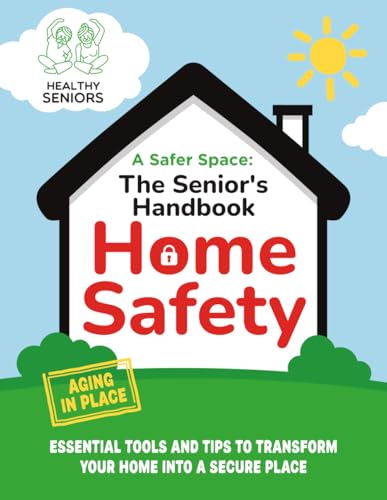
A Safer Space: The Senior’s Handbook for Home Safety: Essential Tools and Tips to Transform Your Home into a Secure Place
As an affiliate, we earn on qualifying purchases.
As an affiliate, we earn on qualifying purchases.
Coordinating Local Support Services

Coordinating local support services is an essential step in ensuring your loved one receives thorough care. By connecting with community resources, you can access services that improve home safety, such as home health aides, transportation, or meal delivery. Reach out to local agencies, senior centers, and healthcare providers to understand what’s available. Establish a network of support that can be activated as needed, ensuring your loved one’s environment remains safe and well-maintained. Keep detailed contact information and schedules of services to stay organized. Collaborating with neighbors or trusted friends can also fill gaps in care. Additionally, understanding home safety tips can help prevent accidents and promote independence. Ultimately, coordinating these resources helps create a safety net, giving you peace of mind and ensuring your loved one’s needs are met effectively at home.
Recognizing Early Signs of Health or Safety Concerns

Once you’ve established support services for your loved one, staying alert to changes in their health and safety is essential. Watch for subtle signs like decreased interest in daily activities, mood swings, or confusion, which may indicate mental health issues. Regularly review medication management to ensure prescriptions are taken correctly and no side effects are overlooked. Pay attention to physical cues such as unsteady gait, poor hygiene, or unexplained injuries. Changes in communication patterns or social withdrawal can also signal emerging concerns. To stay proactive, consider tracking these signs:
- Sudden mood or behavioral shifts
- Forgetfulness or disorientation
- Neglect of personal hygiene
- Difficulty managing medications
Recognizing these early signs helps you intervene promptly, safeguarding their well-being from afar.
Creating a Safe and Accessible Home Environment
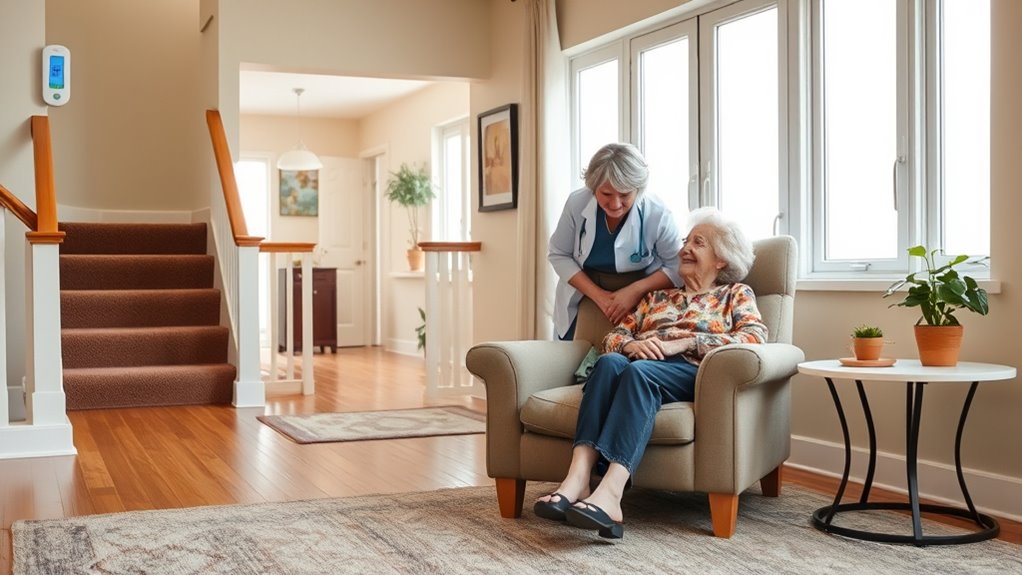
Creating a safe and accessible home environment is essential to support your loved one’s independence and reduce the risk of accidents. Start by evaluating home safety, looking for hazards like loose rugs, clutter, or poor lighting. Installing grab bars in bathrooms and handrails on stairs can prevent falls. Consider mobility aids such as walkers, canes, or stair lifts to enhance stability and ease movement. Clear pathways and keep essential items within easy reach to minimize strain and frustration. Regularly review the space for potential dangers and make adjustments as needed. Creating a safe environment not only protects your loved one but also helps them maintain as much independence as possible, giving both of you peace of mind.
Building a Support Network of Family and Community

Building a support network of family and community is essential to guarantee your loved one receives thorough care. Engaging with neighbors, friends, and local organizations creates a safety net that extends beyond medical needs. Community engagement fosters trust and ensures someone is always available to check in or assist with daily tasks. Volunteer programs are excellent resources, offering companionship, transportation, and practical support. Consider establishing a rotating schedule of family members or friends to stay connected and monitor well-being. Connecting with local senior centers or faith-based groups can also provide additional resources and social opportunities. By building this network, you make certain your loved one remains safe, engaged, and supported, even from afar. A strong community reduces feelings of isolation and enhances overall quality of life.
Frequently Asked Questions
How Can I Balance Privacy Concerns With Safety Monitoring?
To balance privacy concerns with safety monitoring, you should discuss monitoring boundaries openly with your parents, respecting their privacy while ensuring their safety. Use transparent communication to establish clear boundaries, such as only monitoring during certain hours or for specific issues. Involve them in decisions about the level of monitoring, so they feel empowered, and choose discreet, non-intrusive tools that maintain their independence without infringing on their privacy.
What Legal Considerations Should I Be Aware of in Caregiving?
You should prioritize legal considerations like setting up a power of attorney and advance directives early on, so you’re prepared if your loved one can’t make decisions. Some might worry about overstepping, but these tools safeguard their wishes and ensure your actions align with their preferences. Review local laws and consult an attorney to make sure everything’s in place, giving you peace of mind while respecting their autonomy.
How Do I Handle Emergencies When I’M Far Away?
When emergencies happen, stay calm and prioritize emergency communication. Make sure your parents know how to reach local emergency services and establish a quick call plan. Keep a remote first aid kit accessible, and consider providing them with basic first aid instructions. Regularly check in, and verify neighbors or nearby friends have your contact info. Staying proactive helps you manage emergencies effectively, even from afar.
What Are Cost-Effective Options for Long-Term Remote Caregiving?
To keep caregiving affordable, you should leverage affordable technology like medical alert systems, remote monitoring devices, and medication management apps. Engaging community support through local senior centers, volunteer programs, or neighborhood networks also helps reduce costs and provides additional safety. These options allow you to monitor your parents’ well-being effectively without breaking the bank, giving you peace of mind while staying within your budget.
How Can I Involve Mom and Dad in Decision-Making?
Have you ever seen a team work together seamlessly? You can make that happen with your parents by fostering open family communication and shared decision making. Ask for their opinions, listen actively, and involve them in planning. By respecting their preferences and encouraging honest conversations, you empower them to feel valued and in control, creating a collaborative environment where everyone’s needs are addressed and decisions are truly shared.
Conclusion
With over 34 million Americans providing long-distance care, staying connected and proactive is vital. By leveraging technology, maintaining open communication, and building a strong support network, you can help guarantee your parents stay safe and healthy at home. Regular check-ins and recognizing early warning signs make a significant difference. Remember, your involvement not only provides peace of mind but also fosters their independence and well-being, demonstrating that caring from afar is both possible and impactful.