
To improve your grip, focus on exercises like squeezing grip trainers, using stress or tennis balls for static holds, and performing finger and wrist movements such as extensions and rolls. You can also incorporate tools like hand grippers, therapy putty, and grip balls to build strength and endurance. Consistency matters—practice daily with gradually increased resistance. Keep going, and you’ll develop a stronger, more resilient grip that benefits everyday tasks and athletic performance.
Open a free Amazon Business account
Business pricing, bulk buying and tax-exempt orders.
As an affiliate, we earn on qualifying purchases.
Key Takeaways
- Utilize adjustable hand grippers and grip trainers to gradually increase resistance and build overall grip strength.
- Incorporate static holds with stress balls or tennis balls to enhance grip endurance and stamina.
- Perform finger exercises like pinching, finger presses, and manipulation of small objects to improve fine motor control.
- Combine dynamic movements such as wrist rolls and finger stretches with static holds for comprehensive hand development.
- Practice daily for a few minutes, focusing on proper form and gradual resistance increases to optimize grip improvement.
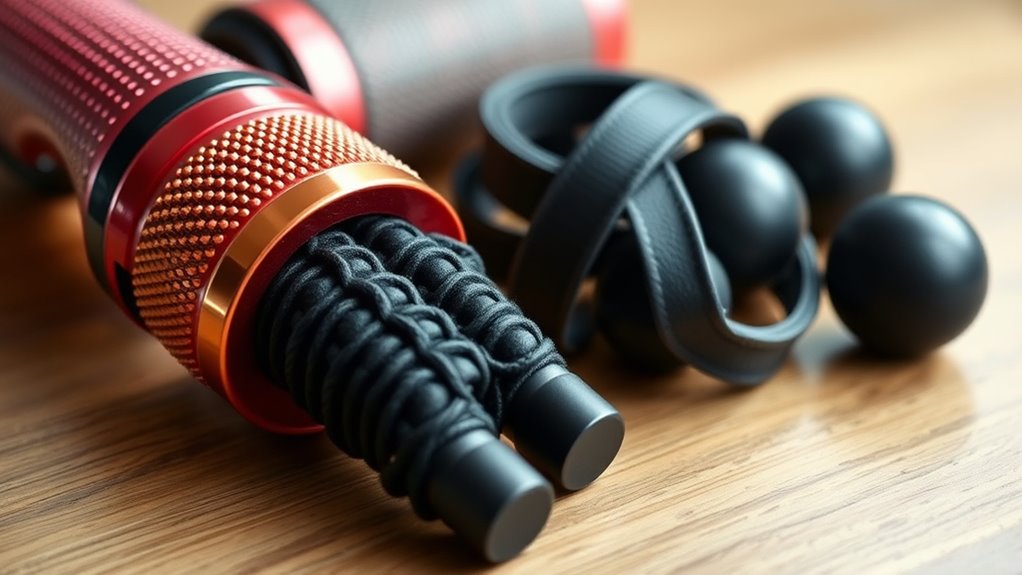
Having strong hand grip is vital for daily tasks and athletic performance, yet many people overlook the importance of dedicated exercises and tools to enhance it. Building grip endurance isn’t just about squeezing harder; it’s about training your muscles to sustain force over time. When you focus on improving grip endurance, you enable yourself to hold onto objects longer, whether you’re carrying groceries, swinging a tennis racket, or gripping a barbell during weightlifting. This kind of training also benefits hand dexterity, which is essential for fine motor skills like writing, typing, or playing musical instruments. The key is incorporating exercises that challenge your grip in various ways, pushing both your strength and stamina.
Strong grip is essential for daily tasks and sports; train your muscles to sustain force and improve dexterity for better performance.
One effective way to boost grip endurance is by using grip trainers, such as hand grippers with adjustable resistance. These tools allow you to perform controlled repetitions, gradually increasing resistance as your strength improves. Consistent use trains your hand muscles to sustain tension without fatigue, which directly translates to better endurance in everyday tasks and sports. Additionally, incorporating static holds—like squeezing a tennis ball or a stress ball and holding for as long as possible—can markedly improve your grip stamina. These exercises force your muscles to work over extended periods, enhancing their ability to maintain force.
Improving hand dexterity goes hand-in-hand with grip endurance. You can do this through targeted movements that involve precise finger control, such as finger extensions, pinching exercises, or manipulating small objects like coins or beads. Using tools like therapy putty or grip balls can help refine your finger strength and coordination. These exercises stimulate fine motor muscles, making your hands more agile and responsive. When your hand muscles are both strong and dexterous, performing complex manual tasks becomes easier and less fatiguing.
Furthermore, understanding the importance of color accuracy and how it affects the visual experience can motivate you to choose the right tools for your needs. When your hand muscles are both strong and dexterous, performing complex manual tasks becomes easier and less fatiguing. When your hand muscles are both strong and dexterous, performing complex manual tasks becomes easier and less fatiguing.
To maximize your results, incorporate a mix of dynamic and static exercises into your routine. Dynamic movements, like wrist rolls or finger presses, build overall strength, while static holds improve endurance and dexterity. Remember, consistency is key. Just a few minutes daily can lead to noticeable improvements over time. Focus on proper form and avoid overexertion to prevent injury. As your grip capacity grows, you’ll notice enhanced performance in sports, better control during manual work, and reduced fatigue in daily activities. Strengthening your hands isn’t just about lifting more weight—it’s about developing a resilient, flexible grip that supports all aspects of daily life and athletic pursuits.
As an affiliate, we earn on qualifying purchases.
Frequently Asked Questions
How Often Should I Perform Hand Strength Exercises for Optimal Results?
You should perform hand strength exercises about three times a week for ideal results. This exercise frequency allows your muscles to recover and grow stronger without overtraining. Incorporate a mix of grip exercises, squeezing tools, and finger extensions into your routine. Stick to this optimal workout routine consistently, and you’ll notice improved grip strength and hand endurance over time. Remember to listen to your body and avoid pushing through pain.
Are There Any Risks or Injuries Associated With Hand Grip Training?
Yes, there are risks like overuse injuries and joint strain if you push too hard or train excessively. To avoid these, listen to your body, take rest days, and gradually increase intensity. Proper technique and using appropriate tools also help prevent strain. If you experience pain or discomfort, stop immediately and consult a healthcare professional to prevent long-term damage.
Can Hand Exercises Help Prevent Conditions Like Arthritis?
Yes, hand exercises can help support hand joint health and aid in arthritis prevention. Regularly strengthening your hand muscles improves flexibility and circulation, reducing stiffness and joint pain. By maintaining good hand strength, you can potentially delay arthritis symptoms and improve overall hand function. Incorporate simple exercises like squeezing a stress ball or finger stretches into your routine to help keep your hands healthy and resilient.
What Are the Best Tools for Beginners to Start With?
Did you know that improving grip strength can boost your overall hand health? For beginners, the best tools to start with are grip trainers and hand grippers—they’re affordable and easy to use. These beginner tools help build strength gradually, preventing injury while enhancing your grip. Incorporate them into your routine, and you’ll notice improvements faster. Focus on consistent practice, and your grip strength will grow stronger over time.
How Long Does It Take to Notice Improvements in Grip Strength?
You may notice improvements in grip strength within a few weeks if you stay consistent with your exercises. Tracking your progress helps you stay motivated and see how your grip improves over time. Typically, with regular exercise, most people see noticeable gains in 4 to 6 weeks. Remember, consistency is key; stick to your routine, and you’ll gradually build stronger grip strength.
As an affiliate, we earn on qualifying purchases.
Conclusion
By incorporating these hand strength exercises and tools into your routine, you’ll feel your grip tighten like a powerful vine wrapping around a sturdy branch. With each squeeze and stretch, imagine your fingers gripping tighter, building resilience and confidence. Over time, your grip becomes a steady anchor, ready to seize opportunities and conquer challenges. Keep forging ahead, and watch your hand strength grow stronger, supporting every move you make with unwavering control.
therapy putty for hand rehabilitation
As an affiliate, we earn on qualifying purchases.
As an affiliate, we earn on qualifying purchases.
hand grippers with resistance levels
As an affiliate, we earn on qualifying purchases.
As an affiliate, we earn on qualifying purchases.
NFL season / tailgating Picks
team gear
As an affiliate, we earn on qualifying purchases.