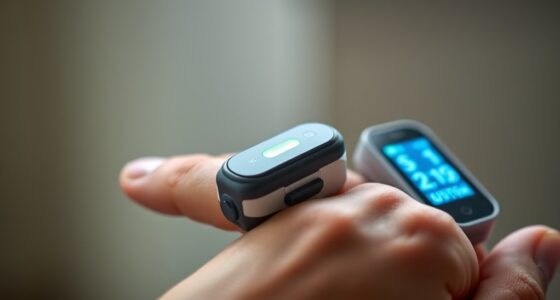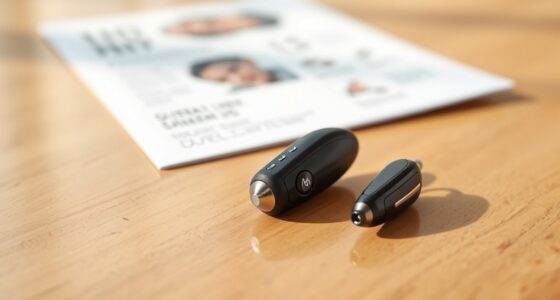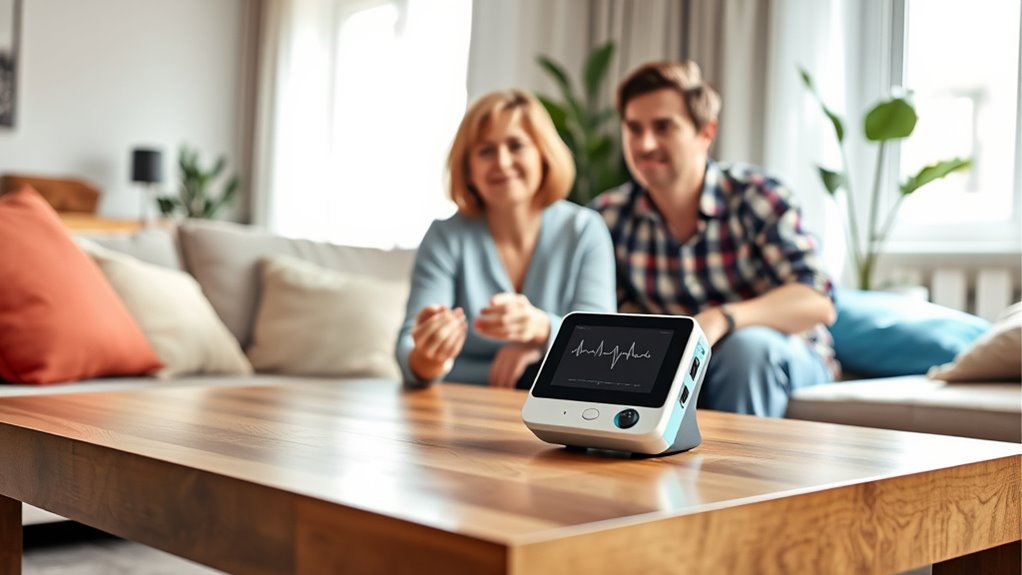

Home ECG devices let you monitor your heart health easily and regularly, catching irregularities early and giving you more control over your well-being. They allow quick data sharing with your doctor, helping you get timely advice and avoid unnecessary clinic visits. If you have heart issues like arrhythmias or are at risk for cardiovascular problems, these devices are especially valuable. Keep going to find out more about how these gadgets can make a difference in your health journey.
Key Takeaways
- Enable regular, convenient heart monitoring at home for early detection of irregular rhythms and heart issues.
- Allow real-time ECG data sharing with healthcare providers for faster diagnosis and timely intervention.
- Empower users to understand and manage their heart health, encouraging healthier lifestyle choices.
- Offer user-friendly interfaces suitable for all, making complex cardiac monitoring accessible outside clinical settings.
- Ideal for individuals with arrhythmias, risk factors, or ongoing heart conditions seeking continuous, remote health management.

Home ECG devices offer a convenient way to monitor your heart health regularly without visiting a doctor’s office. With these devices, you can keep a close eye on your heart rhythm and detect irregularities early, which is essential for preventing serious health issues. One of the standout benefits is remote monitoring. Instead of waiting for scheduled appointments or emergency visits, you can transmit your ECG data directly to your healthcare provider from the comfort of your home. This real-time sharing allows your doctor to review your heart activity more frequently and accurately, leading to quicker diagnoses and timely interventions. Remote monitoring also reduces the need for frequent in-clinic visits, saving you time and making ongoing care more manageable.
Another significant advantage is patient empowerment. When you have access to your ECG readings, you take an active role in managing your heart health. This knowledge fosters a sense of control and confidence, encouraging you to make healthier lifestyle choices, such as improved diet, exercise, or medication adherence. Being able to see your heart’s activity firsthand helps you understand your condition better, making you more engaged and proactive in your overall wellness. Furthermore, many home ECG devices come with user-friendly interfaces and apps that guide you through the process, simplifying what used to be a complex medical task. This ease of use means that even those with limited technical skills can confidently operate the device and interpret their data.
Home ECG devices are especially useful for individuals with known heart issues, such as arrhythmias or atrial fibrillation, who need frequent monitoring. They’re also beneficial for those at risk of cardiovascular disease, providing peace of mind and early detection if problems arise. Even healthy individuals can benefit by establishing a baseline for their heart health, giving them reassurance and valuable insights into their cardiac function over time. Incorporating expert voice actors into educational materials about these devices can help improve understanding and encourage adoption among diverse audiences.
Frequently Asked Questions
How Accurate Are Home ECG Devices Compared to Hospital Equipment?
Home ECG devices are quite accurate, but their precision depends on proper device calibration and your user proficiency. If you follow setup instructions carefully and learn how to operate the device correctly, you can get reliable results comparable to hospital equipment. However, inaccuracies can occur if the device isn’t calibrated properly or if you’re unsure how to use it. Regularly updating your device and practicing proper technique helps guarantee accurate readings.
Can Home ECG Devices Detect All Types of Heart Conditions?
Home ECG devices can’t detect all types of heart conditions because of device limitations. They are effective for identifying common issues like arrhythmias, but may miss more complex or subtle problems. You should not rely solely on these devices for extensive heart condition detection. Regular check-ups with a healthcare professional are essential, especially if you have risk factors or symptoms. Always consult your doctor for a thorough diagnosis.
What Is the Cost Difference Between Various Home ECG Models?
You’ll find that the cost difference between home ECG models varies widely, often due to feature differences and brand reputation. In a price comparison, basic models can start around $50, while advanced devices with more features may cost up to $300 or more. Consider what features you need, like Bluetooth connectivity or detailed reports, to guarantee you choose a device that fits your budget and health monitoring needs effectively.
Are There Any Legal or Privacy Concerns With Using Home ECG Devices?
You should be aware that using home ECG devices raises legal and privacy concerns, especially regarding data security and legal compliance. Guarantee the device’s manufacturer follows strict data protection laws to keep your health information safe. Always read privacy policies and understand how your data is stored and shared. Staying informed helps you protect your privacy while enjoying the convenience of home ECG monitoring.
How Often Should I Use a Home ECG Device for Optimal Monitoring?
Think of monitoring frequency as your heartbeat’s rhythm—consistent yet adaptable. For ideal monitoring, follow usage guidelines provided with your device, typically measuring once daily or as advised by your healthcare provider. If you’re managing a condition or experiencing symptoms, more frequent checks might be necessary. Always listen to your body and consult your doctor to tailor the monitoring schedule, ensuring you stay in tune with your heart’s health.
Conclusion
In the end, home ECG devices offer you a simple way to stay on top of your heart health, providing quick insights anytime you need them. They’re convenient, easy to use, and can even alert you to potential issues before symptoms appear. So, why not take control of your well-being today? Isn’t it worth having peace of mind knowing you’re monitoring your heart regularly? Embrace this tech and prioritize your health effortlessly.