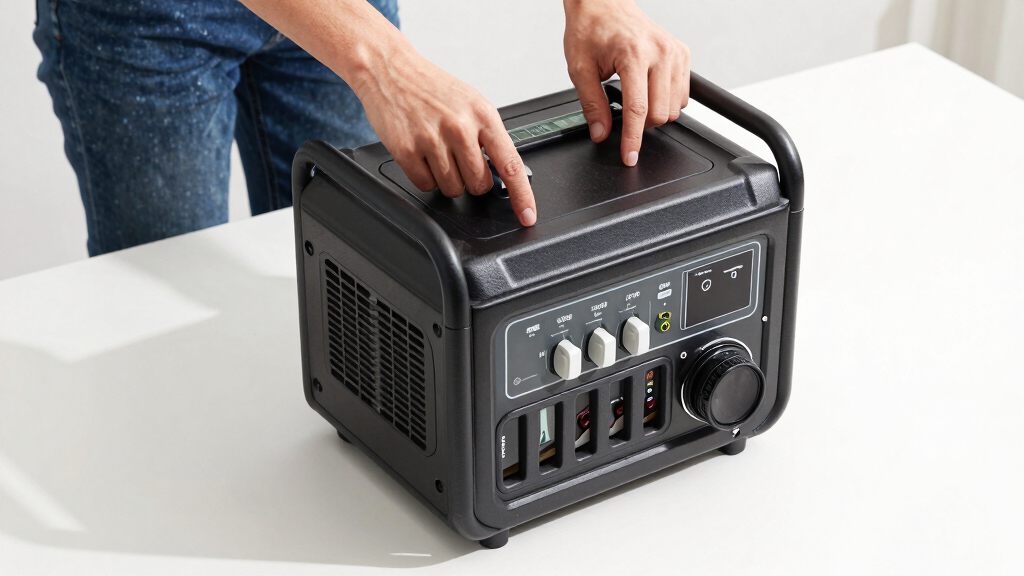
When selecting a generator for home medical equipment, reliability, quiet operation, and fuel efficiency are key factors. The Anker SOLIX C1000 stands out as the best overall due to its portability and large battery capacity, making it ideal for backup power during outages. The Westinghouse 12500 Watt Dual Fuel Generator offers robust power for larger medical setups, while the Champion 4000-Watt Inverter provides quiet, easy operation perfect for sensitive devices. Buyers often face tradeoffs between size, noise levels, fuel type, and cost. Continue reading for a detailed comparison to find the best fit for your needs.
Key Takeaways
- The best generators balance power output with portability for home medical use.
- Dual-fuel options provide flexibility but can be more expensive and heavier.
- Quiet operation is essential for medical equipment to prevent disruptions and ensure comfort.
- Battery-powered options like portable power stations offer clean energy without noise or emissions.
- Price differences often reflect build quality, fuel versatility, and convenience features.
| Anker SOLIX C1000 Gen 2 Portable Power Station, 2000W (Peak 3000W), 1024Wh LiFePO4 Battery, Solar Generator |  | Best Overall for Versatile Portable Power | Battery Capacity: 1024Wh | Power Output: 2000W (3000W peak) | Recharge Time: 49 minutes | VIEW LATEST PRICE | See Our Full Breakdown |
| Champion Power Equipment 4000-Watt RV Ready Portable Inverter Generator with Quiet Technology and CO Shield |  | Best for Lightweight, Quiet Mobile Power | Weight: Less than 49 pounds | Starting Watts: 4000 | Running Watts: 3000 | VIEW LATEST PRICE | See Our Full Breakdown |
| Westinghouse 12500 Watt Dual Fuel Home Backup Portable Generator with Remote Electric Start |  | Best for Powerful Dual-Fuel Home Backup | Peak Watts: 12500 | Running Watts: 9500 | Fuel Tank Capacity: 6.6 gallons | VIEW LATEST PRICE | See Our Full Breakdown |
| Westinghouse 14500 Peak Watt Tri-Fuel Portable Generator with Remote Electric Start |  | Best for Extended Runtime and Fuel Flexibility | Peak Watts: 14,500 | Running Watts: 11,500 (gasoline) | Fuel Types: Gasoline, Propane, Natural Gas | VIEW LATEST PRICE | See Our Full Breakdown |
| Westinghouse 12500 Peak Watt Tri-Fuel Portable Generator with Remote Electric Start |  | Best for Versatile Power with Remote Convenience | Peak Watts: 12,500 | Running Watts: 9,500 | Fuel Tank Capacity: 6.6 gallons | VIEW LATEST PRICE | See Our Full Breakdown |
| WEN 6800-Watt Dual Fuel RV-Ready Inverter Generator with Electric Start and CO Watchdog |  | Best for Sensitive Electronics and Portability | Engine Displacement: 224cc | Power Output (Gasoline): 6800 surge watts, 5100 rated watts | Power Output (Propane): 6000 surge watts, 4500 rated watts | VIEW LATEST PRICE | See Our Full Breakdown |
| Westinghouse 11000 Peak Watt Dual Fuel Portable Inverter Generator with Remote Electric Start and CO Sensor |  | Best for High Power and Long Runtime | Peak Watts: 11,000 | Running Watts (Gasoline): 9,000 | Running Watts (Propane): 8,100 | VIEW LATEST PRICE | See Our Full Breakdown |
More Details on Our Top Picks
Anker SOLIX C1000 Gen 2 Portable Power Station, 2000W (Peak 3000W), 1024Wh LiFePO4 Battery, Solar Generator
The Anker SOLIX C1000 Gen 2 stands out for its impressive balance of power and portability, making it suitable for home medical equipment during outages or outdoor use. Compared with the Westinghouse 12500 Watt models, it offers a more manageable size and weight, but sacrifices some raw wattage capacity. Its ultra-fast 49-minute recharge and 1024Wh LiFePO4 battery ensure reliable backup without long downtimes, though the higher price can be a barrier for budget-conscious buyers. This generator excels for those who need a compact, high-capacity unit that can handle multiple devices, especially if solar recharging is part of the plan. The limited solar input specifications mean it’s less ideal for off-grid users without compatible panels. Overall, this pick makes the most sense for families seeking reliable portable power with a focus on quick recharge and long cycle life.
Pros:- Fast recharging in just 49 minutes minimizes downtime
- High power output supports multiple devices simultaneously
- Compact and lightweight design enhances portability
- Long-lasting LiFePO4 battery with 4,000 cycle life
Cons:- Higher price compared to basic portable power stations
- Requires compatible solar panels for off-grid recharging
- Limited solar input options may restrict off-grid flexibility
Best for: Homeowners needing portable, reliable backup power for essential medical devices and outdoor activities
Not ideal for: Users seeking the highest wattage for whole-house backup or those on a tight budget
- Battery Capacity:1024Wh
- Power Output:2000W (3000W peak)
- Recharge Time:49 minutes
- Solar Recharging Time:1.8 hours
- Battery Type:LiFePO4
- Port Count:10 ports
- Size:14% smaller and 11% lighter than similar models
- Cycle Life:4,000 cycles with at least 80% capacity remaining
Bottom line: This generator is ideal for users who prioritize portability, fast recharge, and long cycle life for home medical needs.
Champion Power Equipment 4000-Watt RV Ready Portable Inverter Generator with Quiet Technology and CO Shield
The Champion 4000-Watt Inverter Generator offers excellent portability and quiet operation, making it suitable for small-scale backup of essential medical devices in homes or during outdoor activities. Its weight under 49 pounds makes it more manageable than larger, more powerful units like the Westinghouse 12500 Watt models, though it cannot support a whole-house setup on its own. The 64 dBA noise level and CO Shield safety technology enhance user comfort and safety, especially in residential environments. Its runtime of up to 10 hours at 25% load is sufficient for shorter outages but limits extended backup power without refueling. This generator is perfect for individuals who need a quiet, portable power source for critical devices but do not require full home backup capacity. The need to purchase a parallel kit separately can be a minor inconvenience for some users.
Pros:- Lightweight and highly portable for easy transport
- Quiet operation at 64 dBA minimizes noise disturbance
- Safe with CO Shield auto shutoff technology
- Multiple outlets for versatile use
Cons:- Limited runtime of up to 10 hours at 25% load
- Not designed for whole-house backup applications
- Parallel kit sold separately adds extra cost
Best for: Individuals needing a quiet, portable generator for essential medical devices during short outages or outdoor use
Not ideal for: Those seeking a full home backup solution or extended runtime without refueling
- Weight:Less than 49 pounds
- Starting Watts:4000
- Running Watts:3000
- Run Time:Up to 10 hours
- Tank Capacity:1.54 gallons
- Noise Level:64 dBA
- Outlets:120V 25A TT-30R, 120V 20A duplex, 12V automotive
- Technology:Inverter, CO Shield, Cold Start, Economy Mode
Bottom line: This generator works best for users needing portable, quiet power for critical devices during short-term outages or outdoor activities.
Westinghouse 12500 Watt Dual Fuel Home Backup Portable Generator with Remote Electric Start
The Westinghouse 12500 Watt Dual Fuel Generator combines high wattage with dual fuel flexibility, making it suitable for larger home backup scenarios. Compared to the smaller Champion inverter, it offers significantly more power for running multiple appliances or medical equipment during extended outages. The remote electric start adds convenience, while the 3-year warranty boosts confidence in durability. Its size and weight, however, can make it less portable, and the initial odor of residual fuel might be off-putting for sensitive users. This model is better suited for homeowners who need a reliable, high-capacity backup that can run continuously on gasoline or propane, but it’s overkill for those with minimal power needs or limited space.
Pros:- High wattage supports entire home or multiple devices
- Dual fuel capability adds flexibility
- Remote electric start for convenience
- Long runtime and robust engine
Cons:- Heavy and bulky, challenging to move
- Initial fuel odor can be unpleasant
- Not suitable for portable outdoor use or small spaces
Best for: Homeowners seeking high wattage, reliable backup power with remote start for critical medical devices and appliances
Not ideal for: Users with limited space or needing a lightweight, portable solution for short-term outdoor use
- Peak Watts:12500
- Running Watts:9500
- Fuel Tank Capacity:6.6 gallons
- Runtime:Up to 12 hours
- Engine:457cc Westinghouse 4-Stroke OHV
- Outlets:GFCI 120V 5-20R, 120V L14-30R, 120/240V 14-50R
- EPA compliant:Yes
- Warranty:3-year limited
Bottom line: This generator is perfect for homeowners who need dependable, high-capacity backup with remote start capability for essential medical and household devices.
Westinghouse 14500 Peak Watt Tri-Fuel Portable Generator with Remote Electric Start
The Westinghouse 14500 Peak Watt Tri-Fuel Generator offers unmatched versatility with its ability to run on gasoline, propane, or natural gas. It provides substantial power, supporting large appliances or multiple medical devices during outages, with a long runtime of up to 19 hours on gasoline. Its low THD makes it safe for sensitive electronics, and remote electric start enhances convenience. However, the size and weight are not specified, likely making it less portable for outdoor or mobile use. This model is ideal for users who want extended backup capacity and flexible fuel options, but it may be too bulky for those needing lightweight or quick setup solutions for smaller homes or outdoor trips.
Pros:- Tri-fuel capability for maximum fuel flexibility
- Long runtime supports extended outages
- Low THD ensures safe operation of sensitive electronics
- Remote electric start adds ease of use
Cons:- Weight and dimensions not specified, possibly heavy
- Fuel consumption details are limited
- Noise level information is missing
Best for: Homeowners or outdoor users requiring long runtime and multi-fuel flexibility for critical electronic equipment
Not ideal for: Those needing a lightweight, compact generator for quick, portable use or short outages
- Peak Watts:14,500
- Running Watts:11,500 (gasoline)
- Fuel Types:Gasoline, Propane, Natural Gas
- Fuel Tank Capacity:9.5 gallons
- Runtime:Up to 19 hours
- Engine:550cc 4-Stroke OHV
- Features:Remote start, low oil shutdown, CO sensor
Bottom line: This generator is best suited for users who prioritize fuel flexibility and long runtime for home backup or outdoor worksites.
Westinghouse 12500 Peak Watt Tri-Fuel Portable Generator with Remote Electric Start
The Westinghouse WGen9500TFc combines tri-fuel versatility with remote electric start, making it a flexible choice for backup power and outdoor use. Its ability to operate on gasoline, propane, or natural gas provides a significant advantage over single-fuel models like the Champion inverter, especially for longer outages. The 12,500 peak watts and 9,500 running watts support essential appliances and medical equipment, while features like a digital hour meter and CO sensor enhance safety and monitoring. Its size and weight, however, do limit portability, and the higher price might deter casual users. This model makes the most sense for users who want a reliable, multi-fuel generator with remote start for home backup or large outdoor projects, but it’s less suitable for those needing a lightweight or quick-start solution.
Pros:- Tri-fuel operation offers maximum fuel flexibility
- Remote electric start with key fob for convenience
- Long runtime supports extended outages
- Multiple outlets including transfer switch ready and RV-compatible
Cons:- Heavy and large, challenging for transport
- Higher price point compared to simpler models
- Setup may be complex for first-time users
Best for: Homeowners or outdoor enthusiasts needing a versatile, remote-start generator with fuel flexibility for critical applications
Not ideal for: People seeking a lightweight, portable unit for short-term outdoor or camping use
- Peak Watts:12,500
- Running Watts:9,500
- Fuel Tank Capacity:6.6 gallons
- Runtime:Up to 12 hours
- Engine:457cc 4-Stroke OHV
- Features:Remote start, low oil shutdown, CO sensor, automatic shutdown
Bottom line: This generator is ideal for users who need high-capacity, versatile power with remote start capability for home or large outdoor needs.
WEN 6800-Watt Dual Fuel RV-Ready Inverter Generator with Electric Start and CO Watchdog
This WEN inverter generator stands out for providing clean, stable power ideal for sensitive medical equipment, making it a strong alternative to larger, more traditional generators like the Westinghouse 12500 Watt. Its dual-fuel capability offers flexibility, especially when fuel availability varies, while the electric start simplifies operation. However, compared to the Westinghouse 11000 Peak Watt generator, its run time may be shorter—around 6 hours at half load—potentially requiring more frequent refueling during extended outages. The built-in CO shutdown sensor adds a safety layer, which is crucial for home medical use, but the weight isn’t specified, so portability might be limited for some users. Its compact size and quiet operation (64 dB) make it suitable for indoor or close-proximity use, although accessories like a parallel kit are sold separately, adding to overall cost. This pick makes the most sense for those needing a reliable, portable, and quiet power source for sensitive medical devices during outages or outdoor activities.
Pros:- Delivers clean, stable power safe for sensitive electronics
- Dual-fuel capability with quick propane connection
- Electric start for easy operation
- Built-in CO shutdown for safety
Cons:- Run time of only around 6 hours at half load may be limiting during longer outages
- Weight not specified, potentially heavy to move
- Additional accessories like parallel kits are sold separately
Best for: Home users who need stable, clean power for medical equipment with a focus on portability and safety.
Not ideal for: Those requiring extended run times for large systems or heavy appliances, as run time may be limited and accessories sold separately.
- Engine Displacement:224cc
- Power Output (Gasoline):6800 surge watts, 5100 rated watts
- Power Output (Propane):6000 surge watts, 4500 rated watts
- Fuel Tank Capacity:2.9 gallons
- Run Time:Up to 6.1 hours at half load
- Noise Level:64 decibels at quarter load
Bottom line: This generator is ideal for users prioritizing clean, portable power for sensitive medical devices during outages or outdoor use.
Westinghouse 11000 Peak Watt Dual Fuel Portable Inverter Generator with Remote Electric Start and CO Sensor
The Westinghouse iGen11000DFc offers impressive power output with up to 11,000 peak watts and 9,000 running watts, making it well-suited for larger home medical setups or backup needs, especially when compared to the WEN model’s lower wattage. Its remote electric start enhances convenience, particularly during emergencies, while the long runtime of up to 17 hours on a full tank (7.92 gallons) reduces the need for frequent refueling. The multiple transfer switch-ready outlets support heavy appliances, but the weight isn’t listed, which could make transportation challenging for some users. The digital data center provides real-time monitoring, adding to ease of use, yet the setup may be complex for those unfamiliar with generator operations. Its high wattage and extended runtime make it a better fit for households with larger medical equipment or multiple devices, but the higher price point and potential weight could be drawbacks for portable use. This generator makes the most sense for those with significant power needs who prioritize long operational hours and remote start features.
Pros:- High peak wattage (11,000), suitable for demanding medical equipment
- Remote electric start for convenience
- Long runtime of up to 17 hours on a full tank
- Multiple transfer switch-ready outlets
Cons:- Weight not specified, potentially heavy to transport
- Setup may be complex for users unfamiliar with generator controls
- Higher price range may be a barrier for some
Best for: Home users with larger medical systems or multiple devices requiring high wattage and long runtime.
Not ideal for: Individuals with limited space or those needing a lightweight, portable solution for occasional use.
- Peak Watts:11,000
- Running Watts (Gasoline):9,000
- Running Watts (Propane):8,100
- Fuel Tank Capacity:7.92 gallons
- Run Time:Up to 17 hours
- Engine:457cc 4-Stroke OHV
Bottom line: This generator is best for households with substantial power demands that benefit from long runtime and remote starting features.
How We Picked
We evaluated each generator based on power capacity, reliability, noise levels, fuel versatility, and ease of use. Portability and battery life were key factors for home medical use, alongside safety features like CO sensors. To ensure practical relevance, we focused on models that are widely available, have proven durability, and include features beneficial for medical equipment. The ranking reflects a balance of performance, usability, and value—aiming to recommend options suitable for different needs and budgets.Factors to Consider When Choosing Best Generators For Home Medical Equipment
Choosing the right generator for home medical equipment involves understanding several important factors. Beyond raw power, considerations such as noise levels, fuel type, portability, and safety features can significantly impact your experience. Recognizing your specific medical setup and emergency preparedness needs will help narrow down the best options. This guide highlights key factors to consider, helping you avoid common pitfalls and find a generator that offers reliable support when you need it most.Power Capacity and Compatibility
Matching your generator’s wattage to your medical equipment is critical. Most medical devices specify their power requirements in watts or VA. Overestimating capacity provides extra safety margin, but excessive power can lead to unnecessary expense and size. Choose a generator with at least 20% more capacity than your peak load to ensure reliable operation without overburdening the unit. Always verify compatibility, especially if you plan to run multiple devices simultaneously.
Noise Levels and Quiet Operation
For home medical equipment, quiet operation is often a priority to avoid disturbing daily life or causing stress during outages. Inverter generators tend to be quieter, making them suitable for indoor or near-home use. Be mindful that larger, more powerful models may be louder, which could be disruptive. Checking decibel ratings and user reviews can provide a realistic sense of noise levels, helping you choose a unit that operates smoothly in your environment.
Fuel Type and Efficiency
Generators powered by gasoline, propane, or dual-fuel systems offer different advantages. Gasoline is commonly available but can be less stable over time, while propane burns cleaner and lasts longer in storage. Dual-fuel models provide flexibility during emergencies, but they tend to be heavier and more expensive. Consider your storage capacity and access to fuel sources when selecting, balancing convenience with cost and reliability.
Portability and Size
If mobility is important—say, for moving between rooms or outdoor use—you’ll want a compact, lightweight option. Battery-powered stations excel here, offering no-fuel operation with minimal weight. Larger, dual-fuel generators are heavier and bulkier, suitable for fixed backup systems rather than frequent moving. Assess your space limitations and how often you’ll need to reposition the generator to make an informed choice.
Safety Features and Ease of Use
Features like automatic transfer switches, low-oil shutoff, and CO sensors can enhance safety and ease of operation. For medical equipment, reliability and safety are paramount, so look for models with proven safety certifications. Generators with remote start or user-friendly controls simplify operation during stressful situations. Avoid units that require complex setup or frequent maintenance if you want peace of mind during emergencies.
Frequently Asked Questions
Can I run all my medical devices on a portable generator?
Not necessarily. Each device has specific power requirements, so it’s essential to check their wattage ratings. Most portable generators can handle a few critical devices, but larger or multiple devices may require a higher-capacity unit. To avoid overloads, list all devices you intend to run simultaneously and compare their combined wattage with the generator’s capacity. For continuous operation, choosing a generator with a 20-25% higher wattage rating than your total load provides a safe margin.
Is a battery-powered generator a good option for medical equipment backup?
Yes, battery-powered generators or portable power stations offer silent, emission-free operation, making them ideal for indoor use or environments sensitive to noise. They are lightweight and easy to move, perfect for powering essential medical devices during outages. However, they usually have limited run time compared to fuel-powered models, so their suitability depends on your expected outage duration. Investing in models with higher capacity or additional batteries can extend their usefulness.
How important are noise levels when selecting a generator for medical use?
Noise levels are very important for maintaining a calm, stress-free environment, especially during medical emergencies or power outages at home. Low-noise inverter generators tend to produce less than 60 decibels, comparable to normal conversation, which is suitable for medical equipment that may be sensitive to disruptions. Higher noise levels can cause discomfort or interfere with communication, so checking decibel ratings and reviews is recommended before purchasing.
Should I prioritize dual-fuel capability for my generator?
Dual-fuel generators provide flexibility by allowing you to switch between gasoline and propane, which can be advantageous during extended outages when fuel availability fluctuates. They often cost more and are heavier, but the increased versatility can be critical for ensuring continuous power for medical needs. If you live in an area prone to long outages or have access to multiple fuel sources, dual-fuel units may be worth the investment.
What safety features should I look for in a generator for medical use?
Safety features such as carbon monoxide sensors, automatic shutoff, and low-oil shutoff are vital for preventing accidents, especially when operating indoors or in enclosed spaces. CO sensors are particularly important, as they can detect dangerous gas buildup and turn off the generator automatically. Additionally, models with remote start and simple control panels reduce operational errors during stressful situations, making them safer and more user-friendly for medical backup.
Conclusion
For most users, the Anker SOLIX C1000 offers a reliable, portable power solution with clean energy, making it ideal for backup medical equipment. Those needing higher power capacity for multiple or larger devices will find the Westinghouse 12500 Watt Dual Fuel Generator best suited to their needs. Budget-conscious buyers or those new to generators should consider inverter models like the WEN 6800-Watt Dual Fuel Generator for ease of use and safety. For emergency preparedness, a dual-fuel system or a battery-powered station can provide added flexibility and peace of mind. Ultimately, your choice depends on your specific medical setup, power needs, and environment.