TL;DR

Turn quiet afternoons into listening time
- Thousands of audiobooks, podcasts and originals
- Listen on your phone, tablet or Echo — also offline
- Cancel anytime
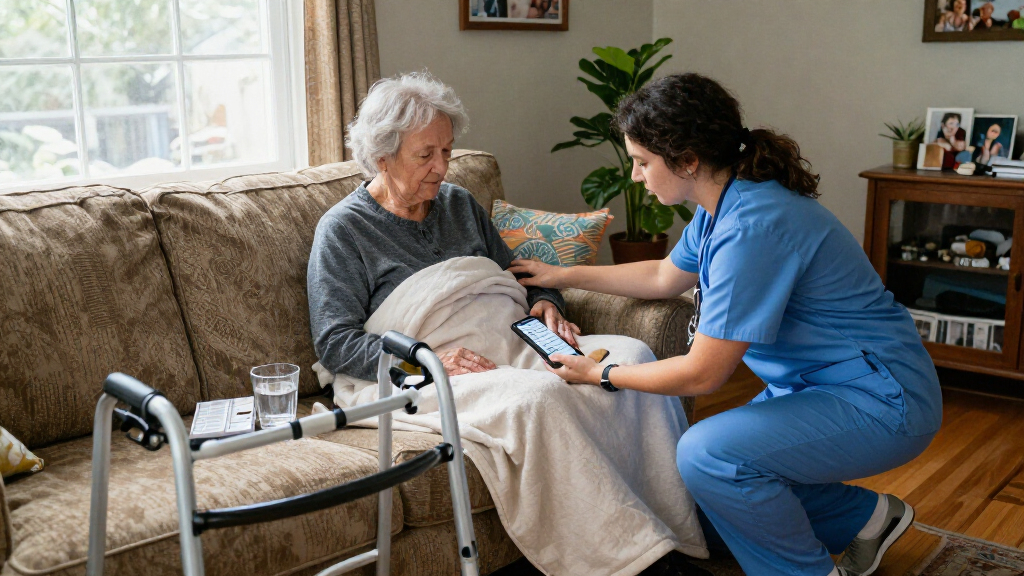
An AI Now Institute report published April 21, 2026, says gig nursing platforms are backing state efforts to change rules for healthcare staffing and worker protections. The report raises concerns about contractor classification, algorithmic pay and shift access; the claims and effects vary by platform and state.
An AI Now Institute report published April 21 says gig-work nursing platforms are lobbying state lawmakers to change healthcare staffing rules, a push the researchers warn could weaken protections for nurses who pick up shifts through apps. The report names Clipboard Health, ShiftKey, CareRev and IntelyCare among the platforms reshaping how healthcare facilities fill shifts; its findings and policy concerns are not the same as an independent legal determination about every company or state bill.
The report, titled Uber for Nursing Part II, describes a system in which nurses use apps to find shifts, receive performance ratings and, in some cases, compete with other workers over pay. It says platforms use algorithmic pricing, including CareRev’s “Smart Rates,” which the institute says recommends hourly rates based on market demand and past performance. Some platforms, according to the report, use “Quick Bid” systems in which nurses bid for a shift and the lowest offer can win.
Researchers also raise concerns about what they call “surveillance wages”—the possibility that platforms use personal data to set different rates for nurses doing similar work. A companion brief from the Roosevelt Institute says some platforms use data brokers to assess nurses’ debt and offer lower wages to those with higher debt loads. The source material does not establish how widely this practice occurs or provide responses from the platforms named.
The AI Now Institute says workers are commonly classified as independent contractors, leaving them outside protections such as minimum wage, overtime, workers’ compensation and unemployment insurance. Nurses cited in the reporting also describe unpaid orientation, canceled shifts and ratings that can affect later access to work. Those accounts raise workplace concerns, but the material provided does not independently verify each worker’s experience or the policies of every app.
State Rules Could Shape Nurse Protections
The dispute affects how nurses are paid and protected, and how hospitals and long-term care facilities fill staffing gaps. If lawmakers exempt app-based services from rules for traditional staffing agencies or worker-protection laws, the report says nurses could have fewer safeguards around wages, benefits and shift cancellations. Whether any specific protection changes depends on the wording and passage of state legislation.
The report also warns that facilities’ use of app-based shifts could affect permanent staff and unionized workplaces if gig workers replace regular positions. It cites substantial facility spending on platform staffing: one Colorado nursing home spent $2.9 million in 2022, while a Chicago hospital spent $2.7 million annually, according to the source material. Those examples indicate significant use in particular facilities, but do not establish industry-wide spending or prove that app labor is displacing staff.
Products Worth Considering

Philips Sonicare 5950 Rechargeable Electric Toothbrush with 2 Brush Heads, Pink
Fitbit Sense 2 Health and Fitness Smartwatch (Lunar White/Platinum)

Therabody Theragun Elite 5th Gen Deep Tissue Massage Gun
As an affiliate, we earn on qualifying purchases.
A Patchwork of State Legislation
Since 2022, lawmakers in at least 17 states have introduced bills that would carve gig nursing apps out of rules applying to traditional healthcare staffing agencies, according to the report. It says eight states—Colorado, Illinois, Iowa, Louisiana, Minnesota, Missouri, Nevada and Rhode Island—have advanced exemption bills. The source also lists proposals in Georgia, Ohio, Pennsylvania, California, Missouri and Wisconsin aimed at exempting platforms from worker-protection laws; Missouri appears in both lists. The report does not specify the current status or final outcome of each measure.
New York took a different approach in 2025, classifying gig nursing platforms as healthcare staffing agencies and requiring annual registration and quarterly wage reporting, while blocking independent-contractor classification, the report says. It reports that Clipboard Health, Nursa and KARE stopped operating in the state after the law. The AI Now Institute also says Clipboard Health and ShiftKey spent more than $1.1 million combined on federal lobbying and work alongside Amazon and Uber through the Coalition for Workforce Innovation.
The report estimates the ten largest nursing gig platforms have raised about $1.4 billion in funding, and gives valuations of $2 billion for ShiftKey and $1.3 billion for Clipboard Health. These figures describe the scale of the businesses, but do not by themselves show how much revenue the apps earn or what effect their services have on staffing outcomes.
“Uber for Nursing Part II”
— AI Now Institute, in its report title
Evidence and Bill Status Still Vary
The report’s concerns about wage-setting, surveillance, contractor status and job displacement do not establish that every platform uses the same practices or that every nurse experiences the same effects. The available material does not include responses from the companies named, detailed methods for the report’s claims about data-driven pay, or a state-by-state accounting of which bills have passed, failed or remain under consideration. The effects of any proposed changes on patient care and staffing levels are also not established here.
Watch State Votes and Company Responses
The next developments will depend on state lawmakers’ decisions and how regulators interpret existing staffing and worker-protection rules. Bills in states named by the report could determine whether app-based nursing services face the same requirements as traditional staffing agencies, but their status should be checked as legislatures act. Responses from the platforms and further evidence about pay practices, cancellations and nurse protections would help clarify how broadly the report’s concerns apply.
Key Questions
What does the AI Now Institute report say nursing apps are lobbying for?
The report says platforms are backing state measures that could exempt them from rules applying to traditional staffing agencies and from some worker-protection laws. The details depend on each bill.
Which platforms are named in the report?
The report identifies Clipboard Health, ShiftKey, CareRev and IntelyCare as prominent nursing gig platforms. Being named does not establish that every company uses every practice described.
What are “surveillance wages”?
The report uses the term for possible algorithmic wage differences based on personal data. A companion Roosevelt Institute brief says some platforms use data brokers to assess debt and offer lower wages to nurses with higher debt loads; the extent of this practice is unclear from the source material.
What did New York change?
According to the report, a 2025 New York law classified gig nursing platforms as staffing agencies, required annual registration and quarterly wage reporting, and blocked independent-contractor classification. The report says three platforms then stopped operating in the state.
Have the proposed state exemptions become law?
The source material says bills have been introduced or advanced in multiple states, but does not give current outcomes for every measure. The status depends on each state’s legislative process.
Source: nurse.org