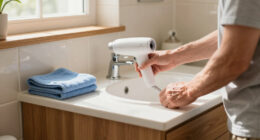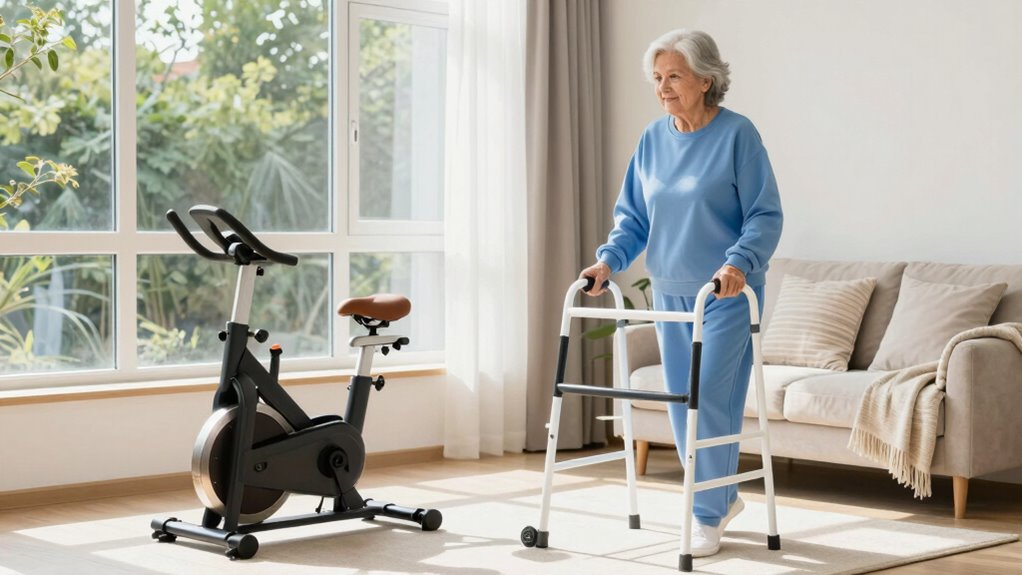

Recovery equipment helps you stay active at home by providing stability, boosting your confidence, and reducing the risk of falls. Devices like grab bars, ergonomic tools, and voice-activated tech make daily tasks easier and safer. They support your independence, encourage movement, and promote faster recovery from injuries. With proper equipment, you can engage in activities safely and comfortably. Keep exploring to discover how these tools can transform your daily routine and keep you active longer.

Turn quiet afternoons into listening time
- Thousands of audiobooks, podcasts and originals
- Listen on your phone, tablet or Echo — also offline
- Cancel anytime
Key Takeaways
- Supportive devices provide stability, reducing fall risk and enabling safe movement around the home.
- Assistive technology simplifies daily tasks, encouraging seniors to stay engaged and active.
- Home safety modifications and ergonomic equipment promote confidence and independence in mobility.
- Recovery equipment accelerates healing, allowing seniors to resume and maintain their regular activities.
- Proper safety measures and supportive tools boost physical and mental well-being, fostering an active lifestyle.
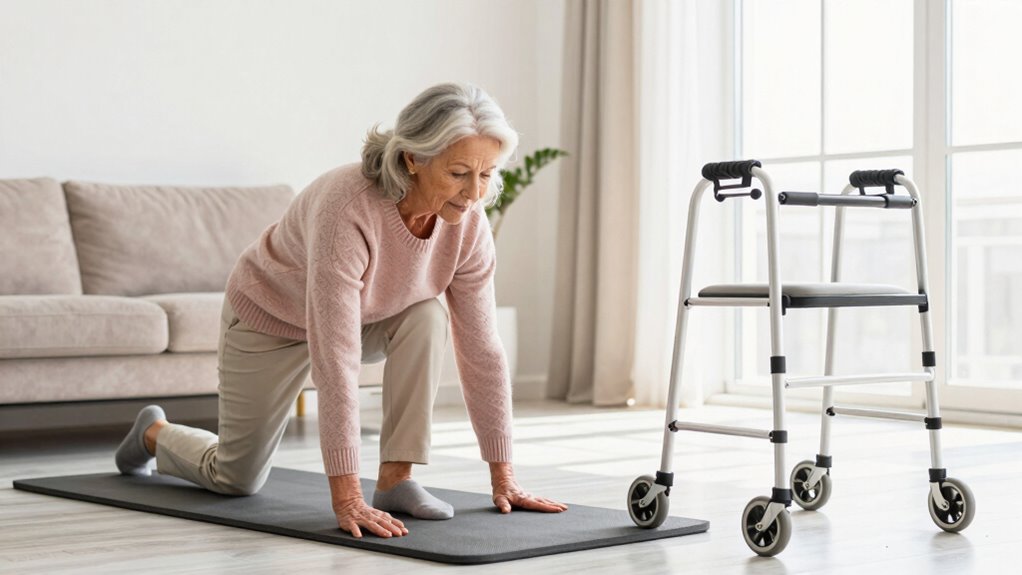
Recovery equipment isn’t just about preventing accidents; it also encourages you to stay active during your recovery process. When you feel secure using supportive devices, you’re more likely to engage in gentle exercises and daily movements that promote healing and maintain strength. For instance, walkers and canes provide stability, enabling you to walk around your home without fear of losing balance. This sense of security motivates you to stay active, which is essential for both physical and mental health. Additionally, assistive technology like voice-activated devices and remote controls can simplify tasks, making it easier to participate in activities you enjoy without overexertion. Incorporating fall prevention strategies into your home setup ensures a comprehensive approach to safety. Using recovery equipment effectively involves understanding your needs and choosing the right tools. It’s about creating a safe environment that encourages movement and independence while minimizing risks. Properly installed grab bars, ergonomic tools, and supportive devices help you regain confidence in your mobility. Furthermore, home safety assessments can identify specific hazards and recommend personalized modifications to enhance your safety. Regularly updating your safety features can further reduce the risk of falls and injuries. Being aware of home safety tips can help you maintain a proactive approach to accident prevention. With the right combination of assistive technology and fall prevention measures, you’ll find it easier to stay active at home, promoting faster recovery and a better quality of life. Ultimately, these tools empower you to maintain your routines, enjoy your daily activities, and recover with dignity and safety.
As an affiliate, we earn on qualifying purchases.
Frequently Asked Questions
How Do I Choose the Right Recovery Equipment for My Needs?
To choose the right recovery equipment, start with personalized assessments to identify your specific needs and limitations. Look for safety features like non-slip surfaces, sturdy frames, and easy-to-use controls to prevent accidents. Consider equipment that fits your space and lifestyle, ensuring comfort and accessibility. Consulting with a healthcare professional can also help you select the most suitable options, giving you confidence and support as you stay active at home.
Are Recovery Devices Suitable for All Types of Seniors’ Conditions?
Recovery devices aren’t suitable for all seniors’ conditions, but personalized assessments help determine if they’re appropriate. You should consider equipment customization to match your specific needs and medical condition. Consulting with healthcare professionals ensures the devices support your mobility, safety, and comfort. Always get a professional’s advice before choosing recovery equipment, as they can recommend options tailored to your unique health situation and recovery goals.
What Is the Average Cost of Senior Recovery Equipment?
You might think recovery equipment costs vary wildly, but a typical range is $50 to $500 or more. The truth is, a cost comparison shows prices depend on the type and quality of equipment. Insurance coverage can considerably reduce your expenses, so it’s wise to check your policy. Overall, investing in the right recovery tools can improve safety and independence without breaking the bank.
How Often Should Recovery Equipment Be Replaced or Maintained?
You should follow the maintenance schedule provided by the manufacturer to guarantee your recovery equipment stays in good shape. Generally, replacement frequency varies—some items need replacing every 1-3 years, while others last longer with regular upkeep. Check for signs of wear or damage regularly, and don’t delay repairs or replacements, as keeping your equipment well-maintained helps you stay safe and active at home.
Can Recovery Equipment Prevent Future Injuries?
Yes, recovery equipment can prevent future injuries by reducing fall risks and improving mobility. When you use supportive devices like grab bars, walkers, or cushioned mats, you create a safer environment that minimizes accidents. Regularly using and maintaining this equipment helps you stay steady and confident while moving around your home. This proactive approach not only prevents falls but also encourages ongoing activity, keeping you healthier and more independent.
ergonomic assistive devices for elderly
As an affiliate, we earn on qualifying purchases.
As an affiliate, we earn on qualifying purchases.
Conclusion
Think of recovery equipment as your trusty lighthouse guiding you safely through stormy seas. Just like a lighthouse offers steady illumination amid darkness, these tools provide stability and confidence, helping you stay active and independent at home. With the right equipment by your side, you can navigate each day’s challenges as smoothly as a ship sailing towards calm waters. Embrace these aids, and let them be your guiding light to a vibrant, active life.
voice-activated home tech for seniors
As an affiliate, we earn on qualifying purchases.
As an affiliate, we earn on qualifying purchases.
As an affiliate, we earn on qualifying purchases.
Halloween Picks
halloween
As an affiliate, we earn on qualifying purchases.