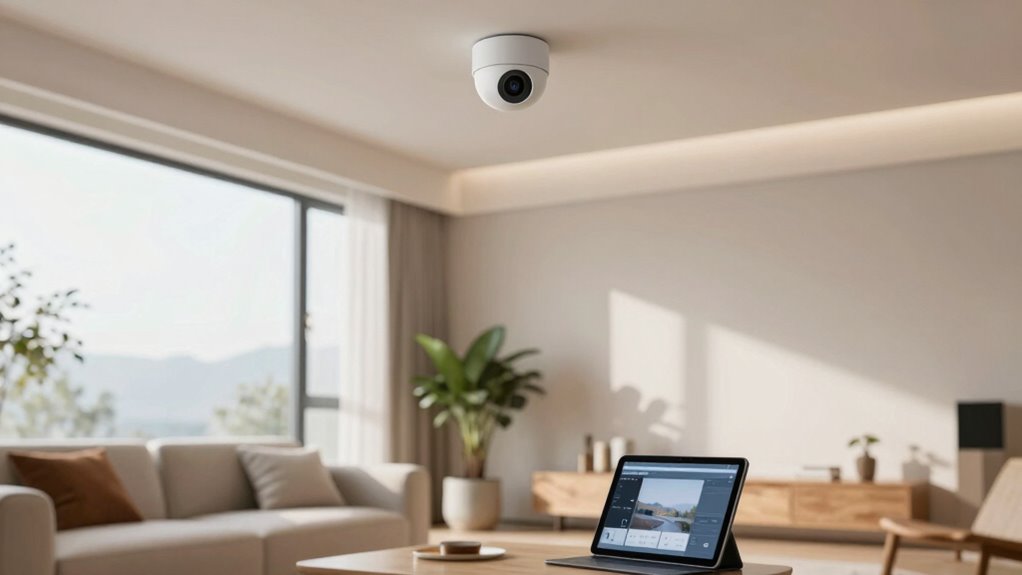

To make remote monitoring feel helpful rather than invasive, it’s essential that you understand how your data is being used and have control over what’s monitored. Systems that are transparent, unobtrusive, and seamlessly integrated into your daily life foster trust. When you’re informed about the purpose and protected by legal safeguards, monitoring becomes a tool for your safety and efficiency. Keep exploring to discover more ways to make remote monitoring work for you without overstep.

Get comfort and care essentials delivered free — and shop member deals
- Fast, free delivery on millions of items
- Access to Prime Big Deal Days deals on October 6–7
- Prime Video, Amazon Music and more included
Key Takeaways
- Transparency about monitoring scope and data use builds trust and alleviates privacy concerns.
- Providing users with control and customization fosters a sense of ownership and autonomy.
- Seamless, unobtrusive operation minimizes disruption and maintains normalcy.
- Clear purpose and adherence to legal safeguards ensure monitoring is justified and secure.
- Communicating tangible benefits and empowering users shift perceptions from invasive to helpful.
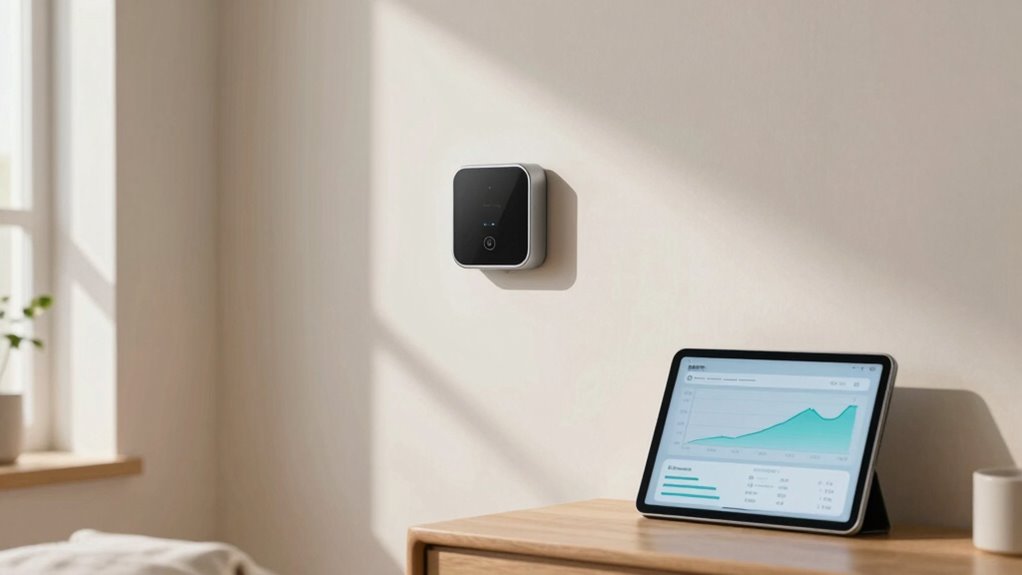
Have you ever wondered how remote monitoring can improve your overall efficiency and security? When done right, it can be a powerful tool that helps you stay informed, respond quickly, and maintain control over your environment. But you might also worry about privacy concerns—that your personal space or data could be compromised or misused. The key to making remote monitoring feel helpful instead of invasive lies in striking a balance that respects your privacy while providing the benefits of oversight.
One of the most important factors is transparency. When systems clearly explain what is being monitored, how the data is used, and who has access, you’re more likely to feel comfortable. Knowing that your privacy isn’t being violated without your knowledge helps alleviate concerns and builds trust. It’s also essential that you retain user autonomy—meaning you should have control over the monitoring settings. Being able to customize what is monitored, when, and for how long gives you a sense of ownership over the process. This control reassures you that the technology serves your needs rather than controlling your every move.
Transparency and control foster trust, empowering users to customize monitoring and feel secure.
Another aspect that makes remote monitoring feel helpful is its unobtrusiveness. When implemented thoughtfully, it operates seamlessly in the background, alerting you only when necessary. For example, an alarm system that detects unusual activity but doesn’t constantly record every moment keeps your environment secure without feeling like you’re under constant surveillance. This approach reduces feelings of intrusion and helps you maintain a sense of normalcy while enjoying the safety benefits. Incorporating Natural Pool Design principles can also make your monitoring environment more integrated and less conspicuous. Additionally, understanding the importance of contrast ratio in visual displays can help optimize how you view security feeds, making the information clearer and easier to interpret. Recognizing the role of privacy laws in shaping responsible monitoring practices further emphasizes the importance of legal safeguards in maintaining trust.
Effective remote monitoring also involves setting clear boundaries and purpose. When you understand exactly what the system is designed to do—such as alerting you to security breaches or tracking asset movement—you’re less likely to perceive it as invasive. Instead, it becomes a tool that enhances your awareness and control. Additionally, respecting data privacy laws and securing your information with encryption demonstrates that your privacy isn’t an afterthought but a priority for the service provider.
Ultimately, remote monitoring feels helpful when it empowers you rather than restricts you. When you are kept informed, have control over your data, and see tangible benefits—like increased safety and efficiency—it shifts your perception from feeling watched to feeling protected. Properly designed, it’s a partner that keeps you in charge, providing peace of mind without infringing on your privacy or user autonomy.
remote home security camera system
As an affiliate, we earn on qualifying purchases.
As an affiliate, we earn on qualifying purchases.
Frequently Asked Questions
How Do I Ensure My Privacy Is Protected During Remote Monitoring?
To protect your privacy during remote monitoring, make sure your data is encrypted, preventing unauthorized access. You should also check that access controls are in place, allowing only trusted individuals to view your information. Regularly update your software and change passwords to enhance security. By staying informed about your monitoring system’s privacy features and actively managing permissions, you keep your personal data safe and maintain control over your information.
Can Remote Monitoring Be Customized to Fit Individual Needs?
Yes, remote monitoring can be customized to fit your individual needs. With personalization options and user control, you can decide what data is shared and when. You can set preferences for alerts, monitoring frequency, and privacy settings, ensuring the system aligns with your comfort level. This flexibility helps you feel more in charge and reassured, making remote monitoring feel less invasive and more supportive of your personal health or security goals.
What Are Common Concerns Users Have About Remote Monitoring?
You might worry that remote monitoring feels like losing control, like a bird trapped in a cage. Common concerns include losing user autonomy and unclear data transparency. People fear their information might be shared without permission or used against them. To ease these worries, clear communication about data use and giving users control over their information are essential. This builds trust, making remote monitoring feel supportive rather than invasive.
How Does Remote Monitoring Impact Daily Routines?
Remote monitoring impacts your daily routines by seamlessly integrating data collection into your life, often without you noticing. It encourages routine adjustments that promote healthier habits or better management of your health, making daily activities more efficient. Instead of feeling invasive, it provides valuable insights, empowering you to make informed decisions. You’ll find that remote monitoring becomes a helpful tool, supporting your routine without disrupting your normal flow.
What Technological Features Make Remote Monitoring Less Invasive?
Did you know over 80% of users feel more comfortable with remote monitoring when it’s seamless? Features like sensor integration make it less intrusive by collecting data discreetly, avoiding constant manual input. Data encryption guarantees your information stays private, reducing worries about breaches. These technological features work together, making remote monitoring feel helpful rather than invasive, as they respect your privacy while providing valuable insights effortlessly.
privacy-focused monitoring system
As an affiliate, we earn on qualifying purchases.
As an affiliate, we earn on qualifying purchases.
Conclusion
When remote monitoring feels helpful rather than invasive, it’s all about trust and transparency. If you’re aware of what’s being tracked and why, you’ll likely feel more in control. Notably, a recent study shows that 78% of users who understand their monitoring feel more empowered and satisfied with the process. By prioritizing open communication and respecting your privacy, remote monitoring becomes a tool that supports your well-being rather than invades it.
customizable security alarm system
As an affiliate, we earn on qualifying purchases.
As an affiliate, we earn on qualifying purchases.
As an affiliate, we earn on qualifying purchases.
Halloween Picks
halloween
As an affiliate, we earn on qualifying purchases.