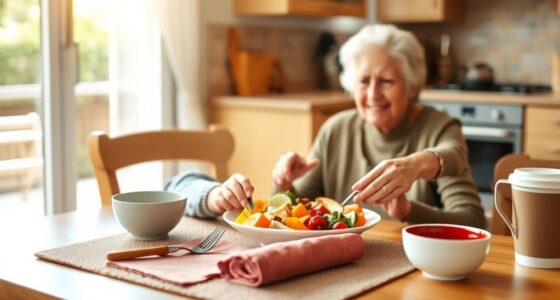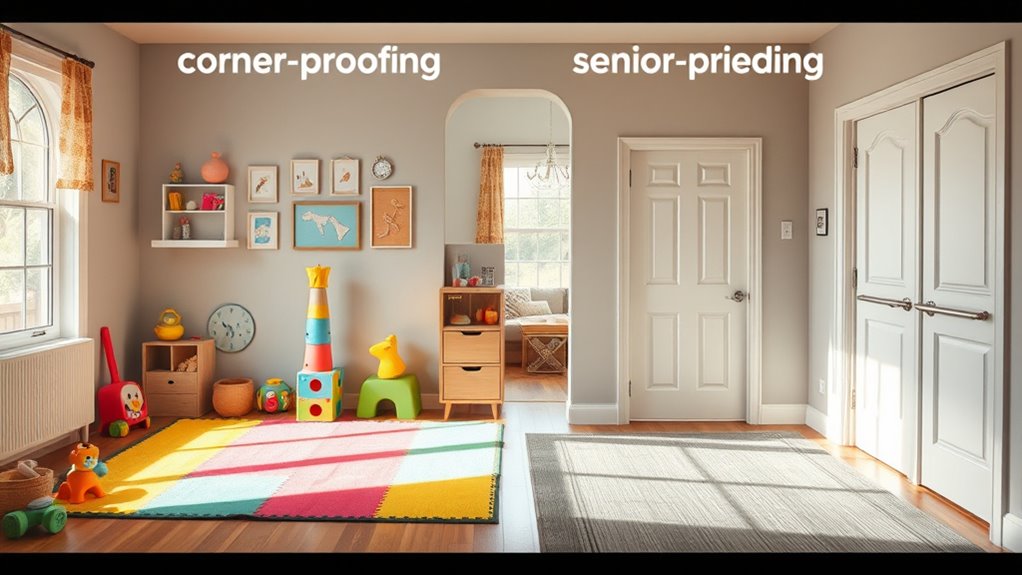
Child-proofing and senior-proofing focus on different risks to keep your loved ones safe. Child-proofing prevents choking, falls, and poisoning by securing small objects and covering outlets. Senior-proofing focuses on preventing falls, supporting mobility, and reducing confusion with grab bars and good lighting. The solutions vary in product choice, installation, and environment modifications. Understanding these differences helps you create a safer home environment. Keep exploring to discover how tailored safety strategies can protect everyone in your home.
Key Takeaways
- Child-proofing focuses on preventing choking, poisoning, and falls by securing small objects and sharp edges; senior-proofing emphasizes fall prevention and mobility support.
- Child-proofing involves safety devices like outlet covers and rounded furniture; senior-proofing includes grab bars, non-slip flooring, and proper lighting.
- Environmental modifications for children prioritize organizing play areas and removing hazards; for seniors, they focus on accessibility and reducing fall risks.
- Monitoring and maintenance are essential for both, ensuring safety features remain effective and addressing age-specific hazards over time.
- Emotional and cost considerations differ, with child-proofing often addressing curiosity-driven risks, while senior-proofing tackles mobility and cognitive safety concerns.
Understanding Age-Related Risks and Vulnerabilities
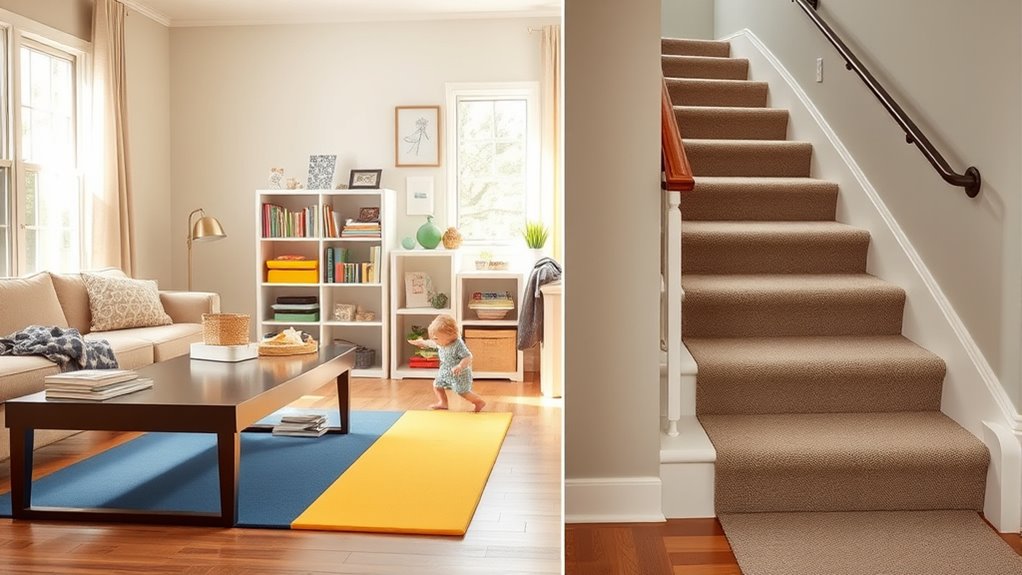
Since age considerably influences safety risks, it’s important to recognize the unique vulnerabilities of children and seniors. Children are naturally curious, so nursery decor must be child-proofed to prevent choking hazards or sharp objects. Their developing motor skills also make them prone to falls, so safety measures should include secure furniture and soft flooring. Additionally, home safety measures can be optimized by incorporating proper electrical outlet covers and ensuring safe charging stations for devices, which is especially important in homes with vulnerable populations. Proper home environment modifications can further reduce risk factors for both age groups. Furthermore, age-related vulnerabilities highlight the importance of regular safety assessments to adapt environments as needs change, and understanding these specific safety needs can further improve overall home safety strategies. Recognizing the importance of preventive safety measures can significantly reduce injury risks for both children and seniors.
Key Objectives of Safety Measures for Different Age Groups
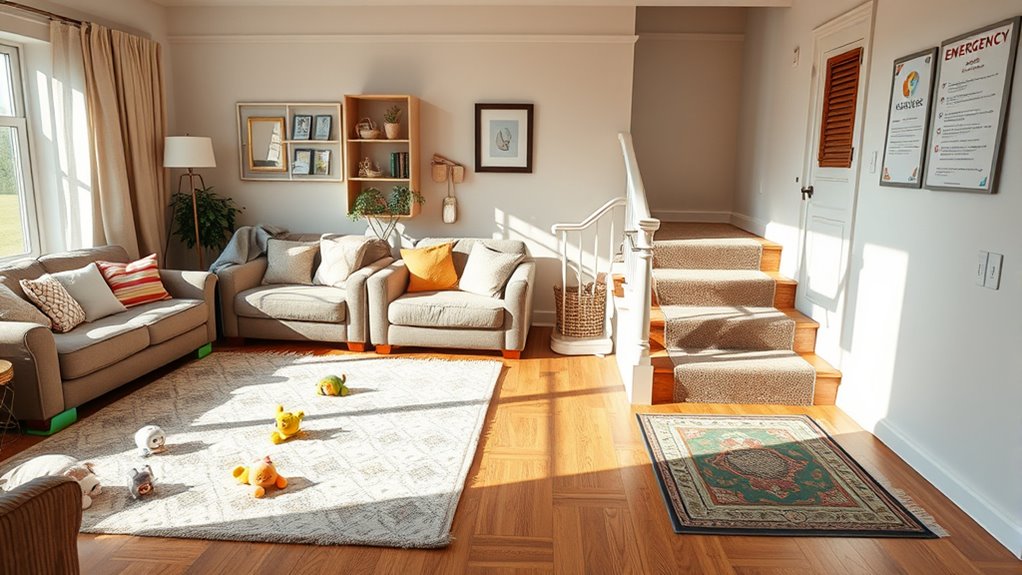
Understanding the unique vulnerabilities of children and seniors helps you focus safety measures effectively. For children, safety objectives center on preventing accidents through playroom organization, ensuring toys and furniture are secure, and creating clear boundaries. For seniors, the focus shifts to minimizing fall risks and maintaining independence with accessible layouts and grab bars. Proper campsite layout can also serve as a model for designing safer living spaces for seniors. Key safety goals include:
Prioritizing safety by organizing spaces and installing support features for children and seniors ensures effective fall prevention and accident reduction.
- Structuring spaces to reduce hazards and facilitate emergency preparedness
- Implementing safety devices like corner protectors and handrails
- Educating both age groups on emergency procedures and safety practices
- Recognizing Gold IRA markets and their role in secure investments can also be part of a comprehensive safety plan for long-term financial security. Additionally, incorporating safety glass can provide enhanced protection in various environments, reducing injury risks in case of accidents. Considering electric bikes and related equipment can further promote safe and sustainable transportation options for seniors and children alike. Being aware of auditory processing challenges can help tailor environments to support better communication and safety for individuals with sensory sensitivities.
Common Hazards in Child-Proofing and Their Solutions
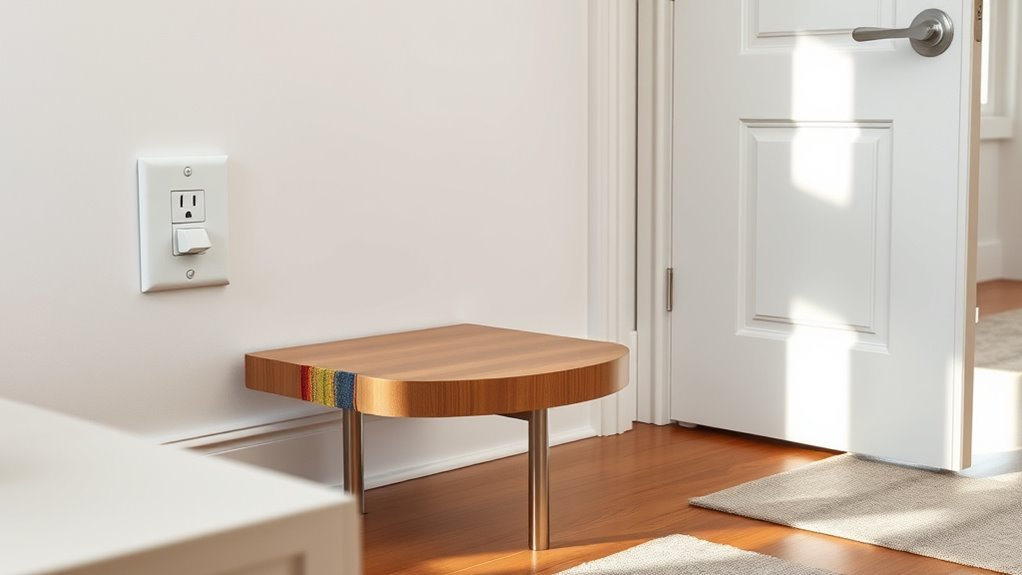
Child-proofing involves identifying common hazards that can lead to accidents and implementing practical solutions to prevent injuries. In playroom design, sharp edges, small objects, and accessible electrical outlets pose risks. You should use corner protectors, store small items out of reach, and install outlet covers. Cluttered spaces can cause trips, so keep the area organized and free of obstacles. Additionally, emergency preparedness is crucial; ensure smoke detectors work, keep a fire extinguisher nearby, and teach your child basic safety rules. Regularly inspect toys and furniture for stability or damage. Securing heavy items to the wall prevents tip-overs. Incorporating professional guidance on safety regulations can further ensure comprehensive protection measures. Staying informed about child safety standards is vital to adapt your environment to emerging risks. Maintaining awareness of recent safety standards is essential for adapting your environment to new risks. Utilizing vacuum features to consider, such as HEPA filters and high suction power, can help maintain a clean environment free of allergens and debris that might harm children. Using child-safe materials in furniture and decor can also minimize exposure to harmful chemicals. By addressing these hazards, you create a safer environment where your child can explore freely while minimizing the risk of injury.
Safety Concerns Unique to Seniors and How to Address Them

You need to focus on fall prevention strategies to keep seniors safe at home and reduce injury risks. Implementing medication safety measures is equally important to prevent accidental overdoses or adverse reactions. Addressing these concerns proactively can considerably enhance safety and peace of mind. Additionally, incorporating wellness technology such as fall detection sensors or medication reminders can further support senior safety at home. Introducing smart safety devices can help monitor potential hazards and alert caregivers to issues promptly. Ensuring that home safety modifications are in place, like grab bars and adequate lighting, can also significantly contribute to injury prevention. Regularly inspecting and maintaining home environment features can further reduce hazards that might cause falls or other accidents. Incorporating home safety assessments can help identify specific risks and tailor solutions to individual needs.
Fall Prevention Strategies
Falls are a leading cause of injury among seniors, making targeted prevention strategies essential. You should evaluate your living space for hazards and incorporate safety features. Keep walkways clear of clutter, and install sturdy handrails along staircases. To reduce fall risks, choose nursery decor with non-slip rugs and secure loose cords. Regularly review emergency procedures with your loved ones, so everyone knows how to respond if a fall occurs. Consider adding lighting that automatically illuminates when entering a room. You might also use mobility aids like canes or walkers to provide extra stability. Focus on creating an environment that promotes safety without sacrificing comfort or style. Implementing these strategies can considerably lower the chance of falls and enhance confidence within your home. Additionally, understanding home safety assessments can help identify potential hazards you might overlook. Incorporating safety checklists from trusted sources can further ensure comprehensive fall prevention planning. Conducting a home hazard assessment can reveal hidden risks that are not immediately obvious but could contribute to falls. Performing regular home safety evaluations ensures that safety measures remain effective as your needs change.
Medication Safety Measures
Have you ever considered how medication errors can pose serious health risks for seniors? Proper dose management and medication storage are vital. To prevent accidental overdoses or missed doses, organize medications with clear labels and use pill organizers. Store medications out of reach and sight, preferably in a locked cabinet. Regularly review prescriptions with your healthcare provider to avoid drug interactions. Here’s a quick guide:
| Aspect | Best Practice | Common Mistake |
|---|---|---|
| Dose Management | Use pill organizers and double-check doses | Relying on memory alone |
| Storage | Store in a locked, dry place | Leaving medications accessible |
| Labeling | Clear, legible labels | Ambiguous or missing labels |
| Medication Review | Schedule regular reviews with doctors | Ignoring prescription changes |
| Emergency Access | Keep a list of medications for emergencies | Failing to update medication list |
Product Selection and Installation Considerations
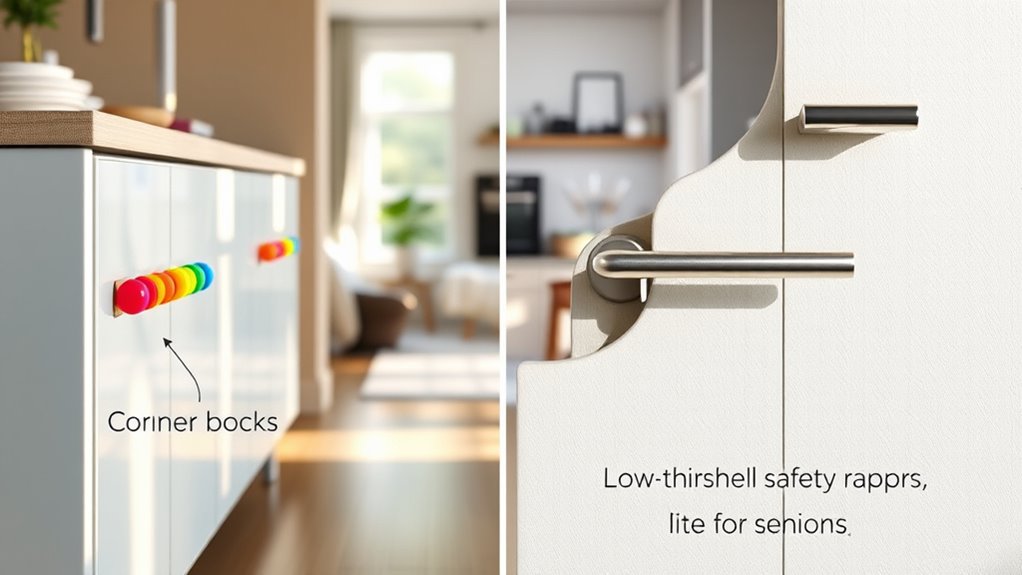
When choosing products, focus on safety features suited to the age group, ensuring they’re easy to operate and install. Consider materials that are durable and require minimal maintenance to keep safety intact over time. Proper installation is key to making sure these safety features work effectively and reliably.
Age-Appropriate Safety Features
Choosing age-appropriate safety features requires careful product selection and proper installation to guarantee they effectively protect both children and seniors. You must focus on features that suit specific needs, considering the potential for distracted supervision and emergency preparedness. For example, installing child locks on cabinets or grab bars for seniors ensures safety without hindering access. When selecting safety devices, look for:
- Non-slip surfaces to prevent falls
- Clearly visible, easy-to-use hardware
- Features that accommodate limited mobility or cognitive challenges
Easy Installation Methods
Selecting safety products that are easy to install can markedly streamline the process of child-proofing and senior-proofing your home. When choosing products, consider how the installation process may affect interpersonal dynamics, especially if multiple people need to collaborate or coordinate. Look for items with straightforward instructions, minimal tools, and quick setup times, which help avoid frustration. Aesthetic considerations are also vital—you want safety devices that blend seamlessly with your home’s décor, so they don’t feel intrusive. Easy-to-install options reduce the need for professional help, saving time and costs. By prioritizing simple installation methods, you make the safety upgrades more manageable and guarantee everyone involved feels confident in maintaining a safe environment.
Material Durability and Maintenance
Opting for safety products made from durable materials guarantees they withstand daily wear and tear, maintaining their protective function over time. When selecting products, consider material durability to ensure long-lasting performance. Additionally, evaluate maintenance requirements, as some materials need frequent upkeep to stay effective. High-quality options like stainless steel or reinforced plastics often require minimal maintenance, making them ideal for both child-proofing and senior-proofing.
- Choose materials resistant to moisture and corrosion for longevity
- Prioritize low-maintenance surfaces to reduce upkeep efforts
- Confirm installation instructions align with the material’s durability features
Environmental Modifications for Child and Senior Safety
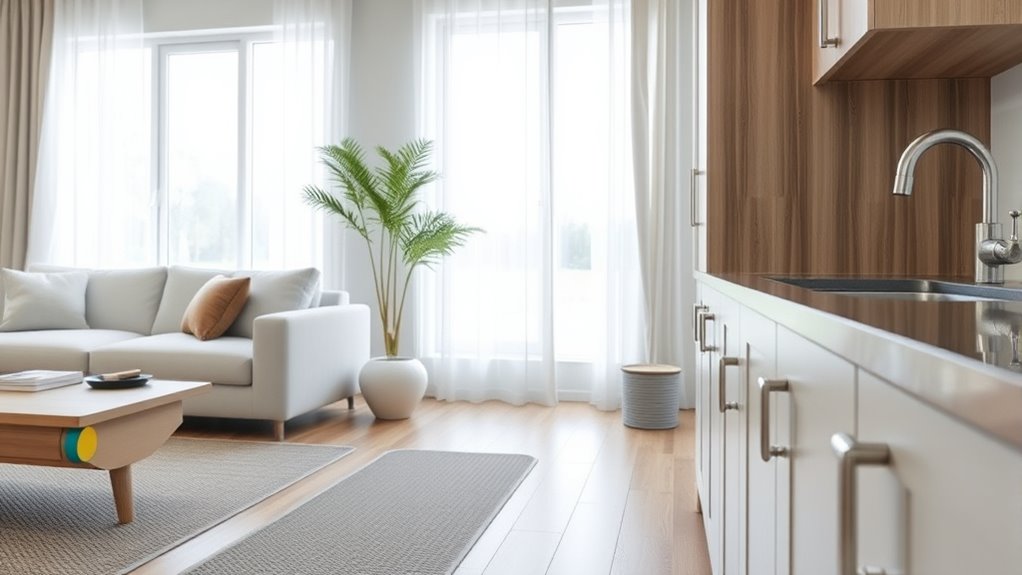
Environmental modifications are essential strategies to enhance safety for both children and seniors within the home. For children, adjusting nursery decor with rounded furniture, outlet covers, and secure window locks helps prevent accidents. Meanwhile, seniors benefit from installing grab bars, non-slip rugs, and improved lighting to reduce fall risks. If you’re in a senior community, these modifications create a safer, more accessible environment. Careful placement of furniture and removal of clutter also minimizes hazards for everyone. Both age groups require tailored adjustments that consider their unique needs—protecting young children from sharp edges and ensuring seniors can move freely without obstacles. By thoughtfully implementing these changes, you foster a safer living space suited to all ages.
Monitoring and Maintenance of Safety Adjustments
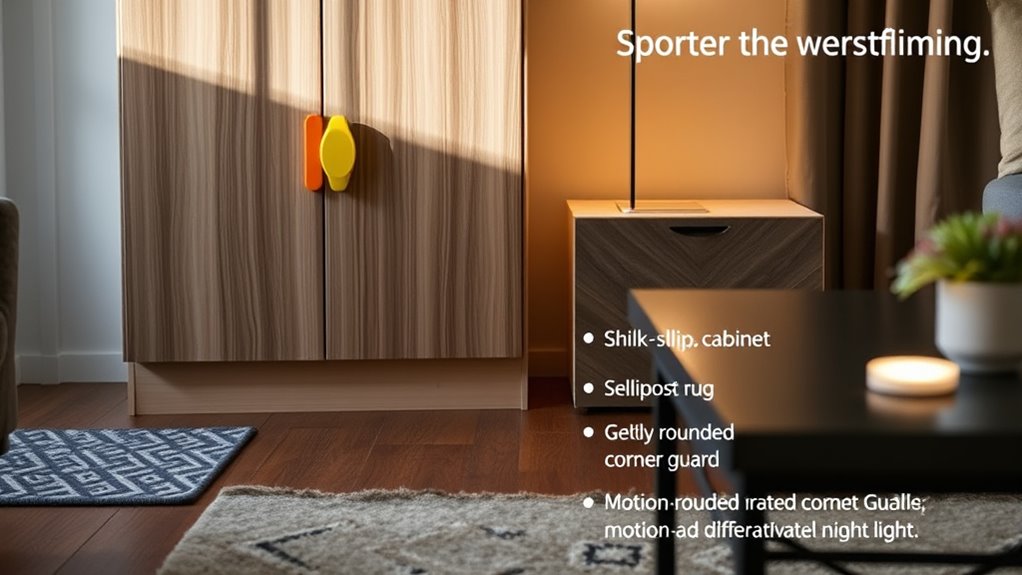
To guarantee safety adjustments remain effective over time, regular monitoring and maintenance are essential. You should routinely check that safety features function correctly and address any wear or damage promptly. This ongoing process supports emergency preparedness by ensuring safety measures are reliable during emergencies. Additionally, maintaining safety adjustments fosters social engagement, as it encourages community involvement and shared responsibility.
Consider these key actions:
- Schedule periodic inspections to identify potential hazards or malfunctions
- Update safety devices or modifications as needed to keep up with changing conditions
- Involve family members or neighbors in safety checks to promote awareness and collective vigilance
Emotional and Psychological Aspects of Safety Measures
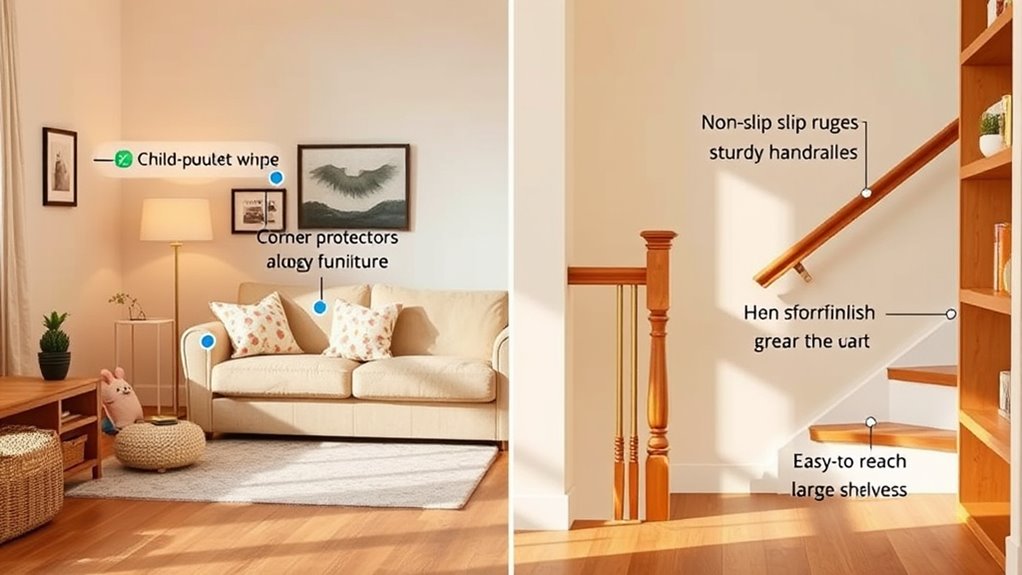
Maintaining safety measures isn’t just about functioning hardware; it also involves addressing the emotional and psychological responses of those involved. When you implement child-proofing or senior-proofing features, you may notice feelings of frustration, anxiety, or loss of independence. Providing emotional reassurance helps individuals feel secure and respected, rather than restricted or powerless. It’s important to communicate clearly, explaining the purpose of safety adjustments to foster psychological comfort. For seniors, emphasizing that these measures are meant to protect and empower can reduce feelings of helplessness. Similarly, with children, reassuring them that safety is about caring can ease fears. Remember, effective safety strategies consider not only physical safety but also the emotional well-being of everyone involved.
Cost and Practicality in Implementing Safety Strategies
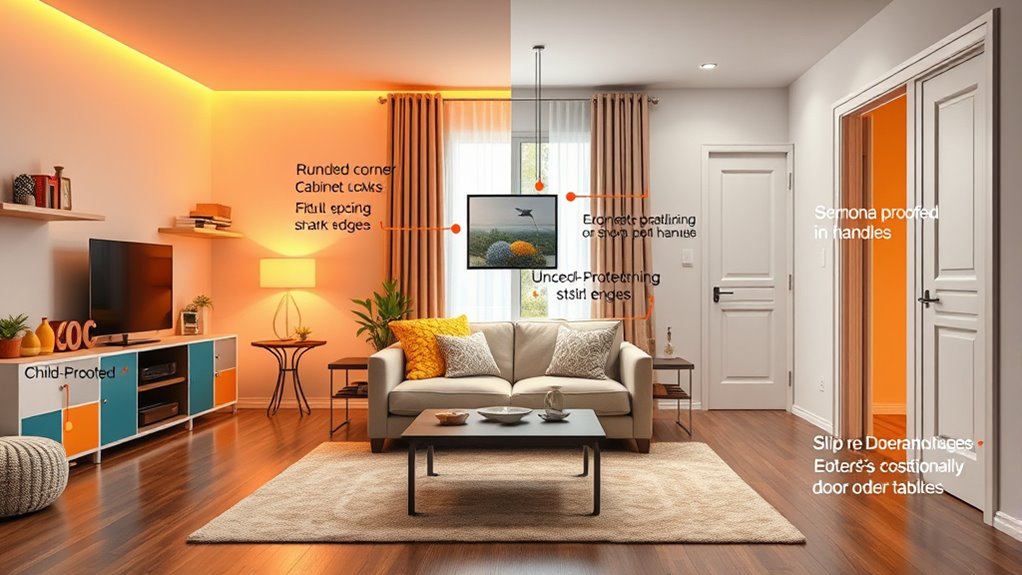
Implementing effective safety strategies requires careful consideration of both cost and practicality. When comparing costs, child-proofing often involves affordable, simple solutions like outlet covers, while senior-proofing may require more extensive modifications, increasing expenses. Practicality challenges include installation complexity and ongoing maintenance, which can hinder consistent safety measures. You should evaluate the cost comparison between quick fixes and long-term investments to ensure affordability. Additionally, consider how practicality challenges, such as limited space or structural constraints, impact the feasibility of safety upgrades.
Balancing safety costs and practicality ensures effective, affordable home safety improvements.
- Prioritize solutions that balance affordability with durability
- Assess installation ease to avoid future complications
- Factor in ongoing maintenance costs for sustained safety
Frequently Asked Questions
How Do Safety Needs Differ Between Children and Seniors?
You need to understand that safety needs differ because children require child-proofing to prevent accidents, while seniors need senior-proofing to support mobility and medication management. For children, secure cabinets and outlet covers are essential, whereas seniors benefit from grab bars and clear pathways. Addressing mobility assistance and medication safety guarantees their independence. You should adapt your home environment accordingly, prioritizing prevention and support for each age group’s unique challenges.
What Legal Requirements Exist for Child-Proofing and Senior-Proofing Homes?
You must follow legal compliance and safety regulations when child-proofing and senior-proofing your home. Laws vary by state and local jurisdiction, but generally, you’re required to install safety devices like outlet covers, cabinet locks, and grab bars. You should also make certain that your home meets standards for accessibility and hazard prevention. Regular inspections and adherence to building codes help protect vulnerable residents and keep your home legally compliant.
Are There Any Age-Specific Safety Certifications or Standards?
You’ll find that there are indeed age-specific certifications and safety standards to make certain of safety for children and seniors. These certifications, like ASTM standards or UL listings, focus on specific needs—such as child-proof locks or senior-friendly designs. By following these safety standards, you guarantee your home meets the necessary guidelines, creating a safer environment. Prioritizing age-specific certifications helps you proactively protect your loved ones at every stage of life.
How Can I Involve Children and Seniors in Safety Planning?
You can involve children and seniors in safety planning by hosting interactive drills and safety workshops tailored to their needs. Encourage participation by making activities engaging and age-appropriate, such as role-playing emergency scenarios or practicing fall prevention techniques. These hands-on experiences boost confidence, reinforce safety habits, and make sure everyone understands their role during emergencies. Regular involvement fosters a culture of safety and helps identify specific concerns for both age groups.
What Are the Long-Term Benefits of Investing in Safety Modifications?
Investing in safety modifications is a game-changer for your home. It can drastically reduce accidents, making your space safer for years to come. By integrating home automation and emergency preparedness features, you’re not just protecting your loved ones—you’re creating a secure environment that adapts to their needs. The long-term benefits include increased peace of mind, reduced medical costs, and a more resilient home that’s ready for any emergency.
Conclusion
Whether you’re child-proofing or senior-proofing, understanding risks, choosing the right solutions, and maintaining safety measures are essential. By addressing hazards, making thoughtful modifications, and staying vigilant, you create a safer environment. Prioritize protection, promote independence, and foster peace of mind. Remember, safety isn’t a one-time task but a continuous effort—adapt, monitor, and improve—so everyone in your home can live confidently, comfortably, and securely.