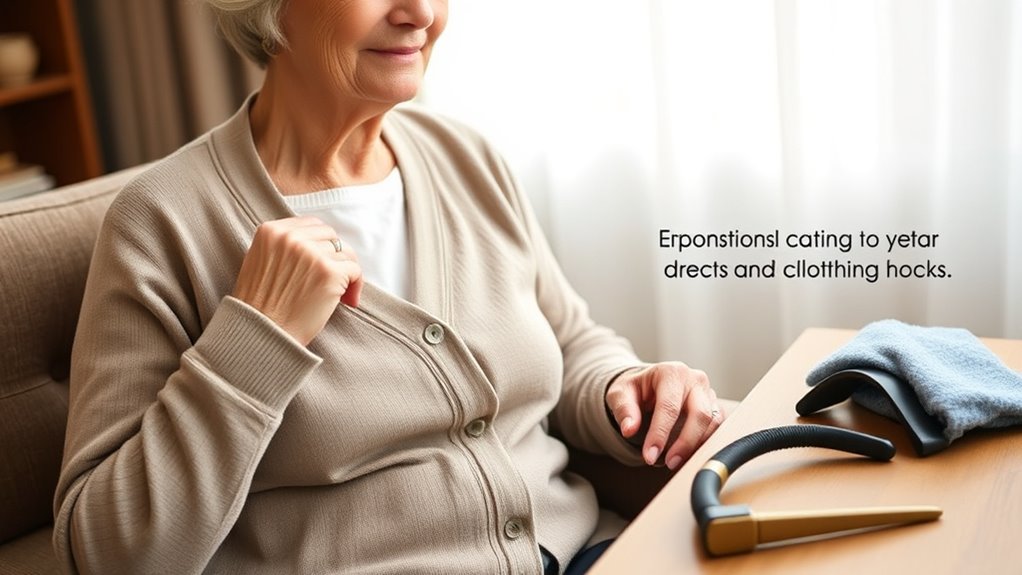
To make dressing easier, try adaptive clothing with Velcro, magnetic closures, or elastic waistbands to minimize buttons and zippers. Use dressing aids like zipper pulls, button hooks, and sock assist devices to support movement and independence. Long-handled tools help reach high shelves or shoes, while organized, well-lit spaces reduce frustration. These tools and tips help seniors dress confidently and comfortably. Keep exploring more ways to improve your dressing routine.
Key Takeaways
- Adaptive clothing with Velcro, magnetic closures, and elastic waistbands simplifies dressing and reduces frustration.
- Zipper pulls, button hooks, and other fastener aids make managing buttons and zippers easier.
- Sock assist devices and slip-on shoe aids help seniors dress their feet without bending or straining.
- Organized, well-lit dressing environments with labeled storage improve accessibility and reduce dressing time.
- Modern assistive technology and professional resources support independence, safety, and confidence in dressing routines.
Adaptive Clothing and Easy-Fastening Features
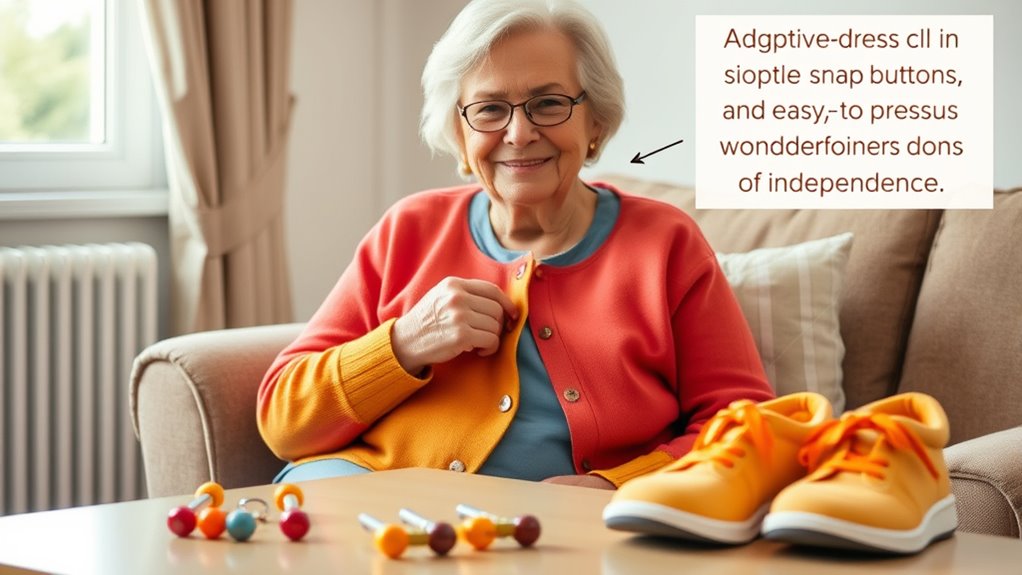
Adaptive clothing with easy-fastening features makes dressing simpler for seniors. These designs align with current fashion trends, ensuring comfort doesn’t mean sacrificing style. Velcro, magnetic closures, and elastic waistbands streamline dressing, reducing frustration. They also make clothing maintenance easier, as fewer buttons and zippers mean less fuss when laundering or adjusting. You can stay fashionable while enjoying the convenience of adaptive features that promote independence. Many trendy options blend functionality with modern aesthetics, so you don’t have to compromise on appearance. By choosing adaptive clothing with easy-fastening features, you reduce the time and effort needed to get dressed, helping you feel confident and autonomous every day. Staying current with fashion trends while simplifying clothing maintenance is now more accessible than ever. Incorporating clothing maintenance considerations into your wardrobe choices can further enhance ease of dressing and longevity. Additionally, selecting clothing with adaptive technology can improve overall comfort and usability.
Dressing Aids for Shoes and Socks
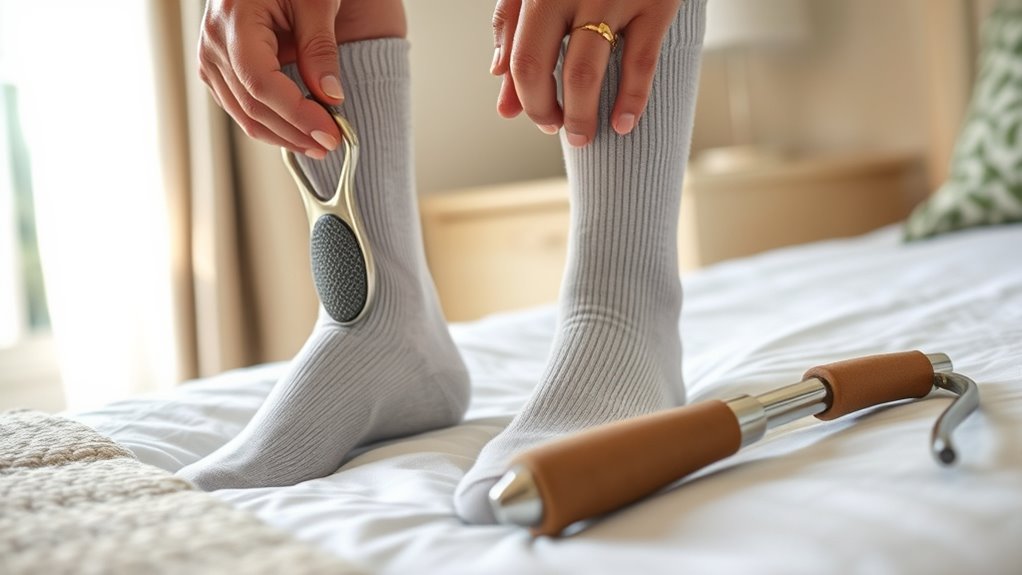
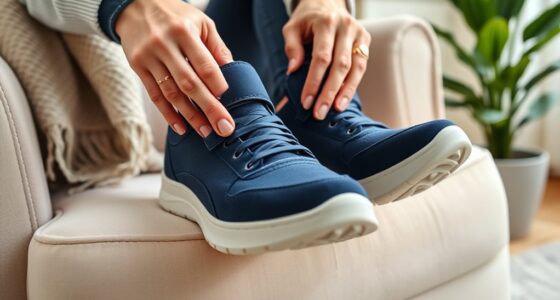
Slip-on shoe aids make putting on shoes easier and reduce bending. Sock assist devices help you put on socks without straining your hands or balance. These tools can considerably improve independence and comfort during dressing. For those seeking healthy options, some support breakfast choices include high-protein meals that can boost energy levels throughout the day. Incorporating filter maintenance options in clothing can also enhance comfort and durability, making daily dressing easier and more enjoyable. Regularly checking your protective gear and accessories can help prevent injuries and ensure safety during dressing. Additionally, incorporating auditory processing strategies can further enhance overall communication and daily functioning.
Slip-on Shoe Aids
For many seniors, putting on shoes and socks can become challenging due to limited mobility or flexibility. Slip-on shoe aids simplify this task by reducing bending and straining. These tools help you slide your feet easily into shoes, saving time and effort. They also support maintaining fashion trends and wardrobe organization, making it easier to keep your shoes accessible and stylish. Using slip-on aids can boost independence and confidence in your daily routine. Here’s a quick overview:
| Tool Type | Benefits | Best For |
|---|---|---|
| Rigid Shoe Horn | Reduces bending | Tight shoes |
| Flexible Shoe Horn | Easy to use | Swollen feet |
| Long-handled Aid | Less strain | Low shelves |
| Sock Slider | Combines sock and shoe | Cold weather |
| Universal Fit | Fits most shoes | Versatile use |
These aids turn dressing into a smoother, more comfortable experience. Additionally, adaptive dressing tools can further enhance independence by addressing specific mobility challenges.
Sock Assist Devices
Sock assist devices make dressing easier by helping you put on socks without bending or straining. These simple tools are especially useful if you have limited mobility or joint pain. They allow you to slide your foot into the sock smoothly, reducing the risk of falls or discomfort. As fashion trends evolve, more sock assist devices now come in sleek, discreet designs that blend with your style, making them both functional and fashionable. Beyond convenience, these aids offer medical benefits by promoting proper sock placement, which can improve circulation and prevent skin irritation. Using a sock assist device encourages independence and makes dressing less stressful, helping you stay active and confident in your daily routine.
Long-Handled Aids for Reaching and Grabbing
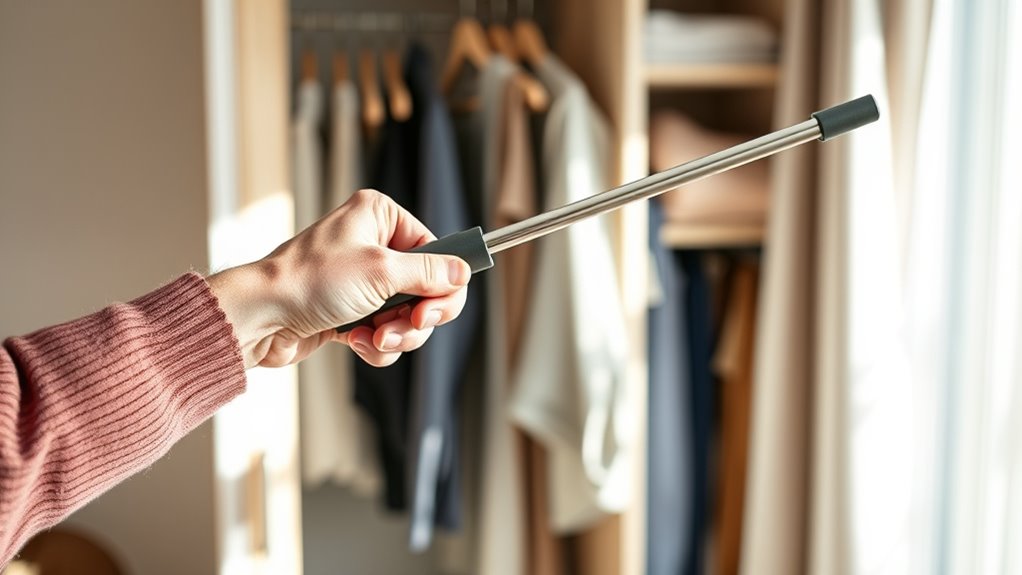
Long-handled aids are essential tools that help seniors reach and grasp items without risking falls or strain. Their ergonomic design guarantees comfort and ease of use, reducing fatigue during daily activities. These tools extend your reach, making it simpler to grab objects on high shelves or low cabinets without overstretching or losing balance. By facilitating better mobility enhancement, long-handled aids allow you to perform tasks independently, boosting confidence and safety. Whether picking up a dropped item or reaching for something in a hard-to-access spot, these aids minimize the need for bending or climbing. Lightweight and easy to handle, they are practical additions to your daily routine. Using these tools empowers you to maintain your independence with less effort and greater safety. Additionally, incorporating assistive devices like long-handled aids can improve overall quality of life by promoting safer and more efficient movement. Incorporating ergonomic design principles from pool hydraulics can further enhance the comfort and effectiveness of these aids.
Dressing Sticks and Assistive Devices for Fasteners
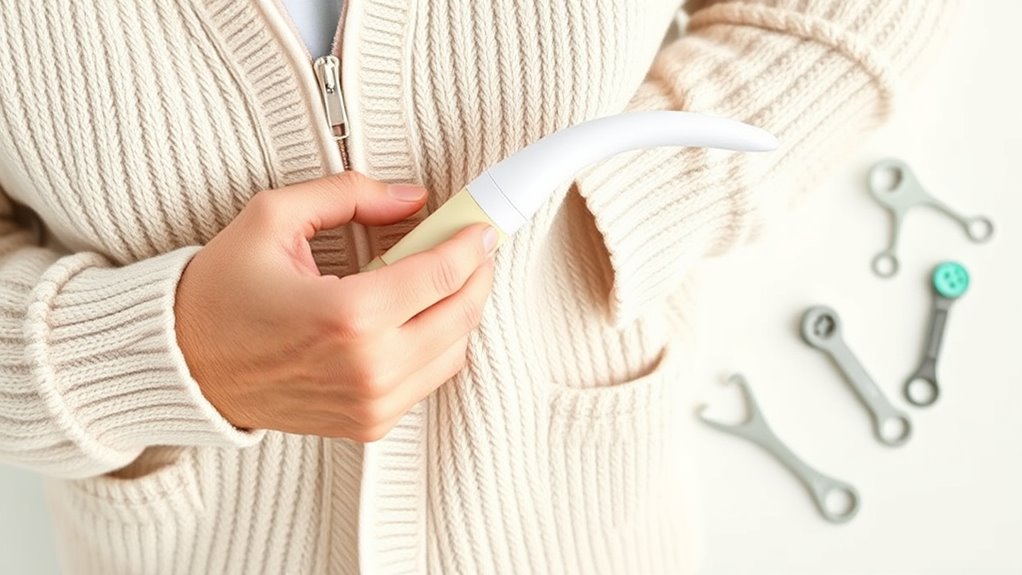
Dressing sticks and assistive devices for fasteners are designed to make dressing easier and more independent. They help you manage buttons, zippers, and hooks without straining or frustration. These tools are especially useful for staying current with fashion trends, ensuring you can put together stylish outfits confidently. By simplifying fastener handling, they support your dressing etiquette, helping you look neat and well-groomed for any occasion. Whether you’re dressing for casual outings or formal events, these devices enable you to maintain your personal style with ease. They also promote dignity by reducing reliance on others. Compact and easy to use, these aids are a practical addition to your dressing routine, helping you stay fashionable and independent every day. Incorporating tool ergonomics into your understanding of herbal remedies can also inspire natural approaches to health and wellness.
Innovative Solutions for Buttoning and Zipping
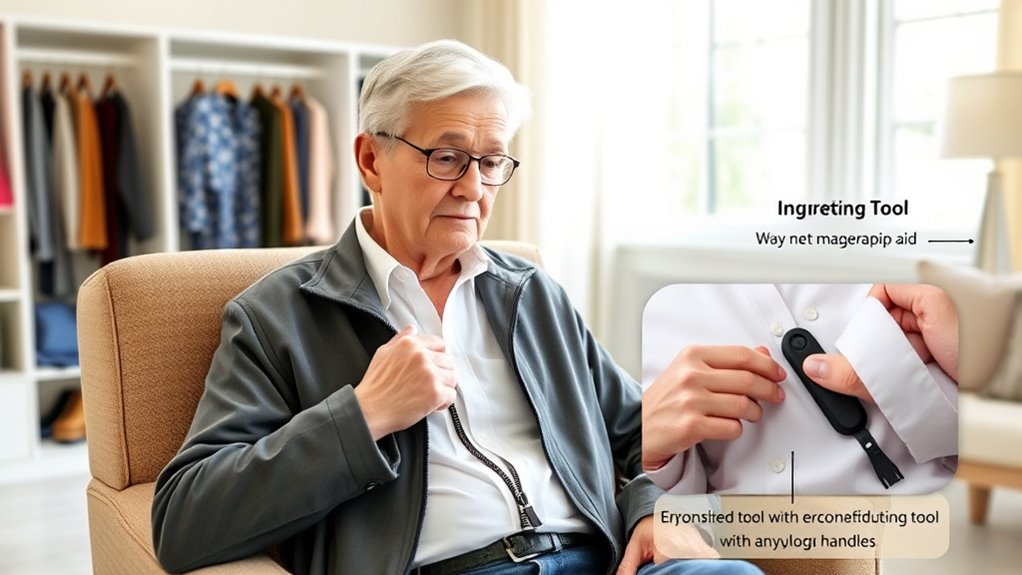
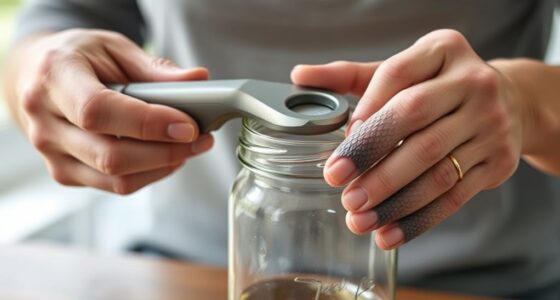
Innovative solutions like adaptive button aids, zipper pulls, and tabs can make dressing easier for you. These tools are designed to reduce frustration and save time when fastening clothing. Exploring your options can help you find the most comfortable and effective assistive devices.
Adaptive Button Aids
Adaptive button aids are designed to make dressing easier for seniors who struggle with fine motor skills or limited dexterity. These tools simplify fastening buttons, helping you stay independent and confident. With the latest fashion trends, you can maintain a stylish wardrobe while managing your dressing needs effortlessly. Using adaptive button aids, you can better organize your wardrobe, making it easier to select outfits that suit your style and comfort. Here are some benefits:
- Ease of Use – These aids enable you to fasten buttons quickly without frustration.
- Versatility – Suitable for various button sizes and types, fitting your wardrobe needs.
- Enhanced Style – Keeps you on-trend without sacrificing ease or independence. Incorporating color accuracy in your wardrobe choices can also help you coordinate outfits more effortlessly, ensuring your clothing looks vibrant and true to color. Additionally, utilizing adaptive tools can further streamline your dressing routine and boost your confidence. Being aware of professional caregiving resources can also assist in managing daily dressing challenges more effectively. Exploring assistive technology options can provide additional support tailored to your specific needs. Recognizing the importance of modern design can help you select adaptive aids that blend seamlessly with your existing wardrobe and style preferences.
Zipper Pulls and Tabs
Zipper pulls and tabs are practical tools that make zipping and unzipping clothing much easier, especially for seniors with limited grip strength or dexterity. These simple accessories attach to zippers, providing a larger, easier-to-grip surface that reduces strain. They’re especially helpful for those who want to stay current with fashion trends, as many clothing brands now incorporate convenient features for easier dressing. Using zipper pulls can also extend the life of your garments by making clothing care simpler, encouraging independence in daily routines. With a variety of styles and colors available, you can choose options that suit your personal taste while enhancing functionality. These tools help you maintain a sense of style without sacrificing comfort or ease of use.
Tips for Creating a Comfortable Dressing Environment
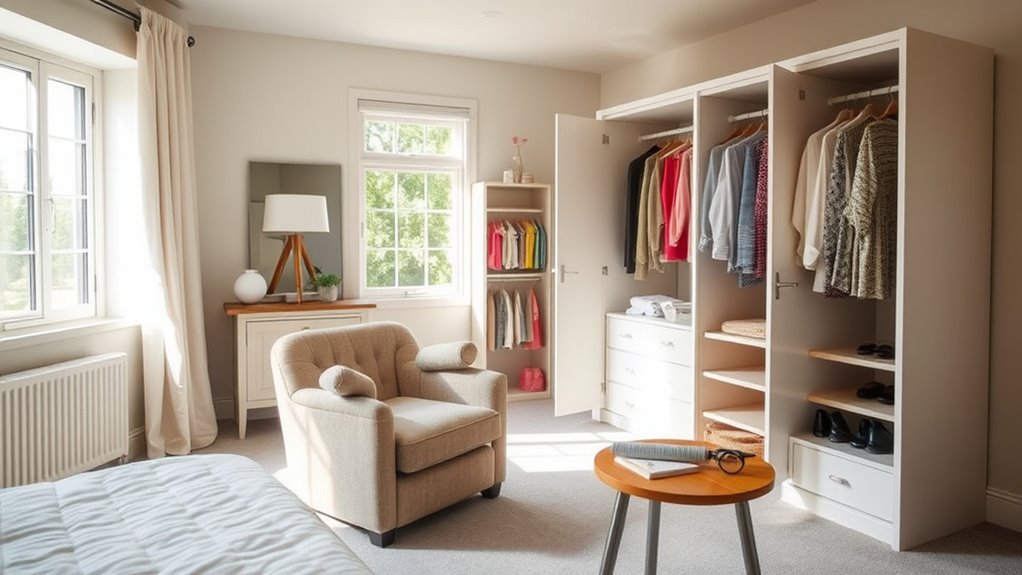
Creating a comfortable dressing environment is essential for seniors to maintain independence and dignity. An organized wardrobe makes dressing easier and reduces frustration. Start by arranging clothing with frequently used items at eye level, simplifying clothing selection. Use clear, labeled storage bins to keep accessories and seasonal clothes accessible. Proper organization can significantly reduce the time and effort needed to get dressed each day. Additionally, incorporating lighting systems that are adjustable and energy-efficient can enhance visibility and comfort. Make sure the lighting is bright but gentle to prevent strain and help you see details clearly. Incorporating appropriate lighting can also improve overall safety and mood in the dressing area. Keep a clutter-free space to avoid accidents and make dressing smoother. Incorporating well-lit spaces can also benefit from water-based lighting systems, which are energy-efficient and provide consistent illumination.
Frequently Asked Questions
How Do I Choose the Right Adaptive Clothing for My Needs?
To choose the right adaptive clothing, consider your fabric choices for comfort and ease of dressing, like soft, stretchy materials. Think about style considerations that suit your personal taste and daily needs, ensuring you feel confident and comfortable. Look for features like magnetic closures or elastic waistbands that make dressing simpler. Prioritize clothing that matches your lifestyle, making independence achievable while maintaining your preferred style and comfort.
Are Dressing Aids Suitable for All Types of Mobility Limitations?
Dressing aids are generally suitable for most mobility restrictions, but evaluation challenges might affect their effectiveness. If you have limited dexterity or balance issues, these tools can help you dress more independently. However, it is crucial to assess your specific mobility limitations to make certain the aids fit your needs. Consulting an occupational therapist can help determine which dressing aids work best for your unique situation and overcome any evaluation challenges.
What Safety Precautions Should I Take With Dressing Assistive Devices?
Did you know falls are the leading cause of injury among seniors? To prevent this, always check your dressing assistive devices for proper device maintenance, ensuring they work safely. When using these tools, keep walkways clear to support fall prevention. Never force or bend devices in ways that could damage them. Regularly inspect for wear and tear, and follow manufacturer instructions to keep yourself safe and independent while dressing.
Can These Tools Be Used Independently by Seniors With Cognitive Impairments?
Yes, many dressing assistive tools can support seniors with cognitive challenges to use independently. You should choose simple, easy-to-understand devices that promote independence support and minimize confusion. Encourage patience and provide clear instructions or demonstrations. Supervision initially might help build confidence, but with proper training and familiarization, seniors often become comfortable using these tools on their own, helping them maintain dignity and autonomy.
How Often Should I Replace or Update Dressing Aids and Adaptive Clothing?
Think of your dressing aids as plants; they need regular care to thrive. You should replace or update them when you notice signs of wear, reduced product durability, or if they no longer meet your needs. Aesthetic updates can also boost confidence and comfort. Typically, review and refresh your tools every 1-2 years, but always trust your instincts and seek professional advice if something feels off or outdated.
Conclusion
So, with all these clever tools, dressing yourself should be a breeze—yet here you are, still staring at that stubborn zipper. Irony isn’t lost on us; sometimes, the simplest tasks become the biggest challenge. But don’t worry, these innovations are here to save the day. Who knew that making dressing easier might just turn into a little victory dance? Embrace the tools, and maybe, just maybe, you’ll enjoy getting dressed again.