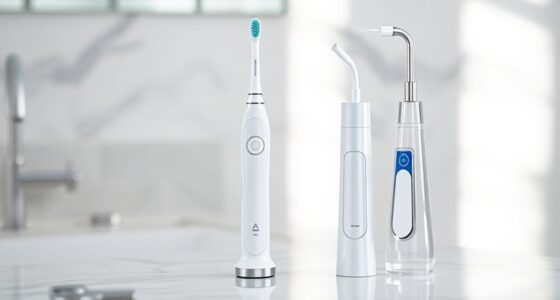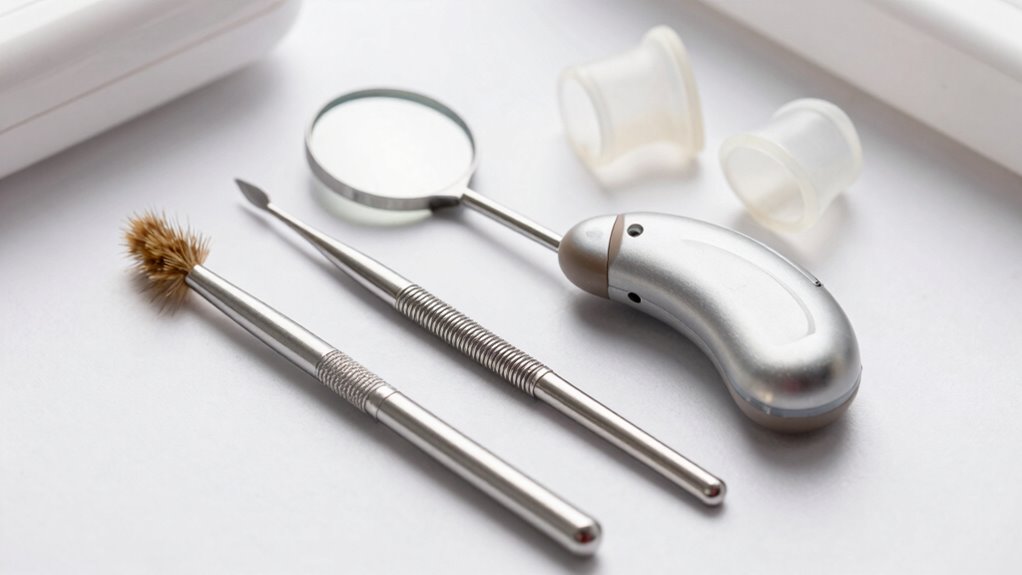

Using the right hearing aid care tools helps protect your device over time by maintaining hygiene and preventing damage from moisture, mold, and debris. Regularly cleaning with brushes, wax guards, and dehumidifiers keeps the components functioning smoothly. Proper care reduces wear and tear, and keeps batteries performing well longer. By managing environmental factors and inspecting your device, you can avoid costly repairs. If you want to learn more about how specific tools support your hearing aid’s health, keep exploring.
Open a free Amazon Business account
Business pricing, bulk buying and tax-exempt orders.
As an affiliate, we earn on qualifying purchases.
Key Takeaways
- Proper cleaning with care tools prevents dirt, wax, and mold buildup that can impair device function over time.
- Using dehumidifiers and drying kits removes moisture, reducing internal corrosion and damage.
- Regular inspection and maintenance help identify issues early, ensuring longevity and optimal performance.
- Specialized tools like wax guards protect sensitive components from debris and earwax damage.
- Safe storage and handling with care tools minimize physical damage and extend device lifespan.

Taking good care of your hearing aids is crucial to guarantee they work effectively and last longer. Using the right hearing aid care tools can make a significant difference in maintaining their performance and durability. Proper maintenance starts with paying attention to battery health. Regularly checking and replacing batteries prevents unexpected shutdowns and ensures your devices function at their best. Using battery testers or keeping spare batteries in a cool, dry place can extend their lifespan. It’s also helpful to develop a routine of turning off your hearing aids when not in use, which conserves battery life and reduces unnecessary wear.
Proper battery care ensures your hearing aids perform well and last longer through regular checks and safe storage.
Another critical aspect of care involves mold prevention. Sweat, moisture, and earwax are common culprits that can cause damage or reduce the effectiveness of your hearing aids. Investing in dehumidifiers or drying kits designed for hearing aids can help eliminate excess moisture after each use. These tools draw out built-up humidity, preventing mold growth that can compromise the internal components. Regularly inspecting your devices for any signs of mold or residue is essential; if you notice any buildup, cleaning with specialized tools like wax guards or a soft brush can help maintain hygiene and function. Additionally, understanding how indoor air quality affects moisture levels can help you better manage environmental factors that contribute to device damage. Awareness of environmental conditions, such as humidity and temperature, is essential, as they can accelerate deterioration if not properly managed. Using moisture control tools can further protect your devices from humidity-related damage. Incorporating environmental awareness into your routine can help prevent issues caused by fluctuating indoor conditions.
As an affiliate, we earn on qualifying purchases.
Frequently Asked Questions
How Often Should I Replace My Hearing Aid Care Tools?
You should replace your hearing aid care tools, like brushes and wax guards, every 3 to 6 months to guarantee peak performance. Regularly check the battery lifespan and replace batteries as needed to prevent moisture buildup. Store your tools properly, in a dry, clean place, following storage tips to prevent damage. Frequent replacements keep your hearing aids functioning well, and proper maintenance extends their lifespan.
Are There Specific Cleaning Tools for Different Hearing Aid Models?
Sure, there are specific cleaning tool types for different hearing aid models—because your high-tech device deserves a tailored spa day! While some cleaning tools work universally, others are designed for hearing aid compatibility with particular models. Think of it as fitting the right key to the lock—using the wrong cleaning tool is like trying to wash a diamond with a toothbrush. Always check your device’s specifications before choosing your cleaning arsenal.
Can I Use Household Cleaning Products on My Hearing Aids?
You shouldn’t use household cleaning products for your hearing aids. Household chemicals can damage delicate components and cause malfunction. DIY cleaning with harsh products might seem convenient, but it risks ruining your device. Always use specially designed hearing aid care tools and cleaning solutions recommended by your audiologist. Proper cleaning preserves sound quality and extends your hearing aid’s lifespan, ensuring you get the best performance without risking damage from unsuitable household chemicals.
Do Care Tools Help Prevent Hearing Aid Malfunctions?
Think of your hearing aid as a delicate garden; proper care tools act like diligent gardeners, preventing malfunctions. They help maintain your device’s hearing aid durability by making sure dust, moisture, and debris don’t cause damage. Regular maintenance routines with these tools keep your hearing aids functioning smoothly, reducing the risk of costly repairs. In this way, you guarantee your hearing aids stay reliable and effective for years to come.
Are Professional Cleaning Services Necessary if I Use Care Tools Regularly?
Professional cleaning services aren’t always necessary if you use hearing aid accessories regularly and maintain proper cleaning frequency. Your care tools help keep your device in good shape, but occasional professional cleanings ensure deep dirt removal and calibration. If you notice buildup or performance issues, booking a professional service can be beneficial. Regular use of care tools combined with periodic professional cleaning maximizes your hearing aid’s longevity and ideal function.
As an affiliate, we earn on qualifying purchases.
Conclusion
By using the right hearing aid care tools, you’re building a shield that guards your device against daily wear and tear. Think of these tools as your loyal guardians, keeping your hearing aid in top shape so it can serve you well for years to come. When you care for your hearing aid, you’re nurturing a trusted companion—one that’s always ready to help you stay connected to the world around you.
As an affiliate, we earn on qualifying purchases.
As an affiliate, we earn on qualifying purchases.
NFL season / tailgating Picks
team gear
As an affiliate, we earn on qualifying purchases.