If you fall, stay calm and carefully assess your condition. If uninjured, roll onto your side, then push yourself up into a seated position using your arms. Use sturdy furniture or walls for support as you slowly stand. Incorporate balance exercises and use assistive devices like canes or grab bars to prevent future falls. Following these steps can help you stay safe and regain stability—with more tips on how to recover efficiently, continue exploring.
Key Takeaways
- Stay calm, assess injuries, and call for help if needed before attempting to stand.
- Roll onto your side, push up with your arms, then crawl to support before standing.
- Use sturdy furniture or walls for balance during the rise, moving deliberately and cautiously.
- Utilize assistive devices like canes or walkers properly to support stability and reduce fall risk.
- Practice regular balance exercises and ensure devices are accessible and well-maintained for safer recovery.
Have you ever experienced a fall that left you shaken or injured? Falling can be startling and frightening, but knowing how to get up safely is vital to prevent further injury. After a fall, your first priority is to stay calm and assess your condition. If you feel pain, dizziness, or suspect injury, avoid moving and call for help. If you’re uninjured or only mildly shaken, taking a few moments to regain your composure helps you plan your next steps.
Getting up safely begins with a steadying position. If you’re lying on your back, bend your knees and roll onto your side, then push yourself up into a seated position with your arms. From there, position yourself on your hands and knees, and then crawl to a sturdy piece of furniture or support nearby. Using furniture or a wall for balance, slowly rise to a standing position. It’s vital to move deliberately and avoid rushing, which could cause a secondary fall or injury.
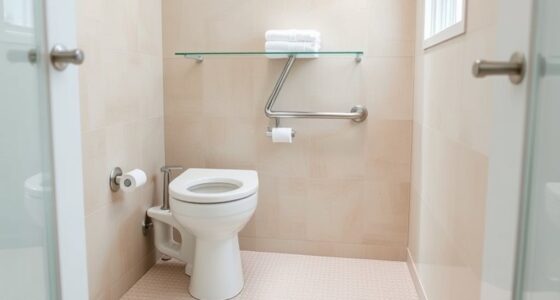
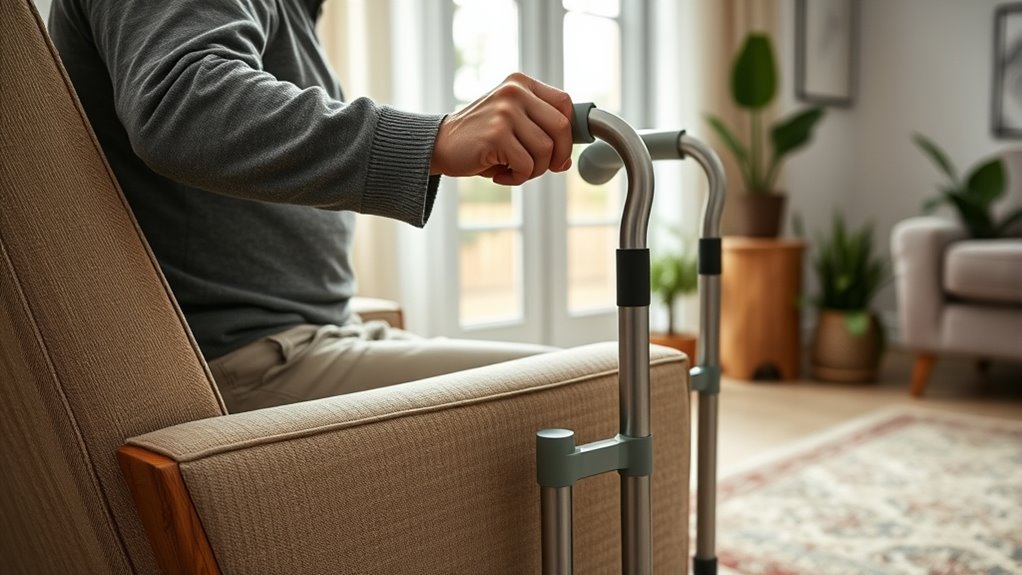
Balance exercises are an excellent way to build strength and coordination, reducing the risk of future falls. Incorporating simple routines like standing on one foot or heel-to-toe walking improves stability over time. Consistent practice makes your muscles more responsive and your balance more reliable, especially important if you’ve experienced a fall before. Alongside balance exercises, assistive devices can be invaluable. Canes, walkers, or grab bars provide additional support, making it safer to stand up and navigate around your home. Position these devices near where you typically stand or move, so they’re easily accessible during recovery.
When using assistive devices, ensure they’re in good condition and properly fitted to your height. For example, a cane should be adjusted so that its handle is roughly hip level when standing straight. A walker with brakes adds stability, especially on uneven surfaces. These tools not only help you get up but also support your balance as you move around, giving you confidence and reducing anxiety about falling again. Additionally, regularly practicing balance exercises can improve your overall stability and help prevent future falls.
adjustable walking cane with LED light
As an affiliate, we earn on qualifying purchases.
As an affiliate, we earn on qualifying purchases.
Frequently Asked Questions
How Can I Prevent Falls in the First Place?
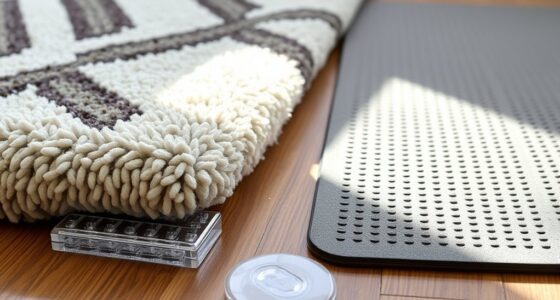
To prevent falls, you should make home modifications like removing loose rugs, installing grab bars, and improving lighting. Regularly review your medications with your healthcare provider, as some can cause dizziness or balance issues. Stay active with balance and strength exercises, wear proper footwear, and use assistive devices if needed. These steps help reduce fall risks and keep you safe at home.
Are There Specific Exercises to Improve Balance?
Yes, you can improve your balance through specific balance exercises like standing on one foot, heel-to-toe walking, and Tai Chi. Strength training is also essential, focusing on leg and core muscles to support stability. Incorporate these balance exercises regularly, gradually increasing difficulty. Combining balance exercises with strength training helps enhance coordination and reduces fall risk, making you steadier and more confident in everyday movements.
What Should I Do if I Injure Myself During a Fall?
If you injure yourself during a fall, stay calm and call emergency response if needed. Assess your injury carefully—check for pain, swelling, or bleeding. Do not try to move if you suspect a broken bone or serious injury. Keep still, support the injured area if possible, and wait for help. Remember, injury assessment is vital—it’s better to get professional medical attention to avoid further harm.
Can Technology Help Prevent Future Falls?
Yes, technology can help prevent future falls. Smart home devices, like automatic lighting and motion sensors, detect movement patterns and alert you to hazards or irregularities. Wearable sensors monitor balance, gait, and activity levels, providing real-time feedback and alerts if risks increase. Together, these technologies promote safety by giving you early warnings and enabling proactive adjustments, reducing the likelihood of falls and enhancing your confidence at home.
How Often Should I Review My Fall Prevention Plan?
You should review your fall prevention plan every six months, or more often if your health changes. Think of it as tuning a musical instrument—you want it to stay in perfect harmony. Regularly check your home modifications for hazards, and schedule a medication review with your doctor to identify side effects that could increase fall risk. Staying proactive keeps you steady and safe on your feet.
As an affiliate, we earn on qualifying purchases.
Conclusion
So, next time you take a tumble, remember that getting up is an art—and yes, a little comedy. With the right devices and a dash of patience, you’ll be back on your feet faster than you can say “gravity.” No need to audition for a circus act just yet—just follow these tips, stay safe, and maybe, just maybe, avoid that embarrassing trip down the stairs. After all, falling might be inevitable, but looking ridiculous? That’s optional.
As an affiliate, we earn on qualifying purchases.
As an affiliate, we earn on qualifying purchases.