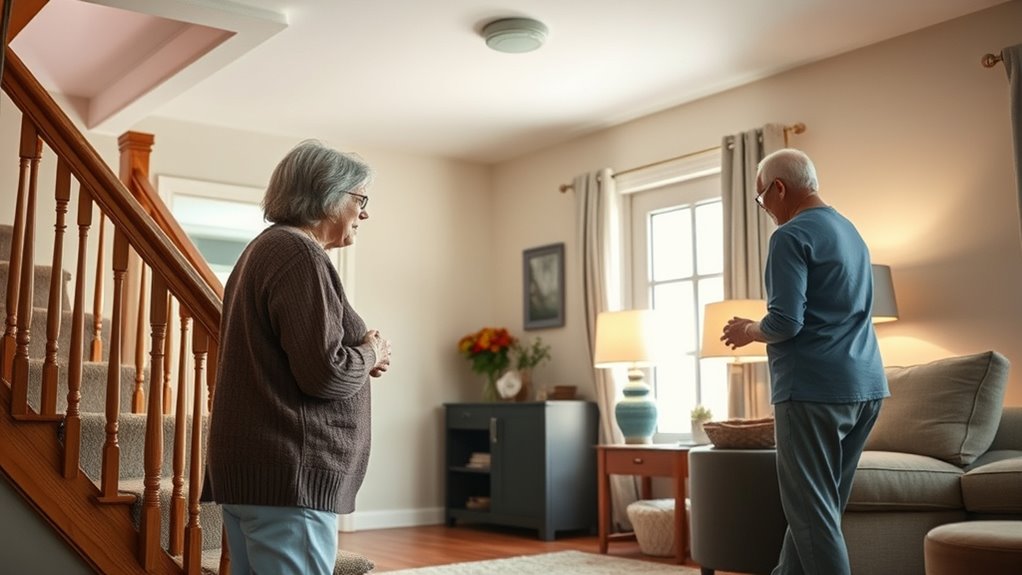

To keep your home safe, check for slippery or uneven flooring and fix any issues promptly. Make sure all lighting is bright enough and install grab bars in bathrooms and hallways. Secure rugs with non-slip pads, clear pathways of clutter, and guarantee easy access to emergency exits. Regularly inspect heating, cooling, and furniture stability. Taking these steps helps prevent accidents and ensures a safer environment—you’ll discover more helpful tips if you continue exploring.
Key Takeaways
- Inspect floors regularly for hazards like loose tiles, cracks, or uneven surfaces; use non-slip mats where needed.
- Ensure proper lighting throughout the home, especially in hallways, staircases, and outdoor pathways.
- Secure rugs and carpets with non-slip pads; check furniture stability and add non-slip furniture pads.
- Install sturdy grab bars in bathrooms and keep pathways clear of clutter and obstacles.
- Regularly maintain heating, cooling, and ventilation systems; store medications safely out of children’s reach.
Check for Slippery or Uneven Flooring

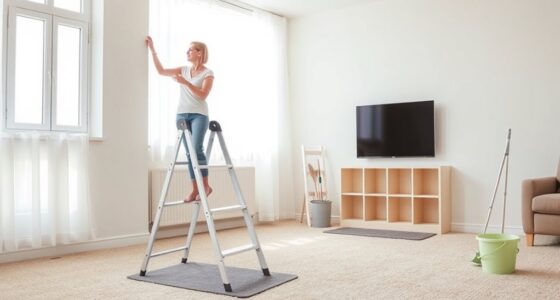
Slippery or uneven flooring can pose serious fall risks for seniors. These flooring hazards increase the chance of slips and falls, especially in areas prone to moisture or wear. To guarantee slip prevention, regularly inspect your floors for loose tiles, uneven surfaces, or worn-out patches. Use non-slip mats or adhesive strips in high-risk areas like bathrooms and kitchens. Repair any cracks, crevices, or uneven spots promptly to reduce tripping hazards. Avoid throw rugs that can slide or bunch up, causing falls. Keeping floors clean and dry also helps prevent slips. Additionally, flooring materials can influence the safety and slip resistance of your surfaces, so choosing appropriate, non-slip options is beneficial. Selecting non-slip flooring materials during renovations can significantly enhance safety and reduce accident risks. Being aware of safety features when selecting new flooring can further enhance home safety. Incorporating advanced anti-slip coatings can provide an extra layer of protection on existing surfaces. By addressing flooring hazards proactively, you create a safer environment where you’re less likely to experience falls or injuries. Regular checks and maintenance are key to slip prevention in your home.
Ensure Proper Lighting Throughout the Home
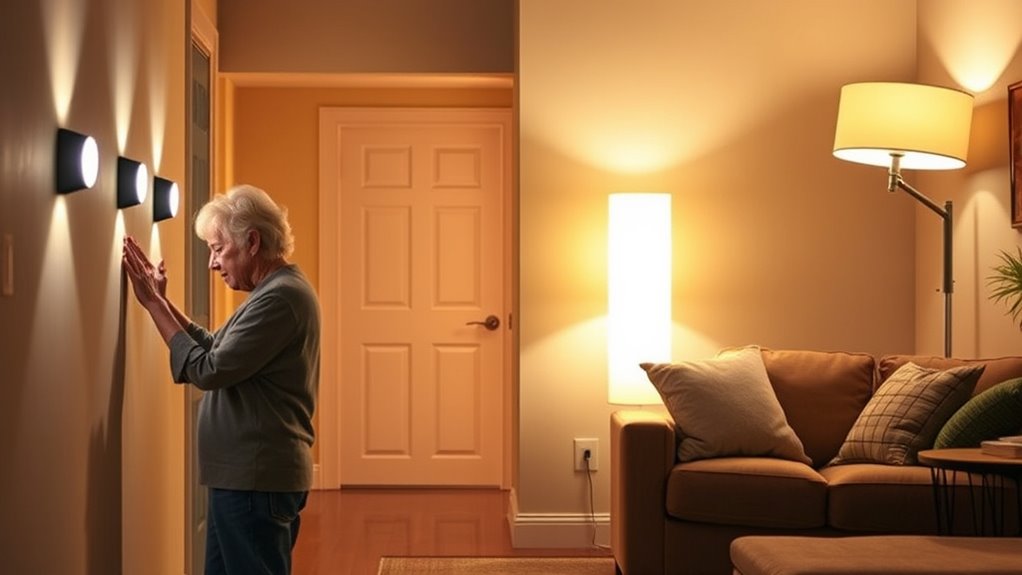
Have you ever struggled to see clearly in a dimly lit room? Proper illumination levels are vital for safety and independence. Check all lighting fixtures to guarantee they work properly and replace dim or flickering bulbs. Use brighter bulbs or add additional light sources where needed, especially in hallways, staircases, and bathrooms. Consider installing adjustable lighting to customize brightness. Here’s a quick guide:
| Area | Recommended Action |
|---|---|
| Hallways & Staircases | Add bright, consistent lighting fixtures |
| Bathrooms & Kitchens | Install task lighting for better visibility |
| Living Areas | Use layered lighting for flexibility |
| Outdoor Spaces | Ensure sufficient illumination around entry points |
Making these adjustments improves safety, reduces trip hazards, and helps you see clearly everywhere you go. Incorporating proper lighting techniques can further enhance overall safety and ambiance. Additionally, exploring smart lighting options can allow for easier control and customization of your lighting environment. Proper lighting levels reduce shadows and enhance overall visibility, which is crucial for maintaining safety in the home. Utilizing AI-powered lighting controls can optimize lighting based on activity patterns and ambient conditions, further boosting safety and efficiency. Regular maintenance and professional inspections of your lighting fixtures can help prevent potential issues before they become hazards.
Secure Rugs and Carpets to Prevent Tripping
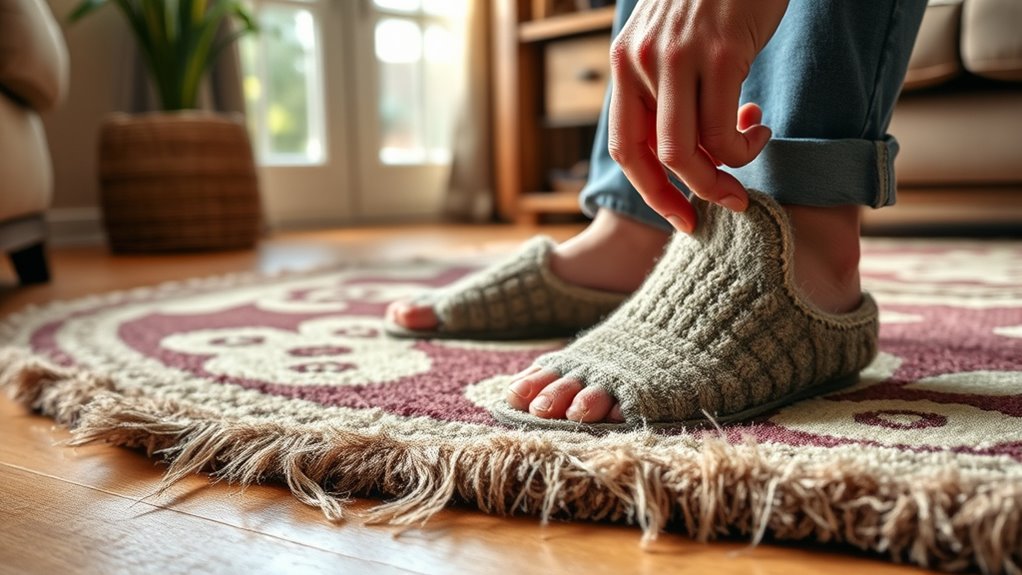
To prevent trips and falls, securing rugs and carpets firmly to the floor is vital. Loose area rugs or carpets can be a hazard, especially in high-traffic areas. Use non-slip pads under all rugs to keep them in place. Regularly check the edges of your carpets and area rugs for loosening or curling, and reattach or trim as needed. Make sure rugs are flat and smooth to avoid creases. Consider replacing old or frayed carpets that may pose a tripping risk. Proper installation techniques can significantly reduce the risk of slipping and tripping hazards. Additionally, choosing carpets with anti-slip backing can provide extra safety and stability.
Install Grab Bars in Bathrooms and Hallways
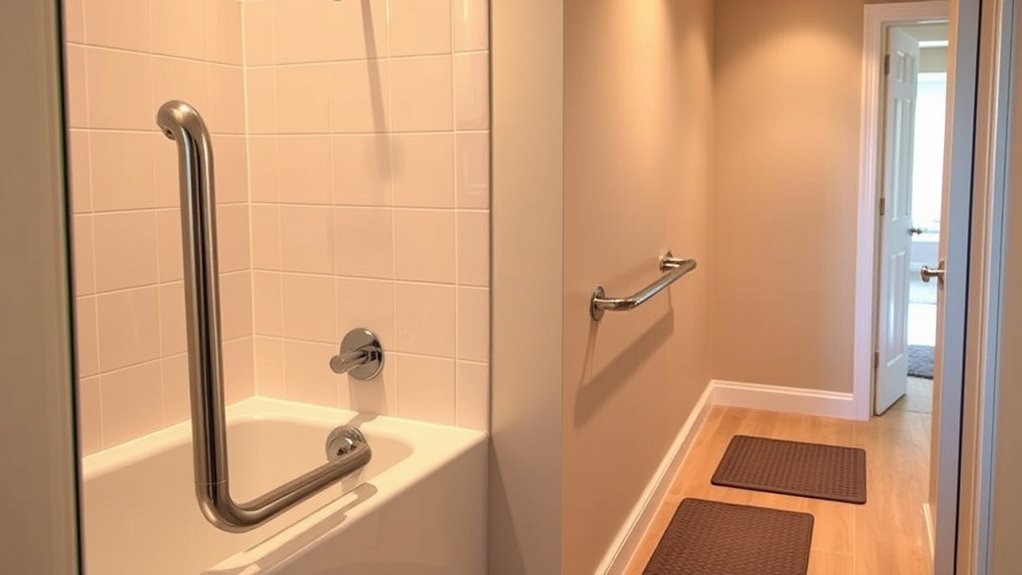
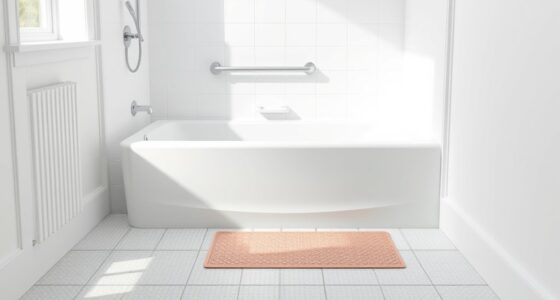
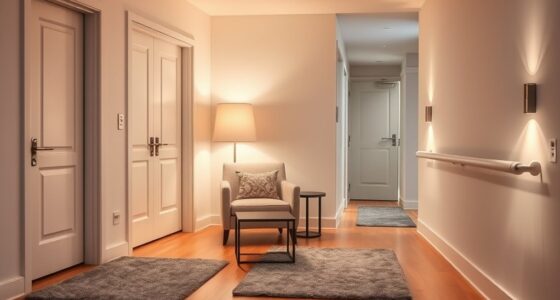
Installing grab bars in bathrooms and hallways can greatly reduce the risk of falls by providing steady support when moving around these often hazardous areas. Proper grab bar installation is essential for bathroom safety, especially near toilets, showers, and tubs where slips are common. When installing grab bars, choose sturdy, corrosion-resistant models designed to hold your weight. Position them at accessible heights and ensure they are securely anchored into wall studs or with appropriate anchors. It is also important to use proper installation methods to guarantee maximum safety and durability of the grab bars, and understanding wall anchoring techniques can further enhance their safety and longevity. Regularly check that the grab bars remain secure and in good condition. These simple modifications make your home safer, giving you confidence and independence while reducing fall risks. Additionally, using secure fastening methods can prevent loosening over time and maintain support strength. Incorporating connectivity options such as smart sensors can also alert caregivers if a grab bar is loosened or needs maintenance, further increasing safety.
Clear Clutter and Obstacles From Pathways
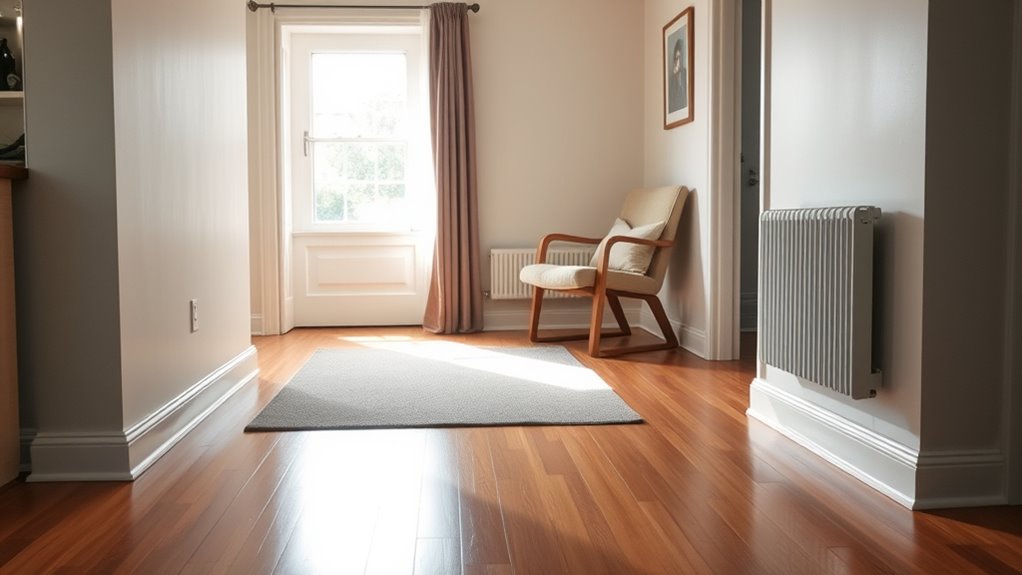
Keeping pathways clear of clutter and obstacles is essential for preventing trips and falls around your home. Clutter control helps you stay safe, especially in high-traffic areas. Be mindful of garden hazards like tools, hoses, or uneven ground that can cause falls. Regularly tidy walkways and remove any objects that block your path. Incorporating simple organizing strategies can make maintaining clear pathways easier and more effective. Consider these steps:
- Remove loose rugs or secure them to prevent slipping.
- Clear garden tools and hoses from walkways.
- Keep cords and wires out of foot traffic zones.
- Ensure lighting is sufficient to see obstacles clearly.
- Periodically inspect your home for potential safety hazards that could contribute to accidents.
- Understanding water safety can also help prevent slips and falls, especially in areas prone to moisture.
- Utilizing personal safety assessments can help identify additional risks in your home environment.
- Additionally, using non-slip mats in areas prone to moisture can further reduce the risk of slipping.
Test Smoke and Carbon Monoxide Detectors
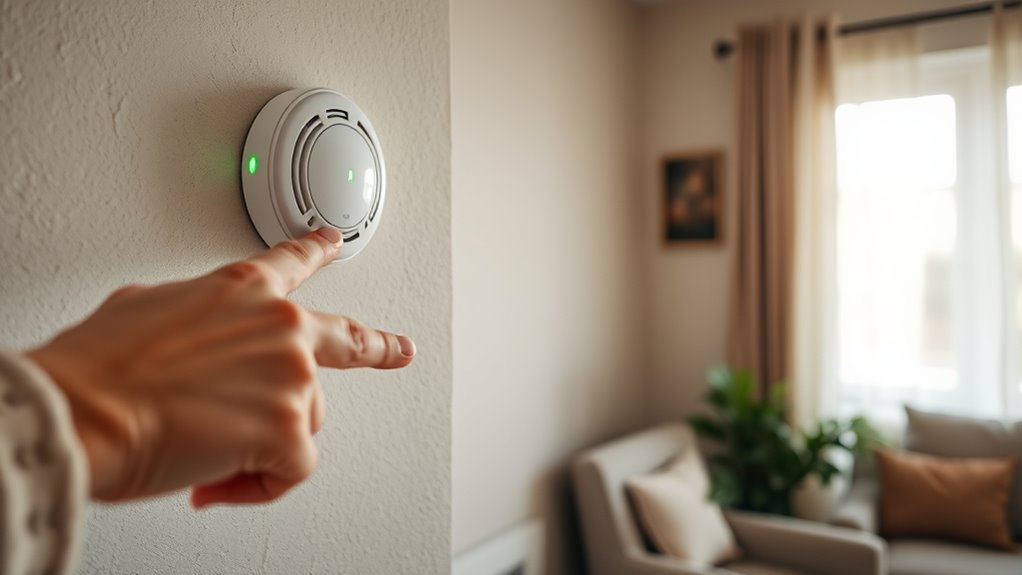
When was the last time you tested your smoke and carbon monoxide detectors? Regular testing is essential for fire safety and protecting against electrical hazards. Press the test button on each detector to ensure it sounds clearly; if it doesn’t, replace the batteries or the unit itself. Make sure detectors are installed on every level of your home, especially near bedrooms and kitchens. Check that the detectors are clean and free of dust, which can interfere with proper functioning. Proper detector placement and installation are crucial for comprehensive home safety. Never ignore the importance of working alarms—they can alert you to danger early enough to escape safely. Remember, a simple test can prevent tragedy, giving you peace of mind that your home is as safe as possible for you and your loved ones. Regularly reviewing home safety guidelines can help ensure all safety measures are up to date and effective.
Review Medication Storage and Safety Measures

Ensuring that medications are stored safely is essential for preventing accidental ingestion or misuse. Proper medication organization and storage safety help keep your loved ones secure. To improve safety, consider these steps:
Store medications safely out of children’s reach and regularly check expiration dates to prevent accidents.
- Store medications out of children’s reach and sight.
- Use a dedicated, clearly labeled container for each type of medication.
- Regularly check expiration dates and dispose of expired medicines properly.
- Keep medications in a cool, dry place away from heat and humidity.
Make Emergency Exits Easily Accessible
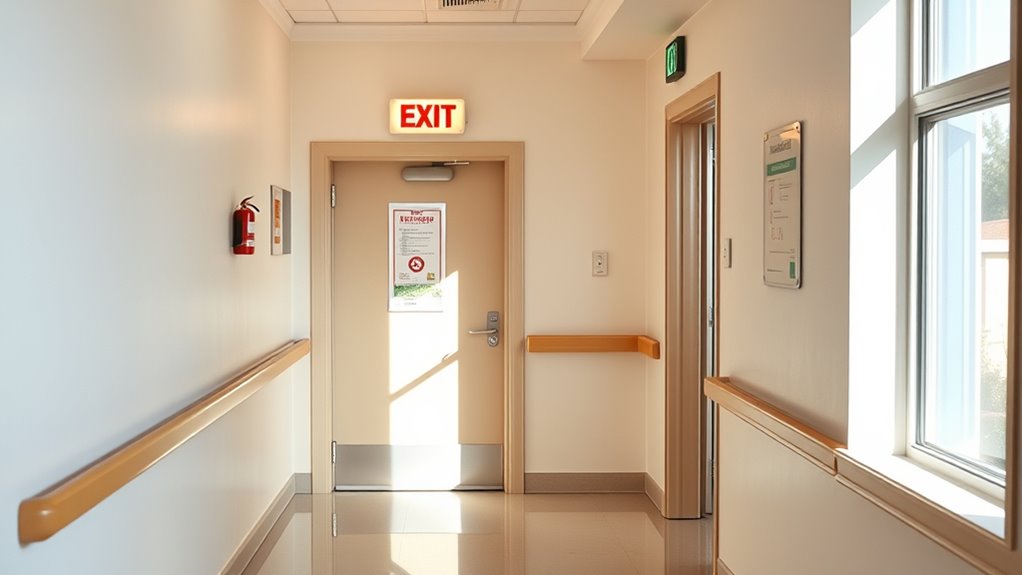
You need to keep emergency exits clear at all times so everyone can evacuate quickly. Regularly check that pathways aren’t blocked and remove any obstacles. Clearly mark emergency exits so they’re easy to find in an emergency.
Clear Pathways Regularly
Keeping pathways clear is essential to guarantee that emergency exits are easily accessible in any situation. Regular clutter reduction ensures nothing blocks your escape routes, reducing trip hazards. Proper pathway lighting illuminates key areas, making exits visible even in low light. To maintain safe pathways, consider these steps:
- Remove clutter and obstacles from hallways and doorways.
- Keep walkways free of cords and small objects.
- Install or upgrade pathway lighting for better visibility.
- Regularly check and clean these areas to prevent buildup.
Mark Emergency Exits
Clear pathways are only effective if everyone can quickly identify where to go in an emergency. That’s why it’s important to mark emergency exits clearly. Use visible emergency exit signage so you and your loved ones can easily spot escape routes during a crisis. Regularly check that signs are unobstructed and in good condition. Incorporate escape route planning by practicing how to reach exits swiftly from different areas of your home. Make certain doors leading to emergency exits are easy to open and free of obstacles. Clearly marked exits reduce confusion and save essential time during emergencies. By making your emergency exits obvious and accessible, you help protect everyone in your household, especially seniors who may need extra assistance during urgent situations.
Inspect and Maintain Heating and Cooling Systems
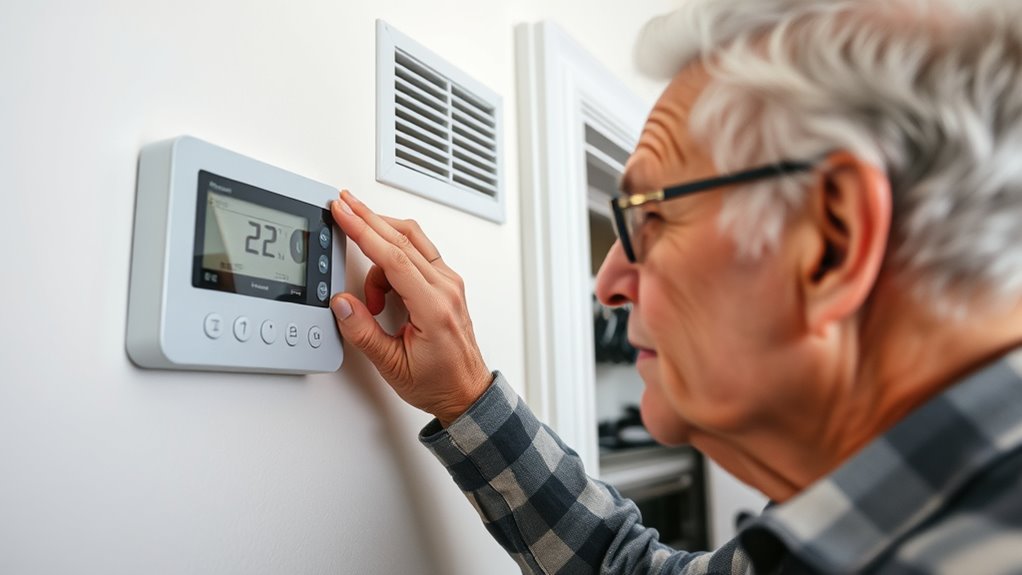
You should regularly inspect your heating and cooling systems to make sure they’re working properly. Performing routine maintenance checks helps catch potential issues early and keeps the systems running efficiently. Staying on top of these tasks can prevent breakdowns and keep your home safe and comfortable.
Proper System Inspection
Regularly inspecting and maintaining your heating and cooling systems is essential to make sure they operate efficiently and safely. Start by checking for any unusual noises or leaks that could signal a problem. Ensure your home alarm systems are functioning properly to alert you to hazards. Don’t forget sprinkler system checks, especially for seasonal changes, to prevent water damage. Here are four key steps:
- Replace or clean filters to improve air quality and system efficiency.
- Inspect vents and ducts for blockages or debris.
- Test thermostats for accurate temperature control.
- Schedule professional inspections annually for thorough system health checks.
Staying on top of these tasks keeps your systems running smoothly, reduces safety hazards, and ensures a comfortable home environment.
Regular Maintenance Checks
To keep your heating and cooling systems operating safely and efficiently, inspecting and maintaining them regularly is vital. Start by checking the electrical wiring for signs of wear or damage, as faulty wiring can pose a fire safety risk. Replace frayed or damaged wires immediately. Ensure filters are clean and replace them if necessary to prevent system strain and improve air quality. Schedule professional inspections annually to verify that components like thermostats and vents are working properly. During maintenance, ask technicians to review safety features and look for potential hazards. Regular upkeep not only improves system performance but also reduces fire risk and electrical issues. Staying proactive helps keep your home safe and your systems running smoothly.
Assess and Adapt Furniture for Stability and Support

Ensuring furniture is stable and supportive is essential for senior safety. You can improve furniture stability and prevent falls by making simple adjustments. Consider these steps:
Stable, supportive furniture enhances senior safety—tighten, replace, and add non-slip features to prevent falls.
- Check all furniture for wobbliness; tighten loose screws or bolts.
- Replace worn or uneven support cushions with firm, stable ones.
- Add non-slip pads under furniture legs to prevent sliding.
- Swap out low or unstable chairs for higher, sturdier options with arms for better support.
Frequently Asked Questions
How Often Should Safety Checks Be Performed in the Home?
You should perform safety checks around your home at least once a month to ensure fire prevention and emergency preparedness. Regular inspections help you identify hazards like faulty wiring or clutter that could cause falls. Check smoke detectors, fire extinguishers, and clear escape routes frequently. Staying proactive keeps your home safer, reduces risks, and prepares you for emergencies, giving you peace of mind and protecting your loved ones.
Are There Specific Safety Products Recommended for Seniors?
Imagine a fortress where you’re the hero—your home. Recommended safety products like grab bars, non-slip mats, and motion-activated lights are essential senior safety gadgets that create this fortress. These tools help prevent falls and accidents, making daily life safer and easier. Invest in these safety products, and you’ll feel more confident and secure, knowing your home actively protects you from potential hazards.
How Can I Involve Seniors in the Safety Assessment Process?
Engaging seniors in the safety assessment process is crucial for their independence and comfort. You can involve them by explaining each check clearly, asking for their input, and encouraging senior participation. Make it a collaborative effort, allowing them to voice concerns and suggest improvements. This approach not only guarantees a thorough safety review but also empowers seniors, making them feel valued and in control of their environment.
What Are Common Hidden Hazards in the Home for Seniors?
Hidden hazards can catch seniors off guard, risking falls and injuries. Common ones include loose rugs, cluttered walkways, poor lighting, and uneven flooring. These hazards often go unnoticed but are critical for fall prevention. Regularly inspect your home for these dangers, fix or remove them promptly, and involve seniors in safety checks to keep their environment secure and reduce the risk of falls.
How Do I Prioritize Safety Improvements Based on Risk?
You should start with a risk assessment to identify hazards that pose the greatest danger. Focus on areas like stairs, bathroom, and kitchen, where falls or burns are common. Use safety prioritization by addressing the highest risks first—install grab bars, improve lighting, and remove tripping hazards. Regularly reassess your home to stay ahead of new risks, ensuring your environment remains as safe as possible.
Conclusion
By following these simple safety checks, you’ll create a secure haven, much like the fortress of a hero in their story. Just as heroes prepare for any challenge, staying vigilant guarantees you’re ready for life’s unexpected moments. Keep your home safe and your confidence high, so you can enjoy your independence with peace of mind. Remember, a little proactive effort today can turn your house into your personal sanctuary—your very own kingdom of comfort and safety.