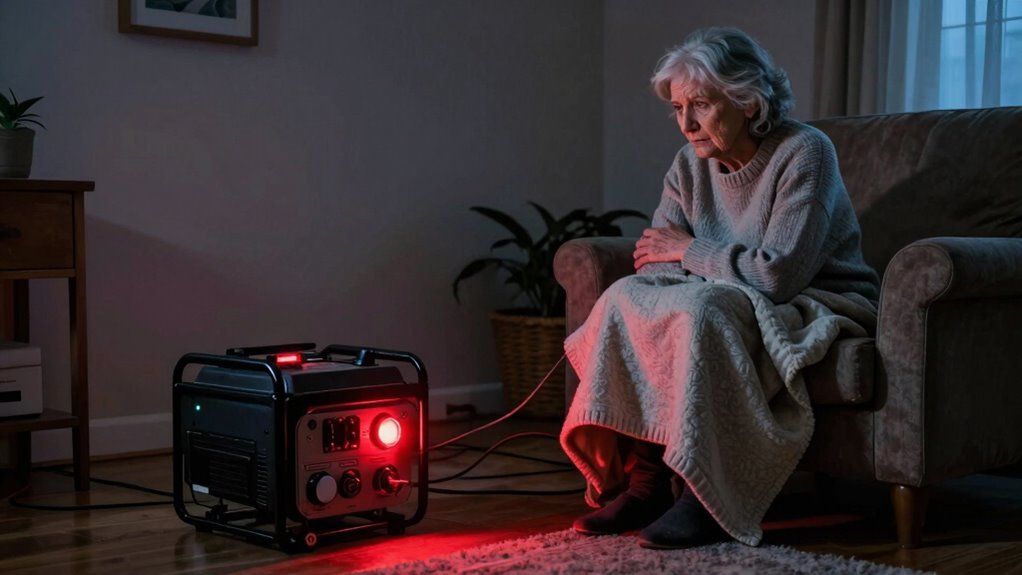

Home power backup is a bigger safety issue for seniors than it seems because power outages can quickly create dangerous situations, like falls, medical device failures, or exposure to extreme temperatures. Without proper backup systems, you risk carbon monoxide poisoning or fire hazards from generators and batteries. Regular maintenance and understanding safe operation are essential to prevent accidents and guarantee reliable power. Staying informed about these safety measures helps you protect your loved ones when it matters most.

Turn quiet afternoons into listening time
- Thousands of audiobooks, podcasts and originals
- Listen on your phone, tablet or Echo — also offline
- Cancel anytime
Key Takeaways
- Seniors rely heavily on backup systems for essential needs, making failures more hazardous for their safety.
- Improper generator use can cause carbon monoxide poisoning, disproportionately affecting vulnerable seniors.
- Neglected maintenance of backup batteries increases risk of sudden power loss during emergencies.
- Lack of familiarity with backup system operation can lead to dangerous mistakes in critical moments.
- Regular safety awareness and system checks are vital to prevent accidents and ensure reliable backup for seniors.
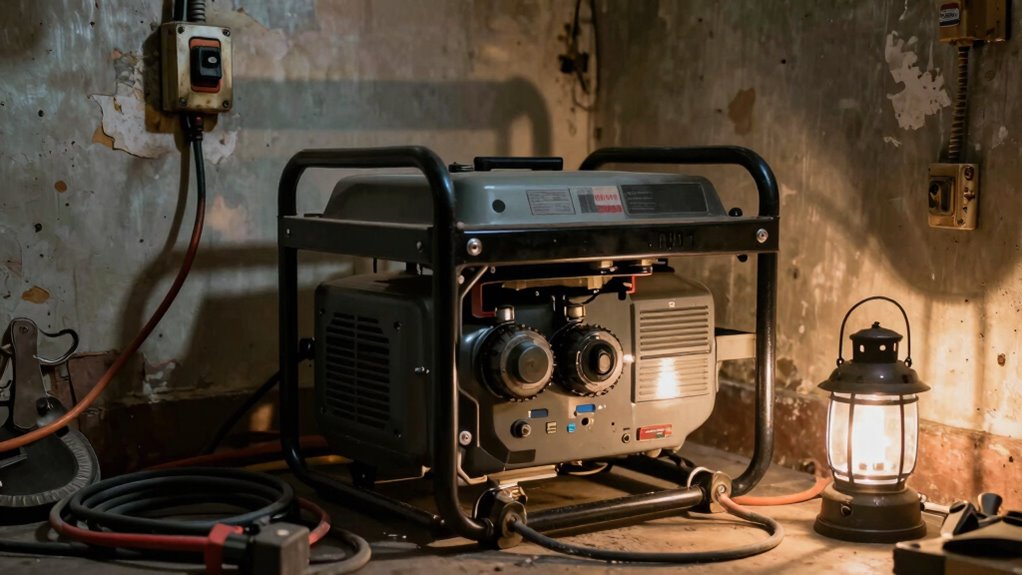
During power outages, seniors are especially vulnerable to safety risks, making it essential to have reliable backup solutions in place. But simply having a generator or battery backup isn’t enough—you need to understand the safety considerations involved. Generator safety is a top priority because improper use can lead to carbon monoxide poisoning, electrical hazards, or fires. Always operate your generator outdoors, away from windows and vents, to prevent dangerous fumes from entering your home. Never run a generator inside your house or garage, regardless of how much you need power. Regularly inspecting your generator for damage, ensuring it’s grounded correctly, and following the manufacturer’s instructions can prevent mishaps. Also, keep a fire extinguisher nearby and be cautious about overloads that could cause overheating or sparks.
Operate generators outdoors, away from vents, and follow safety guidelines to prevent dangerous fumes and hazards.
Battery maintenance is equally critical. If you rely on battery backups or UPS systems, you need to regularly check their health. Batteries can deteriorate over time, leading to reduced efficiency or failure when you need them most. Make sure to keep the terminals clean and free of corrosion, and test the system periodically to confirm it’s functioning properly. Replacing batteries according to the manufacturer’s recommended schedule prevents unexpected breakdowns during outages. Remember that a neglected battery can leak harmful chemicals or fail to provide power when necessary, which is especially dangerous for seniors who depend on these systems for essential medical devices or communication tools. Furthermore, understanding the differences in technology between DLP and LCD projectors can help you choose the right equipment for your needs and enhance your viewing experience. Proper battery storage practices can extend the lifespan of your backup systems and ensure readiness when needed. Additionally, being aware of the proper maintenance routines for backup systems can significantly reduce the risk of failures during critical moments. Regularly checking your backup systems and understanding system limitations can help prevent unanticipated failures when you need them most. Incorporating smart automation into your backup plan can also help monitor system performance and alert you to potential issues before they become emergencies.
It’s also important to plan ahead. Know how to operate your backup system safely, and ensure that your emergency kit includes essential supplies like flashlights, batteries, and a carbon monoxide detector. Familiarize yourself with the location of your circuit breaker so you can quickly shut off power if needed. Educate yourself about the limitations of your backup solutions; for example, some generators can’t power all appliances simultaneously, and batteries may only last for a limited time. Having a clear understanding of these constraints helps prevent dangerous situations or unintentional misuse.
Ultimately, the safety of your home backup system depends on ongoing maintenance and awareness. Proper generator safety practices and diligent battery maintenance go hand in hand to keep you safe during power outages. Don’t neglect these responsibilities—regular inspections, correct operation, and timely replacements can make the difference between a safe, reliable backup and a potential hazard. As a senior, your safety depends on being proactive, prepared, and informed about the essential steps needed to keep your home powered and secure.
As an affiliate, we earn on qualifying purchases.
Frequently Asked Questions
What Are the Most Common Power Backup Safety Hazards for Seniors?
The most common power backup safety hazards for seniors include electrical shocks, fire risks, and carbon monoxide poisoning. During emergency preparedness and power outage planning, you might overlook proper device installation or ventilation, increasing these dangers. Always guarantee backup systems are correctly installed, regularly maintained, and used with safety devices like carbon monoxide detectors. Staying vigilant helps protect seniors from these hazards during outages and enhances overall safety.
How Can Seniors Safely Operate Backup Generators?
To operate backup generators safely, you should prioritize proper generator placement outdoors, away from windows and vents, to prevent carbon monoxide buildup. Always read the manufacturer’s instructions and perform regular maintenance. Incorporate generator use into your emergency preparedness plan, including having a carbon monoxide detector nearby. Never run a generator indoors or in enclosed spaces, and use heavy-duty extension cords safely to avoid electrical hazards.
Are There Specific Backup Systems Designed for Senior Safety?
Think of backup systems as guardian angels for seniors, specially designed with safety in mind. Many now incorporate smart technology and battery storage, making operation straightforward and secure. These systems automatically detect power outages and switch seamlessly, reducing risks of accidents or misuse. You can feel confident knowing that these tailored solutions prioritize senior safety, giving peace of mind and ensuring reliable power without added stress or danger.
What Maintenance Is Required to Ensure Backup Safety for Seniors?
You should regularly check your backup system’s battery lifespan and follow maintenance schedules to guarantee safety. Keep batteries clean and dry, and test the system monthly to confirm it activates properly. Replace batteries as recommended by the manufacturer to avoid failures during emergencies. Staying proactive with these maintenance routines helps prevent unexpected outages and keeps your backup system reliable, providing peace of mind for senior safety at home.
How Can Families Monitor Backup Safety Remotely?
Imagine your loved one’s backup system detects an issue during a storm. You can set up remote monitoring to track the system’s status and receive emergency alerts directly to your phone. This way, you’re instantly notified if maintenance is needed or if there’s a safety concern. By actively monitoring remotely, you guarantee your senior family member’s backup remains reliable, providing peace of mind and rapid response when it matters most.
backup battery for medical devices
As an affiliate, we earn on qualifying purchases.
As an affiliate, we earn on qualifying purchases.
Conclusion
Remember, your home’s power backup is like a double-edged sword—it can keep you safe or turn into a hidden trap. As a senior, you hold the key to your safety’s castle. By understanding the risks and taking precautions, you’re steering clear of unseen dangers lurking behind the backup power curtain. Stay vigilant, stay prepared, and turn your home into a fortress of safety where peace of mind shines brighter than any blackout.
As an affiliate, we earn on qualifying purchases.
carbon monoxide detector for generator use
As an affiliate, we earn on qualifying purchases.
As an affiliate, we earn on qualifying purchases.
Halloween Picks
halloween
As an affiliate, we earn on qualifying purchases.