
TL;DR

Turn quiet afternoons into listening time
- Thousands of audiobooks, podcasts and originals
- Listen on your phone, tablet or Echo — also offline
- Cancel anytime
A Sixty and Me report says many people return to activities such as walking, swimming and cycling after hip or knee replacement, with timing guided by recovery and medical advice. It recommends gradual increases in activity and says whether high-impact sports affect implant life remains unsettled.
A Sixty and Me report on life after hip or knee replacement says many patients can return to activities such as walking, swimming and cycling, but timing depends on healing, rehabilitation and guidance from the surgical team. The report also says there is no definitive answer on whether higher-impact sports shorten the life of an implant, making individual discussion with a surgeon important for people hoping to run or play sports such as singles tennis or pickleball.
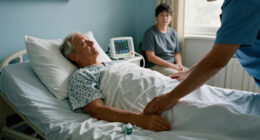
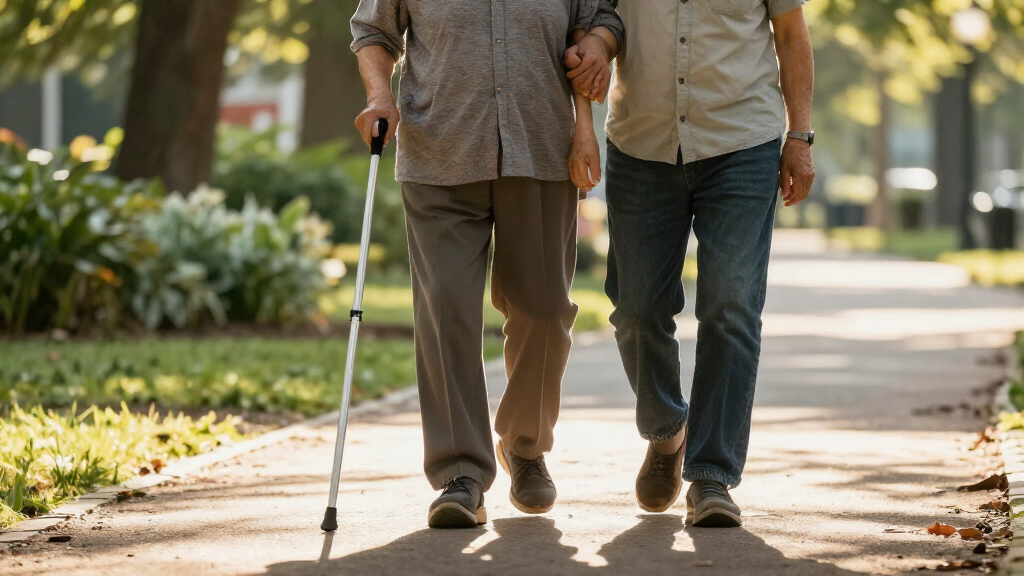
In the early recovery period, patients commonly stand and take their first steps on the day of surgery with assistance, according to the report. A walker or cane may be used to reduce fall risk while strength and balance return. The surgeon or physical therapist advises when the walking aid can be stopped. Regular walking, extended gradually, is described as part of recovery because it helps restore movement and strengthen muscles around the joint.
For knee replacement, the report says much of the ability to bend and straighten the knee returns within about six weeks. It recommends doing prescribed exercises daily during that period, even when the knee feels stiff. Swimming can generally start after the surgeon confirms the incision has healed. Many other activities may resume at around three months, but only after the surgeon gives clearance; recovery does not necessarily progress at the same pace each week.
After recovery, the report lists walking, hiking, swimming, cycling, golf and doubles tennis among lower-impact activities many people return to. Kneeling is not thought to damage a knee replacement, it says, though it may initially feel uncomfortable. Starting on a soft surface, such as a cushion or folded towel, may make it easier. These are broad descriptions, not a personalized clearance for any individual activity.
Returning to Activity Safely
Activity is often a central reason people choose joint replacement: pain may have made everyday movement, travel or favorite pastimes difficult. Guidance on resuming activity helps set expectations and may reduce the temptation to do too much too soon. The report stresses that gradual progression and advice from the care team matter more than following a single timetable.
The advice also extends beyond the first few months. Physical therapy exercises can continue to build strength after formal sessions end, and the report says muscles around a replaced hip or knee may keep gaining strength for a year or more. It advises increasing time or distance in small steps and paying attention to how the joint feels the following day. New pain or swelling the next morning is a reason to ease back temporarily, rather than push ahead.
The report also points to strain on the opposite joint and lower back, which may carry more load before surgery and during recovery. New aches in those areas should be raised with a surgeon or physical therapist. That reminder matters because returning to activity involves the whole body, not only the replaced joint.
Products Worth Considering

Bowflex SelectTech 840 Adjustable Kettlebell

BowFlex Results Series SelectTech Adjustable Dumbbells (Pair)

Levoit Vital Pet Pro Smart Air Purifier for Pets, White
As an affiliate, we earn on qualifying purchases.
Recovery Milestones and Activity Choices
The report organizes its advice around recovery stages rather than promising a fixed return date. Early walking is assisted, exercises are emphasized during the initial weeks, and swimming or other activities wait for healing and clinical clearance. Around three months is presented as a general point when many other activities may return, not as a deadline that applies to everyone.
It distinguishes lower-impact activities from sports involving repeated hard jolts or impact. For running, singles tennis and pickleball, surgeons’ views differ, according to the report. It advises patients to discuss the specific sport with their surgeon before returning. The source does not provide clinical study data, implant-specific recommendations or a detailed comparison of outcomes across sports, so its guidance should be read as general reporting rather than individualized medical advice.
High-Impact Sports Still Unsettled
The key unresolved issue is whether high-impact activity shortens implant life. The report says there is no definitive answer and that the question remains debated among surgeons. It does not identify a consensus, quantify any potential risk, or say how advice varies by implant type, surgical technique, a person’s health or the particular sport.
Recovery timelines also vary. The material does not specify how age, complications, individual rehabilitation plans or differences between hip and knee procedures change the timing described. Patients should not treat the approximate milestones as permission to resume an activity without their own surgeon’s approval. The supplied report provides no named medical expert quotations or study citations to resolve these uncertainties.
Follow Individual Recovery Advice
For anyone recovering from surgery, the next step is to follow the exercise and activity plan set by their surgeon and physical therapist, including when to stop using a walker or cane and when an incision is healed enough for swimming. People considering a higher-impact sport should ask about that specific activity before returning to it.
Over the longer term, the report recommends keeping up strengthening exercises, staying active on most days where possible, and increasing activity in small increments. If new pain or swelling appears the next morning, it advises easing back and discussing persistent or concerning symptoms with the care team. The source offers no further scheduled update or new clinical guidance.
Key Questions
When can someone walk after hip or knee replacement?
The Sixty and Me report says many patients stand and take their first assisted steps on the day of surgery. A walker or cane may be used at first; the surgeon or physical therapist should advise when it is no longer needed.
When can swimming resume?
The report says swimming can generally begin once the surgeon confirms the incision has fully healed. The timing depends on the individual’s recovery and should be confirmed with the care team.
Which activities may be possible after recovery?
The report names walking, hiking, swimming, cycling, golf and doubles tennis as lower-impact activities many people resume. Individual clearance and ability vary, so this list is not a guarantee that every activity is suitable for every patient.
Is it safe to return to running or pickleball?
The report says surgeons continue to debate higher-impact sports and that there is no definitive answer on whether they shorten implant life. Anyone considering running, singles tennis or pickleball should discuss the specific sport with their surgeon.
How should activity be increased over time?
The report recommends adding time or distance in small steps and checking how the joint feels the next day. New pain or swelling the following morning is a signal to ease back for a while and seek guidance if symptoms persist or cause concern.
Source: sixtyandme.com