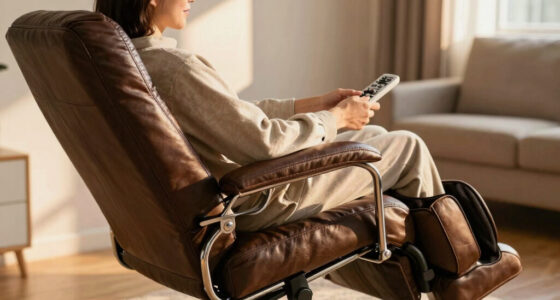
This checklist is for older adults and caregivers looking for practical ways to make TV listening, reading, and daily routines easier. It covers assistive listening, low-vision support, a talking clock, and activities that benefit from clearer print or better light.

Turn quiet afternoons into listening time
- Thousands of audiobooks, podcasts and originals
- Listen on your phone, tablet or Echo — also offline
- Cancel anytime
The sections follow those needs: listening first, then visual assistance and everyday timekeeping, followed by reading and card play. The Digital Magnifier section offers selection advice only, since no specific product was provided for that slot.
Use each section to match a product’s features to the person who will use it. Check comfort, controls, compatibility, and setup against their home equipment and preferences, and involve them in trying the options whenever possible.
TV Listening Headphones
TV listening headphones can help someone hear television audio directly through a personal headset. The pick for this slot is the Sennheiser RS 195 Wireless TV Headphones. Consider whether the listener wants to adjust their listening independently and whether headphones feel comfortable for the length of a typical program.
A common mistake is choosing a headset without checking how it connects to the television. Before buying, identify the TV’s available audio outputs and confirm the connection method supported by the headphones. Also consider whether the listener needs to hear people speaking nearby while the TV is on, and whether the headset’s controls are easy to locate and operate.
Fit is personal: check the headband adjustment, ear coverage, and overall weight against the wearer’s comfort needs. If glasses, hearing aids, or other devices are worn at the same time, think about how the ear cups will sit with them. Review the included components and setup instructions so the system suits the household’s TV and the listener can use it without a complicated routine.
What to look for:
- Confirm the TV has a compatible audio output.
- Check headset fit with glasses or hearing aids.
- Consider whether nearby conversation should remain audible.
- Look for controls the listener can find and operate.
- Review setup steps and included connection components.
Sennheiser RS 195 Wireless TV Headphones

The Sennheiser RS 195 are over-ear digital wireless headphones designed for TV listening, featuring Speech Mode for clearer dialogue and Music Mode for enhanced audio quality. They provide a comfortable, wireless listening experience suitable for home entertainment.
Pros:
- Wireless connectivity for convenience
- Multiple listening modes for tailored audio
- Comfortable over-ear design
Cons:
- Limited information on battery life
- No detailed specifications provided
Best for: Listeners who want personal TV audio through headphones
Not ideal for: People who find over-ear headphones uncomfortable
Bottom line: Check the TV connection and headset fit before choosing the Sennheiser RS 195.
Personal Sound Amplifier
A personal sound amplifier is a different kind of listening aid from TV headphones: it is intended for use beyond television listening. The listed pick is the Pocketalker 2.0 Personal Sound Amplifier Kit with Batteries. Think about the settings where the person hopes to use it, such as conversation at home or another everyday listening situation.
One common mistake is assuming an amplifier will address every hearing need or work the same way as a hearing aid. Consider the user’s hearing needs and comfort, and seek professional guidance when appropriate. Check how the device is worn or held, how its controls are adjusted, and whether the person can manage those steps independently.
Before selecting a kit, review what is included and how the amplifier is powered. This product name indicates batteries are included, but check the package details for the exact contents and any additional accessories needed for the intended use. Consider the user’s dexterity and vision when evaluating small controls, battery handling, and storage. A setup that is easy to understand and repeat can make the device more practical in daily routines.
What to look for:
- Match the device to the intended listening setting.
- Check how it is worn, held, and controlled.
- Consider ease of handling small controls and batteries.
- Review included items and any needed accessories.
- Consider professional guidance for hearing needs.
Pocketalker 2.0 Personal Sound Amplifier Kit with Batteries

The Pocketalker 2.0 amplifies nearby voices for conversations, TV listening, and other one-on-one situations. It includes headphones, earbuds, a plug-in microphone, a 12-foot extension cord, a lanyard, and 10 AAA batteries, and offers volume and tone controls, a built-in T-coil, and an external microphone jack.
Pros:
- Large volume and tone knobs make adjustments simple.
- Built-in T-coil works with hearing loop systems.
- Includes headphones, earbuds, microphone, TV extension cord, and batteries.
- Can use rechargeable NiMH AAA batteries.
Cons:
- Rechargeable batteries and the optional charging kit are not included.
- Designed for nearby listening and one-on-one conversations.
Best for: People seeking an amplifier for everyday listening situations
Not ideal for: Anyone expecting it to replace individualized hearing care
Bottom line: Check operation, comfort, and kit contents for the Pocketalker 2.0.
Digital Magnifier
A digital magnifier can make text or other visual details easier to view by enlarging them on a screen. No product was specified for this slot, so choose based on the tasks the person wants to do, such as reading labels, letters, or pages. Start by asking what they find difficult and where they expect to use the device; the best form depends on those routines.
Common buying mistakes include selecting a screen that is awkward to hold, overlooking the controls, or choosing a device that does not suit the material being viewed. Compare screen size and portability with the intended use. Check whether buttons are clearly marked and easy to reach, and whether the user can adjust magnification without assistance. If the person has limited dexterity or reduced contrast sensitivity, try the controls and display in person when possible.
Check power and charging requirements, storage, and how the device will be carried or set down. For reading at a desk, stability and viewing angle may matter; for errands, size and ease of carrying may matter more. Confirm that the device’s display and controls are comfortable for the intended user, and consider advice from a vision-care professional when needs are complex.
What to look for:
- Choose a screen size suited to the intended task.
- Check controls for visibility and ease of use.
- Compare portability with stability for reading.
- Review charging, power, and storage needs.
- Try the display and controls with the intended user.
Talking Clock
A talking clock can provide time information aloud, which may help someone who has difficulty reading a clock display. The listed pick is the Talking Clock with Time, Date, and Alarm for Seniors and People with V. Consider whether the person wants spoken time only or expects to use the date and alarm functions as well.
A frequent mistake is buying a device with more functions than the user wants to manage. Check how the clock announces information, how the alarm is set and silenced, and whether buttons are distinct and easy to find. The product name suggests time, date, and alarm features, but confirm the exact operation and settings in the product details before relying on them in a daily routine.
Think about placement and reach: a bedside clock should be easy to locate and operate from the usual position. Consider whether the person can hear the spoken output at the intended location and whether the display, if present, is useful to them. Check power requirements and how settings are retained after changing batteries or unplugging, so the setup fits the household and does not create a difficult reset routine.
What to look for:
- Confirm how time, date, and alarm functions work.
- Check buttons for clear labeling and easy operation.
- Consider sound audibility in the intended location.
- Choose placement within comfortable reach.
- Review power and settings retention details.
Talking Clock with Time, Date, and Alarm for Seniors and People with Visual Impa

Press the clock to hear the time, then press again to hear the day, date, and year in a clear male voice with a neutral American accent. It has an alarm function and a high-contrast red-and-white design, and can be set using audio prompts or the included manual.
Pros:
- Announces time, day, date, and year
- High-contrast red-and-white design
- Alarm function can announce the time at night without turning on a light
- Audio prompts help with setup
Cons:
- Requires two AAA batteries, which are not included
Best for: People who prefer spoken time and date information
Not ideal for: Anyone who wants a clock with minimal setup
Bottom line: Confirm the voice controls, alarm operation, and placement suit the user.
Rechargeable Book Light
A clip-on book light can add illumination for reading, while a rechargeable design can reduce the need to handle disposable batteries. The pick is the KunHe 5-Pack Rechargeable Clip-On Book Lights. Consider whether the reader needs a light for books, bedside use, or several reading locations around the home.
Do not assume every clip will fit every book or surface securely. Check the clip’s grip and opening against the intended book covers or reading materials, and consider whether the light’s weight could make a thin page or cover awkward to handle. Look for controls the reader can locate easily, and confirm how brightness or lighting modes are adjusted if those features matter to them.
With multiple lights in a pack, think through where each one will be kept and charged. Verify charging method, cable requirements, and whether the user can connect and disconnect the lights comfortably. Consider glare and light direction: the beam should illuminate the page without shining into the reader’s eyes or disturbing someone nearby. If possible, try it with the actual book and seating arrangement before settling on a routine.
What to look for:
- Check clip fit on the intended book or surface.
- Consider weight and ease of repositioning.
- Review charging method and cable needs.
- Check controls for simple operation.
- Aim light at the page while limiting glare.
KunHe 5-Pack Rechargeable Clip-On Book Lights

This five-pack of rechargeable LED book lights offers warm, cool, and natural light modes, each with three brightness levels. The flexible clip-on stands are portable for reading or studying, and each light provides up to 8 hours of use per charge via USB.
Pros:
- Five lights and charging cables are included
- Three light modes and brightness levels
- Flexible stand directs light where needed
- Up to 8 hours of use per charge
Cons:
- Not water resistant
- No manufacturer warranty
Best for: Readers who want clip-on lights for different locations
Not ideal for: People who prefer one fixed, hands-free reading lamp
Bottom line: Check clip fit, charging, and glare with the reader’s usual books.
Large-Print Playing Cards
Large-print playing cards can make card faces easier to see during games. This slot’s pick is the Bicycle Large Print Playing Cards, 4-Pack. Consider who will use them, what games they play, and whether the card markings are comfortable to distinguish at the table.
A common mistake is checking only the print size while overlooking handling. Cards should be easy for the player to hold, separate, and pick up from a flat surface. Consider dexterity, hand strength, and whether a card holder or helper is useful. If the player has trouble distinguishing colors or suits, review the card faces closely; do not assume enlarged markings alone solve every visibility challenge.
Check the product details to confirm the pack contents and card design. Think about the table lighting and contrast with the playing surface, since the environment affects how easily cards can be read. If possible, let the player try a deck before choosing a regular game setup. A familiar game, comfortable seating, and a surface that makes cards easy to see and handle can make the cards more useful.
What to look for:
- Inspect suit and rank markings for clear visibility.
- Consider grip, card separation, and pickup ease.
- Check whether a card holder would help.
- Review pack contents and card design.
- Use lighting and a table surface that support contrast.
Bicycle Large Print Playing Cards, 4-Pack

This set includes four packs of Bicycle bridge-size playing cards with larger, colorful print designed to make cards easier to see. They are suitable for card games and for teaching children how to play.
Pros:
- Large print is designed to be easier to see
- Includes four packs
- Can be used to teach children card games
Cons:
- Standard size may not suit everyone looking for larger cards
Best for: Players who want enlarged card markings
Not ideal for: People who have difficulty handling standard playing cards
Bottom line: Check both print clarity and card handling with the intended player.
When deciding what to get first, start with the activity that causes the most difficulty in daily life: TV listening, conversation, reading, or keeping track of time. Then check fit, controls, setup, and compatibility for that specific need. A task-first order helps keep choices practical and avoids buying features the person will not use.
These products can support routines, but comfort and ease of use vary from person to person. Include the intended user in the choice, make time to practice setup, and adjust the environment as needed. With a thoughtful match, small everyday tasks can feel more manageable.