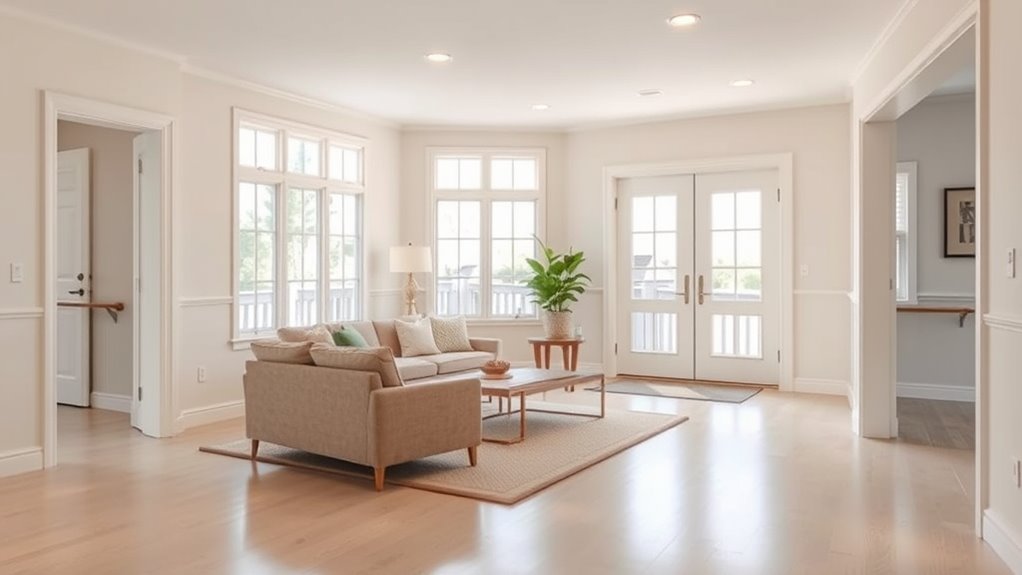

To plan a home renovation for aging in place, start by evaluating your current space for hazards and accessibility issues. Focus on universal design features like wider doorways, step-free entryways, and grab bars, ensuring these enhancements blend seamlessly with your home’s style. Prioritize features that support safety and independence, such as adjustable countertops and good lighting. Engaging professionals can help tailor solutions to your needs, so keep exploring these strategies to create a safe, stylish home suited for the long term.
Key Takeaways
- Evaluate current home hazards and modify features like stairs, grab bars, and non-slip flooring to enhance safety.
- Incorporate universal design principles such as wider doorways, step-free entryways, and lever handles for accessibility.
- Prioritize adjustable and easy-to-reach fixtures, lighting, and smart home technology to support independence.
- Plan renovations that seamlessly blend accessibility features with existing home style and functionality.
- Consult with professionals experienced in aging-in-place design to create a personalized and adaptable living space.
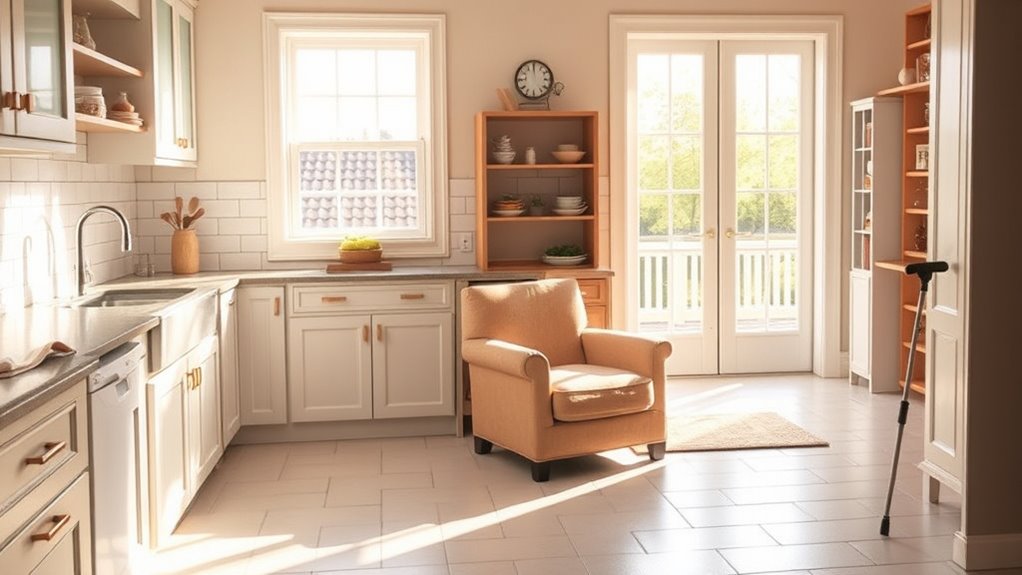
Planning a home renovation for aging in place guarantees your space remains safe, accessible, and comfortable as you grow older. To achieve this, you should focus on incorporating universal design principles, which aim to create environments that are usable by everyone, regardless of age or ability. Universal design isn’t about making your home look different; it’s about making it work better for you and future visitors. When you plan your renovation, think about accessibility features that can seamlessly blend into your home’s aesthetic while providing practical benefits. These features might include wider doorways, lever-style door handles, or step-free entryways, all of which make daily routines easier and safer.
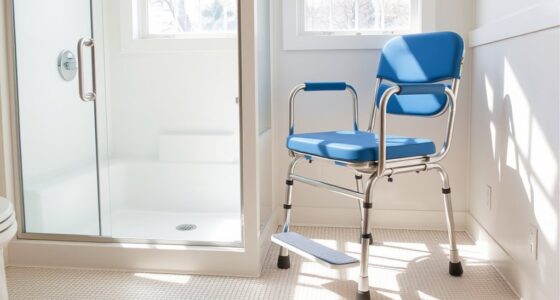
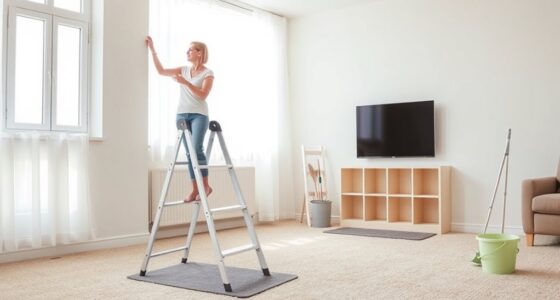
Start by evaluating your current living space and identifying potential hazards or barriers. For example, if you have stairs, consider whether they can be replaced with ramps or stairlifts. Installing grab bars in bathrooms and non-slip flooring can profoundly reduce the risk of falls. When choosing accessibility features, prioritize those that promote independence. For instance, a walk-in shower with a bench or adjustable-height countertops can allow you to carry out tasks comfortably as mobility changes. Keep in mind that these modifications should be integrated thoughtfully, so they don’t disrupt your home’s style or flow.
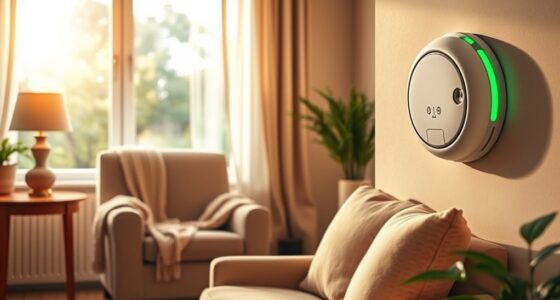
Planning ahead helps you select features that will serve you long-term. For example, if you’re installing kitchen cabinets or bathroom fixtures, opt for models that are reachable and easy to operate without strain. Consider also lighting solutions that eliminate shadows and brighten walkways—adequate lighting is essential for safety. Incorporate smart home technology for added convenience, such as voice-activated lights or automated door locks, which can be particularly beneficial if mobility becomes limited. Additionally, understanding innovative energy-efficient solutions can help reduce your home’s environmental impact and utility costs over time.
Consulting with professionals experienced in universal design and aging-in-place renovations can provide valuable insights tailored to your specific needs. They can help you balance functionality with aesthetics, ensuring your home remains inviting and personalized. Remember, the goal isn’t just to adapt your home for now, but to create a space that evolves with you, enabling independence and comfort for years to come. When you choose to implement these thoughtful accessibility features and universal design principles, you’re investing in a home that supports your lifestyle, keeps you safe, and enhances your overall quality of life as you age.

Grab Bars for Shower, 2 Pack 16 in Anti Slip Safety Bath Handle for Senior
- Material: Stainless steel, waterproof and rustproof
- Weight Capacity: Supports up to 500 pounds
- Slip-Resistant Surface: Knurled, non-slip design
As an affiliate, we earn on qualifying purchases.
As an affiliate, we earn on qualifying purchases.
Frequently Asked Questions
What Is the Average Cost of Aging-In-Place Renovations?
The average cost of aging-in-place renovations typically ranges from $10,000 to $50,000, depending on the scope and home size. You should start with a detailed cost analysis to identify necessary upgrades like grab bars, ramps, or widened doorways. Incorporate these into your renovation budgeting to make certain you allocate funds wisely. Remember, investing in key safety features can save you money long-term by preventing costly accidents.
How Long Does a Typical Home Retrofit Take?
They say “patience is a virtue,” and when it comes to your retrofit timeline, it holds true. A typical home retrofit for aging in place can take anywhere from 8 to 12 weeks, depending on the complexity of renovation phases. You’ll need to plan for assessments, design, construction, and final adjustments. Staying organized and flexible helps guarantee your project progresses smoothly and meets your needs for safe, accessible living.
Are There Government Grants Available for Aging-In-Place Updates?
Yes, there are government grants available for aging-in-place updates. You can explore financial assistance programs like the HUD Title III grants or local community programs that support home modifications. These resources help cover costs for essential upgrades such as grab bars, ramps, and bathroom modifications, making your home safer and more accessible. Check with your local housing authority or senior services to find programs tailored to your needs.
What Are the Best Materials for Non-Slip Flooring?
Imagine slipping and falling in your own home—scary, right? That’s why slip-resistant tiles and textured flooring are your best bets. These materials provide better grip and reduce accidents, giving you peace of mind. Choose options with a rough surface or specialized coatings designed for traction. Prioritizing slip-resistant tiles and textured flooring guarantees your home stays safe and accessible as you age in place.
How Can I Ensure My Home Remains Accessible Over Time?
You can guarantee your home remains accessible over time by integrating a smart home system that adapts to your needs, like voice-controlled lights and thermostats. Keep pathways clear and install ramps or wider doorways for mobility aids. Regularly evaluate your space for hazards, and consider future-proofing with adjustable counters and grab bars. Staying proactive helps you maintain independence and comfort, no matter how your mobility needs evolve.

HealthSmart Expandable Door Hinges, Allow up to 2 Extra Inches for Handicap, Wheelchairs, Walkers and Rollator Accessibility, 2 Hinges, Brass
- Doorway Expansion: Adds 2 inches for accessibility
- Cost-Effective Solution: Easy and inexpensive to install
- Simple Installation: Uses existing screws and holes
As an affiliate, we earn on qualifying purchases.
As an affiliate, we earn on qualifying purchases.
Conclusion
Planning your home renovation for aging in place ensures comfort and safety as you age. Did you know that nearly 90% of seniors prefer to stay in their homes long-term? By making thoughtful modifications now, you can create a space that’s both functional and cozy for years to come. Start small, prioritize safety, and enjoy the peace of mind knowing your home adjusts to your changing needs. Your future self will thank you!

YINENN Bath and Shower Safety Mats 40×16 inch, Non Slip with Suction Cups for Bathroom Stall and Tub Floor, Extra Large and Machine Washable, Drain Holes Keep Bathtub Clean, Clear
- Large Size for Full Coverage: 40×16 inch non-slip bath mat
- Strong Suction Cups: 200 powerful suction cups for stability
- Safe and Slip-Resistant: 360-degree anti-slip protection
As an affiliate, we earn on qualifying purchases.
As an affiliate, we earn on qualifying purchases.
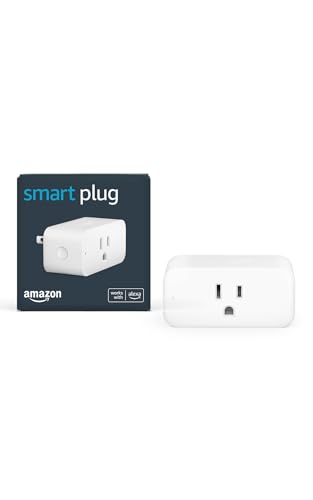
Amazon Smart Plug, Works with Alexa, Simple Setup, Endless Possibilities
- Voice Control Compatibility: Works with Alexa app and devices
- Easy Setup: No hub needed, quick installation
- Wide Device Compatibility: Supports lamps, fans, coffee makers, and more
As an affiliate, we earn on qualifying purchases.
As an affiliate, we earn on qualifying purchases.