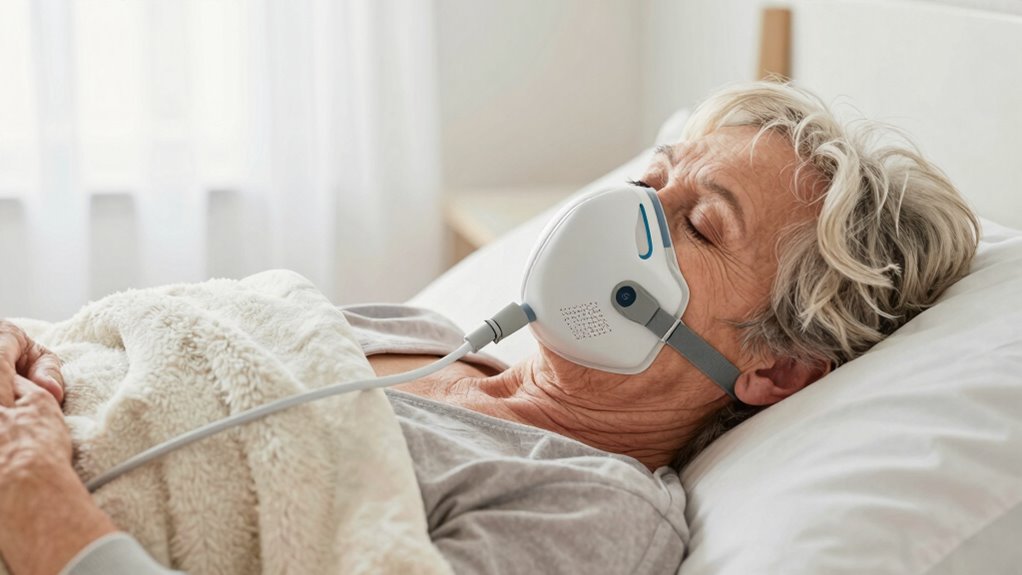

You should know that helping a senior feel comfortable with CPAP involves several steps, like choosing the right mask and ensuring it fits well. Keep the device clean, use a humidifier, and maintain a cool, quiet sleep environment to boost comfort. Be patient as they adapt, offering reassurance and support along the way. Personalized approaches and ongoing communication make a big difference, and understanding these tips can improve their sleep and health—if you continue, you’ll learn more helpful strategies.
Key Takeaways
- Ensure proper mask fit and type to enhance comfort and reduce leaks for seniors.
- Maintain a cool, dark, quiet sleep environment to promote relaxation and better sleep quality.
- Regularly clean and check equipment to prevent discomfort and ensure optimal device performance.
- Educate and reassure seniors about CPAP benefits to reduce anxiety and improve adherence.
- Be patient and personalize the approach, offering support during adjustment to increase comfort and compliance.

Caring for a senior with sleep apnea can be challenging, especially when it comes to guaranteeing their comfort with a CPAP machine. Sleep hygiene plays a fundamental role in making the therapy effective and comfortable. You want your loved one to associate their sleep environment with calmness and relaxation. Encourage routines that promote restful sleep, like limiting screen time before bed, maintaining a consistent sleep schedule, and avoiding caffeine or heavy meals close to bedtime. These habits help improve sleep quality and can reduce the discomfort or anxiety some seniors feel when starting CPAP therapy.
Prioritize sleep routines and environment to enhance comfort and effectiveness of CPAP therapy for seniors.
A key factor in comfort is proper mask fittings. An ill-fitting mask can cause leaks, skin irritation, and discomfort, making it harder for your loved one to tolerate the device. It’s essential to work closely with healthcare providers to find the right mask style and size. Different masks, such as nasal pillows, nasal masks, or full-face masks, suit different facial structures and breathing needs. Regularly checking the fit and making adjustments can considerably improve comfort. You might need to try a few options to see what feels best, and don’t hesitate to ask for professional advice if the mask causes sore spots or leaks.
You should also focus on establishing a comfortable sleep environment. Keep the bedroom cool, dark, and quiet to help your loved one relax and fall asleep more easily. Using a humidifier can prevent dryness caused by the CPAP, which is a common source of discomfort. Properly cleaning and maintaining the equipment not only prolongs its lifespan but also guarantees it functions quietly and efficiently, minimizing disturbances that could disrupt sleep. Additionally, understanding sleep apnea symptoms can help you recognize if your loved one’s comfort issues are related to the condition itself. Being aware of common sleep disturbances can further aid in addressing specific issues that arise during therapy. Incorporating personalized treatment plans can also improve overall comfort and adherence to therapy, as each individual’s needs may vary. Incorporating proper equipment maintenance is crucial to ensure the device operates smoothly and reduces potential sources of discomfort or noise.
Education is also essential. Help your loved one understand how the CPAP machine works and why it’s indispensable for their health. Sometimes, discomfort stems from fear or misunderstanding, so reassuring them and providing support can make a big difference. Encourage them to communicate any issues with their mask or device so adjustments can be made promptly.
Finally, patience is key. Adjusting to a CPAP takes time, and some seniors may need gradual exposure or encouragement to stick with it. Celebrate small victories and remain supportive throughout the process. With proper attention to sleep hygiene, careful mask fittings, and ongoing support, you can help your loved one find comfort and maximize the benefits of their CPAP therapy.

Full Face CPAP Mask, Full Cover Replacement Kit, Comfort Series Nasal CPAP MASK, Cpap Masks Includes Headgear, Cushion, Frame and Elbow(L)
【Full Face Cpap Mask】Specially designed to comfortably fit all patient facial profiles. Covers nose and mouth, maintains a…
As an affiliate, we earn on qualifying purchases.
As an affiliate, we earn on qualifying purchases.
Frequently Asked Questions
How Can I Tell if My Senior Parent Is Comfortable With CPAP?
You can tell if your senior parent is comfortable with CPAP by observing their sleep hygiene and how they respond to treatment. Look for fewer signs of discomfort, such as frequent removal or fussiness. Ask about any medication interactions that might affect their comfort or cause dryness and irritation. Make sure they’re sleeping well and feeling rested. Open communication and regular check-ins help identify issues early, making adjustments easier for better comfort.
Are There Specific CPAP Accessories for Seniors’ Comfort?
Yes, there are specific CPAP accessories for seniors’ comfort, like custom pillows and humidifier options. Custom pillows help guarantee a better fit, reducing pressure points and discomfort. Humidifier options add moisture to prevent dryness and irritation. These accessories work together to make CPAP therapy more comfortable, encouraging consistent use. By choosing the right accessories, you can help your senior parent experience more restful sleep and improved overall comfort.
How Often Should Seniors Replace Their CPAP Masks and Parts?
You should replace your CPAP mask and parts every 3 to 6 months to maintain ideal mask fit and guarantee effective therapy. Regular equipment maintenance helps prevent leaks and skin irritation, so check for signs of wear, such as cracks or frayed straps. Keeping your mask and parts fresh not only improves comfort but also maximizes the benefits of your sleep therapy. Consistent replacements help your device work efficiently and keep you comfortable overnight.
Can CPAP Therapy Be Adjusted for Seniors With Sensitive Skin?
Yes, CPAP therapy can be adjusted for seniors with sensitive skin. You should choose masks made from hypoallergenic materials and guarantee a proper mask fit to reduce irritation. Regularly check for signs of skin sensitivity, and consult with a healthcare provider for adjustments. Using gentle, skin-friendly cleansers and replacing mask parts as needed also helps maintain comfort and minimize skin issues.
What Are Common Signs of Discomfort or Intolerance in Seniors Using CPAP?
You might notice signs of discomfort or intolerance in seniors using CPAP, such as difficulty sleeping, excessive mask leaks, or skin irritation. Watch for complaints about the mask fit feeling too tight or causing pressure points. Noise levels can also disturb sleep, so if your loved one appears restless or wakes frequently, it could signal discomfort. Ensuring a proper fit and reducing noise can help improve their comfort and adherence.
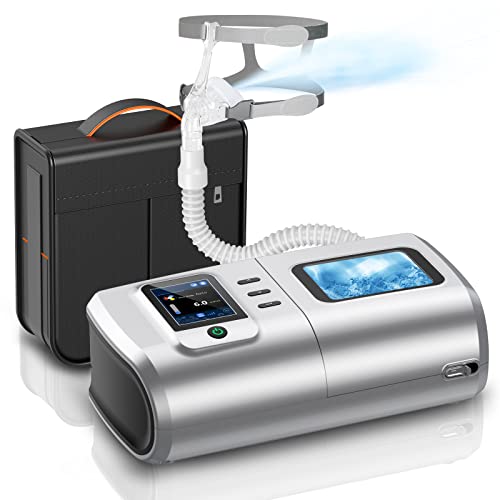
REMSTAR Plus CPAP System – Portable Auto CPAP Machine with Humidifier for Sleep Apnea,Ues for Home and Travel
Remstar Plus Cpap System is a CPAP (Continuous Positive Airway Pressure) device designed for the treatment of adult…
As an affiliate, we earn on qualifying purchases.
As an affiliate, we earn on qualifying purchases.
Conclusion
By understanding and addressing CPAP comfort for seniors, you can greatly improve their sleep quality and overall health. Remember, nearly 70% of seniors find comfort issues challenging, but small adjustments can make a big difference. Your support and patience are key to helping your loved ones stick with their therapy. With the right approach, you can guarantee they experience restful nights and better well-being, making a positive impact on their daily lives.
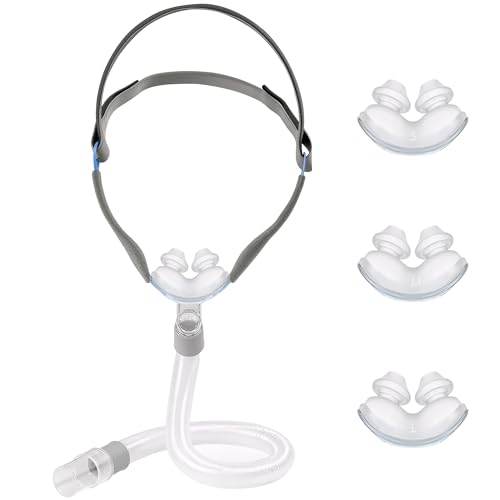
CPAP Masks – Nasal Pillow Mask, CPAP Nose Mask with Headgear, Reusable Sleep Apnea Mask, Includes Small, Medium, Large Cushions
Note: All accessories are not compatible with the P10.
As an affiliate, we earn on qualifying purchases.
As an affiliate, we earn on qualifying purchases.
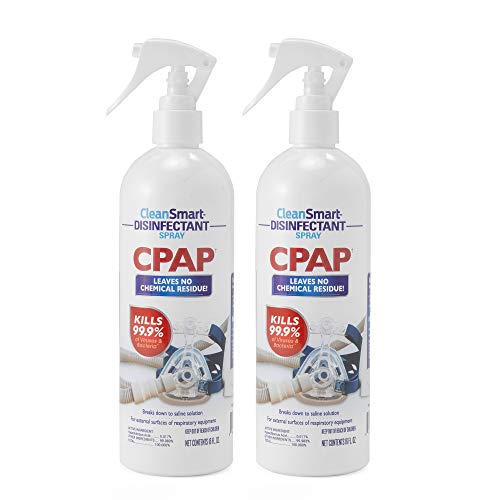
CleanSmart CPAP Disinfectant Spray, Kills 99.9% of Bacteria and Viruses on CPAP Equipment, No Residue, 16 oz (Pack of 2)
KILLS 99.9% GERMS ON CPAPS and BiPAPs; approved for mask, tubing, reservoir and humidifier
As an affiliate, we earn on qualifying purchases.
As an affiliate, we earn on qualifying purchases.