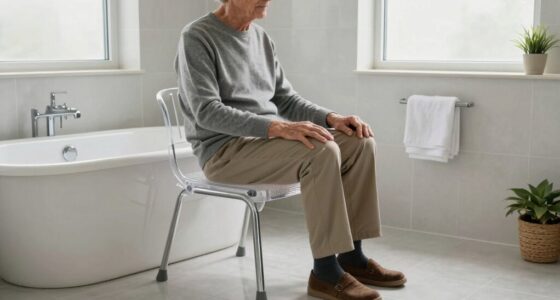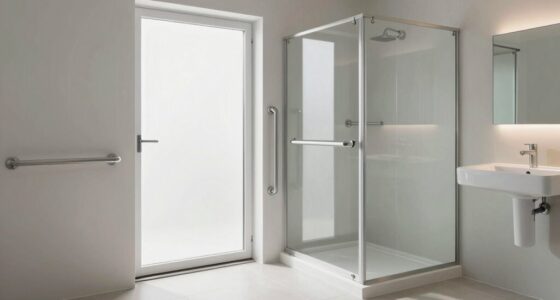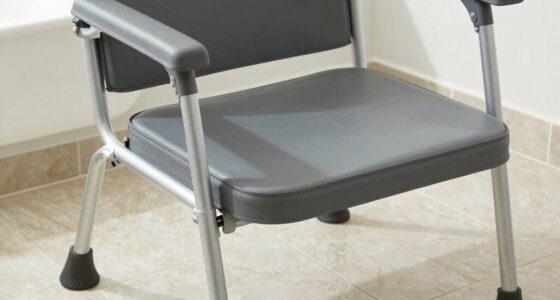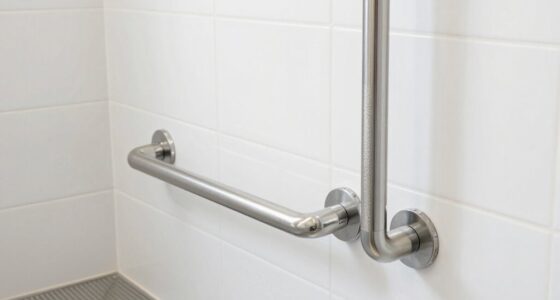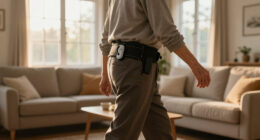
To make bathroom transfers less stressful, set up a safe, clutter-free environment with grab bars and non-slip mats. Use proper transfer techniques, like approaching slowly, keeping your feet stable, and engaging your core muscles. Supportive devices such as transfer belts or boards can also ease the effort. Practicing these methods with professional guidance can boost your confidence and efficiency. Keep exploring to discover more ways to make transfers safer and easier.
Key Takeaways
- Use assistive devices like transfer belts and boards to reduce strain and improve leverage.
- Ensure a clutter-free, non-slip environment to minimize movement hazards and increase confidence.
- Practice proper body mechanics, such as engaging core muscles and maintaining good posture.
- Plan the transfer sequence carefully, with items within reach to prevent unnecessary movements.
- Work with professionals for tailored training and guidance to develop efficient, safe techniques.
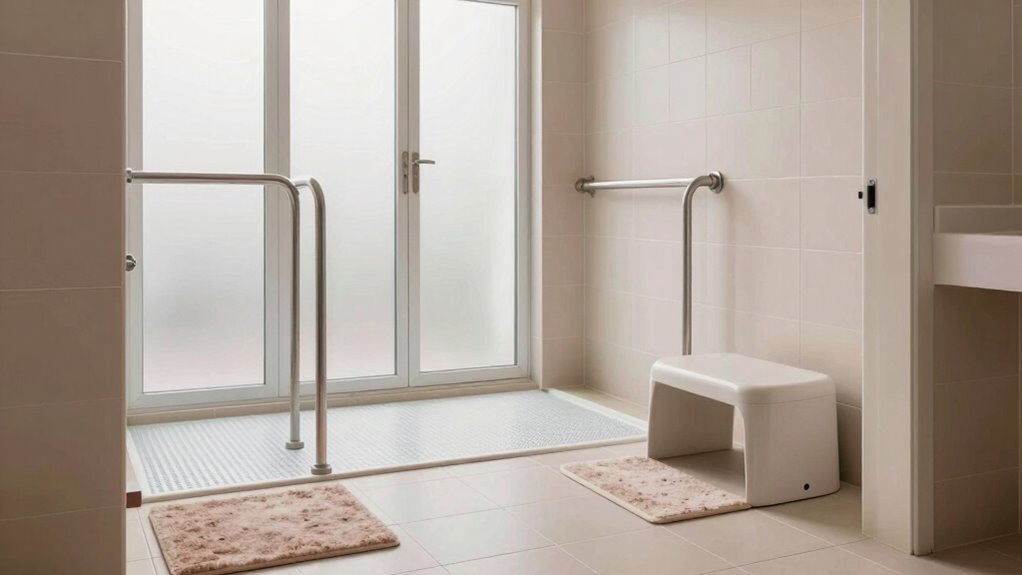
Transferring in and out of the bathroom can be a stressful and risky task, especially for individuals with mobility challenges or injuries. To make bathroom transfers safer and less physically taxing, focusing on proper toilet safety and transfer techniques is essential. When you prioritize toilet safety, you create a more secure environment that minimizes the risk of falls or slips. This includes making sure the bathroom has grab bars installed at appropriate heights, non-slip mats, and a clear, clutter-free space around the toilet. These safety features give you stability and confidence during transfers, helping you avoid sudden shifts or loss of balance.
Mastering effective transfer techniques is equally important. Instead of rushing or attempting awkward movements, you should approach each transfer methodically. For example, when moving from a wheelchair to the toilet, position yourself close to the seat, lock the wheelchair brakes, and use armrests or grab bars for support. Engage your core muscles to help lift or pivot, and avoid twisting your torso excessively. Using transfer belts or sliding boards can also facilitate smoother, safer movements, reducing strain on your muscles and joints. Proper technique not only conserves your energy but also prevents injuries caused by improper lifting or balance. Incorporating assistive devices like transfer belts or transfer boards can further improve safety and ease during the process.
It’s also helpful to plan your transfer process before starting. Take a moment to ensure everything you need—such as clothing, toilet paper, or any assistive devices—is within reach. This preparation prevents unnecessary reaching or twisting during the transfer, which can destabilize you. Maintaining good body alignment during the transfer, keeping your feet firmly planted and your body centered, enhances balance and control. Additionally, understanding proper body mechanics can significantly reduce the risk of strain or injury during transfers. Practicing transfer techniques regularly can build your confidence and muscle memory. If possible, work with a physical therapist who can teach you safe and efficient methods tailored to your specific needs. They can also suggest personalized modifications, such as ergonomic aids or different transfer positions, to make the process easier. Remember, patience is key. The more you practice safe transfer techniques, the more natural and less stressful they become.
Ultimately, reducing the physical stress of bathroom transfers involves a combination of creating a safe environment, mastering proper transfer techniques, and planning ahead. By focusing on toilet safety features and practicing correct movements, you can make each transfer safer, more comfortable, and less physically demanding. This proactive approach not only protects your physical health but also boosts your confidence, making bathroom routines less intimidating and more manageable. Incorporating training or guidance from professionals can further enhance your skills and ensure you’re using the safest methods possible.

Lianjindun Toilet Safety Rails, 350 lbs, Adjustable Height & Width
- Durable Aluminum Frame: Corrosion-resistant, supports up to 350 lbs
- Supports Mobility Needs: Assists elderly, disabled, and pregnant women
- Non-Slip Foam Handles: Provides secure grip and stability
As an affiliate, we earn on qualifying purchases.
As an affiliate, we earn on qualifying purchases.
Frequently Asked Questions
How Do I Prepare My Family for a Bathroom Transfer?
To prepare your family for a bathroom transfer, start with home modifications like installing grab bars and non-slip mats for safety. Involve your family in caregiver training so everyone understands proper techniques and safety precautions. Practice transfer routines together to build confidence and reduce anxiety. Clear communication and patience are key, ensuring everyone feels supported and prepared. These steps make the process smoother, safer, and less stressful for your loved ones and caregivers.
What Safety Equipment Is Recommended for the Transfer Process?
You should wear slip-resistant shoes and use assistive devices like grab bars and transfer belts to guarantee safety during your transfer. These tools act like sturdy anchors, providing confidence and stability. Follow safety protocols diligently—test grab bars before use, keep the area clear of obstacles, and always communicate with your family member. This way, the transfer becomes smoother, safer, and less stressful, making each step feel secure and supported.
How Can I Reduce Anxiety During the Transfer?
To reduce anxiety during a bathroom transfer, focus on practicing proper transfer techniques regularly so you feel confident and in control. Use deep breathing or visualization to manage anxiety, and take your time without rushing. Communicate clearly with any caregivers involved, and remember that preparation and familiarity with the process help ease nerves. Staying calm and confident makes the transfer smoother and less stressful for you.
Are There Specific Techniques for Transferring Patients With Limited Mobility?
To make patient transfers smoother, use specific transfer techniques combined with assistive devices like transfer belts or slide sheets. You should always plan your move, communicate clearly, and keep the patient close to your body. Employ gentle, controlled movements, and avoid sudden pulls. Remember, proper positioning and support are key, ensuring the patient feels safe and secure while reducing your strain during the transfer.
How Do I Handle Emergencies During a Bathroom Transfer?
During an emergency, stay calm and prioritize safety by using alternative transfer methods if needed. Make sure you clearly communicate with the patient, explaining each step to reduce confusion and anxiety. If the situation becomes urgent, don’t hesitate to seek additional help or use assistive devices. Good caregiver communication is essential — it helps coordinate quick, safe actions and minimizes physical stress for both you and the patient.

Vive Gait Belt (350lbs) Transfer Belt with Handles – Medical Nursing Safety Patient Assist – Bariatric, Elderly, Handicap, Physical Therapy – PT Gate Strap Quick Release Metal Buckle, Grabbing Teeth
- Supports up to 350 lbs: Heavy-duty transfer belt for safety
- 7 padded handles: Supports movement from any angle
- Comfortable grip: Padded handles for secure support
As an affiliate, we earn on qualifying purchases.
As an affiliate, we earn on qualifying purchases.
Conclusion
By understanding and applying these simple strategies, you can turn a challenging bathroom transfer into a smoother ride. Think of it like steering a gentle boat through calm waters—each step becomes easier when you’re prepared and confident. Remember, patience and proper techniques are your anchors, keeping you steady and secure. With a little practice, you’ll glide through transfers with less stress, making your daily routine feel more like a peaceful voyage rather than a turbulent storm.

OLANLY Bathroom Rugs 30×20, Extra Soft Absorbent Chenille Bath Rugs
- Soft Chenille Comfort: High-pile, plush, and cozy fibers
- Ultra Absorbent: Quickly absorbs water to keep floors dry
- Fade-Resistant & Quick-Drying: Maintains color and dries fast
As an affiliate, we earn on qualifying purchases.
As an affiliate, we earn on qualifying purchases.

DMI Transfer Board and Slide Board, FSA Eligible, Made of Heavy-Duty Wood for Patient, Senior and Handicap Move Assist and Slide Transfers, Holds up to 440 Pounds, 2 Cut out Handles, 30 x 8 x 1
- Essential Caregiver Transfer Tool: Facilitates safe patient transfers
- Versatile Transfer Compatibility: Use with wheelchairs, beds, chairs
- Ergonomic Cutout Handles: Provides extra leverage and grip
As an affiliate, we earn on qualifying purchases.
As an affiliate, we earn on qualifying purchases.