Finding the right amplified listening device for seniors can be challenging, as options vary widely in features, usability, and price. The Williams Sound PockeTalker Ultra DUO stands out as the best overall choice for its versatility and sound quality. The SuperEar SE10 offers a budget-friendly option with remote microphone features, while the SuperEar SE7500 provides advanced amplification for more severe hearing challenges. Buyers often face tradeoffs between affordability, ease of use, and audio clarity. Continue reading for a detailed comparison to help you make an informed decision.

Turn quiet afternoons into listening time
- Thousands of audiobooks, podcasts and originals
- Listen on your phone, tablet or Echo — also offline
- Cancel anytime
Complete the kit


Key Takeaways
- The top picks balance ease of use with powerful amplification, making them suitable for seniors with varying degrees of hearing difficulty.
- Wireless and Bluetooth features are common in premium models but can add complexity and cost, so consider your comfort with technology.
- Battery life and recharging options significantly impact ongoing usability, especially for daily use.
- Sound quality and noise reduction are key factors that differentiate higher-end devices from basic amplifiers.
- Price range varies widely, but investing in a slightly more expensive model often yields better durability and clearer sound.
| Williams Sound PockeTalker Ultra DUO Sound Amplifier with Headphone & Earbud |  | Best Overall for Versatile TV Listening and Personal Use | Acoustic Gain: 20-40 dB | Battery Life: Up to 100 hours | Microphone: Removable with extension cord | VIEW ON AMAZON | See Our Full Breakdown |
| SuperEar SE10 Personal Sound Amplifier with Remote Microphone | 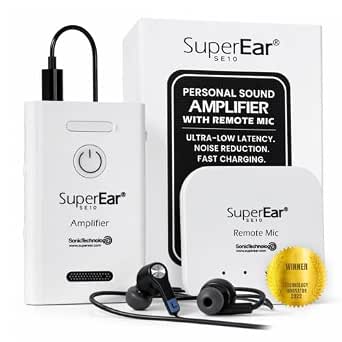 | Best for Extended, Customizable Listening with TV Streaming | Compatibility: SuperEar SE10 earbuds and accessories | Wireless Range: 65 feet | Latency: 16ms | VIEW ON AMAZON | See Our Full Breakdown |
| SuperEar SE5000 Hearing Amplifier for Seniors, Sound Amplifier, Headphones |  | Best for High-Volume, Portable Amplification Without Wireless Limitations | Amplification: 50+ dB | Battery Life: Up to 30 hours | Includes: Headphones, earbuds, AAA battery, belt clip | VIEW ON AMAZON | See Our Full Breakdown |
| Rechargeable Hearing Amplifier with Headphones |  | Best for Automatic Environment Adaptation and Long-Lasting Use | Sound Gain: 65dB | Battery Life: Up to 120 hours | Charging Time: About 1 hour | VIEW ON AMAZON | See Our Full Breakdown |
| Bluetooth Hearing Amplifiers for Seniors and People with Hearing Impairments |  | Best for Bluetooth Connectivity and Multiple Listening Modes | Bluetooth Compatibility: iOS, Android, and others | Modes: General, Noise Canceling, Indoor, Outdoor | Peak Gain: 53 dB | VIEW ON AMAZON | See Our Full Breakdown |
| Williams Sound Pocketalker 2.0 Hearing Amplifier |  | Best Overall | Weight: 3.1 ounces | Batteries: 11 AAA batteries included | Control Type: Button control | VIEW ON AMAZON | See Our Full Breakdown |
| Aurimi Bone Conduction Sound Amplifier for Seniors |  | Best for Situational Awareness | Weight: 25 g | Battery Life: Up to 10 hours | Water Resistance: IPX5 | VIEW ON AMAZON | See Our Full Breakdown |
| SuperEar SE7500 Hearing Amplifiers for Seniors, Personal Sound Amplifier |  | Best for High Amplification Needs | Maximum Sound Gain: 50+ dB | Battery Life: Up to 80 hours | Includes: Batteries, earbuds, headphones | VIEW ON AMAZON | See Our Full Breakdown |
| Williams Sound Pocketalker Ultra Hearing Amplifier with Batteries and Accessories |  | Best for Mild to Moderate Hearing Loss | Amplification: up to 40dB | Includes: Batteries, headphones, extension cord | Controls: Adjustable volume and tone | VIEW ON AMAZON | See Our Full Breakdown |
| Personal Sound Amplifier for Seniors with Voice Enhancement and Multiple Microphone Options |  | Best for Versatile Environments | Gain: 50dB | Total Gain: up to 108dB | Microphone Types: 3 types | VIEW ON AMAZON | See Our Full Breakdown |
| amplified listening devices for senior | Battery Life |
|---|---|
| Williams Sound PockeTalker Ult | Up to 100 hours |
| SuperEar SE10 Personal Sound A | Up to 24 hours |
| SuperEar SE5000 Hearing Amplif | Up to 30 hours |
| Rechargeable Hearing Amplifier | Up to 120 hours |
| Bluetooth Hearing Amplifiers f | 45 hours |
| Williams Sound Pocketalker 2.0 | — |
| Aurimi Bone Conduction Sound A | Up to 10 hours |
| SuperEar SE7500 Hearing Amplif | Up to 80 hours |
| Williams Sound Pocketalker Ult | — |
| Personal Sound Amplifier for S | 40 hours |
More Details on Our Top Picks
Williams Sound PockeTalker Ultra DUO Sound Amplifier with Headphone & Earbud
The Williams Sound PockeTalker Ultra DUO stands out for its portability and customization options, making it the ideal choice for seniors who want a reliable device for TV listening and general amplification. Its adjustable volume and tone controls allow for personalized settings, while the long battery life of up to 100 hours ensures it can be used all day without frequent charging. Compared with the SuperEar SE5000, it offers more versatility with included accessories like a 12-foot TV cord and multiple listening options. However, its limited gain of 20-40 dB may fall short for severe hearing loss, and the bulky design might not suit users seeking a discreet device. This pick makes the most sense for seniors who prioritize a durable, multi-purpose amplifier that can handle various listening scenarios without frequent replacements.
Pros:- Adjustable volume and tone controls for tailored listening
- Battery lasts up to 100 hours for all-day use
- Removable microphone and included accessories enhance flexibility
Cons:- Requires two AAA batteries, which are not included
- Limited gain of 20-40 dB may not suffice for severe hearing impairments
Best for: Seniors needing a durable, multi-purpose amplifier for TV and personal listening with extended battery life
Not ideal for: Users with severe hearing loss requiring higher gain or ultra-compact devices
- Acoustic Gain:20-40 dB
- Battery Life:Up to 100 hours
- Microphone:Removable with extension cord
- Batteries:Two AAA batteries
- Includes:Headset, earbud, 12 ft TV listening cord, user guide
- Warranty:5 years
Our verdict“This device is best suited for seniors who want a reliable, versatile amplifier with long battery life and adjustable settings.”
SuperEar SE10 Personal Sound Amplifier with Remote Microphone
The SuperEar SE10 excels in delivering clear audio with its effective noise reduction and remote microphone, making it a top pick for seniors who need a device supporting TV streaming and conversations. Its 65-foot wireless range and 16ms latency ensure minimal lag during TV audio transmission, outperforming wired-only options like the SuperEar SE5000. Its long-lasting battery of up to 24 hours with quick 10-minute charging is another advantage. Nevertheless, its limited compatibility—only working with SuperEar SE10 earbuds—and reliance on wired connections for TV may be inconvenient for some. This model is ideal for seniors who want a customizable, wireless listening experience but are okay with specific accessories and limited device compatibility.
Pros:- Long battery life with rapid charging
- Effective noise reduction for clearer speech
- Supports TV audio streaming with low latency
Cons:- Limited to SuperEar SE10 earbuds and accessories
- Requires wired connection for TV streaming, reducing convenience
Best for: Seniors seeking a wireless, customizable amplifier with TV streaming and noise reduction
Not ideal for: Those who prefer universal compatibility or want a device that works with third-party headphones
- Compatibility:SuperEar SE10 earbuds and accessories
- Wireless Range:65 feet
- Latency:16ms
- Battery Life:Up to 24 hours
- Charging Time:10 minutes for 6 hours
- Noise Reduction:Up to 16dB
Our verdict“This pick suits seniors who prioritize wireless streaming and noise reduction over broad device compatibility.”
SuperEar SE5000 Hearing Amplifier for Seniors, Sound Amplifier, Headphones
The SuperEar SE5000 offers robust stereo amplification up to 50+ dB, making it suitable for outdoor use and conversations. Its portable, lightweight design rivals the SuperEar SE10 in ease of transport but lacks wireless connectivity, unlike the Bluetooth-enabled models. This device is perfect for seniors who prefer manual adjustments and don’t mind wired connections, but it requires regular manual volume control, which could be less convenient for users with dexterity issues. Compared to the Rechargeable Hearing Amplifier, it doesn’t automatically adapt to environments, but it provides a straightforward, no-fuss amplification solution. This amplifier is best for seniors who want a simple, high-gain device for daily activities without needing wireless features.
Pros:- Portable and lightweight for easy carrying
- Adjustable volume control for personalized listening
- Stereo amplification enhances ambient sound clarity
Cons:- No wireless connectivity to TVs or smartphones
- Requires manual adjustment for different environments
Best for: Seniors seeking high-volume, portable amplification for outdoor or indoor use without wireless needs
Not ideal for: Those looking for Bluetooth streaming or automatic environment adjustment
- Amplification:50+ dB
- Battery Life:Up to 30 hours
- Includes:Headphones, earbuds, AAA battery, belt clip
- Microphone:Swivel microphone
- Compatibility:Compatible with disposable earpad covers and extension cables
Our verdict“This device is ideal for seniors who want a simple, high-gain amplifier for everyday outdoor or indoor use with no wireless features.”
Rechargeable Hearing Amplifier with Headphones
The Rechargeable Hearing Amplifier makes a strong case for users who want effortless operation and long-lasting power. Its automatic environment adjustment means users rarely need to manually change settings, unlike the SuperEar SE5000, which requires manual control. With a quick charging time of about an hour and up to 120 hours of use, it’s perfect for seniors who dislike frequent recharging. The compact design and directional microphone focus on speech, making it useful at home or on the go. However, its limited control options and lack of advanced customization mean it falls short for users who want detailed sound tuning or multi-microphone setups. This device is best for seniors prioritizing convenience, automatic adjustment, and extended battery life.
Pros:- Automatic environment adjustment for clarity
- Fast charging in about 1 hour
- Lightweight and portable for easy carrying
Cons:- Limited control options beyond volume
- Designed specifically for amplification, not general headphones
Best for: Seniors seeking a simple, automatic, long-lasting amplifier for daily use
Not ideal for: Users who want detailed sound customization or multiple microphone inputs
- Sound Gain:65dB
- Battery Life:Up to 120 hours
- Charging Time:About 1 hour
- Control:One-knob
- Microphone:Directional
Our verdict“This pick is perfect for seniors who want a hassle-free, automatic amplifier with extended battery life and straightforward operation.”
Bluetooth Hearing Amplifiers for Seniors and People with Hearing Impairments
The Bluetooth Hearing Amplifiers combine convenience and versatility, making them a smart choice for tech-savvy seniors. Their Bluetooth compatibility allows seamless connection with smartphones, tablets, and other devices, and the multiple listening modes—including noise-canceling and indoor/outdoor settings—offer tailored listening experiences. The large buttons and LED display simplify operation, and the 45-hour battery life makes it suitable for extended use. Compared with the SuperEar SE10, it provides broader device compatibility and more customizable modes. Its primary tradeoff is that it may not fit all ear sizes comfortably, and it lacks app-based customization. This device is ideal for seniors comfortable with Bluetooth technology who want a versatile, easy-to-use amplifier for various environments.
Pros:- Easy-to-use large buttons and LED display
- Long battery life with fast charging
- Multiple listening modes with noise cancellation
Cons:- May not fit all ear sizes comfortably
- Limited to Bluetooth-enabled devices, no app control for advanced features
Best for: Tech-savvy seniors who want a Bluetooth-enabled, multi-mode amplifier with long battery life
Not ideal for: Users with smaller ears or those preferring no Bluetooth features or app control
- Bluetooth Compatibility:iOS, Android, and others
- Modes:General, Noise Canceling, Indoor, Outdoor
- Peak Gain:53 dB
- Battery Capacity:400mAh
- Battery Life:45 hours
- Charging Time:2 hours
Our verdict“This device is suited for seniors seeking a versatile, Bluetooth-enabled amplifier with multiple modes and long-lasting battery life.”
Williams Sound Pocketalker 2.0 Hearing Amplifier
The Williams Sound Pocketalker 2.0 stands out for its straightforward design and effective noise reduction, making it a versatile choice for many seniors. Compared to the SuperEar SE7500, it offers better sound clarity and simplicity, but at the cost of requiring 11 AAA batteries, which can add ongoing expenses. Its lightweight form and easy button controls make it ideal for those seeking an intuitive device with reliable amplification. However, the basic controls may feel limited for users wanting advanced customization. This pick makes the most sense for seniors who want a dependable, all-in-one solution without complex features.
Pros:- Easy to operate with simple button controls
- Effective sound amplification with noise reduction
- Lightweight and portable design
Cons:- Requires 11 AAA batteries, which can be costly over time
- Limited information on software updates or firmware improvements
Best for: Seniors who prefer a simple, effective amplification device with minimal setup
Not ideal for: Tech-savvy users seeking rechargeable options or customizable sound profiles
- Weight:3.1 ounces
- Batteries:11 AAA batteries included
- Control Type:Button control
- Fit Type:In-Ear
- Noise Control:Sound isolation
- Sensitivity:40 dB
Our verdict“A highly reliable choice for seniors needing straightforward amplification without extra bells and whistles.”
Aurimi Bone Conduction Sound Amplifier for Seniors
The Aurimi Bone Conduction Sound Amplifier is tailored for seniors who want to stay aware of their surroundings while enjoying amplified audio. Its open-ear design, compared to the in-ear Williams Sound Pocketalker 2.0, allows users to hear environmental sounds and conversations simultaneously, making it ideal for outdoor or active use. Weighing only 25 grams, it offers exceptional comfort and long battery life, plus water resistance with an IPX5 rating. However, some users may find the sound quality less crisp, especially in noisy environments, and it may require an adjustment period to get accustomed to the bone conduction technology. This device is best for seniors who prioritize situational awareness and comfort over pure sound fidelity.
Pros:- Open-ear design maintains situational awareness
- Lightweight and comfortable for extended wear
- Long battery life with magnetic charging
- Water-resistant for outdoor use
Cons:- Initial adjustment needed to get used to amplified sounds
- Sound quality may vary depending on environment
Best for: Active seniors who want to maintain awareness of their environment during daily activities
Not ideal for: Those seeking professional-grade audio clarity or high-fidelity sound for music or TV
- Weight:25 g
- Battery Life:Up to 10 hours
- Water Resistance:IPX5
- Charging:Magnetic charging
Our verdict“Ideal for active seniors seeking a comfortable, awareness-preserving amplification device.”
SuperEar SE7500 Hearing Amplifiers for Seniors, Personal Sound Amplifier
The SuperEar SE7500 provides up to 50+ dB of gain, making it suitable for seniors with moderate to severe hearing challenges. Unlike the Williams Sound Pocketalker 2.0, which emphasizes noise reduction, this model prioritizes raw amplification, delivering clearer sounds in quieter environments. Its adjustable volume and included accessories like earbuds and a carry case make it versatile for indoor and outdoor use. However, it’s battery-dependent, with an 80-hour lifespan, and may be less effective in noisy settings where background noise can interfere. Its bulkier design also makes it less discreet. This device is best for seniors needing significant amplification in controlled environments.
Pros:- High sound gain up to 50+ dB
- Adjustable volume control
- Includes a variety of accessories for flexible use
- Long battery life of up to 80 hours
Cons:- Requires batteries, adding ongoing cost
- Less effective in very noisy environments
Best for: Seniors with moderate to severe hearing loss seeking high amplification and portability
Not ideal for: Users who prefer rechargeable devices or require discreet, low-profile units
- Maximum Sound Gain:50+ dB
- Battery Life:Up to 80 hours
- Includes:Batteries, earbuds, headphones
- Compatibility:Disposable ear pad covers
Our verdict“A strong option for seniors needing powerful amplification, especially in quiet settings.”
Williams Sound Pocketalker Ultra Hearing Amplifier with Batteries and Accessories
The Pocketalker Ultra offers a simple, ergonomic design tailored for seniors with mild to moderate hearing loss. It provides up to 40dB of amplification, which makes it less overwhelming than the SuperEar SE7500 but still effective for most daily conversations. Its adjustable tone and volume controls allow for personalized listening, and the included accessories ensure convenience. Compared to the Aurimi Bone Conduction, it is more suited for indoor use and less for active outdoor scenarios. The main tradeoff is reliance on batteries; it’s not rechargeable, and its amplification may fall short for profound hearing loss. This device suits seniors seeking an easy-to-use, moderate amplification solution.
Pros:- Simple controls for easy operation
- Adjustable volume and tone
- Includes comprehensive accessories bundle
- Lightweight and ergonomic design
Cons:- Requires batteries, no rechargeable option
- Limited amplification range for profound loss
Best for: Seniors with mild to moderate hearing loss who want a straightforward, adjustable device
Not ideal for: Those with severe hearing impairment or needing discreet devices
- Amplification:up to 40dB
- Includes:Batteries, headphones, extension cord
- Controls:Adjustable volume and tone
- Design:Lightweight, ergonomic
Our verdict“Best for seniors needing moderate amplification with straightforward controls and portability.”
Personal Sound Amplifier for Seniors with Voice Enhancement and Multiple Microphone Options
This Personal Sound Amplifier excels in delivering up to 108dB of gain, making it suitable for very loud environments or users with profound hearing loss. Its multiple microphone options and adjustable tone and volume controls set it apart from the simpler Williams Sound Pocketalker 2.0 and the high-gain SuperEar SE7500. The design is portable and user-friendly, with only 2 AAA batteries needed for up to 40 hours of use. However, it’s restricted to in-ear use, which might not suit everyone, and lacks wireless connectivity features. This device is best for seniors in various environments who need high amplification and the flexibility of multiple microphones.
Pros:- High amplification up to 108dB
- Multiple microphone options for different settings
- Adjustable tone and volume controls
- Portable and ergonomically designed
Cons:- Batteries need frequent replacement
- Limited to in-ear use, less discreet
Best for: Seniors who need high gain with environment-specific microphone options
Not ideal for: Users preferring discreet, wireless, or rechargeable devices
- Gain:50dB
- Total Gain:up to 108dB
- Microphone Types:3 types
- Batteries:2 AAA batteries included
- Battery Life:40 hours
Our verdict“Perfect for seniors requiring high amplification and flexible microphone choices for diverse environments.”

How We Picked
These products were evaluated based on performance, ease of use, build quality, battery life, and value. I focused on models that cater specifically to seniors, prioritizing simple operation and reliability. The rankings reflect a balance between affordability and advanced features, ensuring options for different budgets and needs. Devices with intuitive controls, robust sound amplification, and positive user reviews ranked higher, while those with complex setups or limited battery life were rated lower. The goal was to identify options that genuinely improve hearing while remaining accessible and durable.Factors to Consider When Choosing 10 Best Amplified Listening Devices For Seniors
When selecting an amplified listening device for seniors, several factors should guide your decision beyond just price. Understanding your specific hearing needs and comfort with technology can help narrow choices. Features like sound amplification, ease of use, and portability are essential, but also consider battery life and additional functionalities. Making an informed choice involves balancing these elements to find a device that offers reliable, clear sound without overwhelming the user.Sound Quality and Amplification Power
Effective amplification is the core of these devices. Look for models that offer adjustable volume and tone controls to customize sound to the user’s environment. Higher amplification levels are necessary for severe hearing loss but can sometimes introduce background noise if not well-designed. Devices with noise reduction and feedback cancellation tend to deliver clearer audio, making conversations more natural and less fatiguing.
Ease of Use and Controls
Seniors benefit from simple, intuitive controls. Large buttons, straightforward interfaces, and minimal setup reduce frustration. Wireless features like Bluetooth can add convenience but may complicate operation; consider whether the user is comfortable with technology. A device with a dedicated on/off switch and easy-to-manage volume controls typically offers a better experience for everyday use.
Battery Life and Power Options
Long-lasting batteries or rechargeable models can significantly impact daily usability. Non-rechargeable batteries are inexpensive but require regular replacement, which can be inconvenient. Rechargeable devices simplify maintenance but vary in lifespan between charges. Consider how often the device will be used and whether a user prefers the convenience of recharging or the simplicity of disposable batteries.
Size, Portability, and Discreetness
Size and design influence portability and discretion. Compact models are easier to carry and less conspicuous, but larger devices might house more powerful components and controls. Think about whether the user needs a pocket-sized device for mobility or prefers a larger, more visible option for easier handling. Hearing amplifiers with clip-on or behind-the-ear designs can provide a good balance of convenience and power.
Additional Features and Compatibility
Extras like voice enhancement, multiple microphone options, or Bluetooth streaming can enhance usability. For those with specific needs, features like bone conduction or voice amplification can make a significant difference. However, more features often mean higher costs and complexity—balance what truly benefits the user against added complexity or expense.
Frequently Asked Questions
Can I use amplified listening devices outdoors or in noisy environments?
Yes, many modern devices include noise reduction and directional microphones, making them more effective in noisy settings. However, their effectiveness varies, especially with lower-end models. For outdoor use, look for devices with wind noise reduction and good amplification that can distinguish speech from background sounds. Testing the device in typical environments can help ensure it meets your specific needs.
Are Bluetooth-enabled hearing amplifiers compatible with smartphones?
Most Bluetooth-enabled amplifiers can connect to smartphones for streaming audio or calls, but this feature adds complexity. Compatibility depends on both the device and the phone’s Bluetooth version. If ease of use is a priority, ensure the device has straightforward pairing instructions and user-friendly controls. Keep in mind that some models require app setup, which might be challenging for users less comfortable with technology.
How often do I need to replace or recharge the batteries?
Battery life varies widely among models. Disposable batteries may last from a few days to a couple of weeks, depending on use. Rechargeable models typically need daily or weekly charging, similar to a smartphone. Consider the user’s routine and preference: some favor the simplicity of disposable batteries, while others prefer the convenience of rechargeable units that eliminate ongoing costs.
Will these devices help with all types of hearing loss?
Amplified listening devices are most effective for mild to moderate hearing loss. For severe or profound hearing impairment, specialized hearing aids with more advanced features may be necessary. These devices primarily amplify sounds and may not address complex issues like auditory processing. Consulting with an audiologist can help determine the best solution for specific hearing needs.
What is the typical lifespan of these devices?
The durability of amplified listening devices varies, but most can last 3-5 years with proper care. Regular cleaning, avoiding moisture, and proper storage extend their lifespan. Higher-quality models with sturdy build quality tend to last longer and maintain performance over time. Investing in reputable brands and reading user reviews can help identify durable options that provide good value over the long term.
Conclusion
The best overall pick for most users remains the Williams Sound PockeTalker Ultra DUO, thanks to its balance of power, simplicity, and versatility. For those on a tighter budget, the SuperEar SE10 offers effective amplification without complexity. If premium features and durability are priorities, the SuperEar SE7500 or other high-end models are worth considering. Beginners or less tech-savvy users should focus on devices with large controls and straightforward operation, while those with specific needs, like Bluetooth streaming or voice enhancement, should look for models explicitly offering those features. Matching the device to your lifestyle and hearing needs will ensure the best experience.
Cold & flu season Picks
humidifiers
As an affiliate, we earn on qualifying purchases.