Choosing the right fall prevention device for seniors involves balancing safety, dignity, ease of use, and cost. Top picks include the Lunderg Wireless Bed Alarm System for discreet alerts, the SecuLife Medical Alert Pendant for mobility and GPS tracking, and the Lunderg Bed Assist Rail for physical support. Each offers unique advantages but also has tradeoffs, like range limitations or compatibility issues. Understanding these differences helps ensure you select the best device for your loved one’s specific needs.
Key Takeaways
- Wireless alert systems prioritize dignity by avoiding in-room alarms that can cause agitation.
- GPS-enabled pendants add location tracking, ideal for highly mobile seniors or those with dementia.
- Bed rails provide physical support but may feel bulky or incompatible with adjustable beds.
- Ease of setup and use varies, with some devices requiring minimal installation and others needing more effort.
- Cost and subscription requirements differ significantly, influencing long-term affordability.
| Lunderg Wireless Early Alert Bed Alarm System for Elderly |  | Best Overall Discreet Fall Prevention | Range: 400 ft | Sensor pad size: 10×33 inches | Battery life: 15 months | VIEW LATEST PRICE | See Our Full Breakdown |
| SecuLife Medical Alert Pendant for Seniors |  | Best for Mobility & GPS Tracking | Battery life: Up to 6 days | GPS tracking: Yes | Waterproof: IP67 | VIEW LATEST PRICE | See Our Full Breakdown |
| Lunderg Bed Assist Rail with Motion-Activated Light |  | Best Support Rail for Bed Assistance | Material: Heavy-duty steel | Weight capacity: 300 lbs | Setup time: 5 minutes | VIEW LATEST PRICE | See Our Full Breakdown |
| Medical King Bed Rails for Elderly Adults |  | Best Universal Bed Rail for All Bed Types | Material: Steel | Height adjustability: Yes | Installation: Sliding, strap-secured | VIEW LATEST PRICE | See Our Full Breakdown |
| Smart Caregiver Bed Alarm with 10×30 Bed Pad |  | Best Bed Alarm for Dementia & Long-Term Care | Pad size: 10×30 inches | Power source: 9V battery | Sensor type: Contact pressure | VIEW LATEST PRICE | See Our Full Breakdown |
More Details on Our Top Picks
Lunderg Wireless Early Alert Bed Alarm System for Elderly
This system stands out for its wireless design, which avoids the restraint concerns associated with traditional in-room alarms. Its PreRise early-alert technology alerts caregivers before the loved one is truly out of bed, helping prevent falls proactively. The device is easy to set up without Wi-Fi or apps, and the portable pager ensures caregivers stay informed within a 400-foot range. Compared with wired systems, it offers greater dignity and flexibility, though the reliance on batteries means regular replacement is necessary.
Pros:- Wireless, no restraint or in-room alarm to cause agitation
- Proactive alert at hip level prevents falls
- Long-lasting sensor pad with incontinence resistance
- Adjustable volume and vibration options
Cons:- Requires battery replacements every 15 months
- Range limited to 400 feet, less effective in large properties
- No smartphone app integration
Best for: Caregivers seeking a dignity-preserving, easy-to-use alert system for dementia or mobility-challenged seniors.
Not ideal for: Homes requiring Wi-Fi-based monitoring or those looking for comprehensive GPS tracking.
- Range:400 ft
- Sensor pad size:10×33 inches
- Battery life:15 months
- Connectivity:Wireless
- Eligible for FSA/HSA:Yes
- Setup:No Wi-Fi or app needed
Bottom line: A top choice for dignity-conscious caregivers wanting reliable, wireless fall alerts.
SecuLife Medical Alert Pendant for Seniors
This pendant excels for seniors who value mobility and real-time location updates. Its auto fall detection and GPS tracking ensure caregivers are immediately notified if a fall occurs or if the senior leaves a designated zone. The device supports two-way calling and offers a long 6-day battery life, reducing recharge frequency. Compared to basic alarms, it provides comprehensive safety features but involves a monthly subscription and may be more complex for users unfamiliar with technology.
Pros:- GPS tracking with geo-fencing
- Auto fall detection for immediate alerts
- Long battery life (up to 6 days)
- Two-way voice calling and large SOS button
Cons:- Monthly subscription fee required
- Requires cellular service and data plan
- Potential for device size to feel bulky
Best for: Active seniors who need GPS tracking, fall detection, and direct communication with loved ones.
Not ideal for: Care environments where minimal tech setup or simple in-room alarms are preferred.
- Battery life:Up to 6 days
- GPS tracking:Yes
- Waterproof:IP67
- Two-way calling:Yes
- Monthly fee:$20
- Size:3x1x1 inches
Bottom line: Ideal for active seniors needing GPS and fall detection with direct caregiver contact.
Lunderg Bed Assist Rail with Motion-Activated Light
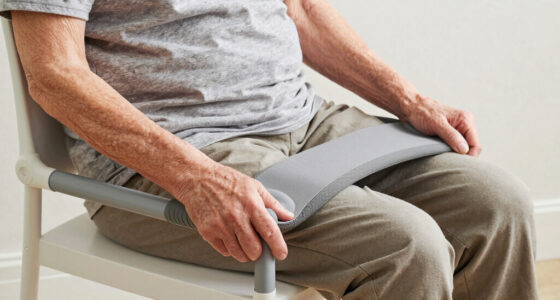
This sturdy steel bed rail offers physical support to help seniors sit up or get in and out of bed safely. Its motion-activated light enhances nighttime navigation, reducing fall risk during late hours. The tool-free installation allows quick setup, and the heavy-duty construction supports up to 300 lbs. Compared with alert-based devices, this rail provides immediate physical support but may feel bulky under thicker mattresses and isn’t compatible with adjustable beds.
Pros:- Non-slip handle reduces fall risk
- Motion-activated light for safety at night
- Easy, tool-free installation
- Supports up to 300 lbs
Cons:- Bulkier under thick mattresses
- Limited to non-adjustable beds
- Light only stays on 60 seconds
Best for: Seniors needing physical support and nighttime visibility without technology reliance.
Not ideal for: Those preferring electronic fall alerts or with adjustable beds.
- Material:Heavy-duty steel
- Weight capacity:300 lbs
- Setup time:5 minutes
- Light duration:60 seconds
- Compatibility:Twin-King (7-13 inch mattresses)
- Color:Gray
Bottom line: A reliable support rail for seniors who need physical assistance and nighttime visibility.
Medical King Bed Rails for Elderly Adults
This adjustable, no-tool bed rail fits all bed sizes, including king, queen, and twin, making it a versatile choice. Its sliding under the mattress design with strap safety adds security. The removable pocket provides convenient storage, and the modern look blends with home decor. Compared with fixed rails, this model offers better adaptability but may require proper mattress fit to prevent slipping and may not provide as much support for heavier users.
Pros:- Fits all bed sizes with adjustable height
- No tools required for installation
- Removable storage pocket
- Modern, unobtrusive design
Cons:- May slip if not secured properly
- Less sturdy for very heavy users
- No electronic or fall detection features
Best for: Seniors or caregivers seeking a universal, easy-to-install bed rail for various beds.
Not ideal for: Users needing heavy-duty support or specialized features like electronic alerts.
- Material:Steel
- Height adjustability:Yes
- Installation:Sliding, strap-secured
- Weight capacity:Varies
- Design:Modern
- Compatibility:All standard beds
Bottom line: A flexible, easy-install bed rail suitable for diverse beds and simple support needs.
Smart Caregiver Bed Alarm with 10×30 Bed Pad
This alarm system features a large 10×30-inch pressure-sensitive bed pad that detects when pressure is removed, alerting caregivers instantly. Its discreet vinyl pad is sealed for incontinence and easy to clean. The device offers both in-room audible alerts and optional wireless notifications, providing flexibility for different care settings. Compared to smaller pads, this size covers more area, making it suitable for restless or larger seniors, but it requires a 9V battery and may need regular replacement.
Pros:- Large, pressure-sensitive, incontinence-resistant pad
- Instant alerts when pressure is removed
- Discreet and easy to clean
- Supports both audible and wireless alerts
Cons:- Requires 9V battery replacement
- Battery life varies with use
- Limited mobility features
Best for: Caregivers managing dementia or long-term care where discreet, reliable in-bed alerts are crucial.
Not ideal for: Homes preferring solely wireless or app-based monitoring systems without physical pads.
- Pad size:10×30 inches
- Power source:9V battery
- Sensor type:Contact pressure
- Incontinence resistant:Yes
- Alarm type:Audible and wireless
- Warranty:1 year
Bottom line: A dependable, easy-to-install bed alarm ideal for dementia care and long-term caregiving environments.
How We Picked
Our selection process focused on devices that effectively prevent falls while respecting user dignity. We evaluated efficacy, ease of use, installation, and compatibility with different care environments. Devices were chosen based on reviews, safety features, and innovation—such as wireless alerts, GPS tracking, and assistive rails. We prioritized options with proven reliability, good battery life, and positive caregiver feedback, ensuring a well-rounded list that caters to different senior care needs.
Factors to Consider When Choosing Senior Fall Prevention Devices
When selecting fall prevention devices, consider the senior’s mobility level, cognitive state, and living environment. Devices like wireless alarms prioritize dignity and ease of setup, while physical supports such as rails and bedsides offer immediate safety. Features such as GPS tracking, fall detection, and ease of installation help tailor your choice. Budget, subscription costs, and compatibility with existing furniture are also key factors to keep in mind.
Types of Fall Prevention Devices
Fall prevention tools range from electronic alerts, like wireless bed alarms and GPS pendants, to physical supports such as bed rails and assist bars. Electronic devices are ideal for proactive alerts and remote monitoring, especially for cognitively impaired seniors. Physical supports provide immediate physical stability and are less dependent on technology but may feel bulky or incompatible with certain beds. Combining different types can offer comprehensive safety.
Key Features to Consider
Look for devices with long battery life, easy setup, and clear alerts. Wireless systems that send alerts to caregivers’ phones or pagers tend to preserve dignity but require regular charging or battery replacement. GPS and fall detection add layers of safety, especially for active or wandering seniors. Support rails should be sturdy, easy to install, and compatible with the existing bed setup. Consider your specific environment and the senior’s preferences when evaluating these features.
Cost and Subscription Models
Most electronic alert devices involve monthly fees, which can add up over time. Physical supports like rails and assist bars are typically a one-time purchase, but their effectiveness depends on correct installation and user acceptance. Balance your budget with the level of safety needed, and consider devices that offer free basic features or FSA/HSA eligibility for added affordability.
Frequently Asked Questions
What is the most discreet fall prevention device?
The Lunderg Wireless Early Alert Bed Alarm System is among the most discreet options, as it sends alerts wirelessly to a caregiver’s pager without in-room alarms that can cause agitation. Its sensor sits at hip level, alerting caregivers before the senior is truly out of bed, minimizing distress and maintaining dignity.
Are physical bed rails safe for all seniors?
Physical bed rails can be very effective for providing support and preventing falls, but they are not suitable for all seniors. Those with limited mobility or who might try to climb over the rail could face increased risk. Proper installation and regular assessment are essential, and they should be used in conjunction with other safety measures for optimal protection.
How do GPS pendants improve fall safety?
GPS pendants like the SecuLife Medical Alert Pendant allow caregivers to track a senior’s location in real time and set safe zones. They automatically detect falls and can make two-way calls, providing immediate assistance if a fall occurs or if the senior wanders. This makes them particularly useful for active seniors or those with dementia who may leave home unexpectedly.
What features should I prioritize for a senior with dementia?
For seniors with dementia, fall detection, GPS tracking, and simple one-touch emergency buttons are vital. Devices that minimize false alarms and are easy to operate reduce frustration. Wireless alerts that go directly to caregivers, along with fall detection sensors, can provide peace of mind while respecting the senior’s dignity.
Can I combine different fall prevention devices?
Yes, combining physical supports like bed rails with electronic alert systems offers comprehensive safety. For example, a rail provides immediate physical stability, while a wireless alarm or GPS pendant enhances remote monitoring and fall detection. Tailoring a multi-layered approach can address various risks and adapt to changing needs.
Conclusion
For caregivers prioritizing dignity and ease of use, wireless alerts like the Lunderg system make a lot of sense. Those with active seniors or dementia patients may find GPS pendants most beneficial, while support rails cater to seniors needing physical assistance. Budget-conscious families should weigh subscription costs against long-term safety benefits, and users with adjustable beds should verify compatibility before purchasing support rails. Ultimately, matching device features to the senior’s mobility, cognitive state, and living environment results in the safest, most respectful care.