TL;DR
Geriatric emergency departments (GEDs) are specialized units designed to meet the unique needs of older patients. They differ from traditional EDs by implementing tailored protocols, staff training, and environment adjustments. This development aims to improve health outcomes for seniors, but details on widespread adoption remain limited.
Geriatric emergency departments (GEDs) are specialized units within hospitals that provide tailored care for older adults. These departments differ from traditional emergency rooms by implementing specific protocols, staff training, and environmental adjustments designed to address the unique health needs of seniors. The development of GEDs aims to improve health outcomes and reduce hospital readmissions among the elderly.
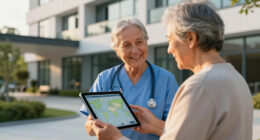
According to recent reports, more hospitals are establishing dedicated geriatric emergency departments to better serve the aging population. These units typically feature staff trained in geriatric care, including physicians, nurses, and social workers, who are equipped to handle common issues such as cognitive impairment, mobility limitations, and polypharmacy. Environmental modifications, such as improved lighting, non-slip floors, and quieter spaces, are also standard.
Research indicates that GEDs can lead to fewer hospital admissions, shorter lengths of stay, and improved patient satisfaction. For example, a 2022 study published in the Journal of Emergency Medicine found that older adults treated in geriatric EDs had better health outcomes compared to those in traditional settings. However, the extent of nationwide implementation remains limited, with many hospitals still relying on traditional emergency care models.
Experts emphasize that GEDs are not just about physical environment changes but also involve protocols for comprehensive geriatric assessment and care coordination. These approaches aim to address the complex needs of seniors, including managing multiple chronic conditions and ensuring appropriate follow-up care.
Impact of Specialized Care on Elderly Patients
The development of geriatric emergency departments is significant because it addresses a growing healthcare challenge: providing effective, efficient care for an aging population. By tailoring emergency care to seniors’ specific needs, GEDs have the potential to reduce complications, improve recovery, and lower healthcare costs. This approach could serve as a model for broader healthcare system improvements in geriatric care.

Life Alert Systems for Seniors No Monthly Fee, Caregiver Pager Call Button for Elderly, Medical Alarm Systems with App, 1Waterproof Call Button+ 1Watch Button +1Receiver(Only Supports 2.4GHz Wi-Fi)
LIFE ALERT SYSTEMS FOR SENIORS NO MONTHLY FEE – This life alert system helps seniors and elderly parents…
As an affiliate, we earn on qualifying purchases.
As an affiliate, we earn on qualifying purchases.
Growing Need for Geriatric Emergency Services
The United States and many other countries are experiencing a demographic shift, with the proportion of adults aged 65 and older increasing rapidly. This trend has led to a rise in emergency department visits among seniors, who often present with complex health issues. Traditional EDs, designed primarily for acute care, may not be optimally equipped to handle the specific needs of older patients, prompting the development of specialized geriatric units.
Some hospitals began experimenting with geriatric-focused protocols and environments over the past decade, with initial studies suggesting improved outcomes. However, widespread adoption remains uneven, and many healthcare systems continue to rely on standard ED models.
Experts note that the concept of geriatric emergency departments is gaining traction, driven by evidence of benefits and the increasing demand for specialized care.
“Geriatric emergency departments are designed to address the complex, multifaceted needs of older adults, which traditional EDs often overlook.”
— Dr. Susan Lee, Geriatric Emergency Physician
![Flipper Big Button Universal TV Remote for Seniors, Dementia - Works Both TV Only or TV & Cable (STB) Set Up - Favorites, IR Devices Spectrum, Xfinity, Samsung, Vizio, LG [Does not Work Streaming]](https://m.media-amazon.com/images/I/21I-3AKoirL._SL500_.jpg)
Flipper Big Button Universal TV Remote for Seniors, Dementia – Works Both TV Only or TV & Cable (STB) Set Up – Favorites, IR Devices Spectrum, Xfinity, Samsung, Vizio, LG [Does not Work Streaming]
✅ BEST SELLING BIG BUTTON REMOTE – Flipper Remote is specifically designed for Seniors with large color-coded tactile…
As an affiliate, we earn on qualifying purchases.
As an affiliate, we earn on qualifying purchases.
Extent of Widespread Adoption and Standardization
It is not yet clear how widely geriatric emergency departments are being adopted across different healthcare systems. While some hospitals have established dedicated units, many still rely on traditional emergency care models. Details on national or regional standards, funding, and long-term sustainability of GEDs remain limited. Further research is needed to evaluate their impact at scale and to develop best practices for broader implementation.
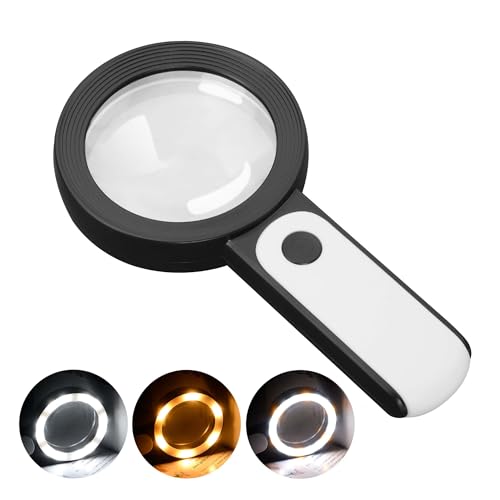
JMH Magnifying Glass with Light, Handheld Large Magnifying Glass 18LED Cold and Warm Light with 3 Modes, Illuminated Lighted Magnifier for Seniors Reading, Coins, Jewelry
HIGH POWER MAGNIFICATION: This magnifying glass provide Optical high magnification, allowing users with low vision to read text,…
As an affiliate, we earn on qualifying purchases.
As an affiliate, we earn on qualifying purchases.
Future Expansion and Research on Geriatric EDs
Moving forward, healthcare providers and policymakers are expected to focus on expanding geriatric emergency departments, supported by ongoing research into their effectiveness. Larger, multi-center studies could help establish standardized protocols and demonstrate cost-effectiveness. Additionally, efforts to train more emergency staff in geriatric care and to integrate GEDs into broader hospital systems are likely to accelerate.

Elderly Monitors with Camera and Audio, Two-Way Talk Room Monitors for Elderly, Med Reminder Camera for Elderly Monitoring, Baby Monitors for Elderly Care and Caregivers, Video Monitor for Elderly
Elderly Monitors: this elderly monitor is designed for the elderly and includes the following features: Medicine feeding reminder,…
As an affiliate, we earn on qualifying purchases.
As an affiliate, we earn on qualifying purchases.
Key Questions
What are the main features of a geriatric emergency department?
Geriatric emergency departments typically include staff trained in geriatric care, environmental modifications for safety, and protocols for comprehensive assessment and care coordination tailored to older adults.
How do GEDs improve outcomes for older patients?
Studies suggest that GEDs can reduce hospital admissions, shorten lengths of stay, and improve patient satisfaction by providing care suited to seniors’ complex health needs.
Are geriatric emergency departments available everywhere?
No, their adoption is still limited. Many hospitals are in the early stages of establishing GEDs, and widespread standardization has not yet occurred.
What challenges exist in implementing GEDs?
Challenges include funding, staff training, environmental modifications, and integrating specialized protocols into existing emergency care systems.
Source: rss