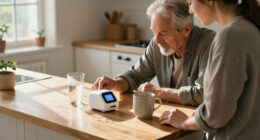
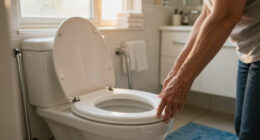
To prepare your home for recovery equipment, assess your space for obstacles and plan modifications like ramps or grab bars to boost safety. Secure loose rugs, manage cords, and guarantee good lighting to prevent falls. Verify that equipment fits comfortably in your space and that caregivers can assist easily. Consult professionals for safety checks and guidance. By addressing these steps early, you create a supportive environment that promotes recovery and independence—discover how to optimize your space even further.

Turn quiet afternoons into listening time
- Thousands of audiobooks, podcasts and originals
- Listen on your phone, tablet or Echo — also offline
- Cancel anytime
Key Takeaways
- Assess available space and modify layout to accommodate recovery equipment safely and comfortably.
- Secure hazards, improve lighting, and ensure clear pathways for safe movement.
- Consult professionals for home safety evaluations and proper equipment installation.
- Organize emergency contacts and medical supplies within easy reach.
- Train family members on equipment use and safety protocols to support recovery.
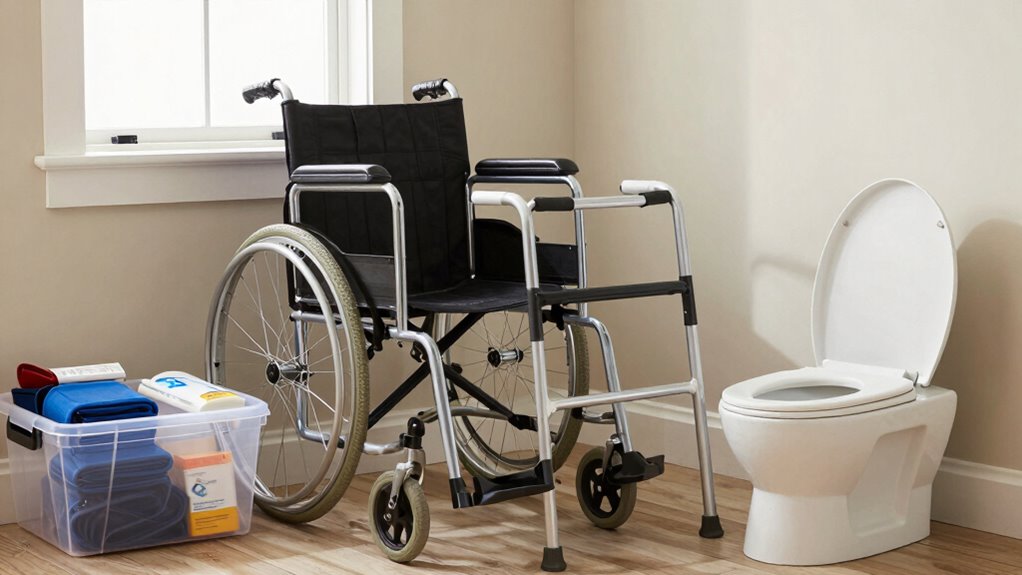
Preparing your home for recovery equipment is fundamental to guarantee safety, accessibility, and smooth operation during the recovery process. When you’re anticipating the need for assistive technology, planning ahead makes a significant difference. You want to ensure that these devices, whether they’re mobility aids, hospital beds, or other specialized equipment, can be used efficiently and safely within your space. The first step is to evaluate your home’s layout and identify potential obstacles. Narrow doorways, cluttered hallways, or uneven flooring can interfere with equipment use and pose safety risks. Clearing pathways and installing ramps or grab bars can help create a safer environment. Think about how your recovery equipment will fit into your daily routines and whether modifications are necessary to facilitate ease of use.
Preparing your home ensures safety, accessibility, and smooth recovery with proper space evaluation and modifications.
Safety precautions should be a top priority as you prepare. This means securing loose rugs, removing tripping hazards, and ensuring that all electrical outlets and cords are properly managed to prevent accidents. If you plan to use assistive technology like stairlifts or adjustable beds, double-check that the space can accommodate these devices comfortably. Making sure there’s enough room for caregivers or family members to assist is equally important. It’s also wise to keep emergency contacts and medical supplies within reach, in case of urgent needs. Installing proper lighting is another essential safety measure; bright, well-placed lights reduce the risk of falls and help you navigate your home more confidently. Additionally, understanding how to rebalancing your environment to accommodate new equipment can greatly enhance safety and functionality. Being aware of piercing care and hygiene practices can also be relevant if recovery involves healing from surgical procedures or skin-related interventions, ensuring proper wound care and infection prevention. Consulting with professionals can help identify home safety hazards that might not be immediately obvious, and paying attention to home safety can prevent accidents before they happen. Incorporating assistive technology into your home environment can significantly improve independence and safety during recovery. Training your family members or caregivers on how to operate and assist with the recovery equipment is critical for safety and efficiency. Remember, the goal isn’t just to have the equipment in place but to create an environment that promotes independence while minimizing risk.
Preparing your home in advance isn’t just about physical arrangements; it’s about fostering a safe, accessible environment that supports recovery. By proactively addressing safety precautions, evaluating your space, and seeking professional guidance on assistive technology, you set the stage for a smoother recovery journey. This preparation not only enhances safety but also gives you peace of mind, knowing that your home is ready to support your needs effectively.
As an affiliate, we earn on qualifying purchases.
Frequently Asked Questions
How Do I Choose the Right Home Recovery Equipment?
When choosing equipment, prioritize safety and suitability for your loved one’s needs. Look for devices with clear instructions, safety features, and good reviews. Consider consulting healthcare professionals for recommendations. Always check for proper maintenance and user training to guarantee equipment safety. By selecting the right home recovery equipment carefully, you help promote a safe, effective recovery environment, giving you peace of mind and your loved one the best possible care at home.
Are There Any Safety Regulations for Home Recovery Equipment?
Yes, there are safety regulations for home recovery equipment. You should make sure your equipment meets established equipment standards for home safety, which helps prevent accidents and ensure proper functioning. Always check for certifications and labels indicating compliance with safety standards. Following these regulations not only keeps your loved ones safe but also guarantees that the equipment operates effectively, providing peace of mind during recovery at home.
How Much Does Home Recovery Equipment Typically Cost?
Home recovery equipment costs vary widely, with assistive technology and mobility aids ranging from $50 to over $2,000. Did you know nearly 20% of adults use some form of mobility aids? You can find basic assistive devices like walkers or crutches on the lower end, while advanced equipment like hospital beds or power wheelchairs can be more costly. Planning your budget guarantees you get the right tools without surprises.
Can Insurance Cover Home Recovery Equipment Expenses?
Yes, insurance coverage can help with home recovery equipment expenses. You should check with your provider about equipment reimbursement options, as many health insurance plans offer coverage for essential recovery tools. It’s important to obtain pre-authorization if needed, so you’re aware of what’s covered and what’s not. By understanding your policy, you can avoid unexpected costs and ensure you have the necessary equipment for a smooth recovery at home.
What Maintenance Is Required for Home Recovery Devices?
You need to regularly check your home recovery devices by calibrating them as recommended by the manufacturer to guarantee accuracy. Additionally, keep batteries maintained by charging them fully and replacing them when they no longer hold a charge. Clean the equipment gently to prevent dust and debris buildup. Routine maintenance like this helps your devices function properly, prolongs their lifespan, and guarantees safety during use.
As an affiliate, we earn on qualifying purchases.
Conclusion
By preparing ahead of time, you guarantee your loved ones have the necessary equipment for a smooth recovery at home. Remember, studies show that patients who receive proper home care are 30% more likely to recover faster and avoid readmission. So, taking the time now to gather and understand your equipment needs can make a significant difference in recovery outcomes. Stay proactive — your loved ones’ health and comfort depend on it.
As an affiliate, we earn on qualifying purchases.
assistive technology for elderly
As an affiliate, we earn on qualifying purchases.
As an affiliate, we earn on qualifying purchases.
Halloween Picks
halloween
As an affiliate, we earn on qualifying purchases.