📊 Full opportunity report: Aging In Place And Staying Connected Through AI Calls on IdeaNavigator AI — validation score, market gap, and execution plan.

Turn quiet afternoons into listening time
- Thousands of audiobooks, podcasts and originals
- Listen on your phone, tablet or Echo — also offline
- Cancel anytime
TL;DR
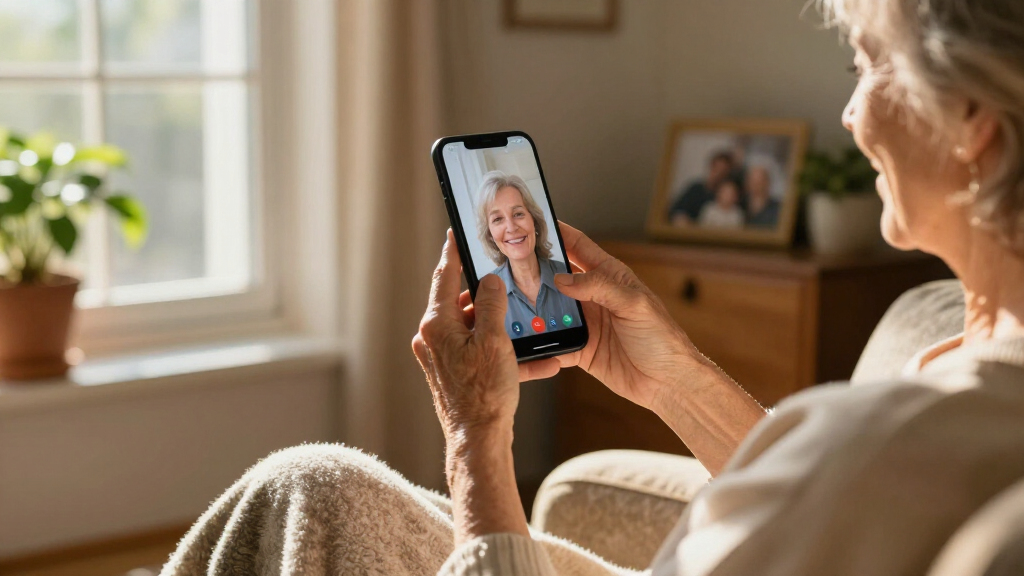
IdeaNavigator AI proposes testing scheduled AI phone calls that ask seniors living alone brief wellness questions and text an adult child an all-clear or flag a missed or concerning call. The proposal calls for a three-week test with 15 senior-and-family pairs; no pilot results, operating service, or safety outcomes are reported.
IdeaNavigator AI has proposed testing daily AI phone check-ins for seniors living alone, with a text sent to an adult child after each call. The suggested three-week pilot would involve 15 senior-and-family pairs and measure how often seniors answer and whether families consider the alerts worth paying for; the proposal does not report that a service or pilot is already operating.
The proposed service would place a scheduled daily call to an older adult’s landline or mobile phone, ask a few wellness questions, and send the adult child a basic status update. The suggested messages are an “all-clear” or a flag for a missed or concerning call. The concept is aimed at adult children who live in another city and cannot speak with a parent every day.
IdeaNavigator AI describes the problem as a gap in routine contact: if a parent has a fall or a difficult day, relatives may not learn about it for hours or longer when no regular check-in occurs. The proposal presents AI calls as a possible way to create a daily contact point, but it provides no evidence that a call can detect a fall or reliably assess a person’s health or safety.
The proposed business model is a monthly subscription paid by the adult child, per parent. To test demand, the proposal recommends arranging calls for 15 pairs over three weeks, then tracking answer rates and whether families would pay for the alerts. It gives no subscription price, pilot findings, or details about how the calls and messages would be delivered.
Testing a Daily Family Check-In
The idea addresses a practical concern for families separated by distance: maintaining regular contact without relying on a relative to place a call every day. A scheduled call could provide a repeatable opportunity to hear from a parent and notify a family member if the expected interaction does not happen. That makes the proposed test relevant to people considering ways to support an older adult’s independence while staying informed.
But the proposed alerts should not be mistaken for emergency monitoring. A missed call does not establish that a person is in danger, and an answered call does not confirm that everything is well. The value of the pilot would depend not just on whether calls are answered, but on whether families understand the limits of the system and find its updates useful enough to pay for. The proposal reports no measured impact on safety, emergency response, or time spent living independently.
Products Worth Considering

OMRON VIVA 360+ Body Composition Monitor and Smart Scale

Oura Ring 5 Smart Ring, Silver, Size 10

Withings Body Scan Smart Scale with Segmental Body Composition and ECG, Black
As an affiliate, we earn on qualifying purchases.
From Voice AI to a Pilot
IdeaNavigator AI says natural-sounding voice AI can now conduct short phone conversations over a landline or mobile connection and frames this as an opportunity to make routine check-ins affordable at scale. That is the proposal’s rationale, not a reported evaluation of a particular product. No company, deployed service, technical performance data, or independent assessment is identified.
The suggested first step is deliberately small: test the call routine with 15 older adults and their adult children for three weeks, rather than assume that families will adopt a subscription service. The two stated measures—call answer rate and willingness to pay for alerts—would offer an initial indication of use and demand. They would not, by themselves, establish whether the calls improve safety or work well across different communication needs.
Safety and Service Details Unreported
The proposal does not name a service provider or say that a pilot has begun. It also gives no results, pricing, call script, or technical details about how the system would identify a “concerning” response. It is unclear what would count as a concern, who would review a flag, and how quickly a family member would receive or act on it.
Other open questions include how the service would handle unanswered calls, repeat attempts, mistaken alerts, privacy and consent, or a senior who cannot comfortably use an automated voice system. The proposal does not describe escalation to emergency services or claim the system can detect falls. Those issues would need to be addressed before families could judge the calls as a dependable safety measure.
Pilot Results Would Set the Next Step
The next step described is a three-week pilot with 15 pairs, measuring whether seniors answer and whether adult children value the resulting updates enough to pay. No schedule, recruitment plan, or results have been announced in the proposal. Until a test is conducted and its findings are reported, the concept remains an early product idea rather than a demonstrated service.
A fuller evaluation would need to clarify how alerts are defined and handled, and gather feedback from both seniors and family members. The proposed measures could help assess basic usage and customer interest, but they would not establish that AI calls prevent harm or replace personal contact and other support.
Source: IdeaNavigator AI
Key Questions
Is the AI check-in service already available?
The information describes a proposed service and pilot; it does not say a product is available or that testing has started.
How would the proposed calls work?
A scheduled call would ask a few wellness questions, then send the adult child an all-clear or a flag if the call is missed or concerning, according to the proposal.
Can the calls detect a fall or an emergency?
No such ability is established in the proposal. It does not describe fall detection or an emergency response system, and a missed or answered call alone cannot confirm a person’s condition.
What would the suggested pilot measure?
The proposed three-week test with 15 senior-and-family pairs would track call answer rates and whether families found the alerts worth paying for.
How would the service make money?
IdeaNavigator AI suggests a monthly subscription paid by the adult child per parent, but no price or finalized business plan is given.
Source: IdeaNavigator AI