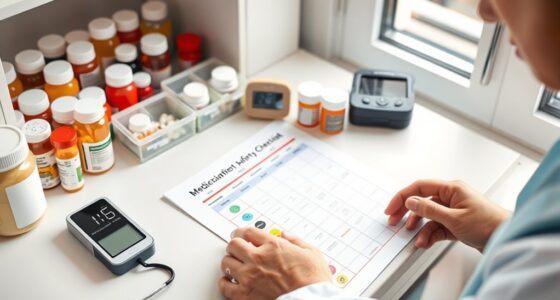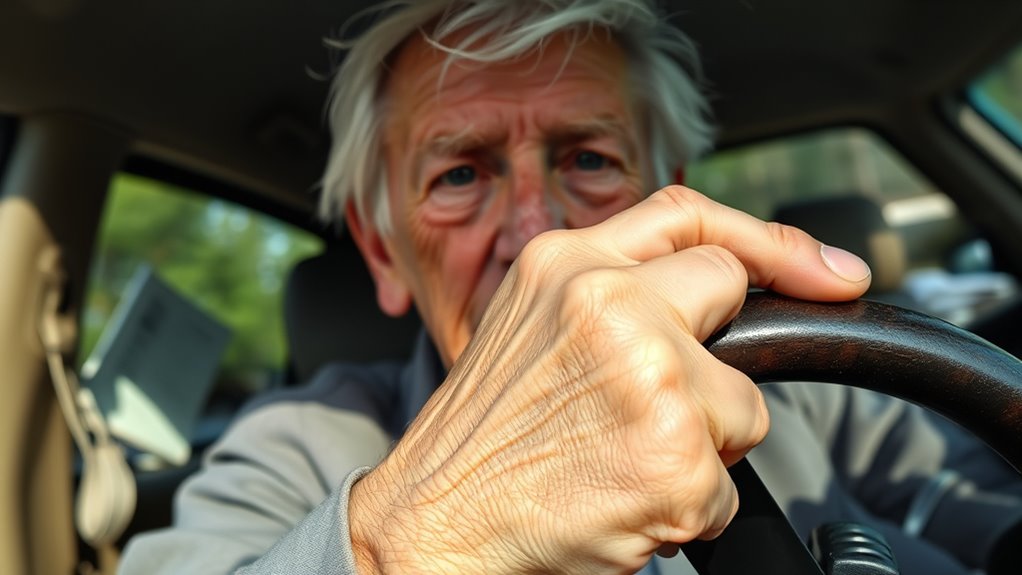

If you notice your loved one showing signs like missed traffic signals, confusion or hesitation while driving, or frequent near-misses, it’s time to think about stopping their driving. Declines in reaction time, vision, or physical coordination can make driving unsafe. Feedback from friends and family about unusual behaviors or accidents also signals it’s time to act. Keeping safety a priority means recognizing these signs early—continue on to learn how to navigate this tough shift smoothly.
Key Takeaways
- Noticeable decline in reaction time, decision-making, or lane control indicates it may be time to restrict driving.
- Increased accidents, traffic violations, or near-misses signal the need for assessment and possible stopping.
- Difficulty following traffic signs, getting lost, or confusion suggests declining navigation skills.
- Physical or cognitive health issues like memory lapses, visual impairments, or slowed reflexes impair safe driving.
- External feedback from family or friends warning of risky behaviors or signs of unsafe driving should prompt evaluation.
Changes in Driving Skills and Behavior

As people age, their driving skills and behaviors often change in subtle but noticeable ways. You might notice your loved one struggles with vehicle maintenance, such as ignoring warning lights or neglecting regular service, which can compromise safety. Changes in vision, reaction time, or decision-making can lead to difficulty staying within lanes or judging distances. They may also become inconsistent with licensing requirements, forgetting to renew their license or feeling unsure about their eligibility. These shifts can cause delayed reactions or hesitation behind the wheel. Recognizing these signs early helps you understand when their driving might be unsafe. Staying attentive to these behavioral changes ensures you can step in before minor issues turn into serious risks. Additionally, monitoring their vision and reaction capabilities can provide insight into their overall driving fitness. Being aware of cognitive decline is also crucial, as it can significantly impair judgment and response time. Regularly consulting with healthcare professionals about their mental acuity can further aid in making informed decisions about their driving. Recognizing early warning signs can help prevent potential accidents and keep everyone safer.
Increased Incident or Near-Miss Accidents
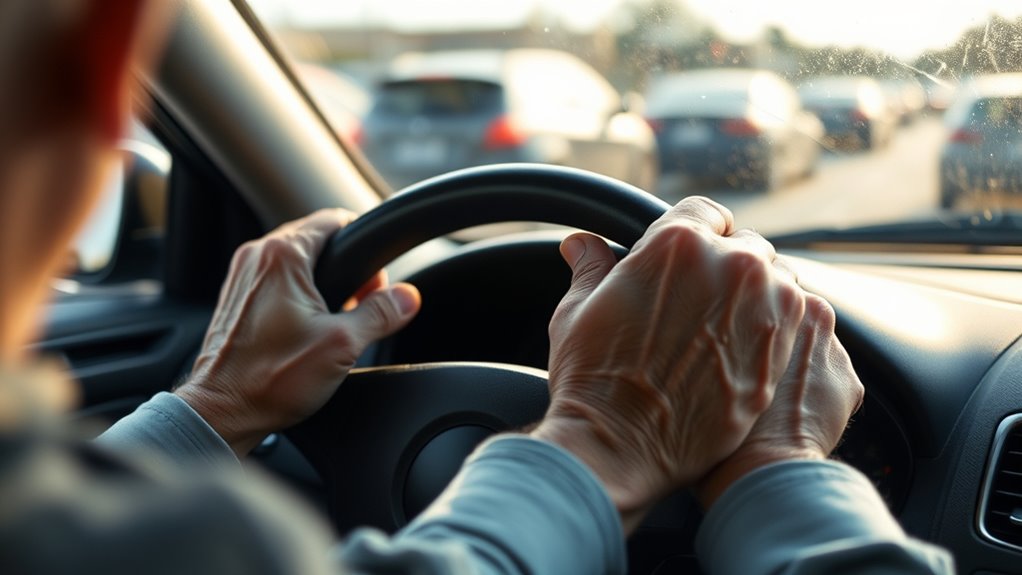
If you notice your loved one is having more accidents or near-misses, it’s a clear warning sign. Their driving mistakes happen more frequently, and close calls become more common. These incidents suggest it might be time to reconsider their ability to drive safely.
Rising Accident Frequency
An increase in accident or near-miss incidents is a clear sign that your loved one’s driving may be deteriorating. You might notice they struggle to follow traffic laws, such as stopping completely at stop signs or yielding properly. Their vehicle maintenance could be slipping, causing sudden breakdowns or poor handling. Additionally, you may observe:
- More frequent fender-benders or traffic citations
- Near-misses that leave you worried about their safety
- Difficulty judging distances or reacting quickly
- Changes in their precious metals IRA investment strategies that could reflect a broader decline in their decision-making skills
- A decline in their overall cognitive alertness, which can impair driving ability and reaction times
- These signs can also be linked to deteriorating health, which impacts their ability to operate a vehicle safely and should be evaluated promptly.
- It is important to consider visual acuity, as declining eyesight can significantly affect driving safety.
- Monitoring for multitasking difficulties can help identify if their ability to focus on multiple driving tasks is diminishing, increasing risk on the road.
Closer Calls Occur
When near-misses become more frequent, it’s a clear warning sign that your loved one’s driving skills may be declining. These closer calls, like almost hitting an object or missing a turn, indicate their reaction time and judgment are slipping. Ignoring these signs can lead to serious accidents, making it essential to contemplate driving restrictions or legal considerations. Regular vision assessments can help detect issues that might impair driving ability before accidents occur.
Difficulties With Navigation and Sign Recognition
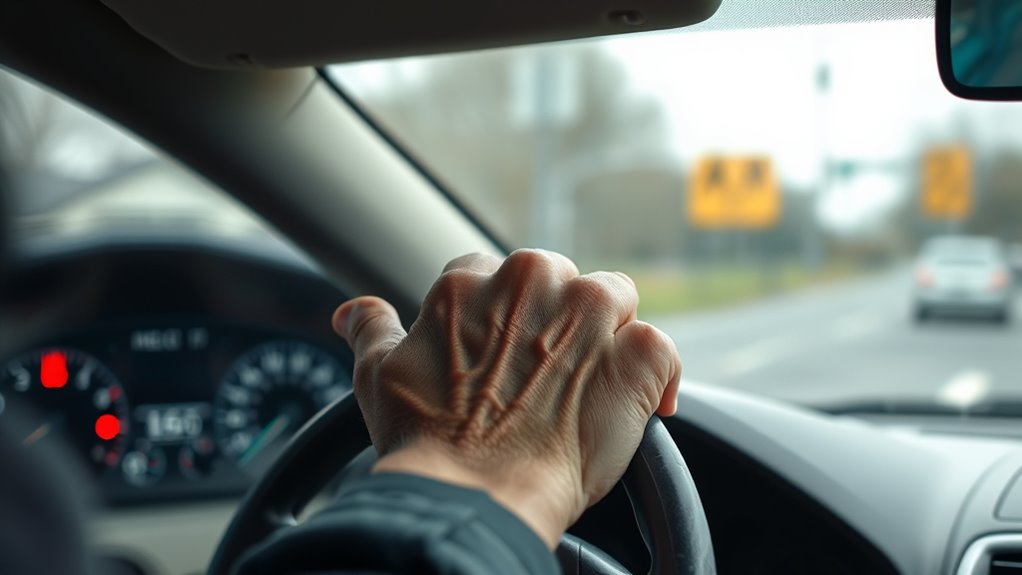
Difficulties with navigation and sign recognition are common signs that your loved one may no longer be fit to drive. If they struggle to interpret visual cues or miss road signs, it’s a red flag. You might notice them:
- Missing or misunderstanding traffic signs, leading to unsafe decisions
- Having trouble following directions or confusing turns
- Showing hesitation or getting lost in familiar areas
These issues often stem from declining perception or slower processing of visual cues, impacting their ability to respond appropriately on the road. Recognizing these signs early can prevent accidents and keep everyone safe. Pay attention if your loved one seems unsure about signs or frequently gets lost; these are critical indicators that it may be time to reconsider their driving independence.
Physical and Cognitive Health Declines

You might notice physical limitations, like trouble turning the wheel or reacting quickly. Memory lapses and poor judgment can also lead to unsafe driving decisions. When these signs appear, it’s time to contemplate whether driving is still safe. Additionally, assessing safety checklists and vehicle condition can help determine if it’s time to hand over the keys.
Physical Limitations Impairment Signs
Physical and cognitive health declines can markedly impair your loved one’s ability to drive safely. Signs of physical limitations include visual impairment, muscle weakness, and slowed reflexes. If they struggle to see road signs, read traffic signals, or have trouble focusing, it’s a red flag. Muscle weakness may cause difficulty in turning the wheel, pressing pedals, or maintaining control. You might notice delayed reactions to sudden stops or hazards. Watch for:
- Frequent squinting or difficulty seeing clearly
- Weak grip or trembling hands
- Slowed response times in traffic situations
- A decline in cognitive flexibility that affects their ability to adapt to unexpected road conditions
These signs suggest their physical capabilities are compromised, risking safety on the road. Recognizing these issues early can help you determine when it’s time to step in and discuss alternative transportation options.
Memory and Judgment Decline
Memory lapses and impaired judgment can be just as dangerous behind the wheel as physical limitations. If your loved one shows signs of memory decline, they might forget familiar routes or important traffic rules, increasing the risk of accidents. Judgment impairment can lead to poor decision-making, such as misjudging distances or reacting slowly to unexpected situations. These cognitive changes often happen gradually, making it hard to recognize the danger early. Watch for warning signs like forgetting recent events, confusing directions, or making unsafe driving choices. When memory decline and judgment impairment become noticeable, it’s a clear indication that it’s time to reconsider their driving privileges. Prioritizing safety means acknowledging these cognitive shifts and having honest conversations about whether they should continue driving. Additionally, understanding the impact of celestial bodies on personal traits can sometimes influence perceptions of aging and cognitive health, highlighting the importance of regular assessments.
Struggles With Vehicle Controls or Visibility

When driving becomes difficult because of struggles with vehicle controls or visibility, it’s a clear warning sign that your loved one may no longer be safe on the road. They might have trouble with basic vehicle maintenance, such as smoothly operating pedals or steering, which affects their control. Parking challenges can also increase, leading to frequent scrapes or difficulty reversing. You might notice:
- Difficulty steering or pressing pedals accurately
- Problems seeing clearly through the windshield or mirrors
- Struggling with parking maneuvers or judging distances
These issues often indicate declining eyesight, slower reflexes, or physical limitations. If these struggles become noticeable, it’s essential to reassess their ability to drive safely and consider alternative transportation options.
Feedback From Friends, Family, or Caregivers

Often, the most reliable indicators of your loved one’s driving safety come from friends, family, and caregivers who observe their daily habits. They notice emotional reactions like frustration or anxiety behind the wheel, which can signal declining abilities. Their feedback helps identify subtle changes before accidents happen. Be mindful of legal considerations—if multiple reports suggest unsafe driving, authorities may require formal assessments or restrictions. Use a simple table to track observations:
| Observer | Emotional Reactions | Notable Behaviors | Recommendations |
|---|---|---|---|
| Friend | Frustration, anxiety | Sudden stops, hesitation | Encourage assessment |
| Family Member | Confusion, agitation | Missed signs, slow reactions | Discuss driving limitations |
| Caregiver | Frustration, fear | Near misses, abrupt turns | Consider driving cessation |
| Neighbor | Anxiety, impatience | Difficulty parking, delayed responses | Seek professional advice |
| Self (if aware) | Frustration, fear | Avoidance of driving tasks | Recognize need for evaluation |
Additionally, regular assessments can help ensure your loved one’s safety and independence.
Evidence of Unsafe Driving Habits

Evidence of unsafe driving habits can be spotted through specific behaviors that indicate your loved one may no longer be safe behind the wheel. Visual cues and behavioral signs often reveal these issues. Look for:
- Frequent drifting into other lanes or difficulty staying centered.
- Hesitation or inconsistent braking, especially in familiar areas.
- Difficulty with turns, merging, or obeying traffic signals.
- Changes in vehicle control that suggest issues with thermal behavior or reaction time.
- The presence of trusted resources can help you better understand and assess these warning signs.
These signs show underlying problems like slowed reaction times or poor judgment. You might notice your loved one becoming overly cautious or, conversely, reckless. Pay attention to sudden lane changes or missed stop signs. Recognizing these visual cues and behavioral signs early can help you determine when it’s time to step in. Being aware of driver assessment tools can assist you in evaluating their driving skills more objectively. Addressing these issues proactively can prevent accidents and keep everyone safer.
Availability of Alternative Transportation Options

Exploring alternative transportation options is essential once you’ve identified signs that your loved one’s driving may no longer be safe. You want to ensure they can get where they need to go without risking safety or independence. Public transportation, ride sharing services, and community shuttles can be excellent options. These alternatives often provide flexible, affordable, and accessible ways to maintain mobility. Consider their comfort level with technology or physical limitations when choosing options. To visualize, here’s a quick comparison:
| Option | Benefits | Considerations |
|---|---|---|
| Public Transportation | Cost-effective, widespread | Fixed schedules, routes |
| Ride Sharing Services | Convenient, on-demand | Cost varies, app use |
| Community Shuttles | Specialized for seniors/disabled | Limited hours, coverage |
Offering these options helps your loved one stay connected without driving. Mastering Deep-Sky Imaging can serve as a reminder of the importance of understanding complex systems, much like evaluating transportation choices for safety and reliability. Being aware of alternative transport options can help you plan a smooth transition and ensure your loved one’s continued independence. Developing a comprehensive transportation plan can further facilitate this process and reduce stress for everyone involved.
Frequently Asked Questions
How Do I Approach My Loved One About Stopping Driving?
You should approach your loved one with compassion, using effective communication strategies and offering emotional support. Start by expressing your concerns gently, focusing on their safety and well-being rather than their independence. Listen actively and validate their feelings. Reassure them you’re there to help find alternative transportation options. This respectful, empathetic approach encourages open dialogue, making it easier for them to accept the need to stop driving when the time comes.
Are There Legal Requirements for Older Drivers in My State?
In your state, the legal requirements for older drivers are like a maze of rules, with strict state regulations guiding license renewal. You might need to renew your loved one’s license more frequently or undergo specific vision or medical tests. Some states even impose extra restrictions or require driving assessments for seniors. Stay informed about your state’s laws to make certain your loved one remains safe and legal on the road.
What Are the Safest Alternatives to Driving for Seniors?
You can explore community programs and transportation services as safe alternatives to driving for seniors. Many areas offer shuttle services, senior transit programs, and volunteer driver options that provide reliable, affordable transportation. These options help your loved ones stay independent and connected without the risks of driving. Encourage them to try these services to maintain their mobility while ensuring their safety and the safety of others on the road.
How Can I Assess My Loved One’s Actual Driving Ability?
You can assess your loved one’s driving ability by observing their driving habits and checking their vehicle maintenance. Watch for signs like sudden braking, hesitation, or difficulty parking. Take note of how often they need repairs or show concern about their vehicle. Consider a professional driving assessment to get an unbiased opinion. Staying attentive helps you identify whether their skills match their independence or if it’s time to explore safer alternatives.
When Should I Seek Professional Evaluations for Driving Fitness?
You should seek professional evaluations for driving fitness when you’re concerned about your loved one’s vehicle safety. Schedule cognitive testing with a healthcare provider if they display confusion, slow reaction times, or poor judgment. A formal assessment can identify impairments that affect driving abilities, helping ensure everyone’s safety on the road. Don’t wait until an accident happens—early evaluation supplies clarity and guides necessary decisions to protect your loved one and others.
Conclusion
Deciding it’s time to take away the car keys isn’t easy, but your loved one’s safety comes first. If you notice signs like forgetfulness, mistakes on the road, or physical struggles, it’s time to step in—no matter how much they resist. Remember, finding alternative transportation shows you care and keeps them independent. It’s about their safety and peace of mind, so don’t hesitate to have that honest, caring conversation.