
TL;DR
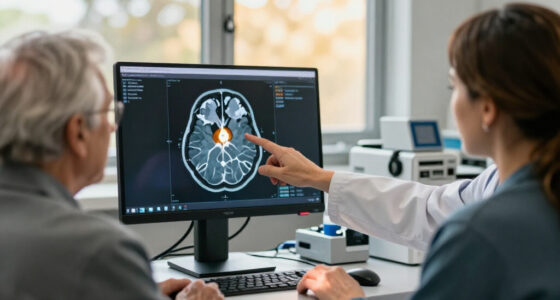
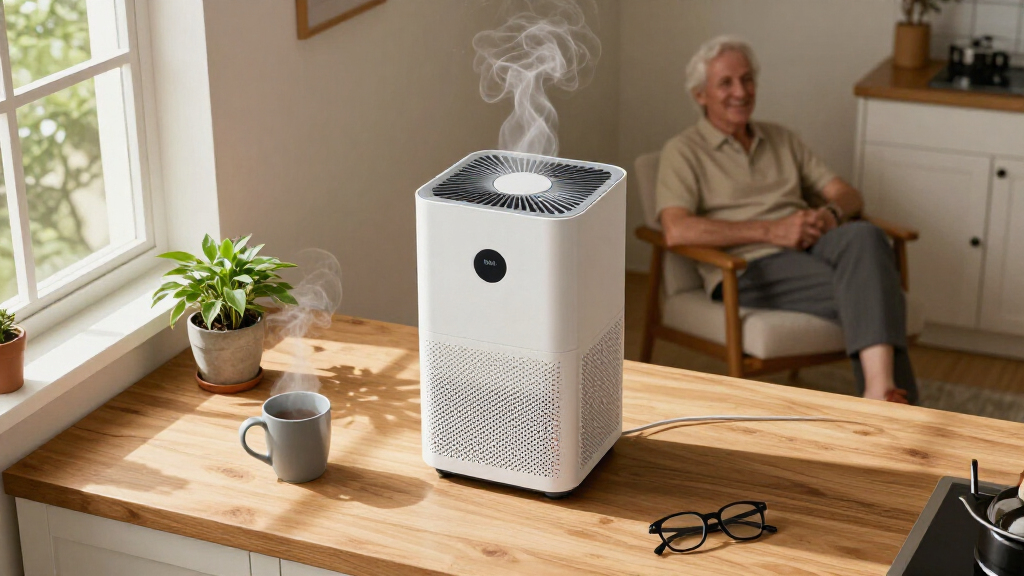
Recent search trends indicate rising interest in HEPA air purifiers, with some reports suggesting they may boost brain function within a month. The development is based on preliminary signals, and scientific confirmation is pending.
Recent online search activity shows a surge in interest regarding HEPA air purifiers, with some sources claiming they may enhance brain function after just one month of use. While these claims are drawing attention, scientific confirmation is still pending, and experts urge caution in interpreting early signals.

Turn quiet afternoons into listening time
- Thousands of audiobooks, podcasts and originals
- Listen on your phone, tablet or Echo — also offline
- Cancel anytime
Data from search engines and social media indicates a notable rise in inquiries about HEPA air purifiers over the past few weeks. Some health and wellness sources are suggesting that using HEPA filters could lead to cognitive improvements within four weeks, based on preliminary observations or small-scale studies. However, these claims have not yet been substantiated by rigorous scientific research.
Health authorities and researchers emphasize that current evidence is limited and that more comprehensive studies are needed to verify any direct link between air purifier use and brain function enhancement. The trend appears to be driven by a combination of increased awareness of indoor air quality and anecdotal reports circulating online.
Potential Impact of Air Purifiers on Cognitive Health
If confirmed, the possibility that HEPA air purifiers can improve brain function within a short period could have significant implications for public health and wellness strategies. It may influence consumer choices, especially among individuals seeking non-pharmaceutical ways to boost cognitive performance or reduce exposure to indoor pollutants linked to cognitive decline. However, at this stage, the claims remain unverified, and experts advise caution.
Products Worth Considering

Levoit Vital 100S-P Air Purifier with Washable Pre-Filter

Levoit Eleva 300X Air Purifier with Fully Sealed HEPA Filtration and Smart Control

Levoit Vital 200S-P Smart Air Purifier for Large Rooms (up to 1875 ft²)
As an affiliate, we earn on qualifying purchases.
Rising Public Interest and Preliminary Research Signals
The current trend of increased searches and discussions about HEPA air purifiers aligns with broader concerns about indoor air quality and its effects on health. While HEPA filters are proven to effectively remove airborne particles, including allergens and pollutants, their role in directly enhancing brain function is still under investigation. The interest appears to be fueled by anecdotal reports and early scientific hints, but no definitive clinical trials have confirmed these benefits.
Historically, research on air quality and cognitive health has focused on long-term exposure effects, with limited data on short-term cognitive improvements from air filtration devices. The recent spike in interest may reflect a shift towards exploring immediate or short-term benefits, although these remain speculative at this stage.
Unverified Claims and Need for Scientific Validation
It is not yet clear whether HEPA air purifiers genuinely improve brain function or if the observed interest is primarily driven by speculation and anecdotal reports. No peer-reviewed, large-scale studies have confirmed these effects, and the scientific community remains cautious about attributing cognitive benefits to air filtration devices without further evidence.
Awaiting Rigorous Clinical Trials and Scientific Confirmation
Researchers are expected to conduct controlled studies to evaluate the potential cognitive benefits of HEPA air purifiers. Meanwhile, health authorities will likely monitor the trend and issue guidance based on emerging evidence. Consumers are advised to consider current scientific consensus and avoid relying solely on unverified claims for health improvements.
Key Questions
Can HEPA air purifiers really improve brain function?
There is currently no conclusive scientific evidence that HEPA air purifiers directly improve brain function. Claims are based on preliminary signals and anecdotal reports, and further research is needed.
How soon might effects from using HEPA purifiers be noticeable?
Some sources suggest improvements could occur within one month, but this is unverified and based on early observations. Scientific validation is pending.
Are there any risks associated with using HEPA air purifiers for cognitive benefits?
HEPA air purifiers are generally considered safe when used as directed. However, relying on them for cognitive enhancement without scientific proof is not advisable.
What should consumers do while research on this topic continues?
Consumers should follow guidance from health authorities and avoid making health decisions based solely on unconfirmed claims. Maintaining good air quality and overall health practices remains important.
When will scientific studies confirm or refute these claims?
It is unclear when definitive studies will be completed, but researchers are expected to prioritize controlled trials in the coming months. Updates are likely as new data emerges.
Source: rss