TL;DR

Turn quiet afternoons into listening time
- Thousands of audiobooks, podcasts and originals
- Listen on your phone, tablet or Echo — also offline
- Cancel anytime
A growing number of celebrities are publicly endorsing full-body scans as a health tool, sparking widespread interest. Medical experts, however, caution about potential risks and lack of conclusive evidence. The trend is currently unconfirmed by medical authorities and remains a topic of debate.
Celebrities are openly endorsing full-body scans as a means of early health detection, leading to a surge in public interest. While the trend is gaining momentum on social media and among high-profile individuals, medical professionals warn about potential risks and the lack of conclusive evidence supporting widespread use. This development highlights a clash between popular wellness practices and established medical guidance.
Over the past few weeks, numerous celebrities have publicly shared their positive experiences with full-body scans, claiming they offer peace of mind and early detection of health issues. These endorsements have contributed to a spike in online searches and inquiries about the procedure, which involves comprehensive imaging of the entire body to identify abnormalities.
Despite the rising popularity, medical experts, including radiologists and health authorities, have expressed caution. They point out that full-body scans can produce false positives, unnecessary follow-up tests, and expose individuals to radiation without proven benefits for the general population. The American College of Radiology has issued statements emphasizing that such scans are not recommended as routine screening tools for healthy individuals.
Sources familiar with the trend say that the surge in interest is partly driven by social media influencers and celebrity endorsements, but there is no official endorsement from mainstream medical institutions. The safety profile of these scans varies depending on the technology used, and experts warn that overuse could lead to unnecessary anxiety or medical procedures.
Impact on Public Health Perceptions and Medical Practices
This trend underscores a growing disconnect between popular wellness practices and evidence-based medicine. While celebrity endorsements can influence public perceptions, medical professionals warn that unproven screening methods may lead to unnecessary interventions or false reassurance. The development raises questions about how health information is disseminated and the role of social media in shaping health behaviors. If the trend continues without regulatory guidance, it could strain healthcare resources and complicate patient management. For individual consumers, it highlights the importance of consulting qualified healthcare providers before undergoing such procedures.Products Worth Considering

Withings Body Scan Smart Scale with Segmental Body Composition and ECG, Black

OMRON VIVA 360+ Body Composition Monitor and Smart Scale
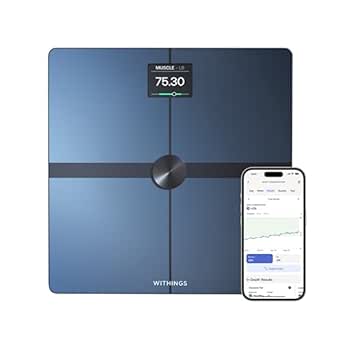
Withings Body Smart Wi-Fi and Bluetooth Smart Scale
As an affiliate, we earn on qualifying purchases.
Rise of Wellness Trends and Celebrity Influence
The popularity of full-body scans as a health tool is part of a broader trend where wellness practices promoted by celebrities rapidly gain traction through social media platforms. Historically, imaging technologies like CT scans have been used primarily for diagnostic purposes in clinical settings, not as routine screening tools for healthy individuals. The current surge in interest appears to be driven by high-profile endorsements, despite a lack of consensus from medical authorities. Similar trends in alternative health practices have previously led to increased demand for unproven procedures, often before safety and efficacy are thoroughly evaluated. The trend’s rapid growth raises concerns about the potential for misinformation and overmedicalization of healthy populations.Unverified Nature of the Trend and Safety Concerns
It is not yet confirmed whether the surge in full-body scan popularity is driven by a coordinated marketing effort or genuine individual interest. The long-term safety and clinical value of routine full-body scans in healthy populations remain unestablished, and authorities have not endorsed widespread use. Details about the specific technologies being promoted and the qualifications of providers offering these scans are still emerging. The full scope of potential health risks, including radiation exposure and incidental findings, needs further investigation.Monitoring Regulatory Responses and Public Adoption
Health authorities and medical organizations are expected to review the trend and potentially issue updated guidelines or warnings. Researchers may conduct studies to evaluate the safety, accuracy, and cost-effectiveness of full-body scans for healthy individuals. Public health campaigns could emerge to educate consumers about the risks and limitations of such procedures. Meanwhile, healthcare providers are likely to see increased demand, prompting discussions about regulation and standardization of these services. The trend’s trajectory will depend on ongoing assessments and whether regulatory bodies intervene to curb unproven practices.Key Questions
Are full-body scans recommended by doctors for healthy people?
No, medical authorities such as the American College of Radiology advise against routine full-body scans for healthy individuals due to risks of false positives, unnecessary procedures, and radiation exposure.
What are the potential risks of getting a full-body scan?
Risks include exposure to radiation, false positives leading to unnecessary tests, incidental findings that may cause anxiety, and potential overdiagnosis of benign conditions.
Why are celebrities endorsing full-body scans now?
Many celebrities share their personal experiences on social media, and endorsement may be driven by marketing efforts or personal beliefs, but there is no official medical endorsement supporting widespread use.
Could this trend lead to changes in medical guidelines?
Yes, health authorities may review current evidence and could issue new guidelines or warnings if the trend leads to increased demand and associated risks.
What should consumers do if interested in health screening?
Consumers should consult qualified healthcare providers to discuss appropriate screening options based on personal health history and current medical guidelines.
Source: rss