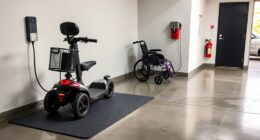
Hearing loss can affect your balance because your inner ear handles both hearing and stability through delicate structures. Damage here can impair your vestibular system, making you feel unsteady or wobbly. Without clear auditory cues, you might rely more on vision and body awareness, but this can still increase fall risk. Fortunately, gadgets like hearing aids, balance exercises, and wearable devices can help restore confidence. Stay with us to discover more ways to improve your balance and safety.
Key Takeaways
- Hearing loss impairs access to environmental auditory cues critical for maintaining balance and spatial awareness.
- Inner ear damage affects both hearing and vestibular functions, increasing fall risk.
- Reduced auditory input leads to reliance on visual and proprioceptive cues, which may be insufficient.
- Balance-assist devices, hearing aids, and vestibular rehab can improve stability and reduce falls.
- Using supportive gadgets enhances environmental awareness, confidence, and overall safety for individuals with hearing impairment.

Hearing loss doesn’t just affect your ability to hear; it can also impact your sense of balance. Your inner ear plays an essential role in both hearing and maintaining stability, specifically through the vestibular system. This system, made up of semicircular canals and otolith organs, detects head movements and spatial orientation. When your hearing deteriorates, it’s not just your ears that suffer—your vestibular system can also be affected, leading to issues with balance and coordination.
Hearing loss can also impair balance by affecting the inner ear’s vestibular system.
One way your brain maintains equilibrium is by using auditory cues—sounds from your environment that help you interpret your surroundings. For example, the sound of traffic behind you may alert you to a vehicle approaching, allowing you to adjust your stance accordingly. When hearing diminishes, these cues become less accessible, forcing your brain to rely more heavily on visual and proprioceptive inputs. This shift can make you feel more unsteady or prone to dizziness, especially in unfamiliar or cluttered environments.
The connection between hearing loss and balance problems isn’t just theoretical; research shows that individuals with hearing impairments are more prone to falls and fall-related injuries. This is partly because the vestibular system and auditory system are interconnected within the inner ear. Damage or degeneration to one part can influence the other, disrupting the delicate balance signals your brain depends on. Without clear auditory cues, your brain struggles to accurately interpret your position in space, which can lead to wobbliness or instability.
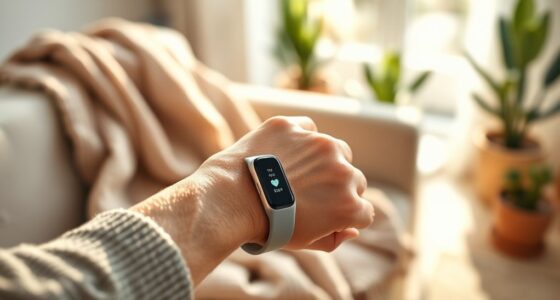
Additionally, technological advancements are developing balance-assist devices that can compensate for these sensory deficits. Fortunately, there are gadgets and strategies that can help you compensate for these challenges. Hearing aids, for example, can amplify environmental sounds, restoring some auditory cues and improving your spatial awareness. Additionally, specialized balance and vestibular rehabilitation exercises can strengthen your inner ear’s function and improve coordination. Some advanced devices, like wearable balance assistive technology, can detect your movements and provide haptic feedback to help keep you steady.
Incorporating these tools into your daily routine can make a significant difference. They don’t just improve your hearing—they help your brain better interpret your environment, reducing the risk of falls and increasing confidence in your movements. The key is recognizing that hearing and balance are interconnected and seeking appropriate solutions that address both. With the right support, you can maintain stability and stay active, despite the challenges posed by hearing loss.
Frequently Asked Questions
Can Hearing Aids Improve Balance Issues Caused by Hearing Loss?
Yes, hearing aids can improve balance issues caused by hearing loss. Modern hearing aid technology enhances your ability to detect sounds and spatial cues, which are essential for maintaining balance. To maximize benefits, you should also explore balance improvement strategies like physical therapy or balance exercises. Combining these approaches helps you regain stability, reduce fall risk, and feel more confident in daily activities.
Are There Specific Exercises to Help With Balance When Hearing Is Impaired?
Yes, you can improve your balance with specific exercises like vestibular exercises and proprioception training. These exercises help strengthen your inner ear and sensory feedback, which are vital for maintaining stability when hearing is impaired. Try standing on one leg, heel-to-toe walking, or gentle head movements. Regular practice can enhance your balance and reduce fall risks, making daily activities safer and more confident.
How Does Age-Related Hearing Loss Impact Overall Stability?
Age-related hearing loss can weaken your overall stability because it affects your vestibular system, which helps control balance. When your hearing declines, your brain struggles with sensory integration, making it harder to process signals from your ears, eyes, and body. This disruption increases your risk of falls. To improve stability, focus on exercises that boost your balance and consider gadgets like hearing aids that support sensory integration.
What Types of Gadgets Are Most Effective for Balance Support?
You should consider assistive listening devices like amplified hearing aids or FM systems, which improve sound clarity and help you stay alert to your surroundings. Balance devices such as stability aids, balance trainers, and wearable sensors can provide physical support and feedback to prevent falls. Combining these gadgets enhances your overall stability, making daily movements safer and boosting your confidence as you navigate different environments.
Is There a Link Between Hearing Loss and Increased Fall Risk?
Yes, there’s a link between hearing loss and increased fall risk. Hearing plays a key role in your vestibular health and sensory integration, helping you stay balanced. When your hearing diminishes, your brain has a harder time processing spatial cues, which can impair your balance. This makes you more prone to falls. Addressing hearing loss with proper gadgets can support your vestibular health and reduce fall risk by improving sensory input.
Conclusion
So, as you see, hearing loss hampers harmony and balance, making you more prone to falls. But with helpful hearing aids and innovative devices, you can restore your rhythm and reach for stability. Embrace the empowering equipment designed to enhance your ears and elevate your confidence. Don’t let diminished hearing diminish your dynamism—dive into devices that deliver clarity, comfort, and control. Reclaim your rhythm, and step boldly into a balanced, better tomorrow.