
To fall-proof your home, start by evaluating and removing hazards like loose rugs, clutter, and uneven floors. Improve lighting with bright, layered illumination and night lights to boost visibility. Install sturdy handrails on stairs and grab bars in bathrooms for extra support. Choose non-slip flooring and mats, and keep walkways clear by organizing and decluttering regularly. These simple steps can make your home safer—continue to learn more tips to help prevent accidents and ensure safety.
Key Takeaways
- Install sturdy handrails and grab bars in key areas like staircases and bathrooms for added stability.
- Ensure proper lighting and night lights to improve visibility and reduce tripping hazards at night.
- Remove clutter, secure rugs, and repair uneven flooring to create a safe, obstacle-free walking environment.
- Use non-slip flooring and mats in high-risk areas such as kitchens, bathrooms, and entryways.
- Regularly inspect and maintain supportive devices and environmental features to ensure ongoing safety.
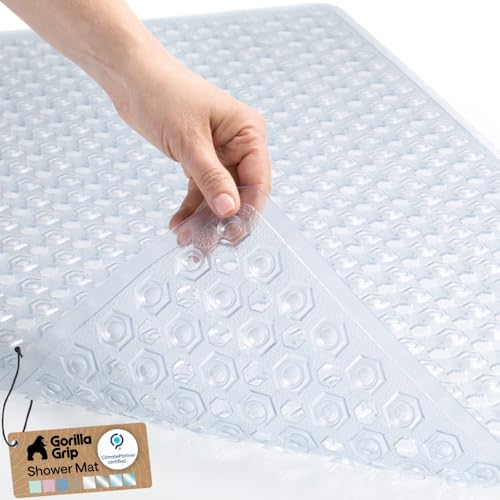
GORILLA GRIP Patented Bath Tub Shower Mat, Machine Washable Bathtub Floor Liner Mats, Suction Cups and Drain Holes to Keep Tubs Clean, Soft on Feet, Bathroom Essentials, 35x16 Inch, Clear
- Patented Design with Suction Cups: Securely stays in place with powerful suction
- Easy Water Drainage: Drain holes prevent water pooling
- BPA-Free and Textured: Soft, pebble-textured surface for comfort
As an affiliate, we earn on qualifying purchases.
Assessing and Removing Environmental Hazards

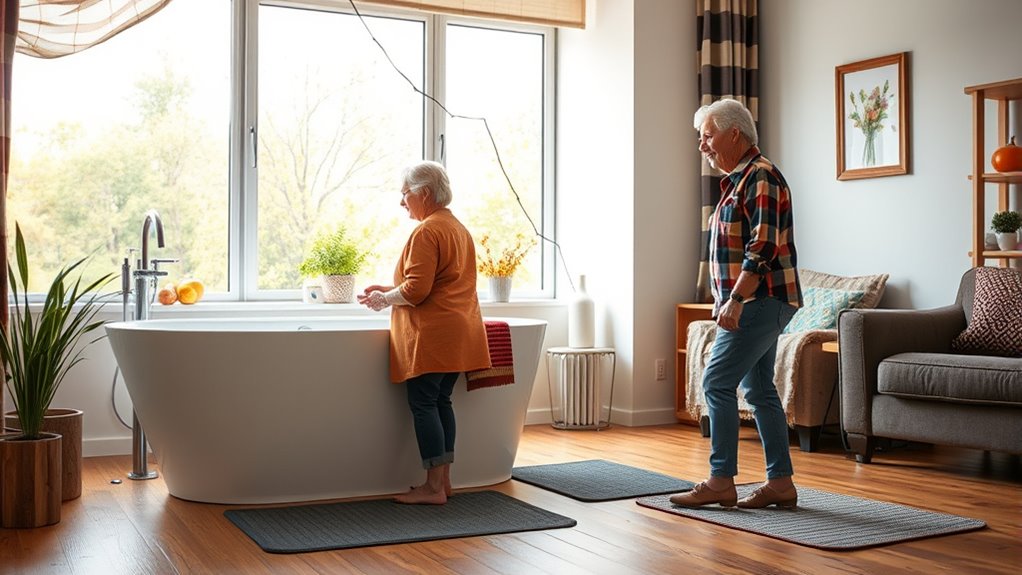
Since environmental hazards can considerably increase the risk of falls, it’s essential to identify and eliminate them before they cause harm. Begin with a thorough environmental evaluation of your home, focusing on areas like hallways, staircases, and bathrooms. Look for hazards such as loose rugs, clutter, uneven flooring, or exposed cords. During hazard identification, note anything that could cause a stumble or trip. Remove or secure loose rugs with non-slip backing, tidy up clutter, and fix uneven surfaces. Check that handrails are sturdy and easily accessible. Incorporating home safety assessments into your safety routine ensures a comprehensive approach to fall prevention. Conducting hazard evaluations regularly allows you to identify new risks as your home environment changes. Additionally, installing grab bars in bathrooms can provide extra stability and support. Regularly updating your safety measures based on environmental assessments helps maintain a fall-proof home. By systematically evaluating your environment, you can spot potential dangers early and take quick action. Eliminating hazards through proactive environmental assessment helps create a safer, fall-proof home that reduces the risk of accidents.

TEESHLY Bath Tub and Shower Mats, Non Slip 40 x 16 Inch Extra Large Bathtub Mat, Machine Washable Bathmat with Drain Holes, Suction Cups for Bathroom Floor, Gray
- Large Non-Slip Bath Mat: 40 x 16 inches with 362 suction cups
- Massage-Style Pebbled Design: Provides a relaxing, textured surface
- Optimized Drainage Holes: 327 large holes for water flow
As an affiliate, we earn on qualifying purchases.
Enhancing Lighting Throughout the Home
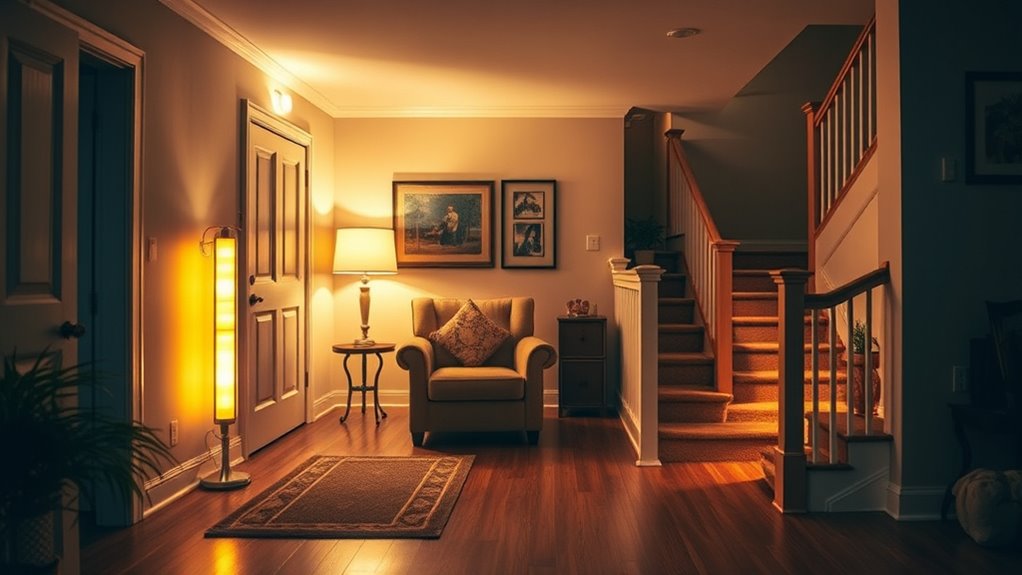
Good lighting helps prevent falls, so consider brightening dim areas and adding night lights in hallways and bathrooms. Removing glare from windows and fixtures makes it easier to see clearly and avoid obstacles. By focusing on these simple steps, you can create a safer, better-lit environment throughout your home. Additionally, using appropriate lighting levels ensures consistent illumination and reduces eye strain for safer navigation. Consulting a lighting plan can help optimize light placement for maximum safety and comfort. Incorporating ambient, task, and accent lighting ensures a layered approach that enhances visibility and safety across different spaces. Paying attention to air quality considerations can also contribute to a healthier, safer environment for seniors. Proper lighting can also influence contrast ratio, which impacts how well seniors can distinguish objects and navigate safely indoors.
Brighten Dim Areas
Brightening dim areas in your home can make a significant difference in safety and comfort. Good lighting improvements enhance visual clarity, helping you see potential hazards clearly and reducing the risk of falls. Focus on dark corners, stairways, and entryways, where inadequate light can cause missteps. Use brighter bulbs or add additional fixtures to eliminate shadows and improve overall illumination. Consider adjustable lighting options to tailor brightness as needed. Keep light switches easily accessible, especially near entrances and at the top and bottom of stairs. Regularly clean fixtures and replace worn-out bulbs to maintain ideal lighting. By making these simple adjustments, you create a safer environment that minimizes trip hazards and boosts your confidence moving around your home.
Use Night Lights
Have you considered using night lights to improve safety throughout your home? Proper night light placement is key—place them near staircases, hallways, and bathrooms to prevent falls. When choosing lights, LED options are more energy-efficient, last longer, and emit less heat compared to incandescent bulbs. This makes them safer and more cost-effective. Here’s a quick comparison:
| Feature | LED | Incandescent |
|---|---|---|
| Energy Efficiency | High | Low |
| Lifespan | Longer | Shorter |
| Heat Emission | Minimal | Higher |
Using night lights strategically helps seniors navigate safely at night, reducing accident risks and promoting independence. Incorporating cost‑of‑ownership math when selecting lighting options can also help make informed decisions for long-term safety and savings. Additionally, understanding lighting technology advancements can further enhance home safety solutions. For example, newer sensor-activated night lights automatically turn on when movement is detected, providing added convenience and safety. Implementing automated lighting systems can further optimize safety by reducing the need for manual operation in critical areas. Moreover, selecting energy-efficient bulbs can contribute to reducing electricity costs over time, making safety upgrades both practical and economical.
Eliminate Glare
While night lights help prevent falls during nighttime, controlling glare throughout your home improves overall visibility and comfort at all hours. Glare reduction is key to safe light management, especially for seniors sensitive to bright or harsh lighting. To eliminate glare, use fixtures with diffusers or shades that soften the light. Replace bulbs with lower wattage or warmer tones to minimize harsh reflections. Position lights carefully to avoid direct glare into your eyes or onto shiny surfaces. Consider using adjustable lamps so you can customize lighting levels as needed. Proper light management creates a safer environment by reducing shadows and blind spots, helping you see clearly and move confidently. Additionally, smart lighting systems can support automatic adjustments of brightness based on the time of day or activity, further enhancing home safety. Incorporating glare control techniques can make a significant difference in creating a well-lit, safe, and comfortable home environment at all times.

homerella Bathtub Mat Non Slip 35x16 Shower Mat Non Slip Anti Mold BPA Free
- Non-Slip Design: 250+ suction cups for secure grip
- Mold & Mildew Resistant: Anti-mold, mildew-resistant material
- Machine Washable: Easy to clean with cold wash
As an affiliate, we earn on qualifying purchases.
Installing Supportive Devices and Handrails

Are you wondering how to make your home safer for everyone? Installing supportive devices like handrails and grab bars is essential. Proper handrail installation along staircases provides stability, while strategic grab bar placement in bathrooms offers extra support where slips are common. When installing, ensure handrails are secure and at a comfortable height, and grab bars are firmly anchored into studs or wall anchors. Consider these key points:
- Position grab bars near toilets and showers for easy access
- Use durable materials that can support weight
- Regularly check for stability and tighten as needed
- Incorporate compact living principles to maximize safety without sacrificing space
- Additionally, selecting appropriate mounting hardware can enhance the safety and longevity of these devices.
These steps help reduce fall risks, especially for seniors. Supportive devices give confidence and independence, making your home safer for everyone.

LiveFine Automatic Pill Dispenser for Elderly, 28-Day Supply, Frosted Lid
- Effortless 28-Day Medication Organization: Easy-fill carousel with lockable cover
- Customizable Reminders and Alerts: Interchangeable dosage rings with adjustable alerts
- Clear LCD Display: Jumbo screen shows time and alarms
As an affiliate, we earn on qualifying purchases.
Choosing Appropriate Flooring and Rugs

When selecting flooring and rugs, opt for non-slip surfaces to reduce falls. Make sure rugs are securely anchored and use padding underneath to add cushioning. These choices help create a safer environment and prevent accidental slips. Additionally, considering juice extraction techniques can inspire the use of slip-resistant mats in areas where liquids might be spilled, such as kitchens or dining spaces. Proper flooring maintenance can further prevent hazards caused by wear or damage, which is especially important given the aging-related changes that affect balance and mobility. Regular inspections and prompt repairs are essential to maintain a safe walking surface and prevent slip hazards in the home. Implementing simple safety measures like these can greatly enhance home safety for seniors.
Non-slip Surface Options
Choosing the right flooring and rugs is essential for creating a slip-resistant home. Textured flooring, like vinyl or rubber, provides better grip and reduces falls. Slip resistant mats placed in high-risk areas, such as bathrooms and kitchens, add extra safety. When selecting surfaces, consider these options:
- Use textured flooring to increase traction.
- Add slip resistant mats in wet or tiled areas.
- Opt for low-pile, non-slip rugs with secure backing.
These choices help minimize the chances of slipping and falling. Textured flooring offers consistent grip, while slip resistant mats provide targeted protection. Ensuring rugs stay in place with non-slip backing prevents tripping hazards. Ultimately, combining these non-slip surface options creates a safer environment tailored for senior needs.
Secure Rug Placement
Ever wonder how to keep rugs from slipping and causing falls? Securing rugs properly is vital for safety. Use non-slip mats underneath rugs to provide extra grip and prevent movement. Rug tackifiers are also effective; they hold the edges of your rugs in place without damaging the floor. When choosing rugs, opt for low-pile or tightly woven options that lie flat. Make sure the rug size matches the area to avoid edges curling up, which can trip someone. Regularly check and adjust non-slip mats and rug tackifiers to maintain their effectiveness. These simple steps create a safer walking surface, reducing the risk of slips and falls in your home. Properly secured rugs are a critical part of fall-proofing your living space.
Padding for Cushioning
Secure rugs help prevent slips, but adding proper padding enhances safety and comfort even further. Using cushioning mats and quality padding materials creates a softer surface that absorbs impact and reduces falls. When selecting flooring, opt for surfaces with natural shock absorption, like cork or vinyl, which provide extra cushioning. Additionally, layer rugs with non-slip backing and padding underneath to prevent movement. Consider installing foam or rubber padding under high-traffic areas to protect joints and minimize injury risk. Remember, well-padded floors promote stability and confidence while walking.
- Choose padding materials that suit your environment and activity level
- Ensure padding is thick enough to absorb shock but not cause tripping hazards
- Regularly inspect and replace worn padding to maintain safety
Organizing and Decluttering Living Spaces

A cluttered or disorganized living space can increase the risk of falls by making it harder to navigate safely. To reduce this risk, focus on effective clutter management by regularly sorting through belongings and removing unnecessary items. Use smart storage solutions like shelves, bins, and furniture with built-in compartments to keep essentials within easy reach and off the floor. Keep walkways clear of obstacles, cords, and loose rugs that could cause trips. Designate specific areas for frequently used items so you don’t have to search or move things around unnecessarily. Maintaining a tidy environment not only minimizes tripping hazards but also creates a calmer, safer space. Consistent organization is key to preventing accidents and ensuring you can move around confidently.
Promoting Safe Bathroom Practices
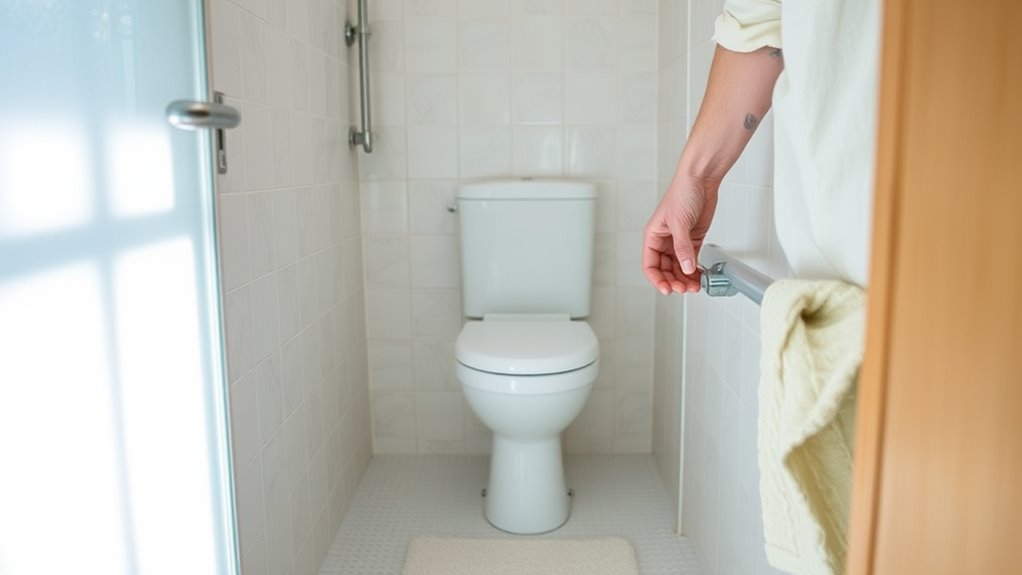
Because bathrooms can be slippery and cluttered, promoting safe bathroom practices is essential for fall prevention. Installing bathroom grab bars near the shower and toilet provides stability, helping you maintain balance. Use non-slip mats in the shower and on the bathroom floor to reduce the risk of slipping. Keep clutter like towels and toiletries organized to prevent tripping hazards. Regularly check that grab bars are securely attached and mats are in good condition. Remember, a few simple adjustments can make a big difference in safety.
Promote bathroom safety with grab bars, non-slip mats, and organized clutter for fall prevention.
- Install sturdy bathroom grab bars for support
- Use non-slip mats to prevent slips
- Keep pathways clear of clutter for easy movement
Encouraging Regular Eye and Health Checkups
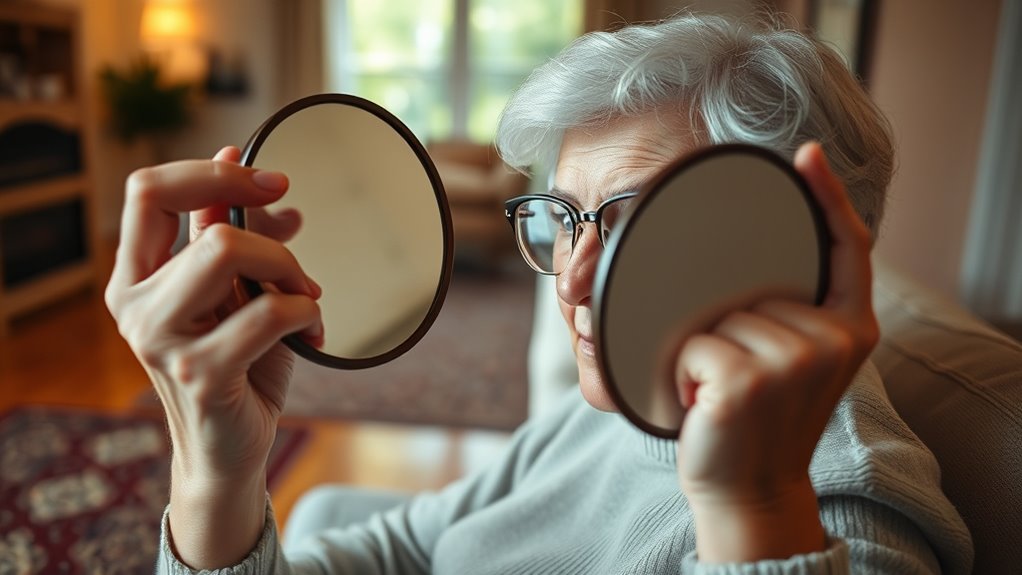
Regular eye and health checkups are crucial for detecting issues early and preventing falls. Vision health plays a vital role in maintaining your balance and awareness at home. Regular eye exams can identify vision problems like glaucoma or age-related macular degeneration that may impair your ability to see hazards clearly. Additionally, routine health screenings help uncover underlying conditions such as osteoporosis or medication side effects that increase fall risk. By staying current with these checkups, you can address concerns promptly and adapt your environment accordingly. Make appointments a priority and discuss any changes in your vision or health with your healthcare provider. Proactive care ensures you maintain independence and safety, reducing the chance of accidents around your home.
Frequently Asked Questions
How Can I Identify Hidden Hazards in My Home?
You can identify hidden hazards in your home by thoroughly inspecting every room for fire hazards like overloaded outlets or flammable materials. Make certain emergency exits are clear and easily accessible, without furniture blocking pathways. Look for loose rugs, clutter, or uneven flooring that could cause falls. Regularly check smoke detectors and keep emergency supplies handy. Being proactive helps you spot risks early and create a safer environment for yourself and your loved ones.
What Are the Best Types of Lighting for Seniors?
You should opt for bright, even lighting with LED bulbs to keep your home safe. Night lighting is essential, so install LED nightlights in hallways, bathrooms, and bedrooms to prevent falls during nighttime trips. Choose adjustable fixtures or motion-activated lights to guarantee areas are well-lit when needed. These energy-efficient options help you see clearly, reducing trip hazards and making your home safer and more comfortable at all hours.
Which Support Devices Are Most Effective for Balance?
You’ll find that sturdy handrails, grab bars, and walkers are some of the most effective assistive devices for improving balance. Mobility aids like canes and rollators provide extra stability, helping you move confidently. When choosing these devices, make certain they’re properly fitted and comfortable. Regularly check their condition, and don’t hesitate to ask a healthcare professional for personalized recommendations to keep you safe around your home.
How Do I Select the Safest Flooring Options?
To select the safest flooring options, look for slip-resistant flooring that provides good traction, reducing the risk of falls. Choose cushioned surfaces, such as rubber or vinyl, which absorb impact and add comfort underfoot. Avoid highly polished or smooth surfaces that can become slippery when wet. You should also consider flooring that’s easy to clean and maintain, ensuring your home stays safe and hazard-free for seniors.
What Are Practical Tips for Organizing Clutter Quickly?
Did you know clutter causes 25% of falls in homes? To organize quickly, start with simple decorating tips like using baskets or bins for storage solutions. Clear walkways by grabbing items off the floor and grouping similar objects together. Keep frequently used items within reach, and designate specific spots for keys, mail, and everyday essentials. This streamlined approach reduces hazards and makes your space safer instantly.
Conclusion
Think of your home as a ship steering calm waters—you’re the captain steering clear of hidden icebergs. By making small changes like removing hazards and adding support, you create a safer environment that keeps you steady and confident. Remember, over 60% of senior falls happen at home, but with proactive steps, you can turn your space into a safe harbor. Stay vigilant, and enjoy smooth sailing every day.