Poor indoor air quality can make seniors feel uncomfortable and breathe harder because their respiratory systems weaken with age. Exposure to dust, pet dander, mold, and VOCs can worsen breathing problems and allergies. Using proper ventilation, air purifiers, and regular cleaning can improve airflow and reduce pollutants. Keeping humidity in check helps prevent mold growth. To learn how these steps can make a difference, explore more ways to keep the air clean and safe for seniors.

Turn quiet afternoons into listening time
- Thousands of audiobooks, podcasts and originals
- Listen on your phone, tablet or Echo — also offline
- Cancel anytime
Key Takeaways
- Poor indoor air quality can exacerbate respiratory issues in seniors, leading to discomfort and breathing difficulties.
- Age-related decline in lung function makes older adults more vulnerable to indoor pollutants.
- Elevated levels of dust, mold, and VOCs can trigger allergies and worsen existing respiratory conditions.
- Proper ventilation and filtration help seniors breathe easier by reducing airborne contaminants.
- Regular air quality assessments and cleaning minimize pollutant buildup, enhancing overall comfort and health.
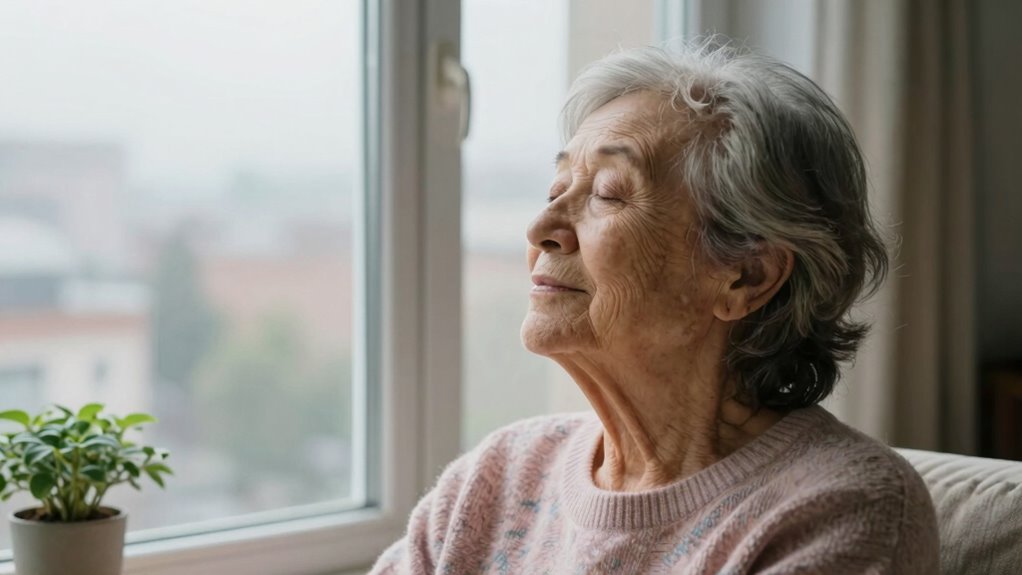
Good air quality is indispensable for seniors’ comfort and health, especially since older adults are more vulnerable to pollution and airborne irritants. As you age, your respiratory system becomes less efficient, making you more susceptible to the effects of indoor pollutants. These pollutants can include dust, pet dander, mold spores, tobacco smoke, and volatile organic compounds (VOCs) from household products. Even in a clean home, these invisible particles can accumulate quickly, leading to breathing difficulties, allergies, or worsened respiratory conditions. That’s why maintaining good indoor air quality is fundamental to your overall well-being. Regularly checking for microplastics in dust and other tiny particles can help you better understand what might be affecting your indoor environment. Incorporating air quality monitoring devices can provide real-time feedback on pollutant levels and help you take immediate action when needed. Ensuring proper ventilation and airflow is also crucial, as it can significantly reduce the buildup of indoor pollutants and improve overall air freshness. Proper air filtration is essential for effectively removing airborne contaminants, especially in homes with vulnerable populations. Investing in a quality air purifier helps to filter out harmful particles from the air you breathe every day. HEPA (High-Efficiency Particulate Air) filters are especially effective at capturing tiny particles like dust mites, pollen, and pet dander. Using an air purifier in common living areas or bedrooms can markedly improve air quality, making it easier for you to breathe comfortably. It’s important to choose a device suited to your room size and to keep it maintained properly, replacing filters as recommended. Doing so guarantees the purifier continues to work effectively and provides you with cleaner, healthier air.
In addition to using air purification devices, you can take other steps to reduce indoor pollutants. Regularly cleaning your home minimizes dust and allergen buildup, while using natural cleaning products helps avoid introducing VOCs into your environment. Ventilating your home by opening windows when weather permits can also help dilute indoor pollutants and bring in fresh air. If you’re a smoker or live with a smoker, quitting or establishing smoke-free zones is essential because tobacco smoke is a major indoor pollutant that can aggravate respiratory problems. Controlling humidity levels to prevent mold growth is another key measure; using dehumidifiers or fixing leaks can keep the air safer and more breathable. Additionally, paying attention to air circulation can help distribute clean air throughout your space more effectively, further improving indoor air quality.
Products Worth Considering

Levoit Core 600S-P Smart Air Purifier for Large Rooms

Levoit Vital 200S-P Smart Air Purifier for Large Rooms

LEVOIT Vital 100S-P Smart Air Purifier with Washable Pre-Filter
As an affiliate, we earn on qualifying purchases.
Frequently Asked Questions
How Often Should Air Filters Be Changed in Senior Living Spaces?
You should change air filters in senior living spaces every 30 to 90 days, depending on usage and filter type. Regular filter maintenance is essential for allergy prevention and maintaining good air quality. If residents have allergies or respiratory issues, consider replacing filters more frequently, around every 30 days. Keeping filters clean helps reduce airborne allergens and guarantees a healthier, more comfortable environment for seniors.
What Are Common Indoor Pollutants Affecting Seniors’ Breathing?
An ounce of prevention is worth a pound of cure. Indoor pollutants like allergens such as dust mites, pet dander, mold spores, and chemical fumes from cleaning products or paints can severely affect seniors’ breathing. These pollutants can trigger allergies, asthma, or respiratory issues. Regularly cleaning, ventilating spaces, and choosing low-emission products can markedly reduce indoor allergen and chemical fume exposure, helping seniors breathe easier and stay healthier at home.
Can Air Purifiers Improve Air Quality for Seniors?
Yes, air purifiers can considerably improve air quality for seniors. To guarantee effectiveness, you need to perform regular air purifier maintenance like cleaning filters and replacing them as recommended. The filter type plays an essential role; HEPA filters are highly effective at capturing airborne pollutants, including allergens and dust. By choosing the right filter and maintaining your device properly, you help create a healthier environment, easing breathing and increasing overall comfort for seniors.
How Does Humidity Impact Seniors’ Respiratory Health?
Humidity levels can make or break your loved one’s respiratory comfort—imagine breathing in fog or desert dryness! Proper humidity control prevents air from becoming too dry or too damp, which can irritate airways or promote mold growth. Maintaining balanced humidity supports respiratory health, helping seniors breathe easier and reducing coughing or congestion. So, controlling humidity isn’t just comfort; it’s an essential step toward safeguarding their respiratory well-being.
Are There Specific Air Quality Standards for Senior Homes?
Yes, senior homes must follow air quality regulations that prioritize senior health standards. These standards set limits on pollutants, guarantee proper ventilation, and control humidity to protect residents’ respiratory health. You should regularly monitor indoor air quality and verify ventilation systems meet the required standards. By adhering to these regulations, you help create a safer, healthier environment that reduces respiratory issues and enhances comfort for seniors.
Conclusion
Maintaining good air quality isn’t just about comfort—it’s essential for your health. Did you know that poor indoor air quality can increase respiratory problems by up to 30% in seniors? By keeping your environment clean and well-ventilated, you greatly reduce this risk. Prioritize fresh air and air purification to breathe easier and stay healthier. Your comfort and well-being depend on the air you breathe, so take steps today for a safer, healthier tomorrow.