TL;DR

Turn quiet afternoons into listening time
- Thousands of audiobooks, podcasts and originals
- Listen on your phone, tablet or Echo — also offline
- Cancel anytime
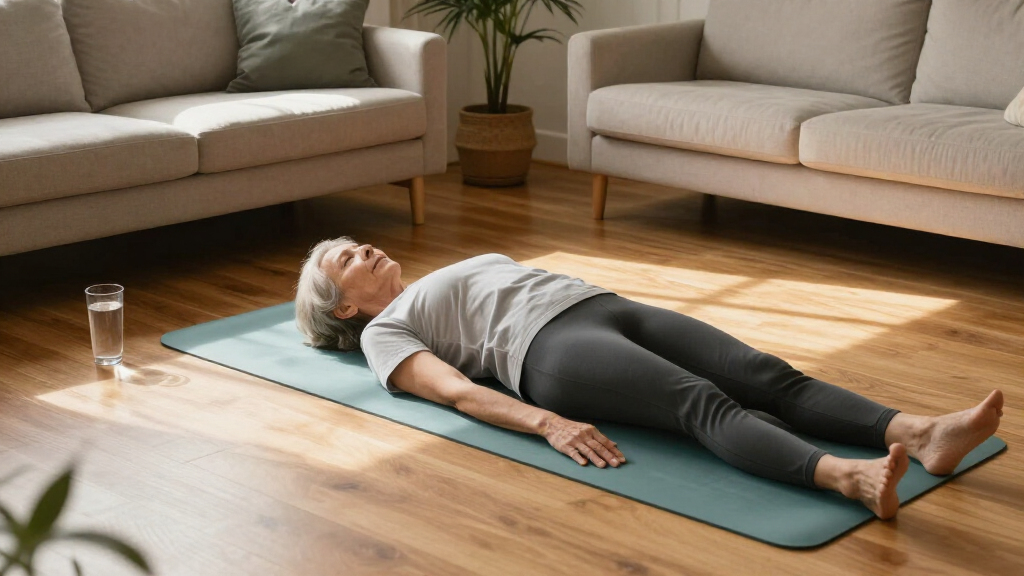
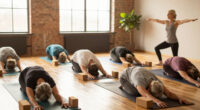
Fit&Well published a 10-minute, seven-move beginner Pilates flow from Sundrop Pilates instructor Hannah Lawrence for people seeking gentle back and hip mobility work. Lawrence recommends moving slowly and stopping if an exercise causes pain; the source does not provide research showing the routine’s effects or say it is suitable for every health condition.
Fit&Well has published a 10-minute beginner Pilates flow featuring seven movements intended to work on back and hip mobility. The routine is attributed to Hannah Lawrence, a Sundrop Pilates instructor, who advises moving slowly and keeping each movement within a pain-free stretch.
The sequence moves from the floor to sitting and standing, combining spinal movement with stretches for the sides of the body and the backs of the legs. Fit&Well lists a pelvic curl or bridge, cat-cow, mermaid side bends, a single-leg forward fold, a lying single-leg hamstring stretch, a standing Pilates roll down and supine knee rocks. The source gives repetitions or hold times for each exercise, but does not specify rest periods or a required pace.
For the bridge, the instructions are to lie on the back with knees bent, exhale while lifting the spine from the mat, then roll back down. Cat-cow is performed on hands and knees, alternating between lifting the chest and rounding the back. The mermaid bend and forward fold are done on both sides; the article suggests one minute per side for the mermaid and 30 to 60 seconds per side for the fold.
The final movements include a one-minute-per-side lying hamstring stretch, three to four standing roll downs, and five knee rocks to each side while lying down. Fit&Well says to bend the knees further during the roll down if the hamstrings feel tight, and to keep the shoulders against the mat during knee rocks. Lawrence’s guidance is to move slowly and have each exercise feel like a stretch without causing pain.
A Short Routine for Everyday Mobility
The routine gives beginners a defined sequence that can be completed in about 10 minutes, with movements that cover several areas of flexibility and spinal motion. Its practical value, as presented by Fit&Well, is that people can try a short session rather than assemble separate exercises themselves. The article says the routine may help maintain mobility and make positions such as sitting cross-legged and reaching toward the toes feel more comfortable; that is the source’s stated benefit, not a measured outcome reported for participants.
The pain-free instruction also gives readers a basic limit for the suggested stretches. The source does not assess individual causes of stiffness, compare the routine with other forms of exercise or provide evidence that completing it will prevent later mobility problems. Readers should treat it as a general exercise feature, not an individualized assessment or a guaranteed result.
How the Seven Moves Fit Together
Fit&Well frames the routine around maintaining joint mobility over time and presents it as a beginner session. The seven movements alternate positions: the bridge and cat-cow introduce controlled movement through the spine; seated side bends and forward folds add lateral and forward reaches; the lying hamstring stretch targets the back of one leg at a time; and roll downs and knee rocks finish the sequence with standing and supine spinal movement.
The article gives practical timing rather than a detailed training plan. It specifies six to eight pelvic curls, 10 cat-cow repetitions, timed holds for several stretches, three to four roll downs and five knee rocks per side. It does not state how often readers should repeat the flow or describe a progression for increasing its difficulty.
Evidence and Individual Suitability
The source does not identify clinical research behind this specific flow, report measured results or say how much regular practice might change mobility. It also does not provide a publication date, explain how the 10-minute duration was calculated or specify whether the routine was reviewed for people with injuries or other health concerns. Its suitability for a particular reader is not established by the article. The instructions offer a general pain-free guideline but no tailored alternatives beyond bending the knees more during the roll down.
Trying the Flow Safely
Fit&Well presents the sequence for readers to follow as a short beginner session. The source does not announce a follow-up study, clinical evaluation or scheduled update. Anyone choosing to try the moves can follow the listed repetitions and hold times while keeping movements gentle; the article advises against pushing into pain. People with a health condition, injury or questions about whether these exercises suit them can seek guidance from a qualified health professional before changing their activity.
Key Questions
What exercises are in the 10-minute Pilates flow?
Fit&Well lists seven movements: pelvic curls or bridges, cat-cow, mermaid side bends, single-leg forward folds, lying hamstring stretches, Pilates roll downs and supine knee rocks.
Who is the routine attributed to?
The routine is attributed to Hannah Lawrence, a Sundrop Pilates instructor, in Fit&Well’s report.
How long should the stretches be held?
The source suggests one minute per side for the mermaid bend and lying hamstring stretch, and 30 to 60 seconds per side for the single-leg forward fold.
Does Fit&Well show that the routine relieves stiffness?
The article describes the routine as intended to support mobility and quotes Lawrence on making some positions feel more comfortable. It does not report measured results or evidence that this specific flow relieves stiffness for everyone.
Source: rss
Fall Picks
fall essentials
As an affiliate, we earn on qualifying purchases.