
TL;DR

Turn quiet afternoons into listening time
- Thousands of audiobooks, podcasts and originals
- Listen on your phone, tablet or Echo — also offline
- Cancel anytime
A Sixty and Me report describes ways adults over 60 can define intimacy and sexuality around their own preferences, comfort and circumstances. It cites research linking sexual activity and emotional closeness with greater enjoyment of life, but the association does not show that sex causes better health or longer life.
A Sixty and Me report says intimacy and sexual expression can remain meaningful parts of life after 60, while emphasizing that older adults can define them for themselves and should not treat sex as a requirement for healthy aging. The report cites a 2019 study of older adults in England that found an association between sexual activity, emotional closeness and greater enjoyment of life, but says the finding does not establish that sex causes better health or longer life.
The report describes intimacy broadly: it can include holding hands, kissing, affectionate touch or private conversation, as well as intercourse, masturbation or other forms of sexual expression. It cites the National Institute on Aging’s guidance that sexuality and intimacy can take different forms in later life. A person’s interest may also change with health, relationships, bereavement, caregiving responsibilities or personal preference.
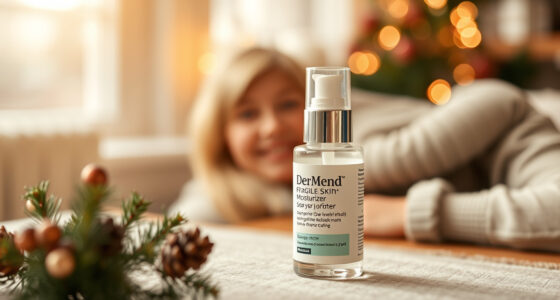
Physical changes can affect comfort. After menopause, reduced estrogen may contribute to vaginal dryness and changes in tissue elasticity, which can make sexual activity uncomfortable. The report, citing The Menopause Society, says lubricants can reduce friction, while vaginal moisturizers are used regularly for ongoing dryness. It advises discussing persistent pain, bleeding or troublesome dryness with a healthcare professional rather than enduring symptoms without support.
For people without partners, the report notes that sexual expression can include masturbation, gentle touch, fantasy or use of a vibrator, if desired. It cites the American College of Obstetricians and Gynecologists as including masturbation among ways to explore pleasure. The report stresses that penetration is optional and that choosing not to pursue sexual activity is equally valid. With a new partner, it recommends discussing condoms and sexually transmitted infection testing, since menopause does not remove infection risk.
Intimacy Without a Health Prescription
The report challenges the idea that healthy aging should be measured only through exercise, nutrition and sleep. It argues that affection, pleasure and connection may matter to quality of life, while leaving room for people who are single, uninterested in sex, or navigating changes in health and relationships.
Its qualification about the research matters: the England study found an association, not proof that sexual activity improves health. Healthier people may be more able to remain sexually active, and relationship quality may shape both intimacy and enjoyment of life. Claims that sex or masturbation prevents cognitive decline, strengthens immunity or guarantees longevity are not established by the evidence described in the report.
Products Worth Considering

OMRON VIVA 360+ Body Composition Monitor and Smart Scale

Withings Body Scan Smart Scale with Segmental Body Composition and ECG, Black

Withings Body Smart Wi-Fi and Bluetooth Smart Scale
As an affiliate, we earn on qualifying purchases.
Comfort and Choice After Menopause
The report focuses particularly on women over 60 and on changes that may follow menopause. Dryness and discomfort can affect sexual activity, but approaches depend on the person’s symptoms and medical history. It mentions water- or silicone-based lubricants, regular moisturizers and, in some cases, low-dose vaginal estrogen as possibilities to discuss with a clinician. The source does not present these options as suitable for everyone.
It also recommends making practical adjustments, such as allowing more time for arousal and choosing positions that are easier on sore joints. People should stop if an activity hurts. For those in relationships, a direct conversation about what feels comfortable now may help partners adapt to changing preferences. These are suggestions in the report, not a claim that every older adult needs or wants sexual activity.
“Lubricants reduce friction during sexual activity, while vaginal moisturizers are used regularly to help with ongoing dryness.”
— The Menopause Society, as cited by Sixty and Me
What the Evidence Cannot Establish
The report does not provide the study’s sample size, detailed methods or effect estimates, so readers cannot assess those features from the material supplied. It describes the 2019 research as finding an association with enjoyment of life, not a cause-and-effect relationship. The evidence cited does not show that sexual activity extends lifespan or prevents disease.
It is also unclear from the report how common the described symptoms or experiences are among older adults. Individual causes of pain, bleeding or changes in desire vary, and the source cannot determine what treatment is appropriate for a particular person. Those concerns require discussion with a qualified healthcare professional.
Small Steps and Clinical Conversations
The report recommends starting with a manageable step if more intimacy is wanted: setting aside uninterrupted time with a partner, talking about changing preferences, or asking a clinician about discomfort. If a change in desire is troubling, it suggests discussing possible contributors such as medication, illness, stress or relationship concerns.
No further study announcement or policy change is described in the source material. For readers, the practical next step is personal: decide what feels welcome and comfortable, seek professional advice about persistent symptoms, and remember that intimacy can take many forms—or may not be a priority at all.
Key Questions
Does sex improve health or extend life after 60?
The report cites a study linking sexual activity and emotional closeness with greater enjoyment of life, but that association does not prove causation. The material does not establish that sex extends life or prevents disease.
What can help with vaginal dryness after menopause?
The report says lubricants may reduce friction and vaginal moisturizers may help with ongoing dryness. Persistent discomfort, pain or bleeding should be discussed with a healthcare professional, who can consider options in light of a person’s history.
Does intimacy have to involve intercourse or a partner?
No. The report describes intimacy as including affection, conversation and touch, and sexual expression as potentially including masturbation or other forms of pleasure. Penetration and partnered activity are optional.
Do older adults need to worry about sexually transmitted infections?
Menopause does not remove the risk of sexually transmitted infections. The report advises discussing condoms and testing with a new partner.
Source: sixtyandme.com