
Cold and heat therapy can be effective tools for your at-home recovery, helping you manage pain, reduce swelling, and improve mobility safely. Cold packs are great for minimizing swelling after activity, while heat treatments loosen tight muscles and boost circulation. Be sure to apply them properly and avoid prolonged use to prevent skin damage. Combining these therapies with proper nutrition and safety tips can enhance your recovery—continue exploring to discover more ways to feel better faster.
Key Takeaways
- Cold and heat therapy provide targeted pain relief and inflammation reduction, supporting senior recovery at home.
- Proper application ensures safety and effectiveness, especially for seniors with sensitive skin or health conditions.
- Combining therapies with nutrition enhances tissue repair and overall healing during recovery.
- Medical guidance is essential to tailor heat or cold treatments to individual health needs and avoid risks.
- Incorporating these therapies into daily routines can improve mobility, comfort, and confidence during recovery.
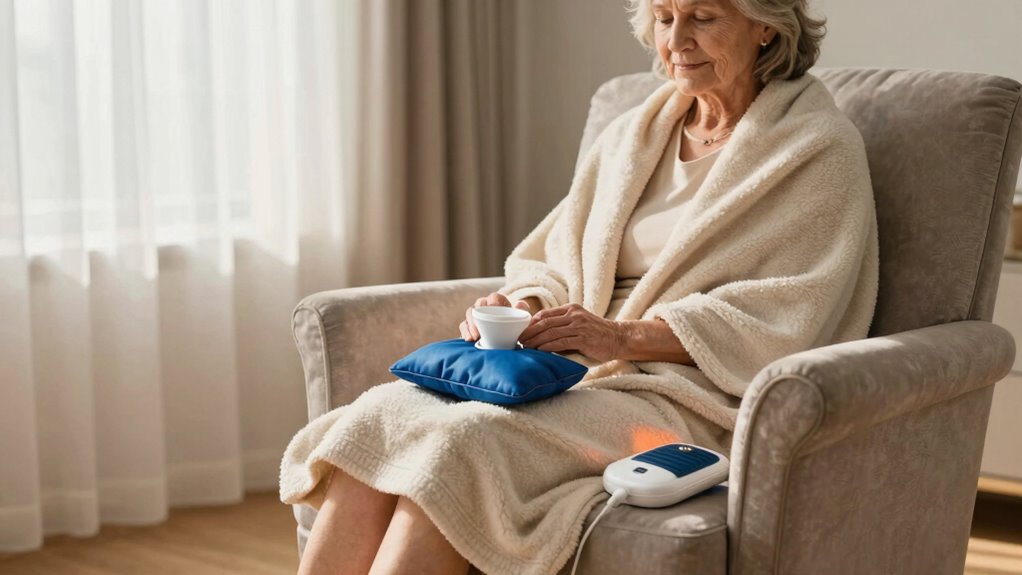
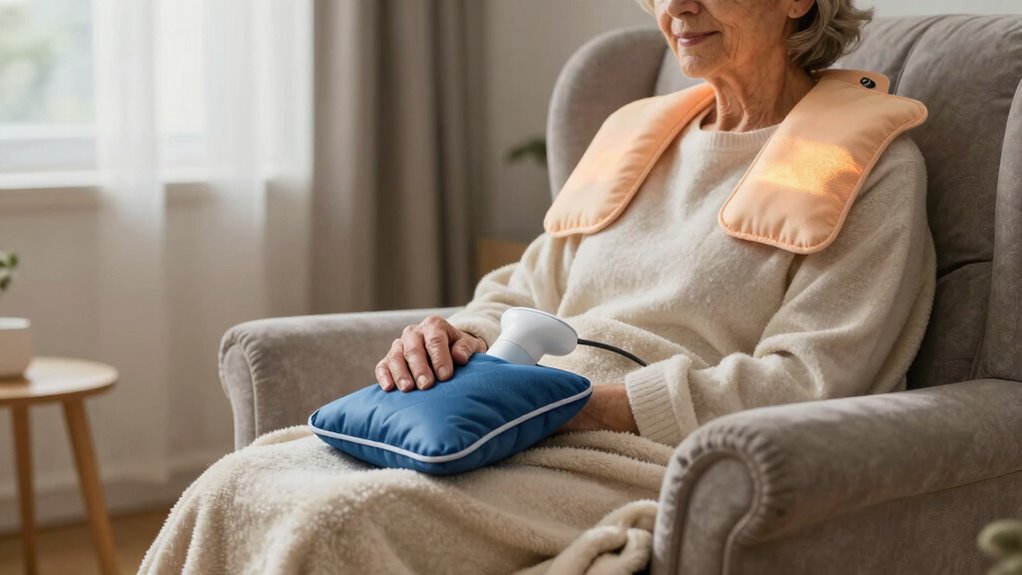
When recovering at home, seniors often seek safe and effective ways to manage pain and inflammation, and cold and heat therapy are popular options. These therapies provide targeted relief without the need for medications, making them a preferred choice for many. Cold therapy, or cryotherapy, involves applying ice packs or cold compresses to reduce swelling, numb nerve endings, and slow blood flow to injured areas. Heat therapy, on the other hand, uses heating pads or warm compresses to relax muscles, improve circulation, and ease stiffness. Both methods can be incorporated into your recovery routine to help manage discomfort and promote healing.
Using cold and heat therapy can complement alternative pain management techniques, such as gentle stretching, massage, or physical therapy exercises. When combined with these strategies, you create a thorough approach to recovery that targets pain at its source. For example, applying cold packs after activity can minimize swelling, while heat treatments before movement can loosen tight muscles. It is crucial to listen to your body and use these therapies appropriately, avoiding prolonged exposure that could cause skin damage or burns. Incorporating proper application techniques can help maximize benefits and prevent potential risks.
Nutritional support strategies also play an important role in recovery. Proper nutrition helps your body repair tissues, reduce inflammation, and regain strength. Incorporate anti-inflammatory foods like berries, leafy greens, and omega-3 fatty acids into your diet. Staying well-hydrated supports circulation and facilitates the delivery of nutrients to healing tissues. Combining good nutrition with cold and heat therapy creates a holistic recovery plan that accelerates healing and minimizes discomfort. Additionally, understanding therapeutic modalities can help you make informed decisions about which treatments are best suited for your specific condition. Incorporating evidence-based practices can further enhance your recovery process.
You should always consult your healthcare provider before starting any new pain management or nutritional strategies. They can guide you on when and how to use cold or heat therapy safely, especially if you have underlying health conditions like circulatory issues or skin sensitivities. For instance, if you have poor circulation, heat might be better suited, while cold therapy could be risky. Your provider can also recommend specific nutritional support strategies tailored to your needs, ensuring your recovery is both effective and safe. Being aware of home design considerations, such as accessible placement of therapy supplies, can also enhance safety and convenience during your recovery process. Additionally, proper storage options for therapy tools can help maintain their effectiveness and safety over time.
Ultimately, integrating cold and heat therapy into your at-home recovery routine can make a significant difference. These therapies, combined with alternative pain management and proper nutrition, help you regain mobility, reduce pain, and support your overall well-being. Taking a proactive approach empowers you to manage your recovery actively, making your return to daily activities smoother and more comfortable.
As an affiliate, we earn on qualifying purchases.
Frequently Asked Questions
Are Cold and Heat Therapies Safe for Seniors With Chronic Conditions?
Cold and heat therapies can be safe for seniors with chronic conditions when used properly, but you should always consult your healthcare provider first. These alternative therapies can effectively assist with pain management and reduce inflammation. Be cautious to avoid burns or frostbite, and follow recommended durations. When used correctly, cold and heat therapies can be valuable tools in your overall pain management routine at home.
How Often Should Seniors Use Cold or Heat Therapy?
You should use cold or heat therapy based on your healthcare provider’s advice, typically limiting sessions to 15-20 minutes per application. Temperature duration is key to avoid skin damage, so don’t exceed recommended times. Therapy frequency varies depending on your condition, but generally, applying cold or heat 2-3 times daily can provide relief. Always listen to your body and consult your doctor for personalized guidance.
Can Cold or Heat Therapy Replace Medication?
While cold and heat therapy can be effective, they shouldn’t replace medication without your doctor’s guidance. Think of these therapies as gentle, alternative remedies offering natural pain relief. They complement your treatment plan, easing discomfort and promoting healing. Always consult your healthcare professional before making changes, ensuring safety and effectiveness. Remember, combining these therapies with prescribed medications provides the best approach for your recovery journey.
What Are Signs of Adverse Reactions to These Therapies?
You should watch for signs of adverse reactions like increased pain, skin redness, swelling, or numbness, which indicate risks involved with improper use. If you notice blisters, persistent discomfort, or skin discoloration, stop the therapy immediately. Proper application is key—never apply cold or heat directly to the skin and follow recommended durations. Always consult your healthcare provider for guidance to minimize risks and guarantee safe, effective relief.
Is Professional Supervision Necessary for Home Therapy Use?
Imagine wrapping a warm towel around your shoulder or applying a cold pack, feeling the soothing relief. For DIY techniques using therapy equipment, professional supervision isn’t always necessary, but it’s highly recommended. Proper guidance guarantees safe application, prevents burns or frostbite, and maximizes benefits. If you’re unsure or dealing with complex conditions, consulting a healthcare professional helps you avoid risks and achieve ideal recovery at home confidently.
electric heating pad for pain relief
As an affiliate, we earn on qualifying purchases.
As an affiliate, we earn on qualifying purchases.
Conclusion
Incorporating cold and heat therapy into your recovery at home isn’t just a choice—it’s a trusted ally in your journey to wellness. Think of these therapies as gentle guides, leading you through comfort and healing, like a warm embrace or a cool breeze on a summer day. Embrace their soothing touch, and watch as your body gradually regains strength and vigor, transforming pain into progress and setbacks into comebacks. Your path to recovery starts with a simple, caring step.
As an affiliate, we earn on qualifying purchases.
As an affiliate, we earn on qualifying purchases.