TL;DR

Turn quiet afternoons into listening time
- Thousands of audiobooks, podcasts and originals
- Listen on your phone, tablet or Echo — also offline
- Cancel anytime
A Mayo Clinic Q&A with Dr. Kenton Kaufman describes balance as a function of several body systems that can change with age. It outlines possible causes of unsteadiness and suggests balance practice, while advising people with serious problems to consult a health care professional before exercising.
A Seniors Guide article featuring a Mayo Clinic Q&A explains how balance can change as people age and describes ways to practice steadiness. Dr. Kenton Kaufman, a Mayo Clinic specialist, says balance depends on several body systems working together; the piece also advises people with serious balance problems to consult a health care professional before trying exercises.
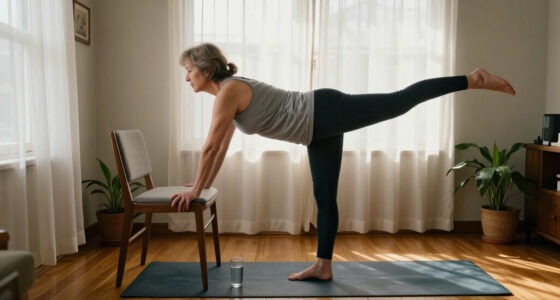
Kaufman says the systems involved in balance include the muscles, eyes, inner-ear balance organ, nerves, heart and blood vessels. Age-related changes in these systems can affect steadiness, walking and coordination. The Q&A says the ability to balance on one leg may offer a measure of how well the nervous system and muscles are working together, citing research from Mayo Clinic’s Motion Analysis Laboratory. It does not present that test as a diagnosis.
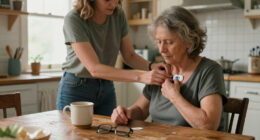
The article lists sensations that can accompany balance problems, including spinning or vertigo, lightheadedness, unsteadiness, dizziness and changes in vision. It also names potential causes: inner-ear conditions, peripheral neuropathy, vision problems, neurological issues such as Parkinson’s disease or cervical spondylosis, and medication side effects. These are possibilities described by the source, not a determination of what causes any individual’s symptoms.
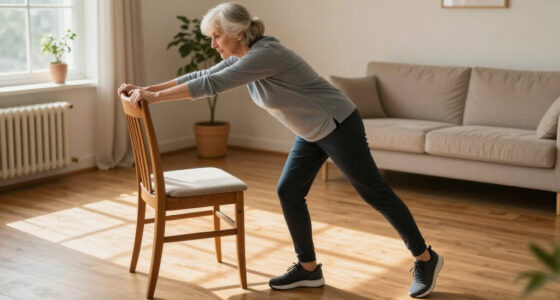
For practice, the Q&A suggests working with a physical therapist trained in balance issues or trying activities such as tai chi, yoga or Pilates. It also describes home exercises, including standing with feet close together, shifting weight from side to side, standing on one foot and walking heel to toe. It recommends using a stable support, such as a counter or table, if needed. People with serious balance problems are advised to check with a health care professional before beginning balance exercises.
Balance Supports Everyday Independence
The report links balance with muscle strength, walking ability and independence, making changes in steadiness relevant beyond exercise performance. A person who feels unsteady may face difficulty with daily activities, and falls can result in injuries. The article states that unintentional falls are the leading cause of injuries among adults aged 65 and older; it does not provide a study date or further statistics for that claim.
Its practical message is that a decline in balance should not automatically be treated as an unavoidable part of aging. The source says practice may help, but also names medical conditions and medication effects as possible contributors. That distinction matters: exercises can be one approach, while persistent or serious symptoms may need professional assessment. The article is educational and does not replace regular medical care.
balance training equipment for seniors
As an affiliate, we earn on qualifying purchases.
As an affiliate, we earn on qualifying purchases.
How the Mayo Clinic Frames Balance
The source is a Mayo Clinic Q&A republished by Seniors Guide and distributed by Tribune Content Agency. The question comes from a reader in their early 60s who reports feeling less steady with age. Kaufman’s response explains the systems involved and offers general suggestions for practice. The article credits him with work in orthopedic surgery, physiology and bioengineering at Mayo Clinic in Rochester, Minnesota.
The Q&A says Mayo Clinic Motion Analysis Laboratory research indicates that one-leg balance can be a reliable measure of coordination between the nervous system and muscles as people age. The supplied material does not identify the particular study, its methods, sample size or publication date. The source also cautions that the educational response does not replace routine medical care.
“In many ways, aging is a balancing act.”
— Dr. Kenton Kaufman, Mayo Clinic
stability balance aids for elderly
As an affiliate, we earn on qualifying purchases.
As an affiliate, we earn on qualifying purchases.
Limits of the Balance Test
The article does not provide the methods or results behind the cited Motion Analysis Laboratory research, so readers cannot assess from this report how the one-leg test was studied or how it should be interpreted across different people. Its suggested time thresholds—30 seconds as a sign of good balance and fewer than five seconds as a fall-risk concern—are presented in the Q&A, but the supplied material does not explain their validation or say they can replace clinical assessment.
The source does not establish why any particular person feels unsteady, how much improvement a person should expect from practice, or which exercises are appropriate for someone with a specific condition. It also does not identify medication names or explain how to assess side effects. The cause and seriousness of symptoms therefore remain individual matters for a qualified health professional to evaluate.
As an affiliate, we earn on qualifying purchases.
When to Seek Professional Guidance
The Q&A recommends that people with serious balance problems speak with a health care professional before starting balance exercises. A physical therapist with relevant training may be able to tailor a program, according to Kaufman. The article does not set out a follow-up schedule or announce a new study, policy or clinical guideline.
For readers considering the home suggestions, the source emphasizes using a stable object for support when needed. It presents practice as an option, not a substitute for finding the cause of ongoing symptoms. Any further assessment or care plan would depend on the person’s circumstances and a clinician’s advice.
As an affiliate, we earn on qualifying purchases.
Key Questions
What does the article say can affect balance as people age?
It says balance relies on the muscles, vision, inner ear, nerves, heart and blood vessels, and changes in these systems may affect steadiness. The Q&A also lists medical conditions and medication side effects as possible contributors.
Does standing on one leg diagnose a balance disorder?
No. The source describes one-leg balance as a possible measure of how the nervous system and muscles work together. It does not say the test diagnoses a condition or replaces an assessment by a health professional.
What balance activities does the Q&A suggest?
It mentions physical therapy, tai chi, yoga and Pilates, along with home practice such as weight shifts, one-leg standing and heel-to-toe walking. It recommends using stable support if needed.
Should someone with serious balance problems exercise at home?
The article advises people with serious balance problems to check with a health care professional before doing balance exercises. A physical therapist may help develop a program suited to the individual.
Source: rss
Evergreen bestsellers Picks
bestsellers
As an affiliate, we earn on qualifying purchases.