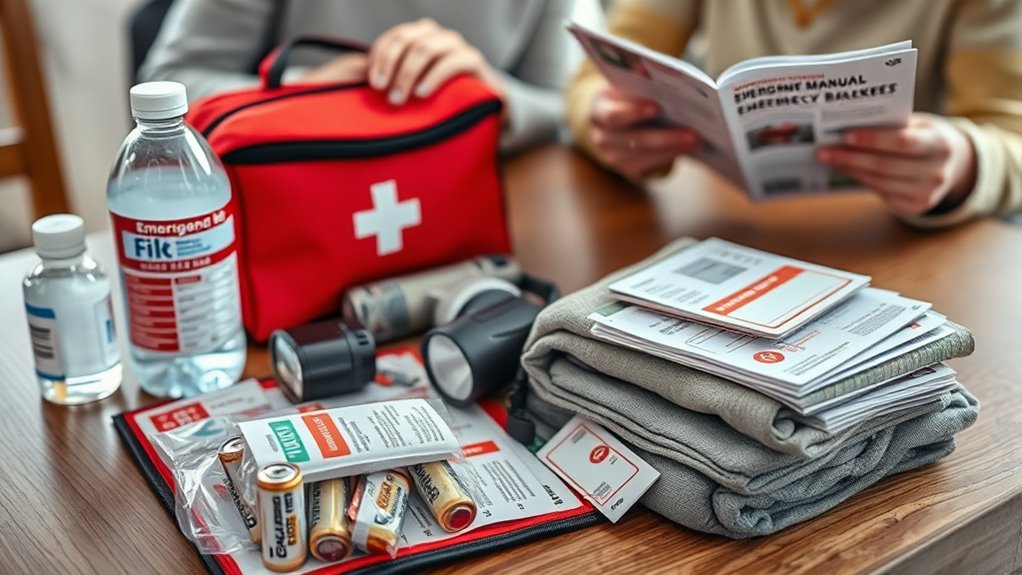

To prepare for emergencies, keep clear, current medical info and emergency contacts easily accessible. Develop a step-by-step response plan for various situations, including fire or natural disasters, and guarantee everyone knows their roles. Gather essential supplies like medications and first aid items, and familiarize yourself with local evacuation routes and shelters. Use reliable communication tools to stay connected, and establish family notification protocols. If you want to strengthen your preparedness, there’s more you should know ahead.
Key Takeaways
- Maintain a current list of medications, allergies, insurance details, and emergency contacts for quick access.
- Develop and regularly review a comprehensive emergency response plan tailored to your home and community hazards.
- Familiarize yourself with local evacuation routes, shelters, and community safety procedures.
- Ensure reliable communication devices and backup methods are available and tested regularly.
- Keep organized, accessible copies of critical medical, safety, and emergency information for all household members.
Essential Medical Information and Emergency Contacts
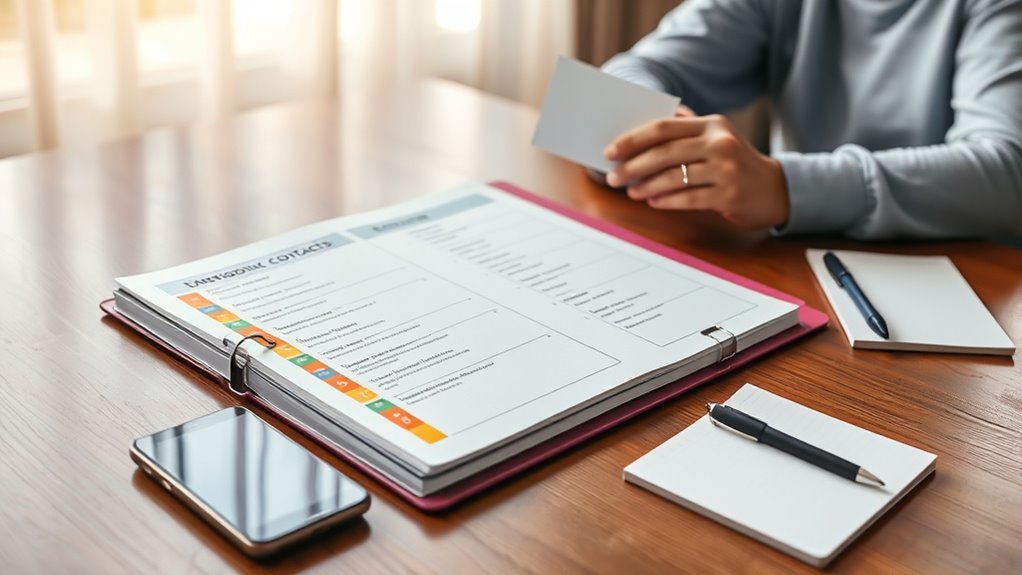
Having your essential medical information and emergency contacts easily accessible can make a critical difference during an emergency. Keep a list of current medications, dosages, and any allergies to support medication management. Include details about health insurance, such as policy numbers and provider contact info, to expedite care. Make sure this information is stored in a visible, secure location or on a digital device that can be quickly accessed. Share it with trusted family members or caregivers, so they’re prepared if you’re unable to communicate. Clear, organized medical details help first responders and medical professionals provide accurate treatment swiftly. Utilizing encryption solutions to protect your sensitive medical data can prevent unauthorized access while ensuring it remains accessible during emergencies. Regularly updating and practicing your emergency information procedures is essential for effective emergency response, and incorporating digital health records can streamline access during urgent situations. Having a backup plan in place for accessing your medical data ensures continuity if the primary system is unavailable. Being prepared with this crucial information and understanding data security measures ensures smoother emergency responses and minimizes delays in care.
Step-by-Step Emergency Response Plans
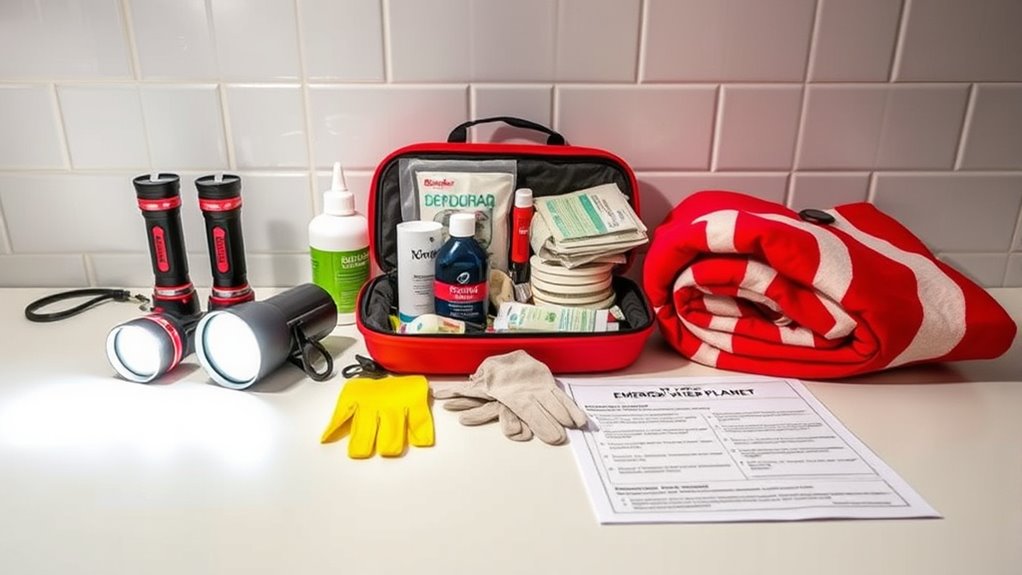
Creating a clear, step-by-step emergency response plan guarantees you’re prepared to act quickly and effectively when seconds count. Start by evaluating your home safety measures, identifying hazards, and establishing safe exits. Clearly outline actions for different emergencies, such as fires, earthquakes, or severe weather. Include specific roles for everyone involved, so each person knows what to do. Emotional preparedness is equally important—practice staying calm and reassuring your loved ones during stressful moments. Regular drills help reinforce the plan and build confidence. Keep a written copy accessible and review it periodically to address any changes. Incorporating preparedness strategies can further enhance your readiness. Additionally, understanding the importance of contrast ratio in your emergency equipment can help you select reliable tools that perform well in low-light conditions. Being familiar with mastering the art of bug out bags ensures you have essential items ready for quick evacuation. Organizing these steps and practicing them regularly can improve emergency response skills, reducing panic and increasing safety during unexpected events.
A well-prepared plan also involves maintaining updated contact information for emergency services and loved ones, ensuring swift communication during crises.
Important Medical Supplies and Medication Details

Ensuring you have essential medical supplies and up-to-date medication information is critical for effective emergency response. Keep a well-stocked first aid kit, including bandages, antiseptics, and pain relievers, readily accessible. It’s equally important to organize medication management by maintaining current records of all medications, dosages, and schedules. This organization helps guarantee your loved one receives proper treatment during a crisis. Additionally, keep copies of medical history documentation, such as allergies, chronic conditions, and emergency contacts, in a secure but accessible location. Regularly review and update this information to reflect any changes. Having this indispensable data on hand minimizes delays and confusion, allowing you to act swiftly and confidently during emergencies. Proper preparation can make a significant difference in managing health needs when it matters most. Comprehensive medical documentation, including detailed records from local healthcare providers, ensures you have all critical information readily available during urgent situations. Incorporating medication management tools and systems can further enhance your readiness and response efficiency, especially considering the importance of medication adherence in emergency scenarios. Additionally, understanding the specific needs of low light office plants can create a more calming environment during stressful times, which can be beneficial for caregivers.
Local Emergency Services and Evacuation Routes

Knowing the locations and contact information for your local emergency services is vital for quick response during a crisis. Familiarize yourself with community drills in your area, which often include evacuation routes and safety procedures. These drills help you understand the safest ways to exit your neighborhood and identify nearby shelters. Hazard awareness is essential; knowing what risks are present—flooding, fires, or earthquakes—allows you to plan accordingly. Keep a map of evacuation routes easily accessible, whether on paper or digitally. Regularly review these routes with your family so everyone knows where to go and how to get there quickly. Being prepared and informed ensures you can act swiftly, reducing confusion and increasing safety during an emergency. Additionally, understanding how emergency communication systems operate in your region can be crucial for receiving timely alerts. Staying informed about Gold IRA rollovers and other financial safety measures can also provide peace of mind in uncertain times. To strengthen your preparedness, consider practicing evacuation procedures with your family regularly so everyone remains confident in their response. Incorporating knowledge about water safety and rescue techniques can further enhance your readiness in water-related emergencies.
Communication Strategies and Family Notification Protocols
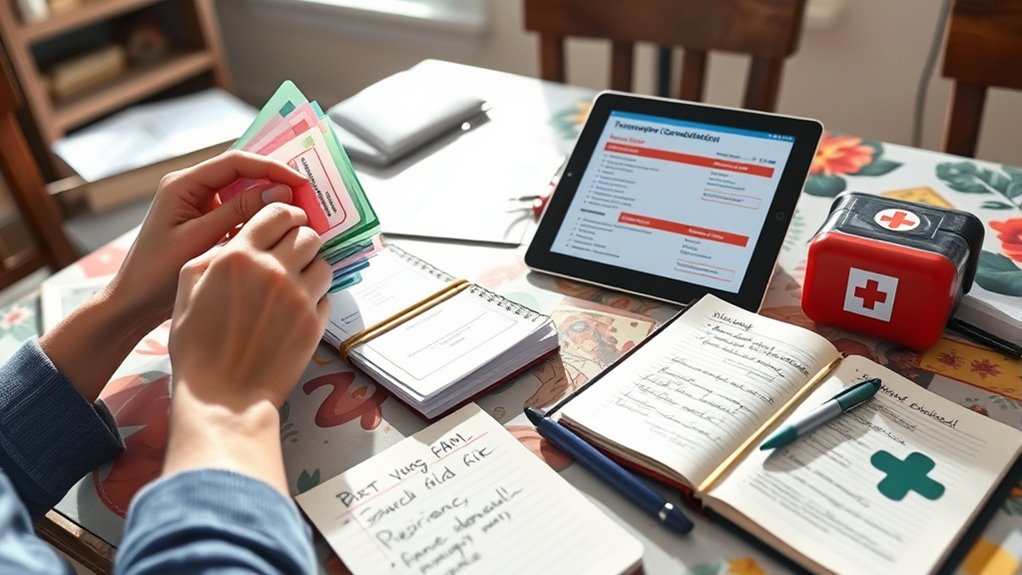
Effective communication during an emergency can make all the difference in keeping your family safe. Clear family communication guarantees everyone stays informed and calm. First, establish notification procedures, such as who contacts whom and how, to guarantee prompt updates. Second, use multiple channels like phone calls, texts, or messaging apps to reach all family members quickly. Third, designate a trusted out-of-town contact to relay information if local lines are overwhelmed. Keep a family communication plan accessible, with updated contact details and emergency contacts. Practice these protocols regularly so everyone knows what to do. Additionally, understanding modern communication strategies can enhance your emergency response and ensure everyone stays connected. Incorporating emergency communication tools can further improve response efforts. By having solid communication strategies, you minimize confusion and guarantee timely family notification, which is vital during any emergency. Recognizing the importance of communication protocols supports a coordinated and efficient response in crisis situations. Being aware of cloud service reliance can help you prepare backup options if digital communications fail.
Frequently Asked Questions
How Often Should Emergency Plans Be Reviewed and Updated?
You should review and update your emergency plans at least once a year, or whenever there’s a significant change in your circumstances. During these reviews, check your evacuation procedures to ensure they’re clear and practical, and perform emergency supply checks to confirm everything is in place and functional. Regular updates help you stay prepared for unexpected situations, giving you peace of mind knowing your plan is current and effective.
What Training Is Recommended for Caregivers in Emergency Situations?
You should undergo first aid training and participate in regular emergency drills. This prepares you to handle injuries with a well-stocked first aid kit and respond effectively during crises. Training includes CPR, wound care, and evacuation procedures, ensuring you’re ready for various emergencies. Regular practice through drills keeps your skills sharp and your response confident, helping you protect yourself and those in your care during unexpected situations.
How Can Digital Tools Assist in Emergency Preparedness?
Digital tools are your lifeline in emergencies, like a safety net catching you when chaos strikes. You can use digital mapping to pinpoint essential resources and loved ones’ locations instantly. Mobile alerts keep you informed with real-time updates, so you’re never caught off guard. These tools turn chaos into clarity, helping you act swiftly and confidently, ensuring your loved ones stay safe amid emergencies.
What Legal Documents Should Be Prepared for Emergencies?
You should prepare essential legal documentation such as a power of attorney, living will, and healthcare directives for emergency planning. These documents guarantee your loved ones can make medical and financial decisions on your behalf if you’re unable to do so. Keep copies in a safe, accessible location and inform trusted family members. Having these legal documents ready helps you respond swiftly and reduces stress during emergencies.
How to Handle Language Barriers During Emergency Communication?
Handling language barriers during emergencies is like trying to find your way in the dark without a flashlight. You should use language translation apps or devices, which act as a beacon of clarity. Keep multilingual resources handy, such as printed emergency phrases in different languages or contact numbers for interpreters. This guarantees you communicate effectively, helping you provide swift assistance and reassurance, even when language differences threaten to slow you down.
Conclusion
By having this vital info at your fingertips, you become the steady anchor in a storm, guiding your loved ones safely through chaos. Think of your emergency plan as a lighthouse, shining bright amid the darkness. When every second counts, your preparedness lights the way, turning fear into confidence. Stay ready, stay calm—because with the right tools and plans, you’re not just managing emergencies, you’re mastering them.