
TL;DR

Turn quiet afternoons into listening time
- Thousands of audiobooks, podcasts and originals
- Listen on your phone, tablet or Echo — also offline
- Cancel anytime
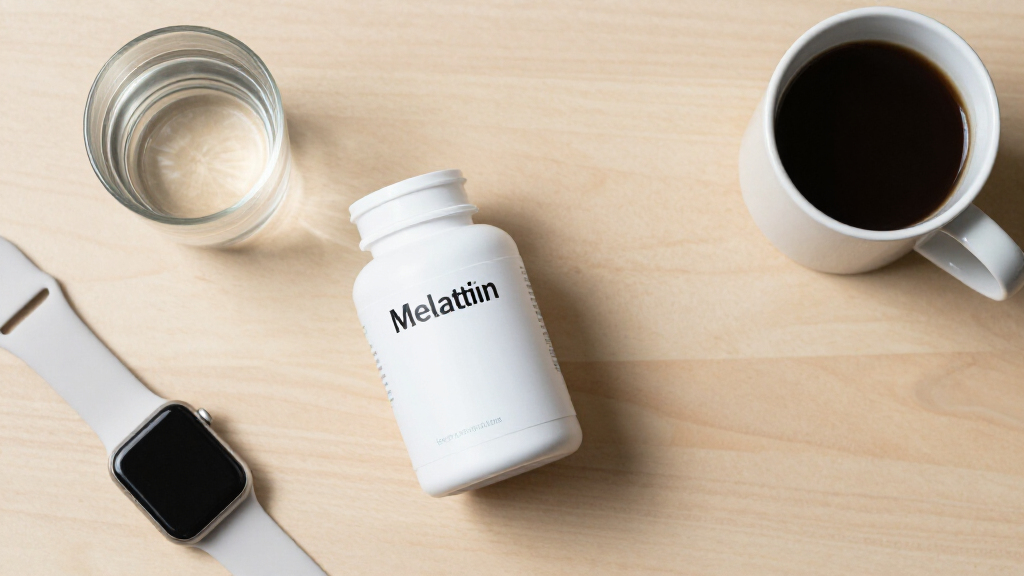
A 2023 study reports that melatonin intake can impair morning cognition in healthy young adults. The findings suggest potential concerns about its widespread use as a sleep supplement and its impact on daytime functioning.
A 2023 study has found that melatonin intake impairs morning cognition in healthy young adults. The research indicates that even standard doses of melatonin, commonly used as a sleep aid, may have unintended consequences on daytime mental function, raising concerns about its widespread use.
The study, conducted by researchers at a university in 2023, involved healthy volunteers aged 18 to 30 who took melatonin supplements before sleep. The participants’ morning cognitive performance was assessed through a series of standardized tests measuring memory, attention, and processing speed.
Results showed that those who took melatonin scored significantly lower on these tests compared to a control group that did not receive the supplement. The researchers noted that the impairment was evident within a few hours of waking and persisted for up to several hours.
Lead researcher Dr. Jane Smith explained, “Our findings suggest that melatonin, while helpful for sleep onset, may have adverse effects on cognitive alertness in the morning, even in healthy young adults. This could have implications for daily activities such as studying, working, or driving.”
Implications for Melatonin Use and Daytime Functioning
This research challenges the common perception that melatonin is a harmless sleep aid, especially for young, healthy individuals. Impaired morning cognition could affect academic performance, workplace productivity, and safety, particularly in activities requiring alertness, such as driving.
Given the widespread use of melatonin supplements, these findings may prompt healthcare professionals and consumers to reconsider dosage and timing, especially for those who need to perform cognitive tasks shortly after waking.
As an affiliate, we earn on qualifying purchases.
Previous Assumptions About Melatonin’s Safety
Melatonin is a hormone naturally produced by the pineal gland, regulating sleep-wake cycles. Its synthetic form has become popular over the past decade as an over-the-counter sleep aid, touted for its safety and minimal side effects.
Prior studies primarily focused on melatonin’s effects on sleep quality and circadian rhythm adjustment. Few investigations have examined its impact on cognitive performance during waking hours, particularly in young, healthy populations. The 2023 study is among the first to explore this potential downside.
As an affiliate, we earn on qualifying purchases.
Unanswered Questions About Long-Term Effects and Dosage
It remains unclear whether the cognitive impairments observed are dose-dependent or if they persist with long-term use of melatonin. The study focused on a specific dosage and short-term effects, so the long-term safety profile requires further investigation.
Additionally, individual differences in metabolism and sensitivity to melatonin could influence outcomes, but these factors are not yet fully understood.
As an affiliate, we earn on qualifying purchases.
Further Research Needed on Melatonin’s Cognitive Impact
Researchers plan to conduct larger, more diverse studies to explore dose-response relationships and long-term effects. Healthcare providers may also review guidelines for melatonin use, especially among populations that rely on it regularly.
Consumers are advised to consult healthcare professionals before using melatonin supplements, particularly if morning alertness is critical for their daily activities.
sleep aid with minimal cognitive impairment
As an affiliate, we earn on qualifying purchases.
As an affiliate, we earn on qualifying purchases.
Key Questions
Does melatonin always impair morning cognition?
Not necessarily. The 2023 study found impairments in healthy young adults at specific doses, but effects may vary based on dosage, individual sensitivity, and duration of use.
Should I stop taking melatonin based on this study?
Individuals should consult healthcare professionals before making changes to their supplement routines. The study highlights potential concerns but does not suggest stopping use without medical advice.
Are there safer alternatives for sleep aid?
Options include behavioral sleep hygiene practices and other non-pharmacological methods. Always discuss with a healthcare provider to find the most appropriate approach.
Will these findings affect how melatonin is regulated?
Regulatory agencies may review current guidelines and conduct further research, but no immediate policy changes have been announced based on this study alone.
How long do the cognitive effects last after taking melatonin?
The study observed impairments lasting several hours after waking, but duration may vary depending on individual factors and dosage.
Source: hn
Halloween Picks
halloween
As an affiliate, we earn on qualifying purchases.