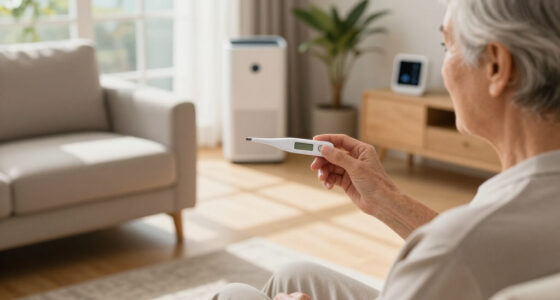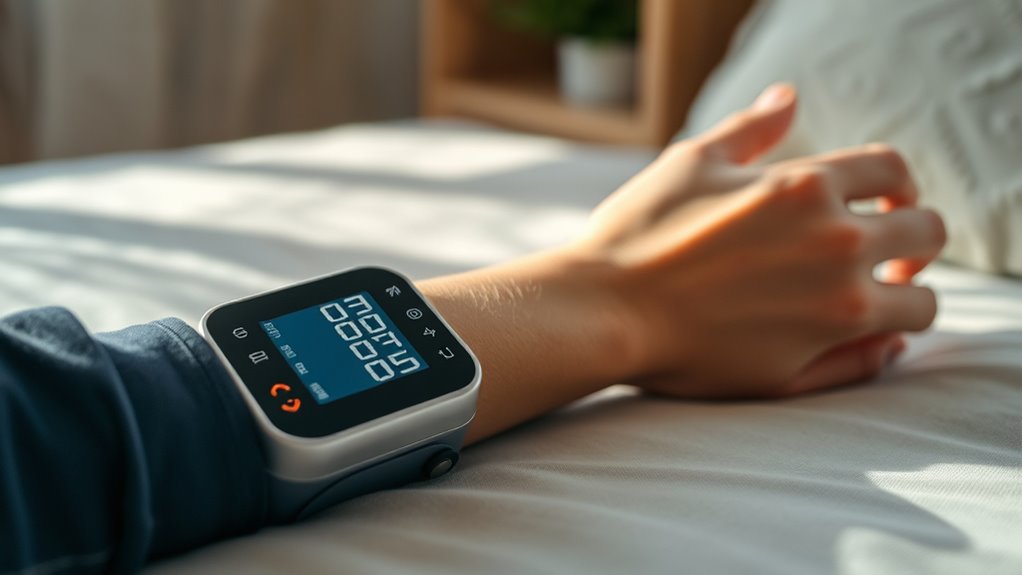

Many myths about blood pressure can mislead you about your health. For example, high blood pressure often has no symptoms, so feeling fine doesn’t mean your levels are normal. Home checks, when done properly, give more accurate insights than occasional visits. Lifestyle habits like reducing salt and managing stress considerably impact your numbers. By understanding these facts, you can take control—keep reading to learn more ways to interpret and manage your blood pressure effectively.

Get comfort and care essentials delivered free — and shop member deals
- Fast, free delivery on millions of items
- Access to Prime Big Deal Days deals on October 6–7
- Prime Video, Amazon Music and more included
Key Takeaways
- Many people with high readings feel fine; symptoms are not reliable indicators of blood pressure levels.
- Proper home monitoring techniques ensure accurate readings and better understanding of your blood pressure.
- White-coat hypertension can cause elevated clinic readings, but home measurements often reflect your true levels.
- Lifestyle changes can effectively control blood pressure, reducing reliance on medication over time.
- Consistent, routine home monitoring helps track trends and assess the impact of lifestyle habits on blood pressure.
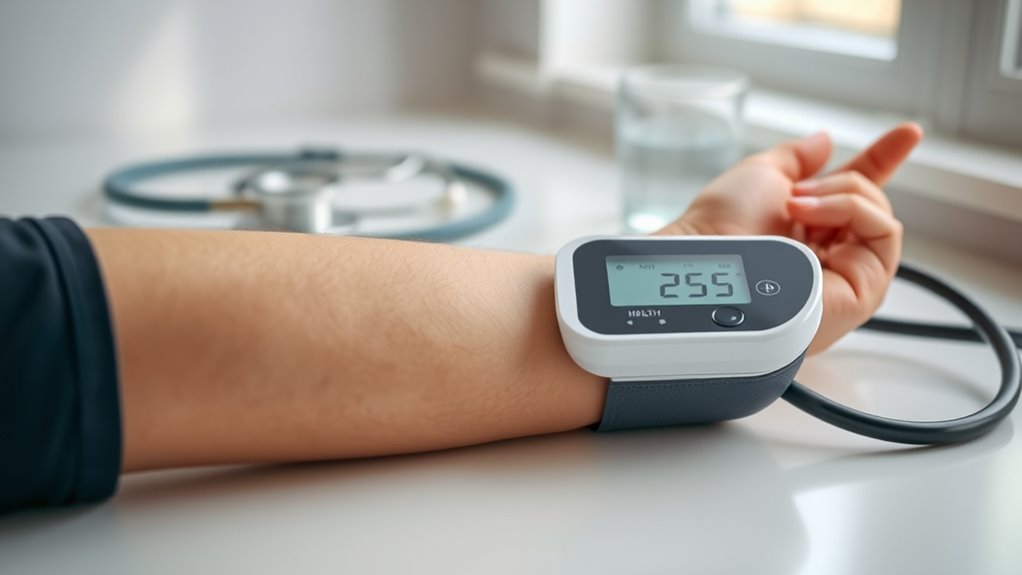
Many common beliefs about blood pressure are actually myths that can lead to misunderstandings and poor health choices. One of the most widespread misconceptions is that high blood pressure always causes obvious symptoms, like headaches or dizziness. In reality, many people with elevated readings feel perfectly fine, which is why regular monitoring techniques are essential. By checking your blood pressure at home with a reliable cuff, you gain a clearer picture of your true levels, free from the anxiety or white-coat effect often experienced in medical settings. These home readings provide more accurate data and help you track trends over time, giving you the power to make informed decisions about your health.
Understanding how lifestyle impacts blood pressure is vital, yet many believe that only medication can control it. The truth is, your daily habits play a substantial role in maintaining healthy levels. Simple changes like reducing salt intake, increasing physical activity, managing stress, and avoiding excessive alcohol consumption can have a profound effect. Regularly monitoring your blood pressure allows you to see how these lifestyle adjustments actually influence your numbers. Often, you’ll notice improvements when you stick to healthier routines, which reinforces the importance of consistency. This proactive approach can sometimes negate the need for medication or help you manage it more effectively. Additionally, using proper measurement techniques ensures your readings are accurate and reliable.
Another misconception is that blood pressure readings are always accurate regardless of how or when you measure. But in fact, monitoring techniques matter a lot. For example, taking your blood pressure at the same time each day, sitting comfortably, and avoiding caffeine or exercise beforehand can considerably improve accuracy. Using an automatic cuff at home, instead of relying on quick readings at a pharmacy or doctor’s office, often yields more consistent results. Knowing how to properly measure your blood pressure ensures that you’re interpreting your readings correctly, preventing unnecessary worry or false reassurance.
Many believe that once you’ve been diagnosed with high blood pressure, it’s unavoidable to stay that way forever. While genetics and age do influence your risk, lifestyle changes and regular monitoring can help you control your levels. By understanding how your habits impact your blood pressure, you can take active steps to improve it. Tracking your readings over time shows you whether your efforts are working, empowering you to make adjustments as needed. This ongoing process underscores that managing blood pressure isn’t just about medication—it’s about awareness, habits, and consistent monitoring that puts you in charge of your health.
automatic blood pressure monitor cuff
As an affiliate, we earn on qualifying purchases.
As an affiliate, we earn on qualifying purchases.
Frequently Asked Questions
Can Blood Pressure Fluctuate Significantly Throughout the Day?
Yes, your blood pressure can fluctuate considerably throughout the day due to blood pressure variability. These changes are influenced by your circadian rhythm, which causes natural rises and falls in blood pressure during different times. You might notice higher readings in the morning and lower ones at night. Factors like activity, stress, and sleep also impact these fluctuations, so it’s normal for your blood pressure to vary throughout the day.
Is a Single High Reading Enough to Diagnose Hypertension?
Think a single high reading seals your hypertension fate? Think again. Blood pressure variability can cause fleeting spikes, so one elevated number isn’t enough for a diagnosis. It’s easy to fall for false hypertension diagnosis if you rely on just one reading. Instead, your doctor considers multiple measurements over time to see if your blood pressure consistently stays high, ensuring you don’t get misdiagnosed from a momentary blip.
How Do Medications Affect Home Blood Pressure Readings?
Medications can influence your home blood pressure readings, especially depending on medication timing. Taking your meds at different times may cause fluctuations, so it’s important to be consistent. Be aware of potential drug interactions that might alter your readings. Always follow your healthcare provider’s instructions, and inform them if you notice unusual changes, so they can adjust your treatment plan accordingly for accurate monitoring.
Are There Specific Foods That Can Lower Blood Pressure Instantly?
Certain foods can help lower your blood pressure quickly when you make diet adjustments. Incorporate foods rich in potassium like bananas, spinach, and sweet potatoes, which promote better blood flow. Herbal remedies such as garlic and hawthorn may also provide immediate benefits. Remember, combining these foods with a healthy lifestyle can make a significant difference, but always consult your healthcare provider before trying new remedies, especially if you’re on medication.
Does Stress Always Cause High Blood Pressure Readings?
Like a storm cloud brewing, stress impacts your blood pressure, but it doesn’t always mean your readings are sky-high. Stress can cause temporary spikes, yet other factors influence reading accuracy. If you’re stressed during a measurement, it might elevate your numbers, but this isn’t a definitive sign of chronic hypertension. Regular checks and calm surroundings help you get the most reliable readings, ensuring stress doesn’t falsely steer your health decisions.
home blood pressure monitor with large display
As an affiliate, we earn on qualifying purchases.
As an affiliate, we earn on qualifying purchases.
Conclusion
Now that you’ve uncovered the truths behind blood pressure myths, you can approach your readings with a clearer mind and calmer heart. Remember, not every number tells the whole story, and your health journey is unique. By trusting accurate measurements and understanding what they truly mean, you’re gently steering yourself toward better well-being. Keep learning, stay mindful, and let your knowledge be the steady compass guiding you to a healthier tomorrow.
digital blood pressure monitor for upper arm
As an affiliate, we earn on qualifying purchases.
As an affiliate, we earn on qualifying purchases.
As an affiliate, we earn on qualifying purchases.
Halloween Picks
halloween
As an affiliate, we earn on qualifying purchases.