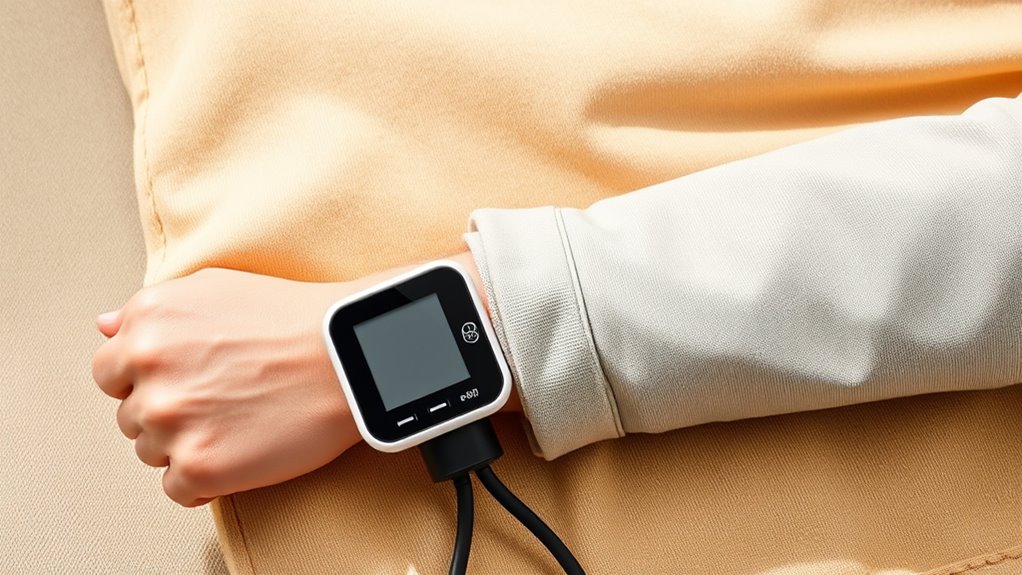

When choosing between wrist and arm blood pressure monitors for seniors, consider accuracy, comfort, and ease of use. Arm cuffs generally offer more consistent and reliable readings and are better suited for managing health conditions. Wrist monitors are smaller, more portable, and easier to handle but require careful positioning for accurate results. To find the best fit for your needs and learn helpful tips, keep exploring these options in detail.
Key Takeaways
- Arm monitors generally offer higher accuracy and consistent readings, ideal for seniors managing health conditions.
- Wrist monitors are more portable and easier to use but may be sensitive to positioning, affecting reliability.
- For comfort, seniors may prefer wrist devices for their lightweight design, while arm cuffs provide a stable fit.
- Proper calibration and cuff sizing are essential for both types to ensure accurate blood pressure measurements.
- Consider ease of operation, maintenance, and validation standards when choosing between wrist and arm blood pressure monitors for seniors.
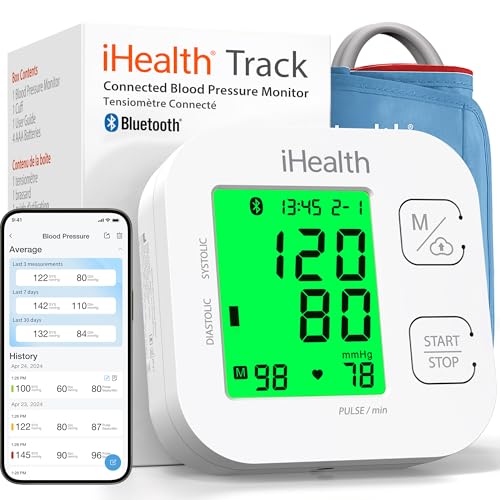
iHealth Track Smart Upper Arm Blood Pressure Monitor with Wide-Range Cuff
- Clinically Accurate: Easy operation, no calibration needed
- Large Multi-Color Display: Oversized numbers with color-coded readings
- Easy Data Management: Store up to 99 readings, unlimited via app
As an affiliate, we earn on qualifying purchases.
As an affiliate, we earn on qualifying purchases.
Accuracy and Reliability of Wrist and Arm Monitors
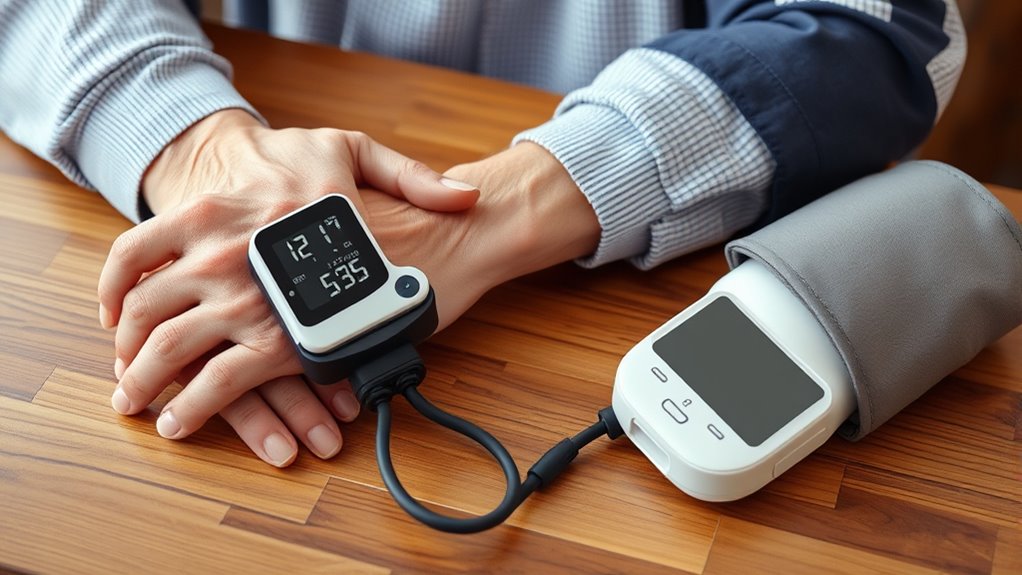
When choosing a blood pressure monitor, it’s important to understand how accurate and reliable wrist and arm devices are. Calibration issues can affect the accuracy of both types, so regular calibration is essential to guarantee reliable readings. Wrist monitors tend to be more sensitive to position and movement, which can lead to inconsistent results if not used correctly. Proper positioning is critical when using wrist monitors to ensure accurate measurements. Arm monitors generally offer higher accuracy because they are less affected by positioning errors. Device longevity also plays a role; quality models with sturdy components tend to last longer and maintain accuracy over time. Investing in a high-quality device reduces the risk of needing frequent replacements or recalibrations, giving you peace of mind that your readings are dependable for managing health. Vetted devices are tested for quality and reliability, ensuring consistent performance over time. Additionally, selecting durable, high-quality models can improve long-term accuracy and reduce the need for recalibration. Ensuring that devices are manufactured according to industry standards can further enhance their reliability and performance longevity. Regular maintenance and proper storage also help preserve the accuracy of your blood pressure monitor over time.

Oklar Wrist Blood Pressure Monitor, FDA Cleared Rechargeable Blood Pressure Machine with Adjustable Cuff (4.92-8.46 Inches), 240 Reading Memory for 2 Users, Voice Broadcast, Storage Case Included
- Dual User Memory: Stores 240 readings for 2 users
- Fast, Accurate Readings: Provides results in 35 seconds
- Voice Broadcast: Assists visually impaired users with adjustable volume
As an affiliate, we earn on qualifying purchases.
As an affiliate, we earn on qualifying purchases.
Ease of Use and Comfort for Seniors
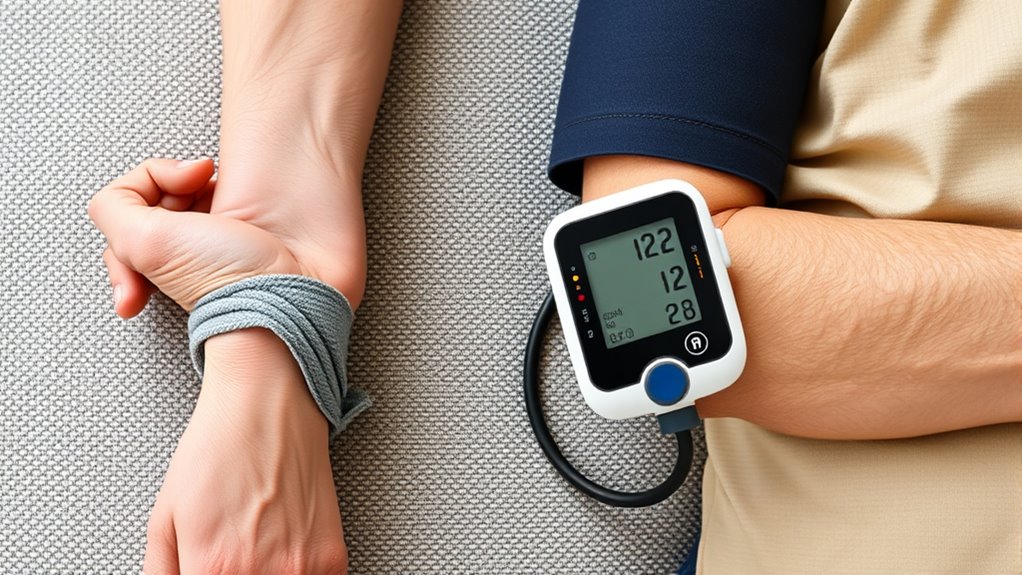
Ease of use and comfort are essential factors for seniors selecting a blood pressure monitor, as they often have limited dexterity or sensitivity. An ergonomic design helps you operate the device smoothly, reducing strain and frustration. Wrist monitors tend to be lightweight and compact, making them easier to handle, but some may lack aesthetic appeal. Arm monitors usually have larger cuffs and a more stable fit, providing comfort but sometimes feeling bulky. Additionally, smart home automation features can enhance ease of use by integrating health monitoring into your daily routine. Implementing connectivity features can also simplify tracking and sharing your health data with healthcare providers. For example, some devices now include user-friendly interfaces that are specifically designed for seniors, ensuring easier navigation and operation. Moreover, understanding nanotechnology advancements can lead to the development of more comfortable and precise monitoring devices in the future. Exploring wearable technology options can further improve convenience and comfort for active seniors. Here’s a quick comparison:
| Feature | Wrist Monitors | Arm Monitors |
|---|---|---|
| Ergonomic Design | Compact, lightweight | Larger, stable fit |
| Aesthetic Appeal | Sleek, modern look | More traditional design |
iHealth Track Smart Upper Arm Blood Pressure Monitor with Wide-Range Cuff
- Clinically Accurate: Easy operation, no calibration needed
- Large Multi-Color Display: Oversized numbers with color-coded readings
- Easy Data Management: Store up to 99 readings, unlimited via app
As an affiliate, we earn on qualifying purchases.
As an affiliate, we earn on qualifying purchases.
Cost and Maintenance Considerations

Considering cost and maintenance is essential when choosing a blood pressure monitor, as these factors directly impact your long-term expenses and device reliability. A thorough price comparison helps you find an affordable option that meets your needs without sacrificing quality. Wrist monitors are often less expensive upfront, but arm cuff devices may offer better durability and accuracy, potentially saving you money over time. Maintenance requirements vary; some monitors need regular battery replacements or calibration checks, adding to ongoing costs. Look for devices with simple maintenance needs to avoid frequent service fees or replacements. Investing in a reliable, easy-to-maintain monitor ensures accurate readings and reduces the chance of needing replacements or repairs, ultimately saving you money and providing peace of mind. Additionally, choosing a monitor with trusted reputation can help ensure that you receive a durable and accurate device that meets industry standards. Moreover, selecting a monitor with low ongoing maintenance can further reduce your long-term costs and hassle. To further optimize your investment, consider models that have battery life suitable for your usage habits, minimizing frequent replacements.
iHealth Track Smart Upper Arm Blood Pressure Monitor with Wide-Range Cuff
- Clinically Accurate: Easy operation, no calibration needed
- Large Multi-Color Display: Oversized numbers with color-coded readings
- Easy Data Management: Store up to 99 readings, unlimited via app
As an affiliate, we earn on qualifying purchases.
As an affiliate, we earn on qualifying purchases.
Suitability for Different Health Conditions
Choosing a blood pressure monitor that suits your specific health condition can substantially improve tracking and management. For conditions like hypertension or heart disease, accuracy and ease of use are essential. Wrist monitors may be suitable if you need portability and quick readings, but arm cuffs are often preferred for consistent accuracy, especially if you’re making dietary adjustments or integrating home automation systems. Consider your mobility, skin sensitivity, and the need for reliable data. Utilizing technological integration can further enhance monitoring precision and convenience. Additionally, understanding the measurement principles behind each device can help you select the most appropriate option for your health needs. Being aware of measurement accuracy standards can guide you toward more reliable devices and better health outcomes. Being aware of validation standards can also ensure you choose devices that meet recognized accuracy benchmarks. Furthermore, selecting a device with user-friendly design can make regular monitoring easier and more consistent, especially for seniors.
Tips for Choosing the Right Blood Pressure Monitor
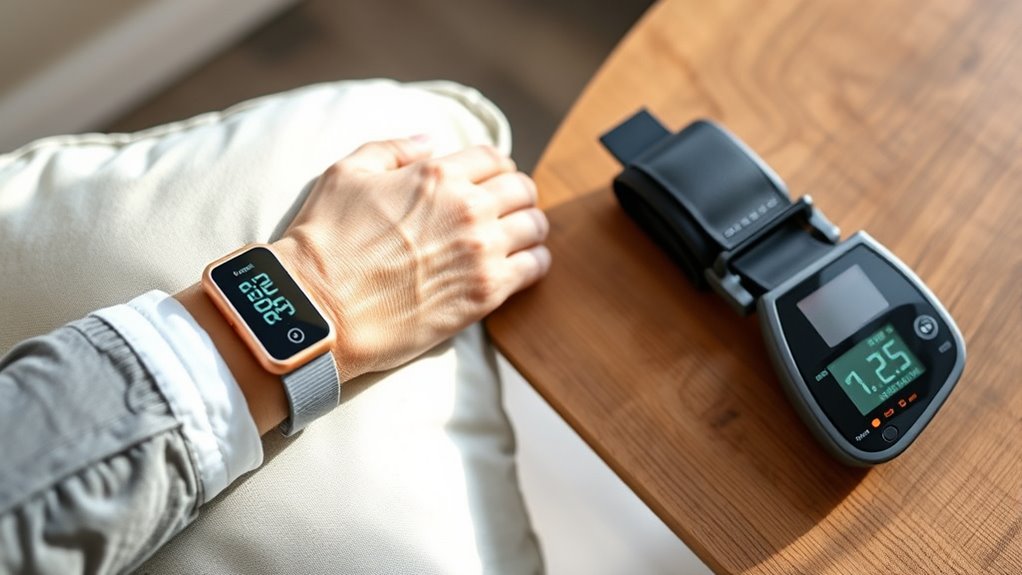
Selecting the right blood pressure monitor involves evaluating your specific needs and lifestyle to guarantee accurate and consistent readings. Consider a device with a clear digital display, so you can easily read results without confusion. Check the monitor’s battery life to ensure it lasts long enough for your routine, especially if you prefer portability or don’t want frequent replacements. If you have limited dexterity or vision issues, look for a model with simple controls and an easy-to-read screen. Also, decide whether a wrist or arm cuff best suits your comfort and accessibility. Remember to verify the monitor’s accuracy and whether it’s validated by health authorities. Additionally, staying informed about validation standards can help you make better financial decisions, whether for health or investment purposes. Proper cuff sizing for your arm or wrist is essential to avoid measurement errors and ensure reliable readings. Being aware of different measurement techniques can further improve your understanding of your blood pressure readings and overall health. Choosing thoughtfully ensures you’ll reliably track your blood pressure and maintain your health effectively.
Frequently Asked Questions
Can Wrist Monitors Measure Blood Pressure During Physical Activity?
Wrist monitors generally aren’t suitable for measuring blood pressure during physical activity because exercise can cause wrist movement, which affects accuracy. When you’re active, your wrist tends to move, making it harder for the device to get a stable reading. For the most accurate results during exercise, it’s better to use a traditional arm cuff monitor and stay still while measuring.
Are There Specific Brands Recommended for Seniors?
Did you know that nearly 60% of seniors struggle to find easy-to-use blood pressure monitors? For you, trusted brands like Omron and Withings are highly recommended because they offer senior-friendly features like large displays and simple controls. Look for models that prioritize comfort, accuracy, and ease of use to guarantee reliable readings and a stress-free experience, helping you stay on top of your health effortlessly.
How Often Should Blood Pressure Monitors Be Calibrated?
You should calibrate your blood pressure monitor at least once every 1 to 2 years to guarantee device accuracy. Regular calibration helps maintain reliable readings, especially for seniors who rely on precise measurements for health management. If your device has been dropped or exposed to extreme conditions, consider calibrating it sooner. Always follow the manufacturer’s guidelines for calibration frequency to keep your monitor functioning correctly.
Do Wrist Monitors Work Well for Irregular Heartbeat Detection?
Imagine you’re monitoring your heartbeat regularly. Wrist monitors can detect irregular heartbeat episodes, but their accuracy may vary. While some models claim to identify irregularities, they often aren’t as reliable as arm cuffs for this purpose. For accurate irregular heartbeat detection, you might need a specialized device or professional assessment, since wrist monitors sometimes miss subtle irregularities, making them less dependable for critical health decisions.
Can Children or Caregivers Use These Monitors Effectively?
Yes, children and caregivers can use these monitors effectively if you prioritize child safety and proper technique. Caregivers should assist children to guarantee accurate readings and prevent injury. Always choose a monitor suitable for children, follow the manufacturer’s instructions, and supervise use. This way, you guarantee reliable measurements and maintain safety, making blood pressure monitoring a straightforward process for kids with caregiver help.
Conclusion
Choosing the right blood pressure monitor is like finding a trusted companion for your health journey. Picture slipping on a comfortable cuff or wrapping a sleek wrist monitor around your wrist, feeling confident as you track your numbers daily. Whether you prefer the steady reliability of an arm cuff or the convenience of a wrist device, selecting the right tool helps you stay in control. With the right monitor, you can face each day knowing you’re taking care of your well-being.