
Every senior home needs a carbon monoxide detector because this colorless, odorless gas can cause serious health problems or even death without warning. Older homes with aging appliances or heating systems are more prone to CO leaks. Installing detectors near bedrooms and heating sources provides early alerts, helping you protect your loved ones from unseen dangers. To guarantee maximum safety, it’s important to know how to properly install and maintain these devices—more useful tips await you.
Key Takeaways
- Seniors are more vulnerable to CO poisoning due to age-related health issues and slower toxin elimination.
- Carbon monoxide is odorless and colorless, making detectors essential for early detection in senior homes.
- Proper placement and regular maintenance of CO detectors ensure reliable alerts and prevent health emergencies.
- Installing detectors near bedrooms and heating appliances provides comprehensive safety coverage.
- Replacing detectors every 5-7 years maintains effectiveness and safeguards seniors from unseen hazards.
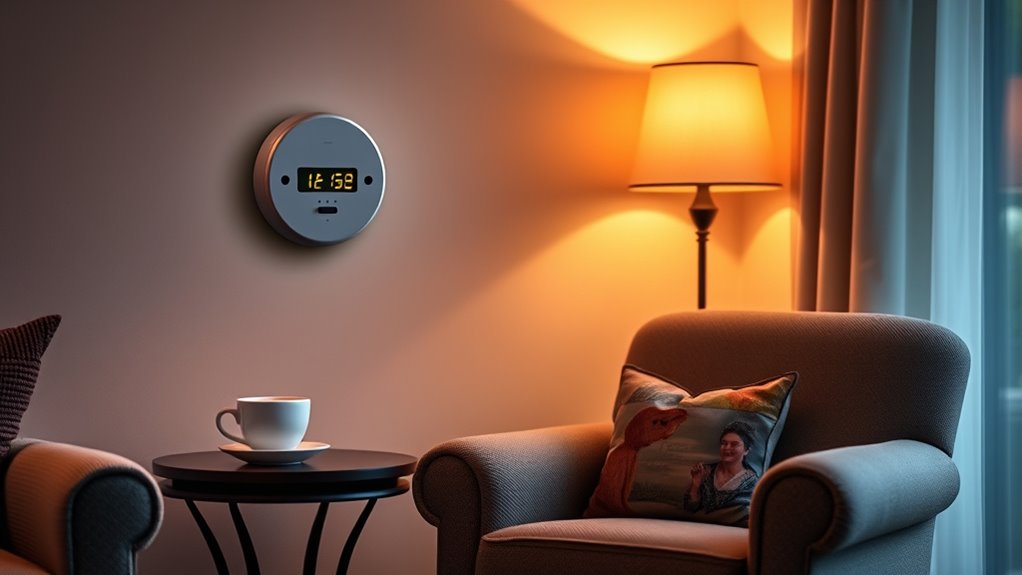
As seniors spend more time at home, guaranteeing their safety becomes increasingly significant, especially when it comes to hidden dangers like carbon monoxide. This odorless, colorless gas can pose serious health risks without warning, making it essential to have proper detection systems in place. A carbon monoxide detector is a simple yet indispensable device that can alert you before dangerous levels build up, giving you time to respond and prevent tragedy. Installing a detector is a proactive step toward fire safety and overall home security, especially since many seniors live in older homes with aging appliances or heating systems that may produce carbon monoxide.
Regular detector maintenance is key to guaranteeing that your device functions correctly when it’s needed most. You should check the detector’s batteries at least once a month, replacing them immediately if they’re weak or dead. Many models now feature long-lasting batteries or even hardwired systems, but it’s still essential to verify the device’s power source regularly. Additionally, testing the detector monthly—using the test button—confirms it’s working properly. Don’t skip this step; a malfunctioning detector offers no protection and gives a false sense of security. Keep the detector clean by dusting or vacuuming around it periodically, as dirt and debris can interfere with its sensors.
Furthermore, understanding the importance of home safety technology can help you choose the most reliable and effective detectors for your needs. It’s also important to replace the entire unit according to the manufacturer’s recommendations, typically every five to seven years. Over time, sensors degrade and become less reliable, so sticking to a maintenance schedule ensures your device remains effective. When purchasing a carbon monoxide detector, choose one that’s certified by recognized safety organizations and suitable for your home’s size. Some detectors come with digital displays that show current carbon monoxide levels, offering extra peace of mind.
Frequently Asked Questions
How Often Should I Test My Senior Home’s Carbon Monoxide Detector?
You should test your senior home’s carbon monoxide detector monthly to verify it’s working properly. When testing, make sure the detector is placed correctly in an appropriate location and that the batteries are fresh. Replace the batteries at least once a year or whenever the low-battery alert sounds. Regular testing and maintenance help keep your loved ones safe from CO leaks, providing peace of mind in their daily environment.
Are There Specific Types of Detectors Recommended for Seniors?
A stitch in time saves nine, and for senior safety, choosing the right detector types is essential. You should opt for combination smoke and carbon monoxide detectors, which provide thorough protection, or battery-operated models with loud alarms suited for seniors’ hearing needs. Look for detectors with easy-to-read displays and simple testing features, ensuring quick response during emergencies. Prioritize reliability and ease of use to keep your loved ones safe.
Can Older Homes Be Retrofitted With Carbon Monoxide Detectors Easily?
Yes, older homes can be retrofitted with carbon monoxide detectors easily. You might face some installation challenges, especially with wiring or placement, but many modern detectors are battery-operated and wireless, simplifying the process. Consider cost considerations, as these detectors are affordable and provide essential safety. With a little effort, you can enhance your home’s safety, giving you peace of mind knowing that you’re protected against carbon monoxide leaks.
What Maintenance Is Required to Keep Detectors Functioning Properly?
Imagine the detector as a vigilant guardian, always on alert. To keep it functioning properly, you need to replace the batteries annually and perform regular cleaning to remove dust and debris. This guarantees the sensors stay responsive, and alarms sound promptly if carbon monoxide is detected. By maintaining your detector, you protect your loved ones from invisible dangers, keeping the home safe and secure at all times.
Do Detectors Alert Residents With Hearing Impairments?
Yes, many detectors include hearing impaired alerts, such as loud alarms combined with visual signaling devices like flashing lights. These features guarantee residents with hearing impairments are promptly alerted to dangerous carbon monoxide levels. You should look for detectors specifically designed with visual signaling devices to provide a clear warning, helping keep everyone safe. Regular maintenance and testing ensure these alert systems work effectively when needed.
Conclusion
Installing a carbon monoxide detector in your senior home is like placing a vigilant guard at the gate, always watching for danger. It’s a small device with a huge impact, providing peace of mind and ensuring safety for your loved ones. Don’t wait for a crisis to strike—equip your home with this silent protector. Remember, prevention is the key to keeping your family safe and sound, just like a lighthouse guiding ships away from hidden rocks.