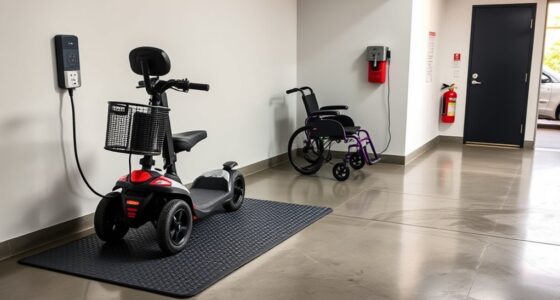
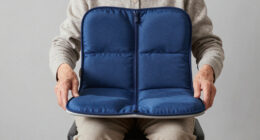
Introducing mobility aids early helps you stay independent longer, reduces the risk of falls, and makes adapting smoother. Waiting too long can lead to difficulties with daily tasks, increased frustration, and dependence on others. Early use also allows you to learn how to operate devices comfortably and confidently, preventing stress later. Taking action now can profoundly improve your quality of life and safety—if you’d like to discover more, keep exploring the benefits.
Key Takeaways
- Early adoption enhances independence and smooths transitions, reducing stress and promoting confidence in using assistive devices.
- Delaying use increases fall risks, injuries, and hospitalizations, negatively impacting health and mobility.
- Timely introduction allows proper adaptation, ensuring comfort and familiarity with mobility aids.
- Early planning supports better home modifications and caregiver understanding, preventing surprises later.
- Postponing mobility aid use can lead to frustration and dependence, but early intervention maintains dignity and control.

Starting mobility aids early can substantially improve your quality of life and independence. When you choose to adopt assistive technology sooner rather than later, you set yourself up for a smoother transition and greater control over your daily routines. Waiting too long to use mobility aids can lead to unnecessary struggles, increased risk of injury, and a decline in your overall well-being. Early adoption allows you to incorporate these tools seamlessly into your life, making independence planning more effective and less stressful.
By integrating mobility aids early, you give yourself the opportunity to adapt gradually. This proactive approach helps you become familiar with different types of assistive technology that best suit your needs. Whether it’s a cane, walker, or more advanced devices like motorized scooters or stairlifts, early use ensures you have adequate time to learn how to operate them comfortably and confidently. This familiarity reduces anxiety and prevents the feeling of being overwhelmed, which often accompanies sudden or late-stage adaptations.
Furthermore, early use of mobility aids promotes better health outcomes. When mobility declines, falls and injuries become more likely, leading to hospitalizations and longer recovery times. Using assistive technology proactively helps maintain your mobility levels and reduces the risk of accidents. It also encourages you to stay active for longer, supporting your physical and mental health. Regular movement and activity are essential for preserving muscle strength, joint flexibility, and overall stamina — all of which are imperative for maintaining independence.
Another key benefit of early mobility aid adoption is that it enhances independence planning. When you start using assistive technology early, you gain insights into what works best for your lifestyle. This allows you to make informed decisions about modifications that may be necessary in your home or daily routine. It also helps your family and caregivers understand your evolving needs, fostering better support systems. Planning ahead minimizes surprises and ensures that you have the right tools in place before your mobility challenges become more severe.
Delaying the use of mobility aids can make things more difficult down the line. You might find yourself struggling with daily activities that once felt simple, increasing frustration and dependence on others. Early adoption doesn’t mean you’re giving up independence; it means you’re actively taking control of your future. It empowers you to face mobility challenges head-on, with confidence and the appropriate support. The sooner you embrace assistive technology, the better positioned you’ll be to navigate life’s changes while maintaining your dignity and autonomy. Recognizing the importance of early intervention can greatly influence your overall well-being and quality of life.

VOCIC Walkers for Seniors, Z21 Rollator Walker with Seat Supports 350lb, 8" Big Wheels for All Terrain, Ergonomic Arc Seat & 6" Ultra Backrest Foldable Walker, Dual Height Adjustment, Lightweight 2025
【Stable & Strong】 Z21 Walkers for seniors weigh only 19.4lb, designed for easy carrying by seniors. The aluminum…
As an affiliate, we earn on qualifying purchases.
As an affiliate, we earn on qualifying purchases.
Frequently Asked Questions
How Do I Know When It’s Time to Start Using Mobility Aids?
You should consider using mobility aids when you notice difficulty walking, frequent falls, or fatigue that affects your independence. If you’re avoiding activities or feeling unsteady, it’s time to act. Early use helps maintain your independence and reduces fall risk. Don’t wait until an injury occurs; proactive mobility aid adoption supports safer, more confident movement, allowing you to continue enjoying everyday life and independence with reduced fall prevention concerns.
Are There Risks Associated With Delaying Mobility Aid Usage?
Ever imagined slipping and falling because you hesitated to use mobility aids? Delaying their use can increase your risk of falls, which may lead to injuries or loss of independence. Waiting too long makes it harder to prevent falls and maintain your freedom. Using mobility aids early helps you stay safe, mobile, and confident, ensuring you enjoy your daily activities without unnecessary risks or setbacks.
Can Early Use of Mobility Aids Improve Long-Term Health?
Yes, early use of mobility aids can improve your long-term health. By incorporating assistive technology and mobility training early on, you help prevent muscle deterioration, joint issues, and balance problems. This proactive approach encourages independence and reduces fall risks. When you start using mobility aids sooner, your body adapts better, leading to improved mobility and overall well-being over time. Don’t wait—start benefiting from assistive technology today.
What Types of Mobility Aids Are Suitable for Beginners?
Did you know that over 15 million people worldwide use assistive devices daily? For beginners, simple, sturdy options like canes and walkers are ideal. These beginner-friendly options provide stability and confidence without overwhelming you. Start with lightweight, adjustable models that suit your height and comfort. Using these aids early on can help you regain independence and prevent falls, making your mobility journey safer and more manageable from the start.
How Can Family Members Support Early Mobility Aid Adoption?
You can support early mobility aid adoption by offering emotional support and understanding your loved one’s feelings. Encourage family education to help everyone grasp the benefits and proper use of mobility aids. Be patient, listen to concerns, and celebrate small successes. Your active involvement boosts confidence, making it easier for your family member to embrace mobility aids early, ultimately enhancing their safety and independence.

4-Wheel Mobility Scooter for Adults – Foldable Portable Motorized Scooters with 330lbs Capacity, Detachable Battery, Dual Baskets, Cup & Phone Holder, Pink
Smooth & Comfortable Ride: This 4-wheel mobility scooters for adults is built with 8" puncture-proof tires and an…
As an affiliate, we earn on qualifying purchases.
As an affiliate, we earn on qualifying purchases.
Conclusion
Think of your mobility as a delicate garden—once neglected, weeds take root, making it harder to restore balance. Introducing mobility aids early is like tending to your garden before weeds take over; it preserves your independence and keeps your life flourishing. Waiting too long is like ignoring the first signs of decay, risking irreversible damage. Act now, nurture your mobility, and guarantee your life’s garden remains vibrant and thriving for years to come.

1-Ton/2200-Pound Capacity Electric Lift Table, Wall-Mounted Freight Elevator for Factory, Warehouse, and Home Use, 9.8-Foot Lift Height Hydraulic Lift Track Crane(13FT Lifting Height)
Supports Product Customization: Platform dimensions, colors, and other parameters can be customized. Please provide drawings before placing an…
As an affiliate, we earn on qualifying purchases.
As an affiliate, we earn on qualifying purchases.

REHAND Walking Cane for Men & Women – Foldable, Adjustable, Lightweight, Self Standing Pivot Walking Cane, Soft Handle Grip, with Travel Bag, Walking Sticks for Seniors & Adults (Black)
Enhanced Palm Comfort: Our ergonomic handle is crafted to be longer and wider than the traditional T-grip designs,…
As an affiliate, we earn on qualifying purchases.
As an affiliate, we earn on qualifying purchases.