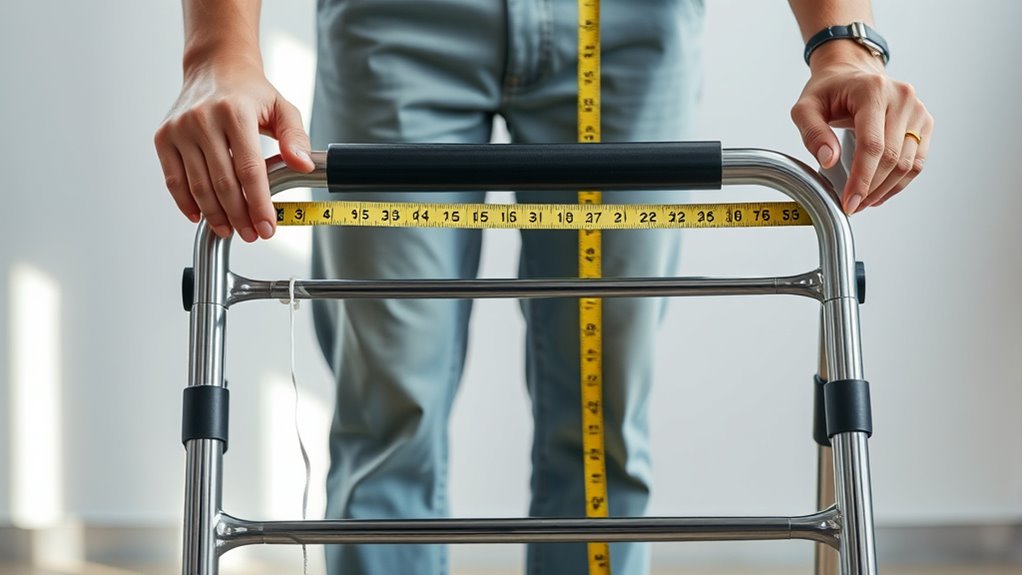

To measure for a walker or rollator, stand straight with your feet flat and relax your shoulders. Use a tape measure or ruler to find the distance from the floor to your wrist or wrist crease with arms relaxed at your sides. The handles should align with your wrist height for comfort. Make sure to keep your posture natural and seek assistance for accurate measurements. For detailed steps and tips, keep exploring the complete guide.
Key Takeaways
- Have the user stand upright with feet flat, arms relaxed, and measure from the floor to the wrist or wrist crease.
- Ensure shoulders are relaxed, and the posture is natural during measurement for accuracy.
- Use assistance if possible to get precise measurements, keeping arms at your sides.
- Adjust walker handles to align with wrist level for optimal comfort and support.
- Test the fitted walker by walking with it to confirm handle height allows natural movement and proper posture.

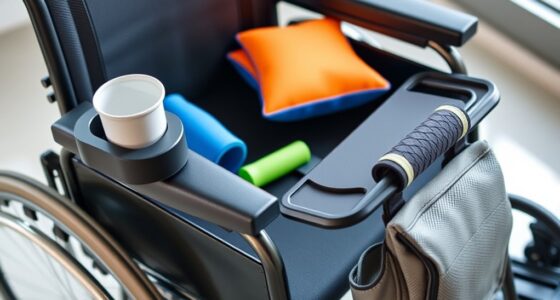
Choosing the right walker or rollator begins with accurate measurements. The correct fit is essential to guarantee comfort, safety, and ease of use. When you select a walker or rollator, keep in mind that walker comfort depends heavily on proper sizing. If it’s too tall, you’ll strain your shoulders and neck; if it’s too short, you’ll bend forward, causing discomfort and fatigue. To avoid this, measure your height accurately and consider your arm length, as these factors influence how well the device supports your posture. Additionally, don’t forget to look into rollator accessories that can enhance comfort, such as padded grips or adjustable height features, which allow you to customize your device for maximum support.
Start by standing straight with your feet flat on the ground. Measure the distance from the floor to your wrist or the crease of your wrist when your arms are relaxed at your sides. This measurement gives you a good idea of the ideal handle height for your walker or rollator. Handles should be at wrist level so that your elbows remain slightly bent when you hold onto the grips. This position reduces strain on your shoulders and promotes better walker comfort. When you’re measuring, ensure that your shoulders are relaxed and your posture is natural—avoid slouching or arching your back, as that can alter the measurement. For added precision, have someone assist you in taking the measurement to avoid errors caused by misjudging your posture. Understanding proper fitting techniques can help you get the most accurate measurement for your device.
Once you have your measurement, compare it to the specifications provided by the manufacturer. Many walkers and rollators come with adjustable handles, which make fitting easier. If you’re between sizes, opt for the taller setting to prevent discomfort. Remember, the goal is to achieve a natural, comfortable stance that allows you to walk with stability and ease. Adjusting the height of your rollator or walker can greatly improve your overall walker comfort and reduce fatigue during extended use. Consider investing in rollator accessories like ergonomic grips or added padding, which can further improve comfort and reduce pressure on your hands and wrists.
Finally, test the fit before making a final decision. Walk with the device, making sure that the handles feel natural and that you can move freely without stretching or hunching. Proper measurement and fit lead to better walker comfort, making daily mobility safer and more comfortable. Taking the time to measure accurately and explore accessories ensures that your walker or rollator becomes a dependable aid tailored specifically to your needs.

2 Pack Walker Hand Grips Cover, Coldairsoap Walker Cushion Hand Grips For Rolling Wheelchair, Elderly Grippers, Rollator Handle (black)
- Wrist Pain Relief: Foam padding reduces pressure and pain
- Soft & Breathable Material: High-quality polyester fiber for comfort
- Non-Slip Inner Surface: Textured neoprene prevents slipping
As an affiliate, we earn on qualifying purchases.
As an affiliate, we earn on qualifying purchases.
Frequently Asked Questions
Can I Customize a Walker or Rollator for Extra Comfort?
Yes, you can customize your walker or rollator for extra comfort. Adding walker accessories like padded grips, seat cushions, or storage bags improves comfort and convenience. Rollator customization options include adjustable handlebars, ergonomic handles, and customized brakes. These modifications help you personalize your device to fit your needs better, making mobility easier and more comfortable. Always check compatibility with your specific model before purchasing any accessories or modifications.
How Do I Adjust the Height of My Existing Walker or Rollator?
Like adjusting a vintage radio, tweaking your walker or rollator’s height is simple. First, confirm the walker is on a flat surface and lock the brakes for stability. Locate the adjustment buttons or screws on the legs, then press or loosen them to raise or lower the height. Make sure the hand grips are at wrist level for comfort. Proper height improves walker stability and makes using the rollator brake easier.
Are There Different Size Options for Children or Teens?
Yes, there are different size options for children’s sizes and teen options. You can find specially designed walkers and rollators that suit smaller frames, providing better support and comfort. When choosing for children or teens, look for adjustable models that grow with them or come in smaller sizes specifically made for younger users. Always check the product specifications to guarantee proper fit and safety for your child’s age and height.
What Materials Are Best for Lightweight Walkers?
For a lightweight walker, you’ll want to focus on Walker frame materials like aluminum, which offers the perfect blend of durability and easy handling. Its lightweight construction makes maneuvering simpler, especially for extended use. Aluminum frames are resistant to rust and corrosion, ensuring longevity without adding extra weight. Choosing a walker with these materials means you’ll enjoy both convenience and sturdiness, making your mobility experience smoother and more comfortable.
How Often Should I Check the Fit of My Walker or Rollator?
You should check the fit of your walker or rollator regularly, ideally once a month or whenever you notice discomfort. Perform a fit assessment by ensuring handles are at the correct height and the device feels stable. Conduct safety checks for loose parts or worn-out components. Consistent inspections help prevent accidents, improve comfort, and make certain your walker or rollator remains effective and safe for daily use.

Vive Walker Handle Cushions – Padded Hand Covers – Soft Padding Medical Accessories for Folding Rolling Wheelchair, Rollator Handle, Senior, Elderly Grippers – Foam Crutch Pads Grips – Mobility Aid (Black)
- Comfortable Padded Hand Grips: Reduces hand and wrist fatigue
- Universal Fit: Compatible with any walker
- Contoured Foam Padding: Distributes pressure evenly
As an affiliate, we earn on qualifying purchases.
As an affiliate, we earn on qualifying purchases.
Conclusion
Just like tuning a guitar ensures it’s ready to sing, measuring your walker or rollator guarantees smooth, comfortable steps ahead. When you find that perfect fit, every stroll becomes a harmonious journey, not a struggle. So, take the time to measure carefully—think of it as setting the stage for a beautiful performance. With the right fit, you’ll glide through your day with confidence, turning everyday walks into your favorite melody.
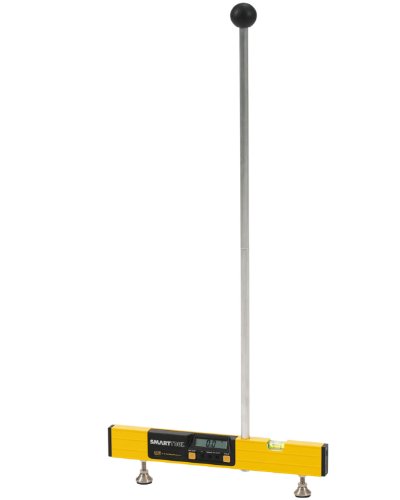
M-D Building Products 93975 Smart Tool Adam Digital Slope Walker with Carrying Case
- Measures slopes and curb heights: Accurately measures slopes, cross slopes, sidewalks, and curb heights
- 16-Inch SmartTool with pivoting feet: Features two pivoting feet at 12-inch spacing for stability
- Ergonomic design: Reduces strain on back and knees
As an affiliate, we earn on qualifying purchases.
As an affiliate, we earn on qualifying purchases.
Vive Walker Handle Cushions – Padded Hand Covers – Soft Padding Medical Accessories for Folding Rolling Wheelchair, Rollator Handle, Senior, Elderly Grippers – Foam Crutch Pads Grips – Mobility Aid (Black)
- Comfortable Padded Hand Grips: Reduces hand and wrist fatigue
- Universal Fit: Compatible with any walker
- Contoured Foam Padding: Distributes pressure evenly
As an affiliate, we earn on qualifying purchases.
As an affiliate, we earn on qualifying purchases.