
Using health cases, logs, and organizers helps you stay prepared and communicate clearly during doctor visits. They guarantee you have all your symptoms, medications, and concerns organized, making appointments more efficient and accurate. These tools also help you avoid forgetting important details, track your health progress, and share your medical history easily. If you keep exploring, you’ll discover even more ways these organizers can improve your healthcare experience and outcomes.

Give the gift of listening to someone you love
- Choose a 1-, 3-, 6- or 12-month membership
- They pick the audiobooks they love
- Easy to send by email
Key Takeaways
- They ensure all relevant health information is organized and readily accessible for accurate diagnosis.
- They facilitate clear communication of symptoms, concerns, and medication details during appointments.
- They help prevent missed questions and last-minute memory lapses, making visits more efficient.
- They enable tracking of medical history, test results, and treatment progress over time.
- They empower patients to actively participate in healthcare decisions and management.
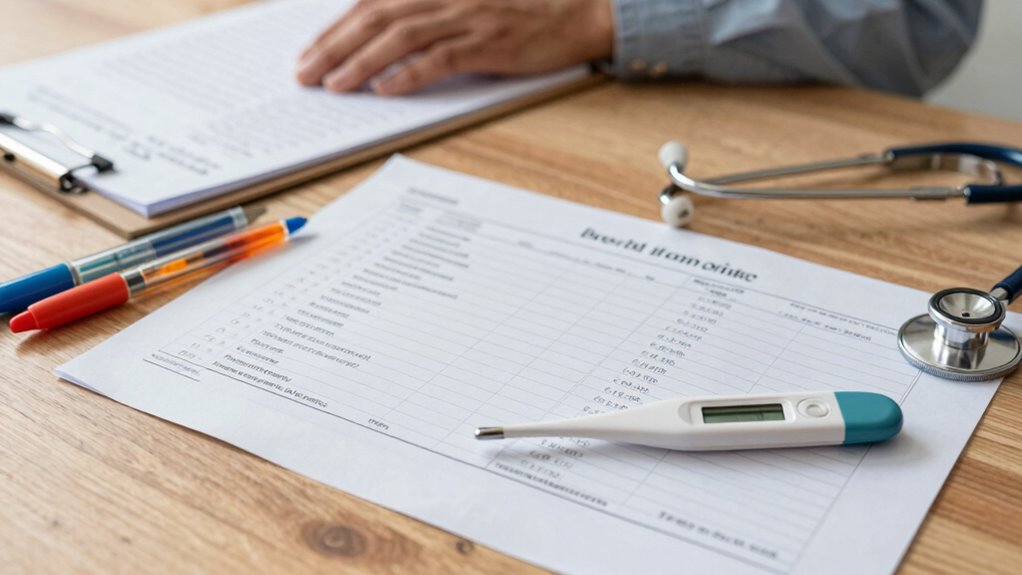
Visiting the doctor can often feel overwhelming, especially when you’re trying to recall specific symptoms or questions. It’s easy to forget details when you’re anxious or distracted, which is why keeping health cases, logs, and organizers can make a big difference. These tools help you stay organized and guarantee you communicate everything the doctor needs to know. When you come prepared, your appointment can be more efficient, accurate, and effective. You’ll have a clear record of symptoms, medications, and concerns, making it easier for your healthcare provider to diagnose and recommend the right treatment.
One key reason health logs and organizers matter is for medication management. It’s common to forget if you’ve taken your medication, how much, or even if you experienced side effects. By maintaining a daily log or organizer, you can track what you’ve taken and when. This not only prevents missed doses but also helps your doctor identify patterns or issues with your medication. When you arrive at your appointment, you can quickly provide your provider with accurate information, saving time and reducing errors. This way, you’re actively involved in your treatment plan, and your medication management becomes more precise.
Appointment preparation is another critical benefit of using health logs and organizers. Before you see your doctor, review your records to assure you haven’t overlooked any symptoms or questions. Keeping a detailed log of how you’re feeling—any new symptoms, changes in existing ones, or recent lifestyle adjustments—can help you communicate more clearly. It also prevents last-minute scrambling to remember details during your appointment. When you’re prepared, you can ask targeted questions, discuss concerns, and get the most out of your visit.
Additionally, having a structured organizer helps you keep track of past diagnoses, test results, and treatments. This extensive record can be invaluable if you see multiple specialists or need to switch providers. It reduces the risk of redundant tests and ensures your medical history is consistent. Plus, if you’re managing chronic conditions, detailed logs support ongoing monitoring and adjustment of your treatment plan. Incorporating natural health practices into your routine and tracking their effects can also enhance your overall care.
In the end, health cases, logs, and organizers empower you to be proactive in your healthcare. They make appointments smoother and more productive, foster better communication with your provider, and ensure you don’t overlook important details. When you take the time to prepare and document, you’re not just passively receiving care—you’re actively managing your health, which leads to better outcomes and peace of mind.
Products Worth Considering

Oral-B iO Series 7 Deep Clean + Protect Rechargeable Electric Toothbrush, Black, with 2 Brush Heads and Charging Travel Case

Philips Sonicare DiamondClean 9300 Electric Toothbrush, 2 Brush Heads, Black

Withings Body Smart Accurate Scale for Body Weight, Fat Percentage and Body Composition
As an affiliate, we earn on qualifying purchases.
Frequently Asked Questions
How Often Should I Update My Health Logs?
You should update your health logs daily or as often as you experience new symptoms or changes. Regular updates help with medication management and accurate symptom tracking, ensuring your doctor gets current information. If your condition fluctuates frequently, consider updating more often, like multiple times a day. Consistent logging makes it easier to spot patterns, manage your health proactively, and have clear, detailed information during your appointments.
What Are the Best Types of Organizers for Different Health Conditions?
Think of health organizers as your personalized toolkit for managing your health. For medication management, use a pill organizer or digital app to track doses. For symptom tracking, a journal or app helps monitor patterns over time. I once used a color-coded chart to manage migraines, which made spotting triggers easier. The best organizers fit your condition—whether it’s a planner, app, or notebook—making your health journey clearer and more manageable.
Can Digital Health Logs Replace Paper Records Effectively?
Digital record keeping can effectively replace paper records, offering easier access and organization. While paper vs. digital has its differences, digital logs allow you to quickly update, share, and analyze your health data. If you stay consistent, digital records can be just as reliable and thorough, providing a seamless experience during doctor visits. Ultimately, embracing digital logs can enhance your health management and guarantee your information is always at your fingertips.
How Do I Ensure My Health Data Remains Private and Secure?
Think of your health data as a treasure chest—you want to keep it locked tight. To guarantee privacy, use data encryption to scramble your information, making it unreadable to outsiders. Implement access controls so only trusted individuals can open the chest. Regularly update passwords and stay vigilant about sharing details online. By combining encryption and strict access controls, you protect your health secrets like a digital fortress.
What Specific Information Should I Include in My Health Case?
You should include details like your medication management, such as dosages, times, and any changes, to ensure your doctor understands your regimen. Also, track symptoms daily, noting their severity, duration, and triggers, to provide a clear picture of your health trends. Include relevant medical history, recent test results, and questions for your doctor. This thorough info helps your healthcare team make informed decisions and tailor your treatment effectively.
Conclusion
Bringing your health cases, logs, and organizers to doctor visits gently guides you toward smoother appointments. They act as your trusted companions, quietly ensuring no detail slips through the cracks. When you’re well-prepared, you’re better equipped to have meaningful conversations and make informed decisions. Think of these tools as your silent allies, helping you navigate the journey toward better health with confidence and clarity. After all, a little preparation can make all the difference.