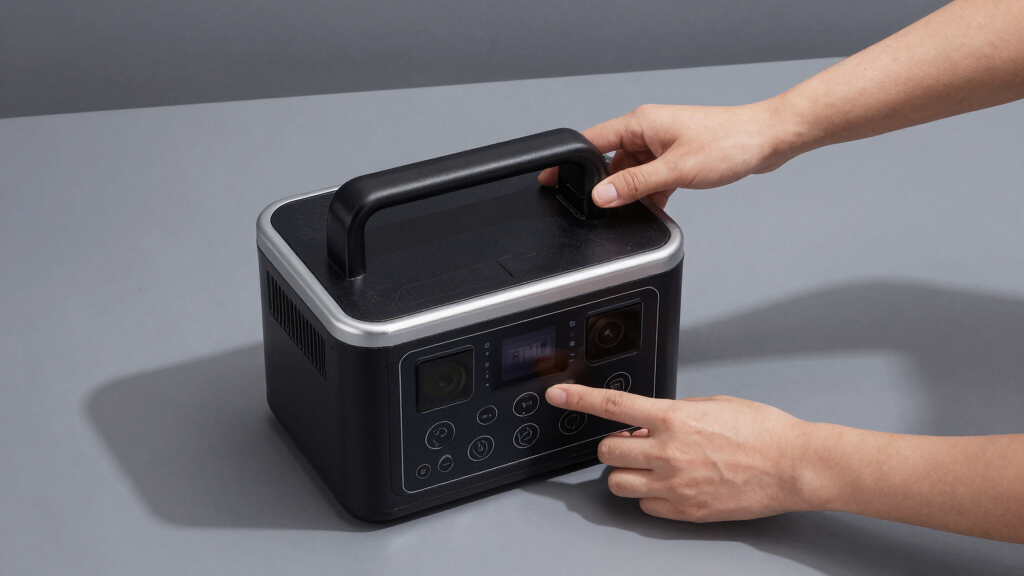
Finding the best portable power stations for CPAP machines involves balancing capacity, portability, and reliability. The Progeny 300W stands out for its compact size and solar compatibility, making it ideal for travel. Meanwhile, the Anker SOLIX C1000 Gen 2 offers impressive power output and battery longevity for extended use. One common challenge is choosing a unit that provides enough runtime without becoming too bulky or expensive. Keep reading to see how these options compare and which one fits your needs best.
Key Takeaways
- Capacity and battery life are the top priorities for uninterrupted CPAP use during travel or power outages.
- Size and weight vary significantly; the most portable options often have lower capacity but are easier to carry.
- Inverter quality and pure sine wave output matter for device safety and performance, especially for sensitive equipment like CPAPs.
- Solar compatibility enhances independence but adds to the initial cost and setup complexity.
- Price ranges are broad; balancing features with budget is key to choosing the right power station.


More Details on Our Top Picks
Progeny 300W Portable Power Station, 299Wh Solar Generator with Pass-Through Charging and Pure Sine Wave
The Progeny 300W stands out for its portability and versatility, making it ideal for travelers and emergency kits where weight and size matter. Compared to larger options like the Jackery Explorer 1000, it offers a much lighter profile, though with less capacity—limiting how long it can power a CPAP or other devices. Its multiple output options, including pure sine wave AC and regulated 12V, deliver clean power suited for sensitive electronics like CPAP machines. The main tradeoff is its modest 299Wh capacity, which may require frequent recharging if used extensively. This pick makes the most sense for individuals needing a compact backup that can handle occasional CPAP use during short outages or trips without the bulk of larger units.
Pros:- Lightweight at only 7 lbs for easy portability
- Multiple output options including pure sine wave AC and regulated 12V
- Fast recharge via solar, car, or AC power
Cons:- Requires separate purchase of solar panel for solar charging
- Limited to 300W AC output, not suitable for high-power devices
Best for: Travelers and campers who need a lightweight, portable backup for CPAP and small devices
Not ideal for: Extended power outages or users needing long-term CPAP operation without frequent recharging
- Capacity:299Wh
- Weight:7 lbs
- AC Output:110V, 300W (600W peak)
- Car Port:12V/10A, 120W max
- USB:QC 3.0, USB-C
- Recharge Time (AC):6-7 hours
Bottom line: Best suited for users who prioritize portability and short-term backup over capacity.
Anker SOLIX C1000 Gen 2 Portable Power Station, 2000W (Peak 3000W), 1024Wh LiFePO4 Battery, Solar Generator
The Anker SOLIX C1000 Gen 2 offers remarkable power and quick recharge capabilities, making it ideal for users who need to run multiple devices or a CPAP during longer outages. Its 1024Wh capacity and 2000W continuous output outperform most smaller units like the Progeny 300W, providing more reliable backup for extended periods. Recharging in just 49 minutes via AC or solar (in 1.8 hours) is a significant advantage for those who need quick turnaround times. However, the higher price point and limited solar input compatibility might deter budget-conscious users or those with specific solar setups. This model suits those who prioritize power and speed over initial cost and are comfortable with a slightly larger device.
Pros:- Fast recharge in under an hour, minimizing downtime
- High continuous power of 2000W suitable for multiple devices
- Compact design despite large capacity
Cons:- Higher price compared to smaller or less powerful units
- Requires compatible solar panels for off-grid recharging
Best for: Home backup users or outdoor enthusiasts needing substantial power with quick recharge times
Not ideal for: Budget-conscious users or those with incompatible solar panels
- Battery Capacity:1024Wh
- Power Output:2000W (3000W peak)
- Recharge Time (AC):49 minutes
- Recharge Time (Solar):1.8 hours
- Cycle Life:4,000 cycles
- Port Count:10
Bottom line: Ideal for users who need high power output and rapid recharging, with a willingness to invest more upfront.
BLUETTI CPAP Battery Backup X30 297Wh Power Supply with Comprehensive Cable Set for ResMed S9, AirSense 10, 11, AirMini, AirCurve 10
The BLUETTI X30 is tailored for CPAP users needing a lightweight, reliable power source during outages or outdoor adventures. Weighing just 3.9 lbs, it’s far easier to carry than larger power stations like the S1200, while providing enough power for most CPAP models with its 297Wh capacity. The inclusion of a full cable set streamlines setup, and multiple DC and USB ports support various sleep therapy devices and accessories. The main tradeoff is its limited capacity, which may mean it only powers a CPAP for a single night or less, requiring recharging. This device is perfect for those seeking a compact, dedicated backup for sleep devices, especially if portability is a priority.
Pros:- Extremely lightweight and portable at under 4 lbs
- Complete cable set included for immediate setup
- Compatible with a wide range of CPAP and BiPAP models
Cons:- Limited capacity may not cover multiple nights of use
- Device safety depends on proper handling and operation
Best for: Individuals needing a portable, easy-to-carry backup for CPAP during travel or short outages
Not ideal for: Users requiring extended power duration or powering multiple devices simultaneously
- Capacity:297Wh
- Weight:3.9 lbs
- DC Output Ports:12V/5A, 15V/4A, 24V/4A
- USB Port:5V/2.5A
- Included Cables:5
- Battery Type:LiFePO4
Bottom line: Best for travelers and sleep therapy users who need a lightweight, portable backup for short-term use.
Jackery Explorer 1000 v2 Portable Power Station, 1070Wh LiFePO4 Battery, 1500W AC/100W USB-C, Fast 1-Hour Charging, Solar Generator for Camping, Emergency, RV, Off-Grid
The Jackery Explorer 1000 v2 offers a substantial 1070Wh capacity and 1500W continuous power, making it suitable for extended outages or running multiple appliances alongside a CPAP. Its fast 1-hour recharge technology is a standout feature compared to smaller stations like the Progeny 300W. While it’s heavier at nearly 24 pounds, sturdy handles aid mobility for outdoor or emergency setups. The comprehensive port selection and long lifespan—over 10 years with 4000 cycles—give it a durability edge. The main consideration is its higher weight and the need for compatible solar panels, which could complicate portability. This model is best for users who need reliable, long-term power for multiple devices in emergency or off-grid environments.
Pros:- Large 1070Wh capacity supports extended use
- Fast charging in just one hour
- Durable LiFePO4 battery with over 10 years lifespan
Cons:- Heavier and less portable than smaller units
- Requires compatible solar panels for off-grid recharging
Best for: Emergency preparedness and off-grid living where capacity and durability are priorities
Not ideal for: Users seeking ultra-lightweight or budget-friendly options for short trips
- Battery Capacity:1070Wh
- Battery Type:LiFePO4
- AC Output:1500W
- Surge Peak:3000W
- Weight:23.8 lbs
- Charging Time:1 hour
Bottom line: Perfect for users needing a high-capacity, durable, and fast-charging power station for long-term or off-grid needs.
S1200 Portable Power Station, 1190Wh LiFePO4 Battery, 1200W AC Output, Solar Generator for Camping and Emergency Use
The S1200 provides a generous 1190Wh capacity and a steady 1200W AC output, making it well-suited for running multiple devices or appliances during outages or camping trips. Its long-lasting LiFePO4 battery with over 4,000 cycles adds to its appeal for sustained use. The ability to recharge in just 1.5 hours and its quiet operation (<25dB) make it excellent for indoor and outdoor environments. Compared to the Anker SOLIX C1000, it offers a similar capacity but with more AC outlets and a slightly lower peak power. A potential drawback is its weight, which could be a concern for portability if frequent moving is required. This unit fits best for those needing a high-capacity, quiet, and reliable power source for longer durations.
Pros:- High capacity of 1190Wh for extended use
- Quiet operation ideal for indoor use
- Fast recharge in 1.5 hours
Cons:- Heavier weight may reduce portability
- Price can be higher compared to smaller units
Best for: Camping and emergency users seeking high capacity with quiet operation and multiple outlets
Not ideal for: Lightweight travelers or those with strict weight limits
- Battery Capacity:1190Wh
- Battery Type:LiFePO4
- AC Output:1200W (1800W Surge)
- Number of AC Outlets:5
- USB-C PD Ports:2
- Fast Charging Time:1.5 hours
Bottom line: Best for those who prioritize capacity and quiet operation for extended off-grid or emergency use.
EASYLONGER ES960 CPAP Battery Backup, 297.6Wh High-Capacity Power Supply for AirSense 10/11, AirCurve 10/11, AirMini, DreamStation, and More
The EASYLONGER ES960 stands out as the best choice for those needing reliable, long-lasting power for CPAP machines. Its high capacity of 297.6Wh offers over two nights of operation without humidifier or heated tube, surpassing smaller options like the BLUETTI CPAP Battery Backup X30. While its weight and size may be cumbersome for travel, the ES960’s durable LiFePO4 cells ensure longevity, with over 3000 recharge cycles. Multiple output ports and wireless charging enhance versatility for different devices. Compared to the lightweight EnginStar 300W, it trades portability for extended runtime, making it ideal for home use or camping where weight isn’t a concern. The main tradeoff is its heaviness and longer recharge times, which might be inconvenient for quick trips.
Pros:- High-capacity battery provides over 2 nights of CPAP operation
- Supports multiple devices with various ports and wireless charging
- Long cycle life with durable LiFePO4 cells
Cons:- Heavy and large, less portable for travel
- Requires multiple recharge methods, which can take hours
Best for: Home users or campers needing over two nights of uninterrupted CPAP power with versatile device support
Not ideal for: Travelers requiring lightweight, compact solutions for brief outings
- Capacity:297.6Wh
- Compatible Devices:AirSense 10/11, AirCurve 10/11, AirMini, DreamStation, and more
- Output Ports:7
- Wireless Charging:Yes
- Recharge Options:USB-C PD, AC Adapter, Solar Panel (not included)
- Cycle Life:Over 3000 cycles
Bottom line: Ideal for users prioritizing long-term, reliable CPAP power over portability and ease of carry.
EnginStar Portable Power Station 300W 296Wh Battery Bank with 110V Pure Sine Wave AC Outlet for Outdoors Camping, Hunting, and Emergency
The EnginStar 300W makes a compelling choice for outdoor enthusiasts and emergency preparedness. Its 296Wh capacity and 300W pure sine wave AC outlet can handle CPAP machines alongside small electronics, similar to the BLUETTI Elite 30 V2. Its lightweight design at just 6.5 pounds enhances portability, ideal for camping or quick outdoor trips. The multiple output options, including USB-C and DC, provide versatility for a range of devices. However, its 300W limit means it can’t support high-power appliances or extended CPAP use without careful planning. Unlike the Anker SOLIX C300, it lacks built-in solar panels, requiring separate purchase, and its capacity may fall short for prolonged use in emergencies.
Pros:- Lightweight and highly portable for outdoor use
- Multiple charging options including solar, wall, and car
- Pure sine wave outlets protect sensitive CPAP and electronics
Cons:- Limited to 300W output, restricting high-power devices
- Solar panel not included, adding to initial setup cost
Best for: Outdoor adventurers or emergency preppers needing portable, versatile power for CPAP and electronics
Not ideal for: Users seeking long-term backup power for prolonged indoor use or high-capacity needs
- Watt-hour Capacity:296Wh
- Power Output:300W
- Weight:6.5 pounds
- Outputs:2 AC, 2 DC, USB, USB-C
- Charge Cycles:Over 1000
- Certifications:ETL
Bottom line: Best suited for outdoor and emergency scenarios where portability and versatility outweigh capacity constraints.
Anker Portable Power Station SOLIX C300, 288Wh LiFePO4 Battery, 300W (600W Surge) Solar Generator
The Anker SOLIX C300 offers a robust 288Wh capacity with a 300W continuous output and rapid recharging, making it a strong contender for users needing dependable power for CPAP and outdoor use. Its LiFePO4 chemistry ensures a long cycle life of 3,000 cycles, outperforming many competitors like the BLUETTI Elite 30 V2. The multiple ports, including fast-charging USB-C, provide flexibility for various devices. Its compact design and support for solar recharging make it highly portable, although its slightly lower capacity might not suffice for extended overnight CPAP use without additional power sources. Its high durability and fast recharge make it ideal for frequent travelers or those who need quick turnaround times between uses. However, the price and lack of included solar panel mean extra investment is necessary.
Pros:- Long-lasting LiFePO4 battery with 3,000 cycles
- Fast recharge via wall, solar, or car
- Multiple ports including quick-charging USB-C
Cons:- Slightly lower capacity for extended CPAP use
- Price and solar panel not included, increasing initial cost
Best for: Active users who need fast, durable, and versatile portable power for frequent outdoor or emergency use
Not ideal for: Those requiring a larger capacity for multi-night CPAP use or budget-conscious buyers
- Battery Capacity:288Wh
- Power Output:300W (600W Surge)
- Cycle Life:3,000 cycles
- Ports:Multiple including USB-C
- Recharge Time:80% in 50 minutes
- Battery Type:LiFePO4
Bottom line: Most suitable for frequent travelers and outdoor users prioritizing durability and rapid recharging over maximum capacity.
BLUETTI Elite 30 V2 Portable Power Station 600W, 288Wh LiFePO4 Battery with UPS for Emergency Backup and Camping
The BLUETTI Elite 30 V2 offers a solid 288Wh capacity with a high 600W continuous power output and surge capacity of 1500W, making it suitable for powering CPAP machines during outages or outdoor trips. Its lightweight at 9.4 lbs and fast charging capabilities provide ease of use and quick turnaround. The UPS feature enhances reliability for critical devices, a feature that sets it apart from less feature-rich models like the EnginStar 300W. However, its capacity limits use to shorter durations, and the absence of an included solar panel means extra purchase costs. It’s best for users who want a reliable backup during emergencies but don’t need extended runtime for multiple nights of CPAP use.
Pros:- Lightweight and portable for emergency and outdoor use
- High continuous power with surge capacity
- UPS feature for critical device protection
Cons:- Limited capacity for long-term CPAP use
- Additional costs for solar panel not included
Best for: Home emergency preparedness or outdoor camping where reliable backup power is essential
Not ideal for: Extended use requiring multiple nights without recharging or larger capacity needs
- Capacity:288Wh
- Continuous Power:600W
- Surge Power:1500W
- Weight:9.4 lbs
- Charging Time:45 mins to 80%
- Battery Type:LiFePO4
Bottom line: Best for users seeking a reliable, portable emergency backup with quick recharge but limited extended runtime.
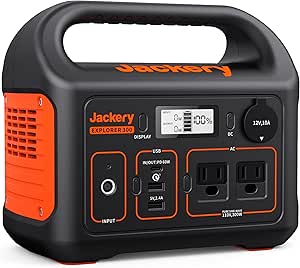
Jackery Explorer 300 Portable Power Station, 293Wh Lithium Battery, Solar Generator for Camping and Outdoors
The Jackery Explorer 300 stands out for its lightweight and compact design, making it easy to carry for outdoor camping or emergency use. Compared to larger models like the Jackery Explorer 1000, it offers less capacity but excels in portability, which is essential for quick trips or mobility. Its 293Wh battery and 300W continuous power output are sufficient for most CPAP machines during short-term outages or trips. The multiple output options, including AC, USB-C, and DC, provide flexibility for powering different devices. However, its limited battery capacity means it might not sustain longer power needs, and the solar panel is sold separately, adding extra cost. Recharge times are fast, with 80% in just 2 hours via wall, ideal for quick refills. The main tradeoff is that it’s not suited for high-power appliances or extended off-grid use.
Pros:- Extremely portable and lightweight at just 7.1 pounds
- Fast recharge time, 80% in 2 hours via wall outlet
- Multiple output ports including USB-C PD 60W and DC car port
Cons:- Solar panel sold separately, increasing overall cost
- Limited 300W output restricts use with high-power devices
- Battery capacity may not cover extended outages
Best for: Lightweight travelers and campers who need a compact, reliable CPAP backup for short durations.
Not ideal for: Users seeking long-term power solutions or running high-wattage devices, as its capacity and output are limited.
- Battery Capacity:293Wh
- Weight:7.1 pounds
- Output Power:300W
- AC Outlets:2
- USB-C Port:1 (PD 60W, input/output)
- Recharge Time:2 hours (80% via wall)
- Supported Solar Panel:Yes (SolarSaga 100)
- Voltage:120V
- Frequency:60Hz
Bottom line: This power station is ideal for those who prioritize portability and quick recharges over long-term, high-capacity power needs.
How We Picked
The products were selected based on their capacity to reliably power CPAP machines for typical nightly use, considering both battery size and inverter quality. Usability factors such as ease of recharging, portability, and compatibility with common CPAP models were prioritized. We also evaluated build quality, safety features, and overall value for the price. The ranking reflects a balance between performance, durability, and cost, ensuring each option serves a specific type of user effectively.Factors to Consider When Choosing Best Portable Power Stations For CPAP Machines
Choosing the right portable power station for your CPAP machine requires understanding key features that impact performance and usability. Beyond capacity, factors like size, weight, and recharge options influence how well a device fits into your lifestyle. It’s important to evaluate your typical usage patterns—whether for travel, camping, or emergency backup—and match those needs with the power station’s specifications. Making a thoughtful choice helps avoid common pitfalls like underpowering or selecting units that are too bulky to carry comfortably.Capacity and Runtime
Capacity, measured in watt-hours (Wh), directly determines how long your CPAP can run without recharging. For most users, a unit with at least 300Wh can power a CPAP for a full night, but longer batteries of 600Wh or more provide extra peace of mind for extended trips or power outages. It’s also worth checking if the power station’s inverter can handle the startup surge of your specific CPAP model, ensuring safe and reliable operation.
Portability and Size
Size and weight are critical if you plan to travel frequently or carry your power station in a bag or backpack. Smaller units with lower capacity tend to be more portable but may require more frequent recharges. Conversely, larger batteries offer more runtime at the expense of added weight, which can be cumbersome during outdoor adventures. Consider your typical mobility needs and choose a balance that aligns with your travel style.
Recharging Options
Fast and flexible recharging options like solar compatibility or AC wall outlets add convenience, especially during extended trips. Solar panels enable off-grid charging but involve additional investment and setup time. Ensure the power station supports pass-through charging if you want to use it while recharging simultaneously. A unit with multiple recharging methods provides the most versatility for different scenarios.
Pure Sine Wave Inverter
The quality of the inverter impacts the safety and longevity of your CPAP machine. Pure sine wave inverters produce cleaner power that mimics household outlets, reducing risk of damage or interference. Cheaper modified sine wave units can cause issues with sensitive electronics, so investing in a reliable inverter is worthwhile for peace of mind and device protection.
Cost and Value
Price varies widely based on capacity, features, and brand reputation. While it might be tempting to opt for the cheapest option, underpowered or low-quality units can lead to frequent recharging or device damage. Conversely, premium models with extra features might be unnecessary for casual users. Focus on core needs—adequate capacity and safety—and consider the long-term value of durability and serviceability over initial cost.
Frequently Asked Questions
How long will a portable power station run my CPAP machine overnight?
The runtime depends on your CPAP’s power consumption and the capacity of the power station. Most standard CPAP machines use between 30-60W per night, so a 300Wh power station can typically run your device for approximately 4-8 hours. Larger batteries, like 600Wh or 1000Wh, can extend this duration significantly, providing multiple nights of use without recharging. Always check your CPAP’s specific power requirements for the most accurate estimate.
Can I use a solar panel to recharge my power station for CPAP use?
Yes, many portable power stations support solar recharging, which is especially useful for off-grid or emergency scenarios. Solar panels vary in size and efficiency, so selecting one compatible with your station’s input specifications is key. Recharging times depend on panel wattage and sunlight conditions, but solar can provide a sustainable way to keep your power station topped up during extended trips or outages. Just remember, setup and initial costs are higher, and it requires some planning to optimize recharging times.
Is a pure sine wave inverter necessary for my CPAP machine?
While not all CPAP machines require pure sine wave power, using one ensures your device receives clean, stable electricity, reducing the risk of damage or performance issues. Most modern CPAP models are compatible with pure sine wave inverters, making them a safer choice for long-term use. Cheaper inverters with modified sine wave output may cause noise, interference, or even harm your equipment, so investing in a quality inverter can prolong device life and ensure reliable operation.
What size battery do I need if I travel frequently?
Frequent travelers should prioritize batteries in the 300-600Wh range, balancing portability with enough capacity to power a CPAP for a typical night. For longer trips or if you want to reduce recharging frequency, consider larger batteries of 600Wh or more. Keep in mind airline regulations regarding battery size if flying, as larger units might be subject to restrictions or require special handling. Ultimately, match your typical usage duration with a size that offers comfort without excessive weight.
Are more expensive power stations worth the extra cost?
Higher-priced models often provide greater capacity, faster recharge times, and better build quality, which can translate into more reliable power for your CPAP machine. They may also include features like multiple recharging options, higher surge capacity, and enhanced safety protections. If you rely heavily on your CPAP during long trips or emergencies, investing in a premium unit can offer peace of mind and fewer recharging worries. However, casual users with shorter needs might find budget models sufficient and more cost-effective.
Conclusion
For most users, the Progeny 300W Portable Power Station offers an excellent balance of size, capacity, and affordability, making it ideal for frequent travelers and outdoor enthusiasts. Those seeking maximum runtime and power output should consider the Anker SOLIX C1000 Gen 2 or the Jackery Explorer 1000, both offering ample capacity for extended use. Beginners or occasional users will find the EASYLONGER ES960 or Jackery Explorer 300 straightforward and budget-friendly options. If your priority is emergency preparedness, units with higher surge capacity and reliable inverters become especially valuable. Tailor your choice based on how you plan to use the power station and your specific needs for portability, runtime, and budget.