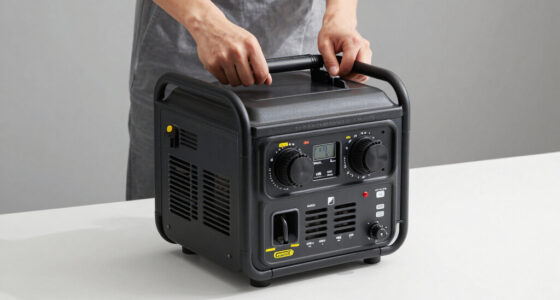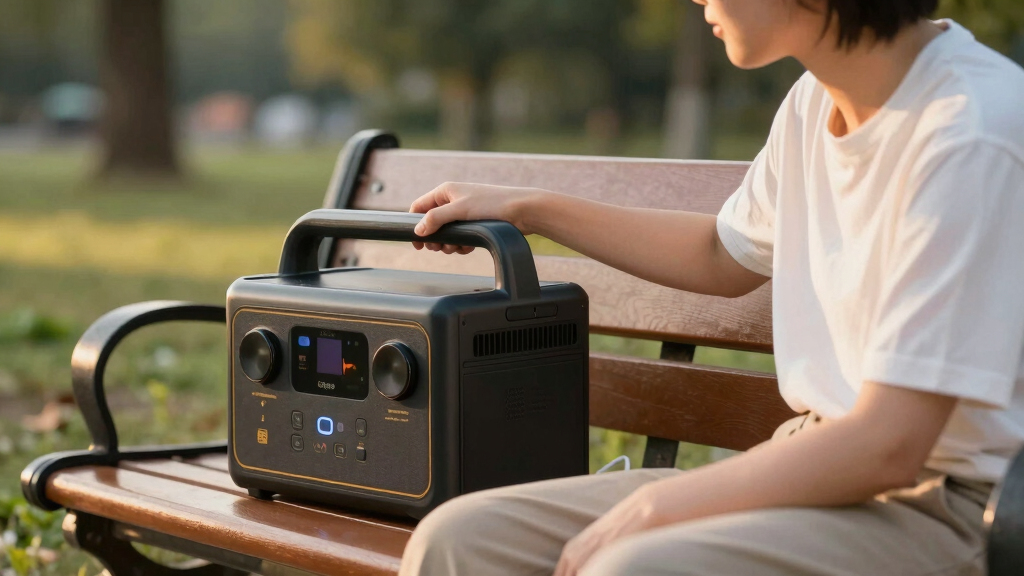
Choosing the best portable power stations for CPAP machines requires balancing capacity, portability, and reliability. The Anker SOLIX C300 stands out for its compact design and long-lasting LiFePO4 battery, making it ideal for short trips. For those needing more power and versatility, the BLUETTI Elite 100 V2 offers a large capacity with fast charging, perfect for extended use or backup. However, tradeoffs exist between size, weight, and power output—larger models may provide more runtime but are less portable. Keep reading to see how these options compare and find the best fit for your sleep and travel needs.
Listen free for 30 days with Audible
Thousands of audiobooks and originals — cancel anytime.
Start your free trialAs an affiliate, we earn on qualifying purchases.
Key Takeaways
- Capacity matters: Larger batteries provide longer CPAP runtime but increase weight and size.
- Portability varies: Compact models are easier to carry but may have limited power for extended outages.
- Compatibility is key: Look for models with compatible outlets and surge capacity to handle CPAP devices safely.
- Charging options influence usability: Solar compatibility and fast charging can be game-changers during travel or emergencies.
- Price vs. performance: Premium models offer higher capacity and features but at a higher cost—balance your budget accordingly.


More Details on Our Top Picks
Anker Portable Power Station SOLIX C300, 288Wh LiFePO4 Battery, 300W (600W Surge) Solar Generator
The Anker SOLIX C300 stands out for its combination of portability and power, making it an excellent choice for outdoor enthusiasts needing reliable backup. Its 288Wh LiFePO4 battery delivers 300W continuous power with a 600W surge, enough to run a CPAP overnight comfortably. Compared with larger options like the BLUETTI Elite 100 V2, it’s more compact and easier to carry, though it offers slightly less overall capacity. Its multiple charging ports—including USB-C, USB-A, and AC outlets—support a variety of devices, with quick recharge options via wall, solar, or car power. The long cycle life of 3,000 cycles ensures durability for frequent use. A notable drawback is its incompatibility with some solar panels like Anker’s PS30, limiting solar options for some users. Additionally, it requires an extra purchase for carrying straps, adding to the overall cost and setup effort.
Pros:- Compact and lightweight design ideal for travel and outdoor use
- Multiple versatile charging ports support a range of devices
- Fast recharging options including solar, wall, and car power
Cons:- Limited compatibility with some solar panels like Anker SOLIX PS30
- Lacks detailed weight and dimension info, impacting portability assumptions
Best for: Active travelers and campers who need a reliable, multi-device power source with fast recharge options.
Not ideal for: Users seeking a larger capacity for extended trips or heavy-duty appliances, as this model prioritizes portability over capacity.
- Battery Capacity:288Wh
- Power Output:300W (600W Surge)
- Number of Outlets:8
- AC Outlets:3
- USB-C Ports:2 (140W each), 1 (15W)
- Recharging Time:80% in 50 minutes
- Battery Type:LiFePO4
- Cycle Life:3,000 cycles
Bottom line: This model is perfect for users who need a portable, reliable power station for CPAP and other devices during outdoor adventures.
BLUETTI Elite 30 V2 Portable Power Station 600W, 288Wh LiFePO4 Battery with UPS for Emergency and Outdoor Use
The BLUETTI Elite 30 V2 offers a lightweight, high surge capacity platform, making it ideal for emergency scenarios and short outdoor trips. Weighing only 9.4 lbs, it’s significantly easier to carry than larger models like the BLUETTI Elite 100 V2, yet it still provides a robust 288Wh capacity with a 600W continuous output and a 1500W surge. Its multiple charging modes—including AC, solar, and car—support flexible recharging, and the reliable UPS feature ensures critical devices stay powered during outages, much like the BLUETTI Elite 100 V2 but in a more portable form. The main tradeoff is its limited capacity, which isn’t suited for extended use or powering larger appliances. Its higher price point can also be a barrier for budget-conscious buyers. Solar charging benefits depend on compatible panels, which may add to setup costs.
Pros:- Lightweight and portable for easy transport
- High surge capacity supports a variety of devices
- Reliable UPS for critical power during outages
Cons:- Limited capacity for extended trips or multiple devices
- Higher cost compared to basic portable power stations
Best for: Homeowners and outdoor enthusiasts who need a compact backup for essential devices like CPAP during emergencies.
Not ideal for: Heavy-duty users requiring longer run times or higher capacity for multiple appliances simultaneously.
- Capacity:288Wh
- Weight:9.4 lbs
- Continuous Power:600W
- Surge Power:1500W
- Battery Type:LiFePO4
- Charging Time:0-80% in 45 mins, 0-100% in 70 mins
Bottom line: This is a solid choice for users who want emergency backup power with portability for CPAP and small devices.
BLUETTI Elite 100 V2 Portable Power Station, 1024Wh LFP Battery Backup with 4 AC Ports (3600W Surge), Compact and Fast Charging for Camping and Home Backup
The BLUETTI Elite 100 V2 delivers impressive capacity with 1024Wh, making it suitable for powering multiple devices or a CPAP over several nights. Its 1800W continuous output, with a 2700W surge, outperforms smaller units like the BLUETTI Elite 30 V2, supporting more demanding appliances. Its rapid 70-minute recharge via AC or solar makes it a flexible choice for off-grid use, though it remains relatively portable at 25 lbs. This model is better suited for users needing reliable backup power for longer durations or higher power demands. The higher price and specific charging accessories needed are notable tradeoffs, but its larger capacity and fast charging make it a versatile option for serious campers and backup scenarios.
Pros:- High-capacity 1024Wh battery supports multiple devices
- Fast recharge in 70 minutes via AC or solar
- Supports powering multiple devices simultaneously
Cons:- Relatively heavy at 25 lbs
- Higher cost compared to smaller models
- Requires specific accessories for optimal charging
Best for: Families or RV travelers seeking substantial backup power with quick recharge times for extended trips or home use.
Not ideal for: Individuals with limited storage space or those seeking a lightweight, ultra-portable unit for short outings.
- Capacity:1024Wh
- AC Output:1800W (2700W Surge)
- Weight:25 lbs
- Charging Time:70 minutes
- Battery Type:LiFePO4
- Number of Ports:11
Bottom line: This model makes the most sense for those who prioritize capacity and fast recharge over ultra-light portability.
Anker SOLIX C1000 Gen 2 Portable Power Station, 2000W (3000W Peak), 1024Wh LiFePO4 Battery, Solar Generator, Home Backup, Camping
The Anker SOLIX C1000 Gen 2 combines high power output with rapid recharging, making it suitable for users with demanding power needs. Its 1024Wh capacity supports multiple devices and even larger appliances, with a 2000W continuous output and 3000W surge capacity that outpaces most competitors like the BLUETTI Elite 100 V2. Recharging in just 49 minutes via AC or 1.8 hours with solar, it excels in situations where time is critical. Its compact size—14% smaller and lighter than similar models—adds to its appeal for portable use. The higher price reflects its advanced capabilities and fast charging tech, but it requires compatible solar panels and limited solar input capacity can be a constraint for off-grid use.
Pros:- Fast recharge in just 49 minutes via AC
- High power output supports demanding devices
- Compact and lightweight for portability
Cons:- Higher price point than basic models
- Limited solar input capacity for large-scale off-grid charging
Best for: Power users needing rapid recharging and high surge support for both home backup and demanding outdoor applications.
Not ideal for: Budget-conscious buyers or those needing maximum solar input capacity for extensive off-grid use.
- Battery Capacity:1024Wh
- Power Output:2000W (3000W peak)
- Recharge Time (AC):49 minutes
- Recharge Time (Solar):1.8 hours
- Battery Type:LiFePO4
- Size:14% smaller and lighter than similar models
Bottom line: Ideal for users who require rapid recharge and high power support in a portable form factor.
BLUETTI X30 CPAP Battery Backup 297Wh Power Supply with Cables for ResMed, AirSense, AirMini, AirCurve
The BLUETTI X30 is designed specifically for CPAP users needing a lightweight backup solution, weighing only 3.9 lbs. Its 297Wh capacity supports up to a week of backup for most CPAP models like ResMed and AirSense, making it an excellent companion during travel or power outages. Compared with larger units like the Anker SOLIX C300, it’s far more portable but supports fewer devices overall. Its multiple DC and USB ports, along with a comprehensive cable set, ensure compatibility and reliable connectivity. While its capacity may not suffice for longer trips, the included accessories and long backup duration make it a top pick for short-term portable power. The main limitation is its capacity, which restricts extended use without recharging.
Pros:- Ultra-lightweight and easy to carry
- Multiple output ports compatible with various CPAP models
- Includes comprehensive cables and accessories for easy setup
Cons:- Limited capacity may not support longer trips
- Price and availability can vary, impacting accessibility
Best for: CPAP users needing a lightweight, reliable backup for short trips or home emergencies.
Not ideal for: Those looking for a multi-device power station for camping or powering other appliances over several days.
- Battery Capacity:297Wh
- Weight:3.9 lbs
- Dimensions:3 x 5 x 8 inches
- Ports:3 DC, 1 USB-A
- Compatible Devices:ResMed S9, AirSense 10 & 11, AirMini, AirCurve 10
- Included Accessories:AC Adapter, 5 DC cables, 2 DC connectors, accessory bag
Bottom line: This backup is perfect for CPAP users prioritizing portability and quick setup for short-term power needs.
EnginStar Portable Power Station 300W 296Wh Battery Bank with 110V Pure Sine Wave AC Outlet for Outdoors Camping, Hunting, and Emergency
The EnginStar Portable Power Station stands out for its slim, lightweight design, making it ideal for outdoor enthusiasts who prioritize portability. With a 296Wh capacity and 300W pure sine wave outlets, it can safely power CPAP machines along with phones and small electronics. Compared to the larger S1200, it offers a much easier carry but sacrifices high capacity and power output, limiting its use to low-wattage devices. Its multiple charging options—including solar, wall, and car—add flexibility, though solar charging speed can vary, and the lack of a solar panel means an additional purchase. This model is best suited for campers or emergency kits where weight and size matter most.Pros:- Lightweight and compact for easy carrying
- Multiple output ports for versatile device charging
- Pure sine wave outlets protect sensitive electronics
Cons:- No included solar panel, requiring extra purchase
- Limited to 300W, not suitable for high-power devices
Best for: Outdoor adventurers and emergency preppers needing a lightweight, portable power source for CPAP and small devices.
Not ideal for: Users who require longer run times or higher wattage support, as its limited 300W output may not handle all CPAP models or extended use.
- Capacity:296Wh
- Power Output:300W
- AC Outlets:2 (110V pure sine wave)
- Dimensions:9 x 5.5 x 7.5 inches
- Weight:6.5 pounds
- Battery Type:Lithium-ion
- Charge Cycles:Over 1000
Bottom line: This pick is perfect for lightweight outdoor use where portability and safety matter most, but not for extended or high-wattage needs.
Jackery Explorer 300 Portable Power Station, 293Wh Lithium Battery, Solar Generator for Camping and Outdoors
The Jackery Explorer 300 makes a strong case for users who need quick recharging and solar flexibility, with a 2-hour recharge time to 80%. Its 293Wh capacity supports CPAP usage comfortably for several nights, and its compact design makes it easy to carry. Unlike the larger S1200, it prioritizes portability over capacity, which means it’s better suited for short trips rather than extended power needs. It offers multiple outlets, including a USB-C PD port, and can be recharged via solar, though the solar panel itself is sold separately. If rapid recharging and green energy are priorities, this model fits well, but it won’t support high-wattage appliances for long.Pros:- Fast recharge in just 2 hours to 80%
- Multiple output options including USB-C PD
- Lightweight and portable for outdoor use
Cons:- Solar panel sold separately, adding cost
- Limited 300W power output may not support all CPAP models
Best for: Campers and travelers seeking quick recharging and solar compatibility for CPAP and small devices.
Not ideal for: Long-term power needs or high-wattage devices, as its capacity and power output are limited.
- Battery Capacity:293Wh
- Weight:7.1 pounds
- AC Outlets:2 Pure Sine Wave
- USB-C Port:PD 60W
- Recharge Time:2 hours to 80%
- Solar Compatible:Yes (panel sold separately)
Bottom line: Ideal for quick recharges and eco-friendly outdoor use, but less suitable for extended power demands.
Progeny 300W Portable Power Station, 299Wh Solar Generator with Pass-Through Charging
The Progeny 300W offers a balanced mix of portability and functionality, weighing only 7 pounds yet providing 299Wh for multiple devices including CPAPs. Its regulated 12V output and multiple ports—including USB-C and USB-A—allow safe and flexible device charging, making it suitable for camping, emergencies, or travel. Compared to the Jackery or EnginStar, it provides similar capacity but with the added benefit of pass-through charging, meaning you can power devices while recharging the unit. Its 6-7 hour recharge time via solar or AC makes it a good choice for those who want a lightweight backup, though it may struggle with high-power CPAP models due to its 300W limit.Pros:- Very lightweight at only 7 lbs
- Multiple output options including regulated 12V
- Pass-through charging for simultaneous power and recharge
Cons:- Requires separate purchase of solar panel
- Limited 300W continuous power, not for high-wattage devices
Best for: Travelers and campers needing a lightweight, multi-device capable power station with pass-through charging.
Not ideal for: Extended use with high-wattage CPAP machines or long power outages, due to its 300W continuous limit.
- Capacity:299Wh
- Weight:7 pounds
- AC Output:110V, 300W
- USB Ports:QC 3.0 USB and USB-C
- Charging Time (AC):6-7 hours
- Solar Charging:Yes (panel sold separately)
Bottom line: This model excels in portability and versatility, but isn’t designed for high-power, long-duration CPAP use.
S1200 Portable Power Station, 1190Wh LiFePO4 Battery, 1200W AC Output, Solar Generator for Camping and Emergency Use
The S1200 is a powerhouse, with a 1190Wh LiFePO4 battery and 1200W continuous output, making it a clear choice for those who need extended run times for CPAP and multiple devices. Its rugged design and high cycle count (over 4000 cycles) promise durability for years of use. While it’s bulkier and heavier than the others, it offers five AC outlets, USB-C PD ports, and fast recharge options, including solar. Compared to the smaller units, the S1200 prioritizes capacity over portability and is suited for RVers or emergency preparedness rather than quick hikes. Its price may be high, but for long-term off-grid use or backup, this is a reliable option.Pros:- Massive 1190Wh capacity for extended use
- Long cycle life with LiFePO4 chemistry
- Multiple outlets and fast charging options
Cons:- Expensive and heavy, less portable
- Requires additional solar panel for solar charging
Best for: Emergency responders, RV owners, or serious campers needing long-lasting power for CPAP and multiple devices.
Not ideal for: Lightweight travelers or those with limited space, due to its weight and size.
- Battery Capacity:1190Wh
- Battery Type:LiFePO4
- AC Output:1200W (1800W surge)
- Number of AC Outlets:5
- USB-C PD Ports:2
- Cycle Life:4000+
Bottom line: This is best suited for those requiring reliable, long-term power, despite its size and cost.
EASYLONGER ES960 CPAP Battery Backup, 297.6Wh High-Capacity Power Supply for AirSense 11/10, AirCurve10/11, AirMini, DreamStation/2
The EASYLONGER ES960 is specifically designed for CPAP users, offering a high-capacity 297.6Wh battery that can power your machine for over two nights. Its compatibility with a broad range of CPAP models, including AirSense, DreamStation, and ResMed devices, makes it a versatile choice for home or travel. The built-in safety features and multiple output ports—including 4 CPAP cables—add to its reliability. Compared to general-purpose power stations like the Jackery or EnginStar, the ES960’s focus on CPAP compatibility makes it more convenient for sleep apnea patients. However, it’s heavy, and the longer recharge times mean planning ahead is essential for continuous use.Pros:- High-capacity battery powering over two nights
- Wide compatibility with popular CPAP models
- Built-in safety features ensure reliable operation
Cons:- Heavy and bulky for portable use
- Longer recharge time, requiring planning for continuous use
Best for: Sleep apnea patients needing a dedicated, long-lasting backup for CPAP machines during power outages or travel.
Not ideal for: Users who want a multi-purpose power station for devices beyond CPAP, due to its specific focus and weight.
- Capacity:297.6Wh
- Compatible Devices:Multiple CPAP models including AirSense and DreamStation
- Output Ports:7
- Recharge Time:6-8 hours via USB-C or AC
- Battery Type:LiFePO4
- Cycle Life:Over 3000
Bottom line: This backup is ideal for CPAP users prioritizing long run times and device-specific safety, but less so for general device charging or lightweight travel.
Jackery Explorer 1000 v2 Portable Power Station, 1070Wh LiFePO4 Battery, 1500W AC/100W USB-C, Fast 1-Hour Charge, Solar Generator for Camping, Emergency, RV, Off-Grid
The Jackery Explorer 1000 v2 stands out as the best overall choice thanks to its impressive 1070Wh LiFePO4 battery, offering abundant capacity for CPAP use and additional devices. Unlike smaller models such as the Anker SOLIX C300, it provides more runtime and higher wattage, making it suitable for longer outages or extended camping trips. Its fast charging in just one hour reduces downtime, while multiple outlets—including a USB-C port—offer flexibility. The key tradeoff is that it requires compatible Jackery solar panels for solar recharging, limiting versatility compared to universal options like the Anker SOLIX C1000. Though slightly heavier at 23.8 lbs, its durable build and app control make it a dependable companion for both emergencies and off-grid living.
Pros:- High capacity with 1070Wh for extended CPAP use and additional devices
- Fast one-hour charging with smart app control enhances convenience
- Lightweight for its size at 23.8 lbs with a foldable handle for portability
- Long-lasting LiFePO4 battery with over 10 years lifespan
Cons:- Requires Jackery-specific solar panels, limiting compatibility for solar recharging
- Relatively heavy compared to ultra-compact models, making transport less effortless
Best for: Owners of CPAP machines who need reliable, high-capacity power for extended outages or long outdoor stays.
Not ideal for: Travelers seeking the lightest, most compact option for short trips, since at nearly 24 lbs it’s less portable than smaller units.
- Wattage:1500 watts
- Battery Capacity:1070Wh
- Charge Time:1 hour
- Ports:7
- Weight:23.8 lbs
- Battery Type:LiFePO4
Bottom line: This model is ideal for users who prioritize long-lasting capacity and versatile power options for extended off-grid or emergency use.
How We Picked
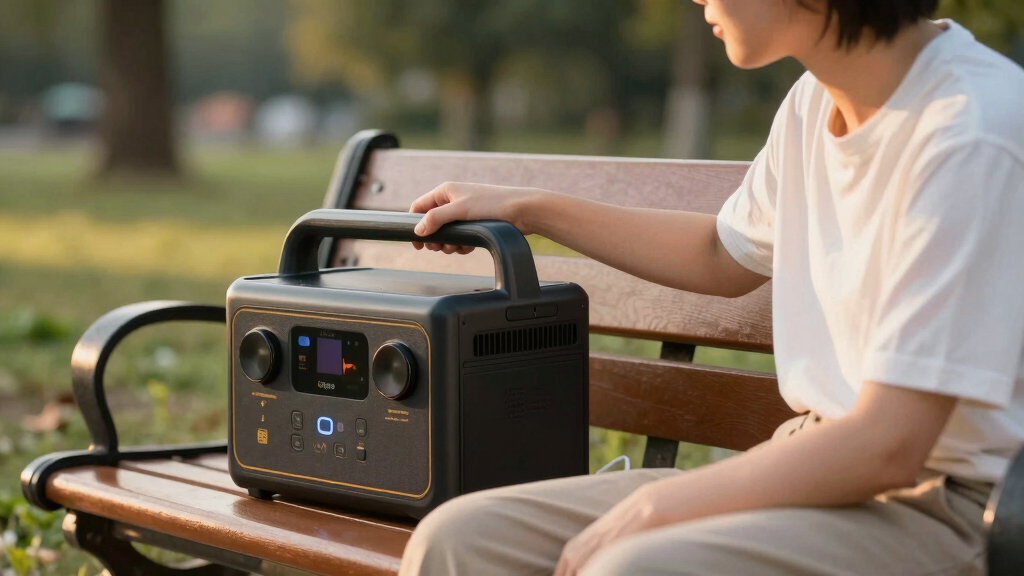
I evaluated these power stations based on their ability to reliably power CPAP machines for typical sleep durations, emphasizing battery capacity, inverter wattage, and safety features. Ease of use, weight, and portability were also key factors, as many users need to carry these units while traveling or camping. Durability and build quality matter for outdoor use, while charging options like solar compatibility added versatility. The ranking reflects a balance between performance, value, and user-friendliness, prioritizing units that meet the specific power needs of CPAP users without unnecessary bulk or complexity.Factors to Consider When Choosing Best Portable Power Stations For CPAP Machines
Selecting the best portable power station for a CPAP machine involves understanding several critical factors. Beyond just capacity, how a unit charges, its size, and safety features all influence how well it will serve your needs. Making the right choice means considering your typical usage scenario—whether you need a lightweight option for travel or a robust model for emergency backup—and understanding the tradeoffs involved in each feature.Capacity and Runtime
Battery capacity, measured in watt-hours (Wh), directly impacts how long your CPAP can run without recharging. Larger capacities provide longer sleep-time support but tend to be bulkier and heavier. For most nightly CPAP use, a 300-600Wh unit is sufficient, but if you experience longer outages or travel frequently, considering models with 1000Wh or more makes sense. Keep in mind that real-world runtime depends on your device’s power draw and whether you’re using features like heated humidification, which consume more power.
Portability and Size
How easy it is to carry a power station matters, especially for travel or outdoor use. Compact, lightweight units are convenient but may sacrifice capacity. Conversely, larger models often include more outlets and higher wattage, but their size and weight can be a hurdle. Look for units with ergonomic handles or suitcase-style design if portability is a priority. Remember that heavier units may also require more effort to transport or set up, so balance your mobility needs with power requirements.
Power Output and Compatibility
The inverter’s wattage determines whether the station can safely power your CPAP. Most CPAP devices draw between 30-60W, but surge capacity needs to be higher—aim for at least 100W to cover startup surges. Also, check for compatible outlets—AC, USB, or DC—based on your device’s inputs. Some units include specialized connectors or adapters for brands like ResMed or AirMini, which simplifies setup. A higher surge rating and multiple outlet types increase versatility and safety.
Charging Options and Speed
Fast charging and solar compatibility can greatly enhance convenience, especially during extended trips. Many models support wall charging, USB-C PD, or solar panels—consider which options suit your lifestyle. Solar compatibility is particularly useful for off-grid use but requires additional investment in panels. Fast charging features allow you to replenish power quickly between uses, reducing downtime. Evaluate your typical charging environment and select a unit that offers flexible, reliable recharging methods.
Price and Additional Features
Pricing reflects capacity, build quality, and added features like app control, multiple outlets, or rugged design. While premium models may seem costly, they often deliver better longevity and performance, providing peace of mind. Cheaper options can work well for short-term or backup use but might lack durability or sufficient capacity for longer trips. Prioritize features based on your needs—if you travel often or rely heavily on your CPAP, investing in a higher-end unit can be worthwhile.
Frequently Asked Questions
How long can a portable power station run my CPAP?
The runtime depends on the power consumption of your specific CPAP model and the capacity of the power station. For example, a 300Wh unit can power a typical CPAP for about 8-12 hours, while larger units like 1000Wh can last 24 hours or more. Always check your device’s wattage and compare it to the inverter’s continuous wattage output to ensure compatibility. Properly estimating your needs can help you select a model that provides enough support during outages or travel.
Can I recharge my CPAP directly via USB from these power stations?
Most CPAP machines require AC power, so a standard USB connection won’t suffice unless your device supports it. However, some portable power stations include USB-C PD ports and can charge compatible CPAP models that have USB power options. For most users, the more reliable approach is to use the AC outlet or a dedicated DC adapter designed for your machine. Always verify your CPAP’s power input specifications before choosing a station with USB charging capabilities.
Are solar panels necessary for off-grid CPAP use?
Solar panels are not strictly necessary but can be a valuable addition for off-grid or extended outdoor use. They enable you to recharge the power station without access to electricity, extending your independence. Keep in mind that solar charging is slower and depends on sunlight conditions, so pairing a large-capacity station with solar panels is ideal for prolonged trips. If your primary concern is emergency backup at home, solar panels are less critical but still offer added flexibility for outdoor adventures.
What safety features should I look for in a portable power station for CPAP?
Safety features such as surge protection, overload protection, and temperature regulation are essential for powering sensitive devices like CPAP machines. Some units include pure sine wave inverters, which produce cleaner power that is safer for electronics. Additionally, look for units with short-circuit protection and automatic shut-off to prevent damage. Prioritizing safety ensures your CPAP operates reliably and reduces risk during use or recharging.
Is it worth paying more for a higher-capacity or premium model?
Investing in a higher-capacity or premium power station often translates into longer run times, more reliable power delivery, and added features like faster charging or solar compatibility. If you rely heavily on your CPAP during travel or outages, the extra cost can provide peace of mind and convenience. However, for occasional or backup use, mid-range models may suffice without overextending your budget. Consider how often you’ll need extended runtime versus portability when making your decision.
Conclusion
For frequent travelers or those who prioritize lightweight design, the Anker SOLIX C300 offers a balanced mix of portability and reliable power. If you need maximum capacity for extended use or backup at home, the BLUETTI Elite 100 V2 is a strong choice. Budget-conscious users seeking dependable performance should consider the Jackery Explorer 300, while those wanting high-end features and rapid recharging will find the Jackery Explorer 1000 v2 worth the investment. Ultimately, selecting the best station depends on your specific needs—whether it’s portability, capacity, or advanced features—so match your choice to your typical use case and travel habits.Fall Picks
fall essentials
As an affiliate, we earn on qualifying purchases.