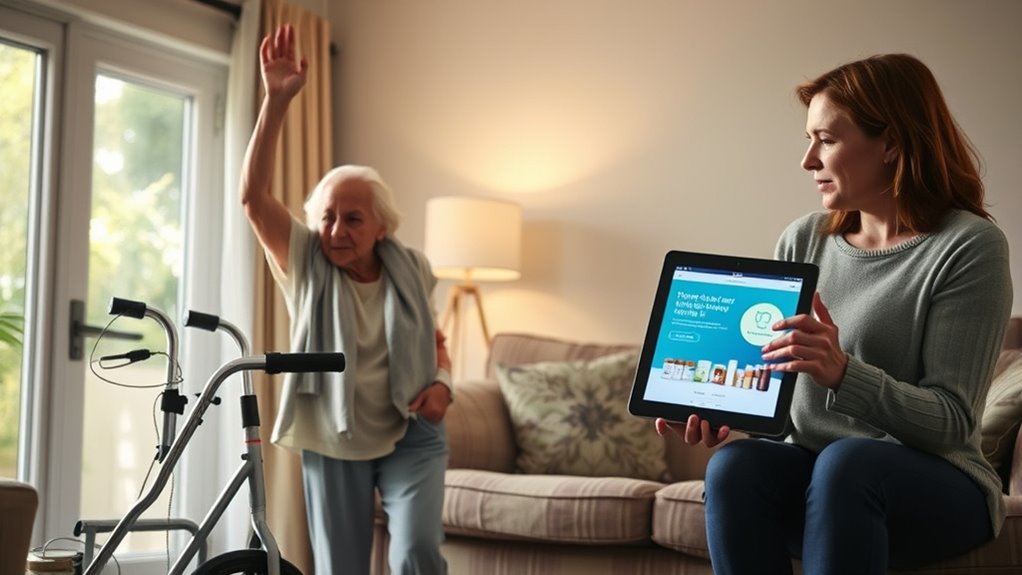

When you notice your loved one struggles with daily tasks, seems unsafe at home, or shows signs of confusion or depression, it’s time to contemplate outside help. If they’re neglecting personal hygiene, missing medications, or experiencing frequent falls, these are clear indicators they need extra support. As their needs grow, their home routines may become unmanageable. Keep an eye on these signs, and you’ll find valuable tips on how to assist them effectively.

Turn quiet afternoons into listening time
- Thousands of audiobooks, podcasts and originals
- Listen on your phone, tablet or Echo — also offline
- Cancel anytime
Key Takeaways
- Daily tasks become difficult or unsafe for the individual to perform independently.
- You notice increased falls, mobility issues, or safety hazards at home.
- Personal hygiene, medication management, or nutrition routines are being neglected.
- The person shows signs of emotional distress, confusion, or social withdrawal.
- Caregiving responsibilities cause overwhelming stress or burnout affecting your well-being.

Deciding when to start home care can be challenging, but recognizing the right moment is crucial for maintaining quality of life and independence. When you notice daily tasks becoming difficult or safety concerns rising, it’s a clear sign that outside help might be necessary. One of the most common indicators is caregiver stress. If you find yourself overwhelmed, exhausted, or emotionally drained from managing your loved one’s needs, it’s a sign you need support. Caregiver stress can quickly lead to burnout, which compromises both your well-being and the quality of care you provide. Recognizing these feelings early helps you make informed decisions before stress negatively impacts your health or your loved one’s safety.
Mobility concerns are another key sign that it’s time to consider home care. As mobility declines, simple activities like walking, getting out of bed, or even dressing become more challenging. If your loved one is frequently falling, hesitating to move around, or showing signs of weakness, it’s a warning that they may need assistance. Falling or mobility-related accidents can lead to serious injuries, so addressing these concerns proactively can prevent emergencies. Home care professionals can offer mobility support, physical therapy, and safe assistance to reduce risks and foster independence.
You should also pay attention if your loved one is neglecting personal hygiene, medication management, or nutrition. These are critical aspects of health that become harder to maintain as mobility or cognitive functions decline. When you notice missed medications, poor hygiene, or weight loss, it’s time to consider outside help. These signs often indicate that your loved one needs more structured support to stay healthy and safe at home.
Neglected hygiene, missed medications, or weight loss signal it’s time to seek home care support.
Additionally, emotional and mental health shifts shouldn’t be overlooked. If your loved one becomes more withdrawn, confused, or shows signs of depression or anxiety, professional home care can provide essential companionship and mental stimulation. Sometimes, these changes are subtle but can quickly escalate into more serious issues if not addressed early. Furthermore, home safety improvements such as proper lighting and fall-proofing can significantly reduce risks and create a more secure environment.
Ultimately, trusting your instincts is important. If you notice persistent signs that daily routines are becoming unmanageable or safety is compromised, it’s time to explore home care options. The goal is to ensure your loved one stays comfortable, safe, and as independent as possible, while also safeguarding your own health and peace of mind. Recognizing these signs early allows you to take proactive steps, finding the right level of support before problems worsen.
home safety fall prevention devices
As an affiliate, we earn on qualifying purchases.
As an affiliate, we earn on qualifying purchases.
Frequently Asked Questions
How Do I Discuss Home Care Options With My Loved Ones?
You should start by having an open, honest conversation with your loved ones about their needs and preferences. Focus on caregiver communication and listen empathetically, offering emotional support. Share information about home care options, benefits, and how it can improve their quality of life. Be patient, respectful, and collaborative, ensuring everyone feels heard and involved in the decision-making process. This approach helps ease concerns and fosters trust.
What Financial Assistance Is Available for Home Care Services?
Think of your finances as a well-stocked toolkit; there are options to help with home care costs. You might qualify for government programs like Medicaid, which can cover services, or utilize long-term care insurance coverage. Financial planning now guarantees you access these resources when needed, easing the financial burden. Check with local agencies or your insurance provider to explore assistance programs tailored to your needs, so you’re prepared for the future.
How Do I Choose the Right Home Care Provider?
To choose the right home care provider, start by researching their caregiver support and experience. Look for providers that prioritize home safety tips and personalized care plans. Ask about staff training, licensing, and references. Trust your instincts and guarantee clear communication. A good provider will offer compassionate support, making both you and your loved ones feel comfortable and secure in your home environment.
What Are the Legal Considerations for Arranging Home Care?
Did you know that over 60% of adults haven’t prepared advance directives? When arranging home care, it’s vital to take into account legal factors like creating advance directives and guardianship arrangements. These documents guarantee your loved ones’ wishes are respected and decision-making is clear. Always consult a legal professional to navigate state laws, establish proper guardianship, and protect both your loved one’s rights and your peace of mind.
How Can I Assess My Loved One’s Safety at Home?
You can evaluate your loved one’s safety at home by observing their medication management to guarantee they take pills correctly and on time. Conduct a fall risk assessment by checking for hazards like loose rugs or clutter. Watch for signs of confusion, weakness, or difficulty with daily tasks. If you notice these issues, it’s a good indicator that outside help may be needed to maintain their safety and well-being.
mobility support aids for seniors
As an affiliate, we earn on qualifying purchases.
As an affiliate, we earn on qualifying purchases.
Conclusion
Remember, sometimes you can’t see the forest for the trees. If daily tasks become overwhelming, health concerns arise, or independence fades, it’s time to contemplate outside help. Don’t wait until small issues turn into bigger problems. Reaching out for home care isn’t giving up; it’s taking charge of your well-being. Trust your instincts—your peace of mind and quality of life are worth it. After all, a little help can turn a mountain into a molehill.
As an affiliate, we earn on qualifying purchases.
personal hygiene assistance products
As an affiliate, we earn on qualifying purchases.
As an affiliate, we earn on qualifying purchases.
Fall Picks
fall essentials
As an affiliate, we earn on qualifying purchases.